


























Hair transplant5 min read
Benefits of scalp micropigmentation and how to prepare for the procedure
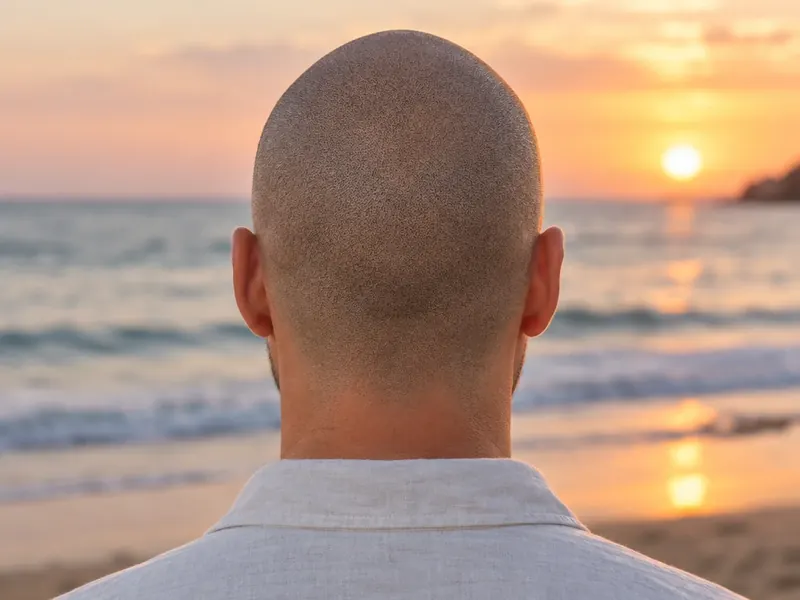
Scalp micropigmentation is a cosmetic technique in which tiny dots of pigment are placed in the skin of the scalp to imitate short hair or the shadow of hair between existing strands. This article explains what it can realistically offer, where its limits lie, how people usually prepare and how it differs from a hair transplant.
By messaging us, you agree to our Privacy Policy
Medically reviewed by Ellina V. Goncharova, dermatovenereologist, trichologist, surgeon. Review date: .
The main points in 30 seconds
- Scalp micropigmentation places tiny dots of pigment in the skin to imitate short hair or the shadow of dense hair.
- It does not grow hair or stop hair loss; it only makes thinning less visible or recreates a buzz-cut look.
- Several sessions are usually needed, the effect lasts several years, and touch-ups are needed as the pigment fades.
- For a few days afterwards avoid heavy sweating, saunas, pools and direct sun; mild redness is common.
- Find out why your hair is thinning before any cosmetic decision, and judge a practitioner by healed results in daylight.
Key facts about the procedure
- Stay in clinicSame day
- Final result12–18 months
- AnaesthesiaLocal
- Price
$2,700from $2,200
What scalp micropigmentation is
Scalp micropigmentation, sometimes called trichopigmentation, is a cosmetic procedure in which a specialist places a special pigment into the upper layers of the skin of the scalp. The dots are small and closely spaced, so from a normal distance they read as short hair follicles or as the natural shadow that dense hair creates on the skin.
Price in your country — message us on WhatsApp
WhatsAppIt is important to be clear from the start: the procedure does not grow hair. It changes how the scalp looks, not how many hairs it has. That is exactly why it can be a helpful option for some people and an unsuitable one for others.
The main benefits
A look of greater density
The pigment reduces the contrast between the skin and the hair. On a thinning crown or along a receding hairline this contrast is what makes hair loss noticeable, so softening it can make the hair appear thicker. On a shaved head, micropigmentation can recreate the look of a close buzz cut.
More on this topic: Hair Transplant, Beard Transplant, Eyebrow Transplant, FUE & DHI Hair Transplant in Singapore, FUE & DHI Hair Transplant in Málaga.
A natural appearance when done well
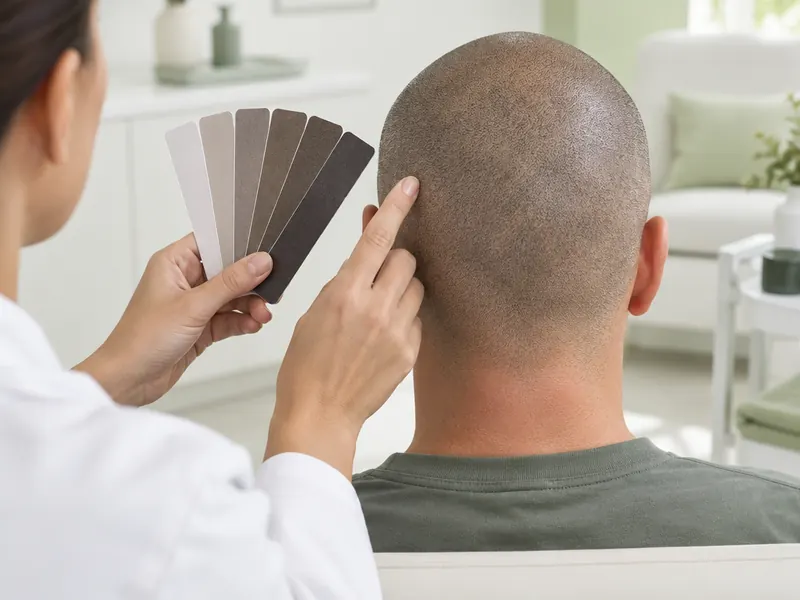
A skilled practitioner takes into account your skin tone, hair colour and the natural pattern of your hairline. Careful work avoids a hard, drawn-on edge and aims for a result that looks like hair rather than a tattoo. For many people this removes the need for wigs, powders and other temporary cover-ups.
A long-lasting but not permanent effect
The final result usually needs several sessions. Once they are complete, the effect can last for several years. Over time the pigment gradually fades, so periodic touch-up sessions are normally needed to keep the look even.
No surgery
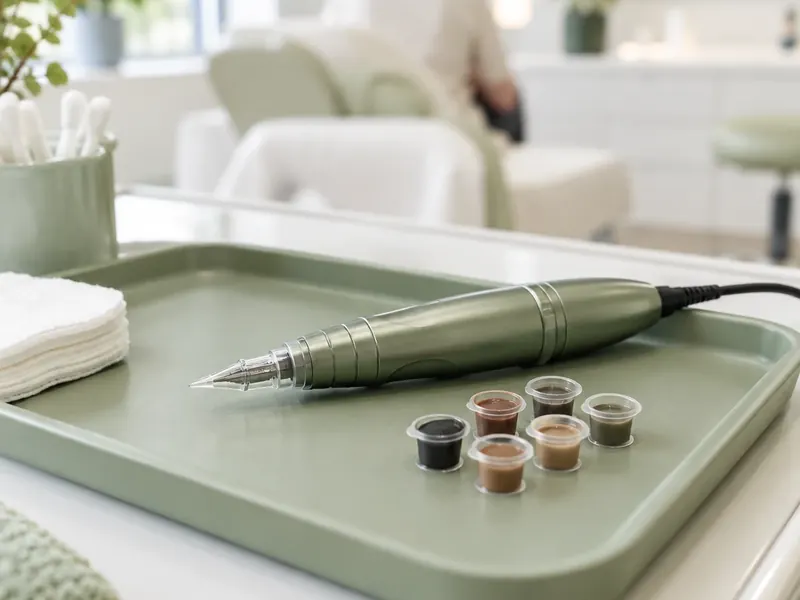
Micropigmentation is non-surgical. It is performed with fine needles or a dedicated device and does not require general anaesthesia or incisions. Recovery is usually short, and most people return to everyday activities quickly. Mild redness and sensitivity for a few days are common.
Hair transplant abroad: choose a city and clinic
Prices, the clinic and a free online consultation for each city:
Limits you should know about
- It does not stop hair loss or treat its cause. If loss continues, the pigmented area may need to be adapted later.
- Results vary with skin type, the quality of the pigment and above all the skill of the practitioner.
- The pigment can fade or change tone slightly over the years, and removal of an unsatisfactory result can be difficult.
- It works best with short hair or a shaved head. With longer hair it mainly reduces visible gaps rather than creating volume.
Anyone considering the procedure should first find out why their hair is thinning. Some causes of hair loss are treatable, and a medical diagnosis should come before any cosmetic decision.
How to prepare for the procedure
Preparation is simple but worth taking seriously:
- Have a consultation first and discuss your expectations, the planned hairline and the shade of pigment.
- Tell the practitioner about any skin conditions of the scalp, allergies, a tendency to keloid scars and the medication you take, especially blood thinners.
- Avoid sunburn on the scalp in the days before the session.
- Ask about aftercare in advance: for a few days you will usually be asked to avoid sweating heavily, saunas, swimming pools and direct sun.
- Look at photos of healed results, not only fresh ones, because pigment settles and softens as the skin heals.
If you have an active skin condition on the scalp, are pregnant or have a health condition that affects healing, speak to your doctor before booking.
Choosing a practitioner
Because the result depends so much on the person doing the work, it is sensible to choose an experienced and qualified practitioner. Look for a portfolio with healed results in daylight, sterile single-use needles, pigments designed for the scalp and a clear explanation of how many sessions and touch-ups are expected. A good practitioner will also tell you honestly if micropigmentation is not the best option for your situation.
Micropigmentation or a hair transplant?
These two approaches solve different problems. Micropigmentation creates a visual effect on the skin without adding hair. A hair transplant moves your own hair follicles from the donor area, usually at the back of the head, to thinning areas, where they continue to grow as real hair.
FUE is commonly used for androgenetic hair loss, and a combined FUE and DHI approach can also be used to increase density.
A transplant is surgery with a recovery period and depends on having enough donor hair, so it is not suitable for everyone. Some people use the two together, for example micropigmentation to soften the look of density between transplanted areas. Which option suits you, if any, should be decided with a doctor after an examination.
How recovery usually goes
- 0-10 daysHealing: the crusts come off, the swelling goes down, the area gradually recovers
- 2-4 weeksShedding of the transplanted hairs: a normal stage, only the hairs fall out, the follicles stay in place
- 3-4 monthsGrowth begins: new hairs gradually appear, the result starts to show
- 6-9 monthsVisible density: the hair becomes thicker, the main volume and contour are visible
- 12-18 monthsFinal result: the final density and a natural hairline take shape
Consultation at City Medical Centre
City Medical Centre works with international patients and focuses on hair transplantation. If you are weighing a cosmetic cover-up against moving your own hair, you can book a free first consultation, which can be held online. Send photos of your hair and donor area, and the doctor will assess whether a transplant is a realistic option in your case.
The cost is named after that assessment and fixed in the contract, and a personal coordinator stays with you from your first message to the end of recovery. Photos and questions can be sent by Telegram. Learn more on the hair transplant page.
Frequently asked questions
Does scalp micropigmentation make hair grow?
No. It places pigment in the skin to imitate short hair or the shadow of hair, which makes thinning less visible. It does not create new hair, stop hair loss or treat its cause, so a diagnosis of the reason for thinning is still important.
How long does scalp micropigmentation last?
After the full course of sessions the effect usually lasts several years. The pigment gradually fades over time, and touch-up sessions are normally needed to keep the result even. Sun exposure, skin type and aftercare all influence how long it holds.
Is scalp micropigmentation painful?
Most people describe mild discomfort rather than pain, because the needles work only in the upper layers of the skin. Sensitivity varies from person to person. Redness and tenderness for a few days afterwards are common and usually settle on their own.
Can micropigmentation be combined with a hair transplant?
Sometimes. Some people use micropigmentation to soften the contrast between transplanted areas and the skin, or to camouflage donor area scars. Whether and when to combine them should be decided with a doctor after the transplant has healed and the result can be assessed.
Who should be cautious about scalp micropigmentation?
People with active inflammatory skin conditions on the scalp, a tendency to keloid scars, allergies to pigments, blood clotting problems or pregnancy should discuss it with a doctor first. Hair loss that is still progressing may also change how the result looks later.
Have a question about your case? Get a free consultation
Message a coordinator on Telegram: we reply right in the chat, and you can send photos and questions there too.
- The first consultation is free, online consultations are available
- The doctor names the cost after the assessment, and it is fixed in the contract
- A personal coordinator guides you from the first message to recovery
Message our coordinator
We reply right in the chat — you can send photos
Message us on TelegramMessage us on WhatsAppBy messaging us, you agree to our Privacy Policy
Read also
 Hair transplant
Stages of hair loss step by step: the Norwood and Ludwig scales explained
The stages of hair loss explained: the Norwood scale for men, the Ludwig scale for women, common causes and how the stage affects the choice of treatment.
 Hair transplant
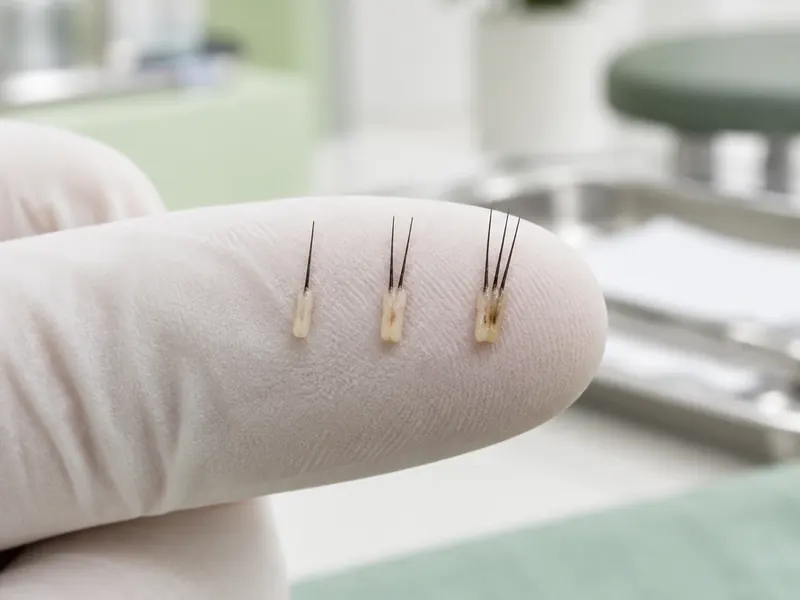
What are grafts in hair transplantation, and how are they handled?
What a hair graft is, which types exist, how grafts are extracted, kept and implanted, and why careful handling matters for the result of a hair transplant.
 Joint treatment
X-ray, MRI or ultrasound: which joint scans a doctor needs before treatment
Which joint scans a doctor needs before PRP or SVF: what X-ray, MRI and ultrasound each show, which suits your joint, and how to send your scans from abroad.
Medical disclaimer
This article is for general information only and is not medical advice. It does not replace a consultation with a doctor. Every procedure has contraindications and risks. Read more