


























 1
Consultation and scan review
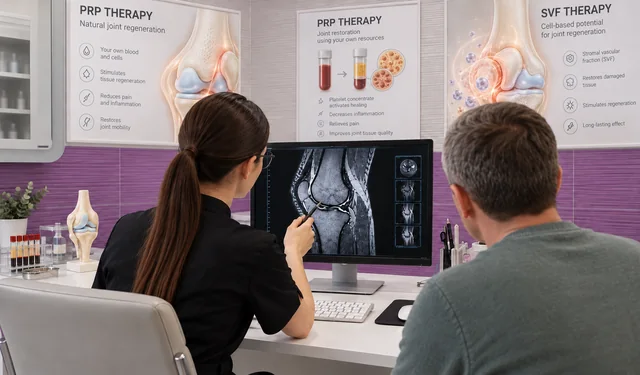
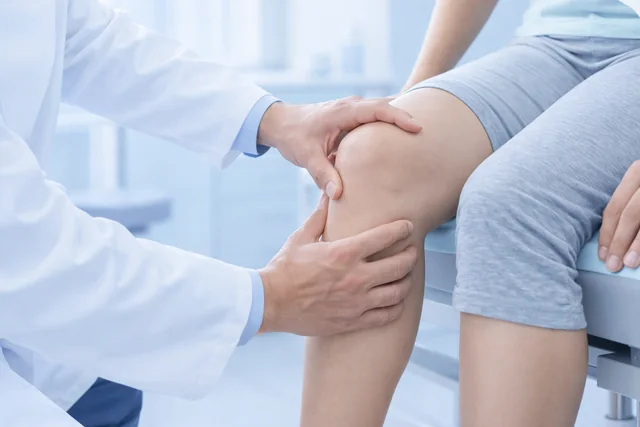
After examining the joint and reviewing your X-rays, MRI or ultrasound, the doctor decides whether the procedure is right for you. Scans you already have can be sent ahead of the visit.
Your case and test results are reviewed by a doctor before PRP and SVF cell therapy is offered as part of arthritis care for the knee, hand, shoulder and more
Consultation and review of your scansFree
Message us on WhatsAppFree online consultation · Reply within 15 minutes
Message our coordinator
Free online consultation · Reply within 15 minutes
Message us on TelegramMessage us on WhatsAppBy messaging us, you agree to our Privacy Policy
What it is
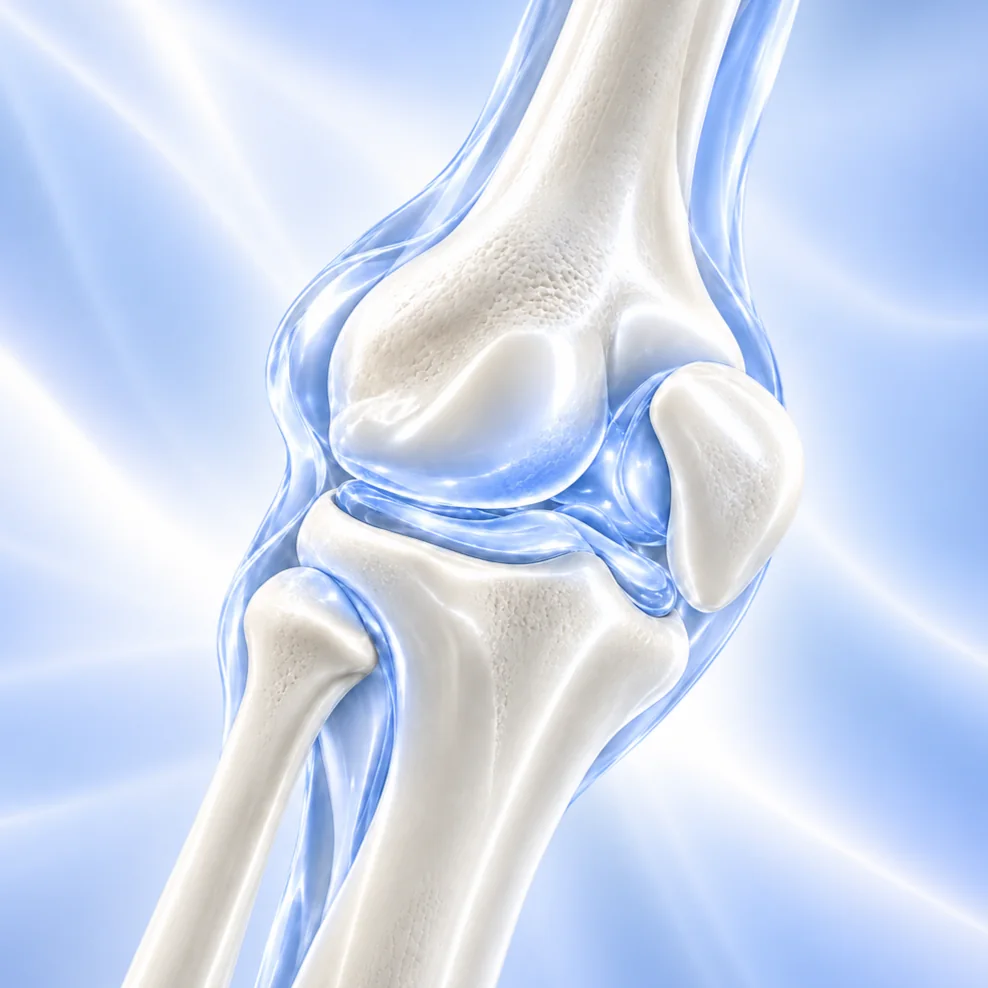
Put simply, arthritis is joint inflammation. The joint may hurt at rest and at night, feel stiff each morning for more than half an hour, swell, redden and feel warm. Causes include autoimmune diseases such as rheumatoid or psoriatic arthritis, as well as gout, infection or an old injury.
These injections — PRP and SVF — can reduce pain and inflammation and support tissue inside the joint, but a systemic disease stays under a rheumatologist's care. During an active infection of the joint or a severe flare the procedure is not done: the doctor first confirms the arthritis type and chooses when to act.
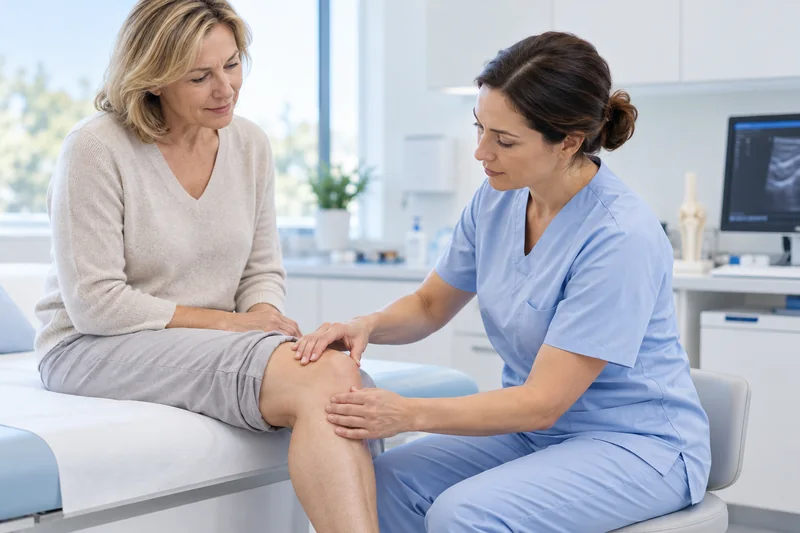
Suitability is decided by a doctor following an examination and a review of your scans

Not sure the treatment is right for you?
Leave your number — the coordinator will ask for your scans (X-ray, MRI or ultrasound), and the doctor will tell you whether treatment without surgery suits you.
Find out if it suits meWhat we treat
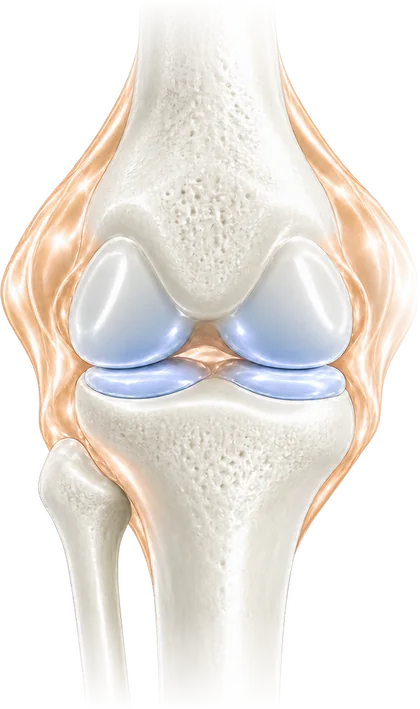 Arthritis
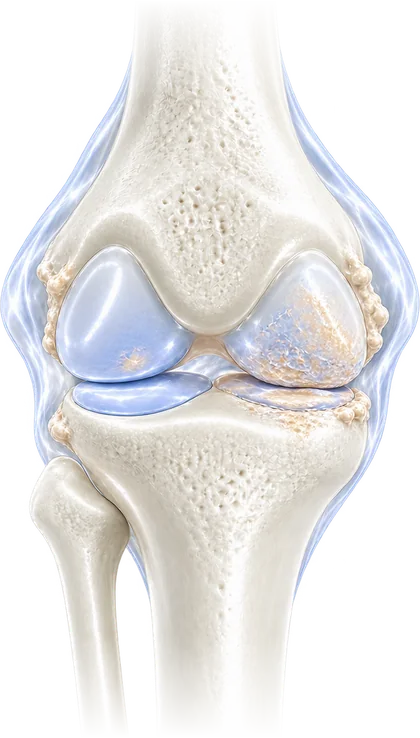 Arthrosis
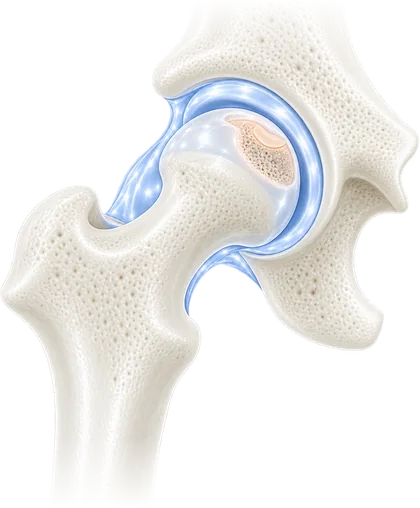 Avascular necrosis
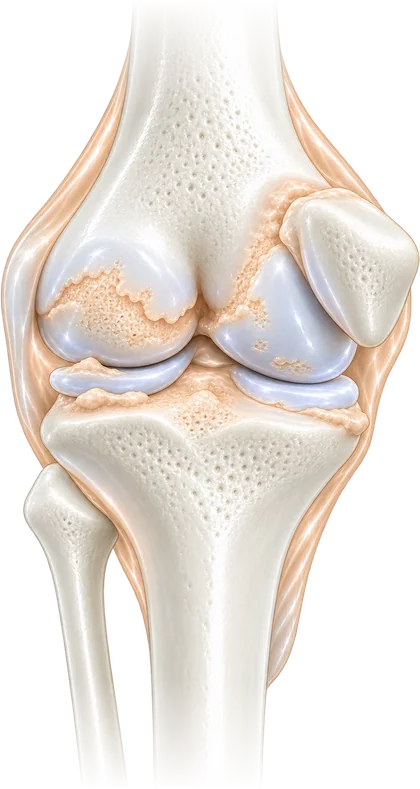 Osteoarthritis
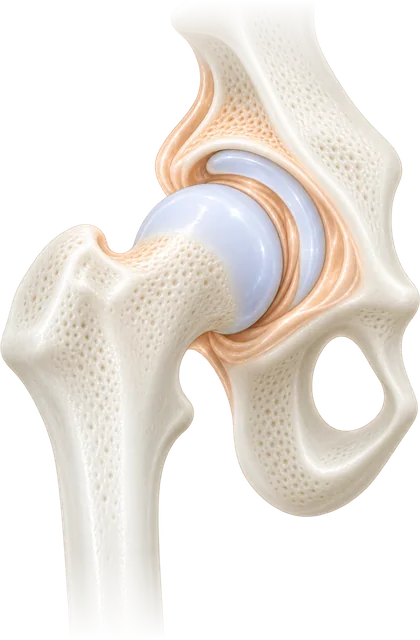 Coxarthrosis (hip osteoarthritis)
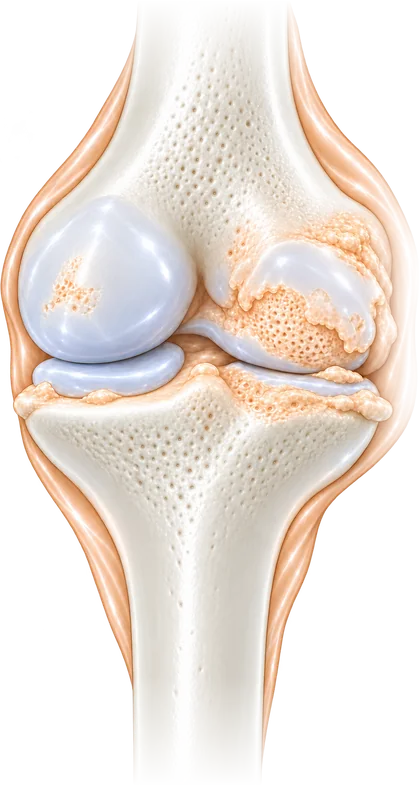 Gonarthrosis (knee osteoarthritis)
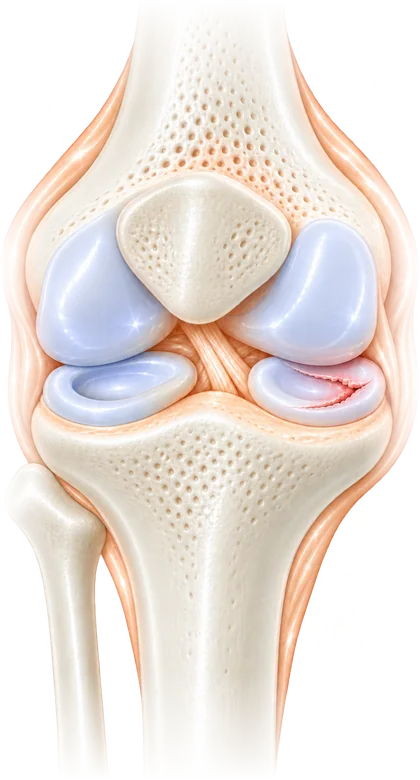 Meniscus pathology and injury
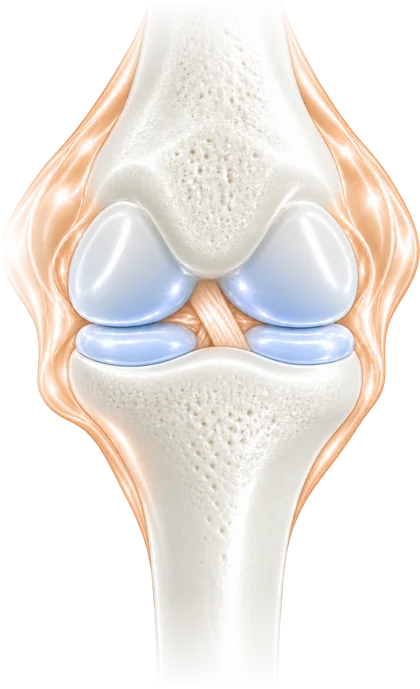 Rehabilitation after injuries and surgery
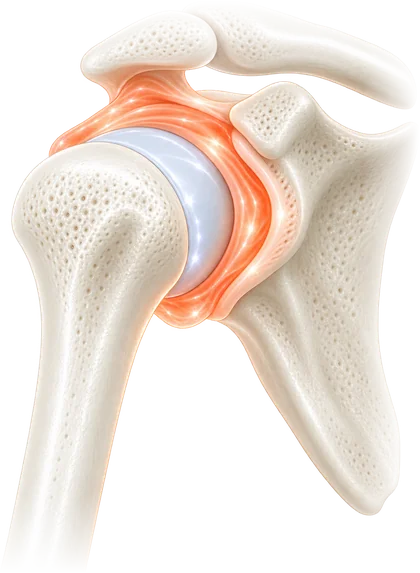 Inflammatory joint conditions
How it works
1After examining the joint and reviewing your X-rays, MRI or ultrasound, the doctor decides whether the procedure is right for you. Scans you already have can be sent ahead of the visit.
 2
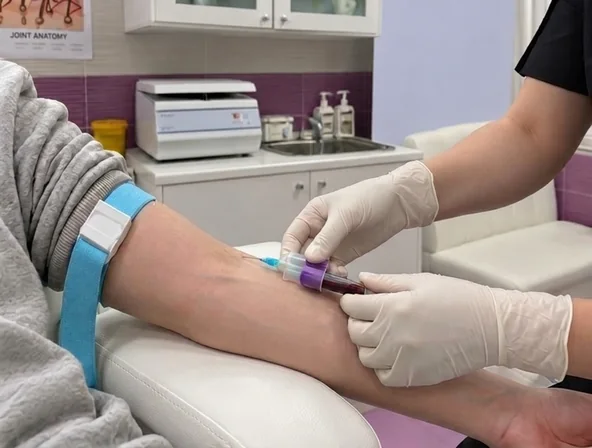
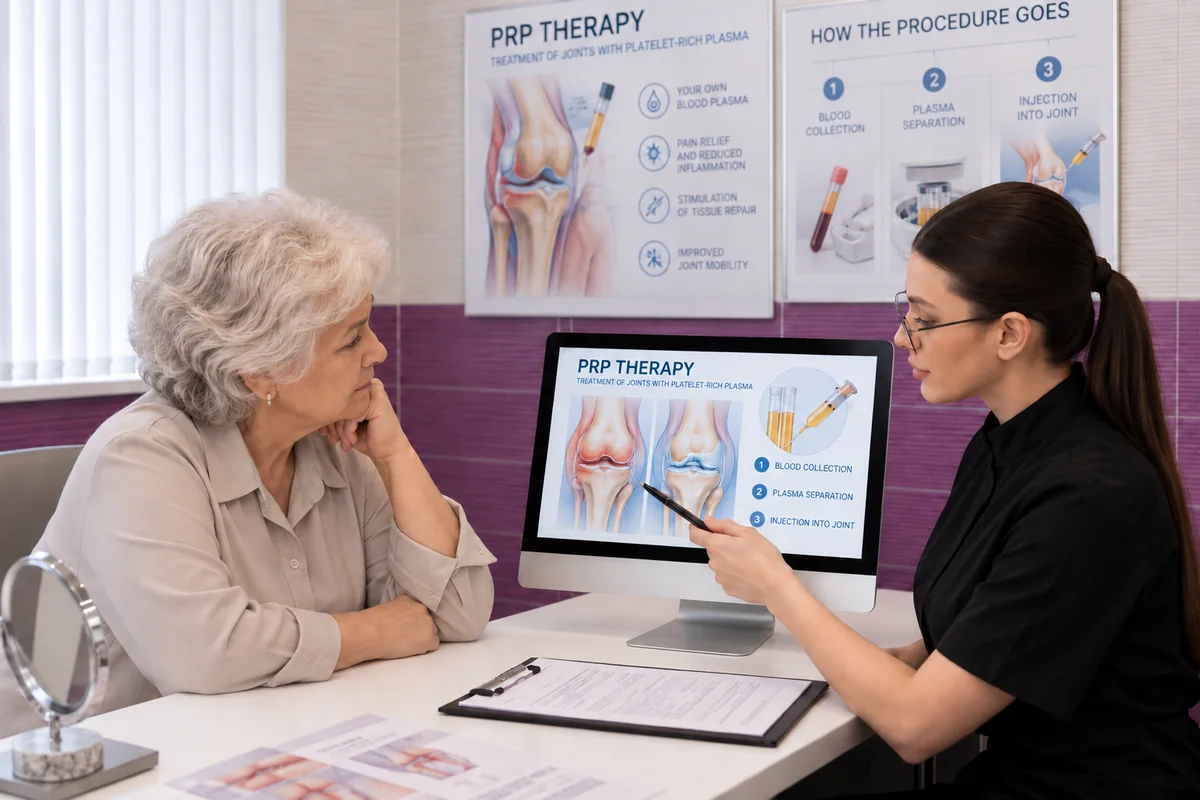
A little blood is drawn from a vein, and from it platelet-rich plasma containing growth factors is later prepared.
 3
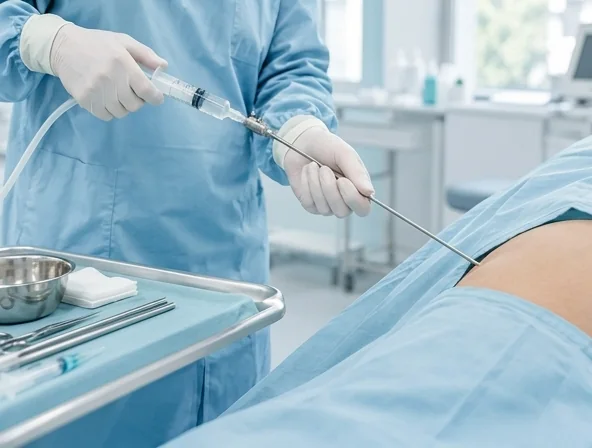
The doctor numbs the area with local anaesthetic and takes about 30 ml of adipose tissue through a puncture on the abdomen or inner thigh; stitches are not needed.
 4
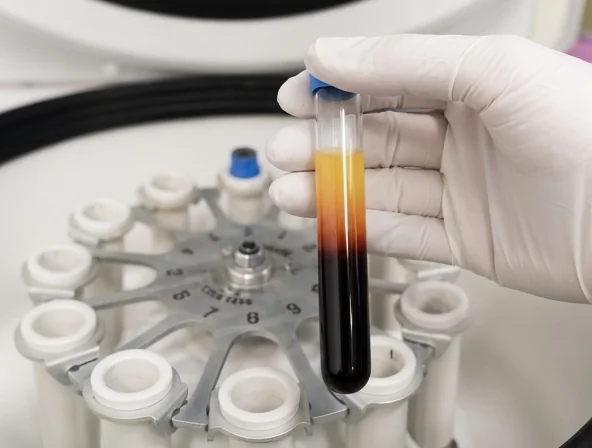
Once the centrifuge has spun the sample into layers, the stromal vascular fraction is isolated and added to the platelet-rich plasma.
 5
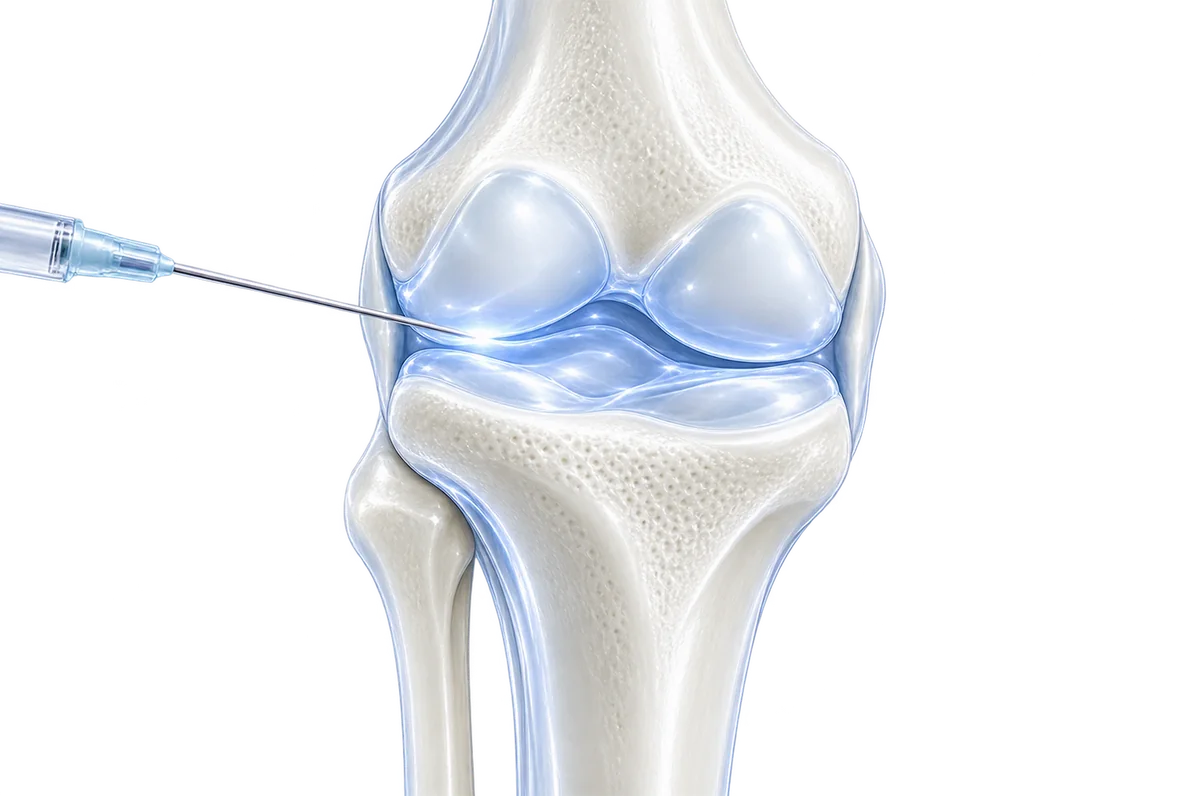
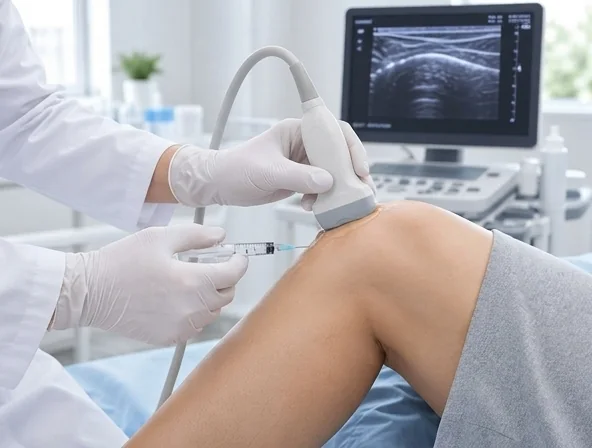
Guided by ultrasound for accurate placement, the doctor injects the prepared material directly into the affected joint.
 6
After the procedure there is no hospital stay and no need for crutches; the doctor stays in touch and follows the joint's progress.
Call or message us — our coordinator will contact you shortly and book your consultation

Results

The joint may ache a little more — this is an expected reaction.

The pain usually eases.
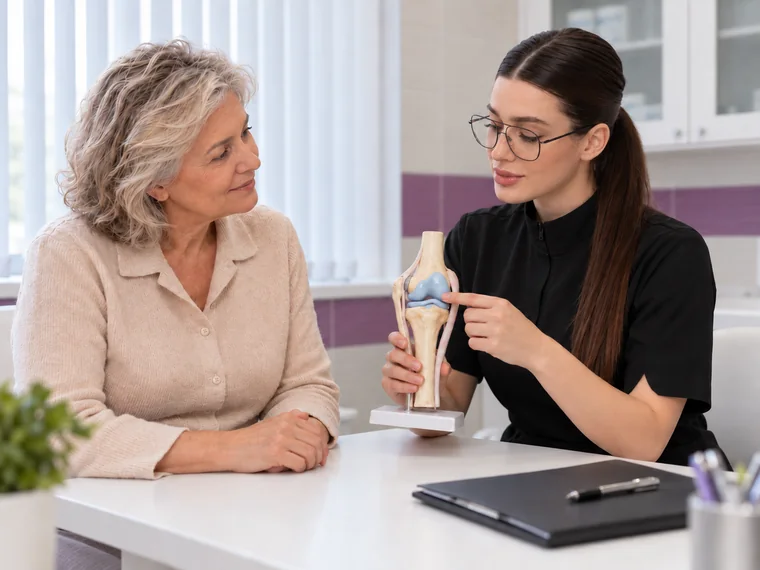
Mobility and activity improve.

The full effect develops.
How long it lasts differs from person to person and depends on the stage of the condition, body weight, activity and other factors — no one can promise a fixed result.
Comparison
No donor material and nothing synthetic: just your own blood and adipose tissue
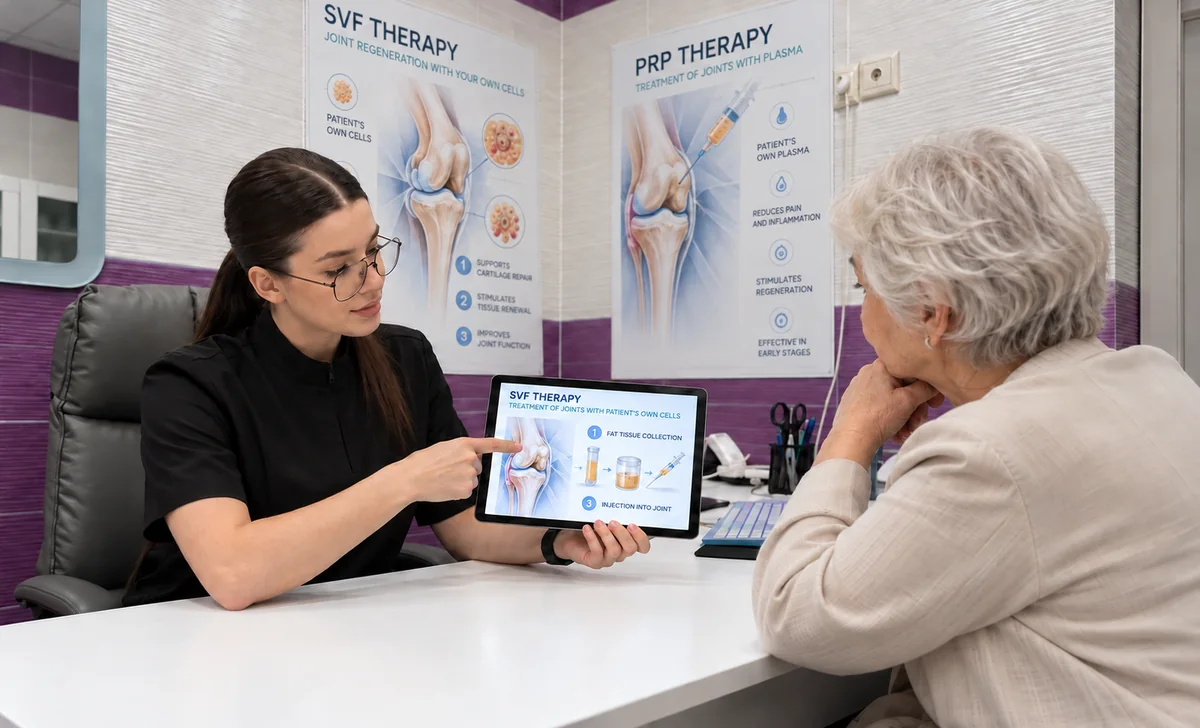
We take a small sample of your adipose tissue and process it to isolate the stromal vascular fraction (SVF), a mix of cells that take part in tissue repair. It is then combined with your own plasma and injected into the affected joint.
Its effect on local inflammation and tissue repair is why it is used in inflammatory arthritis, after the acute flare has settled.
A small amount of your blood is used to separate plasma rich in platelets and growth factors, which is then injected into the joint. It helps settle inflammation and gives tissue repair better conditions.
It may form one part of the overall treatment plan in rheumatoid and other types of inflammatory arthritis.
The benefits and timings shown are averaged and given for guidance: the plan and recovery depend on your joint and individual features, and the doctor confirms them at the consultation.
At the consultation the doctor will review your scans and suggest a treatment plan
Free consultation
Joints
Large and small joints — the doctor chooses the joint, the method and the number of injections after reviewing your scans
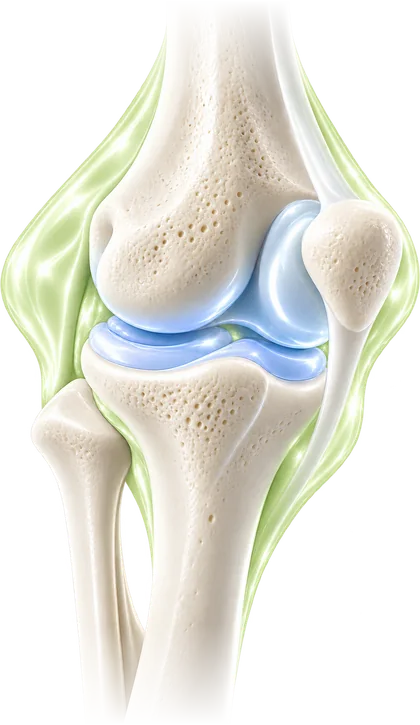 KneeCartilage that has worn, meniscus trouble, pain after walks and on stairs
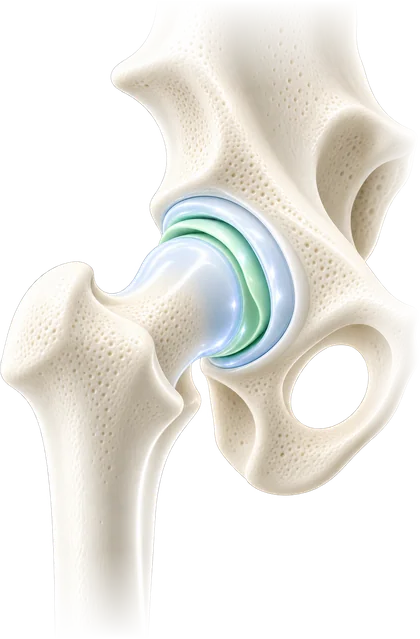 HipEarly hip osteoarthritis, groin pain, limited rotation
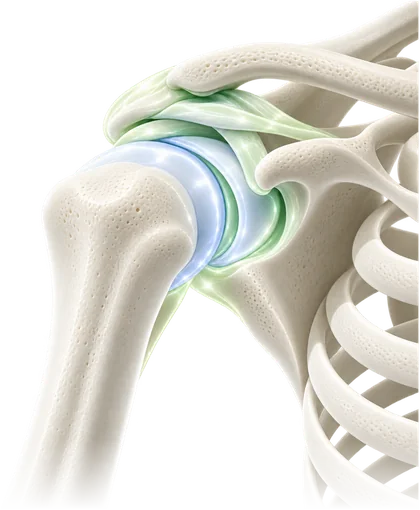 ShoulderPain on lifting the arm and wear of the joint and nearby tendons
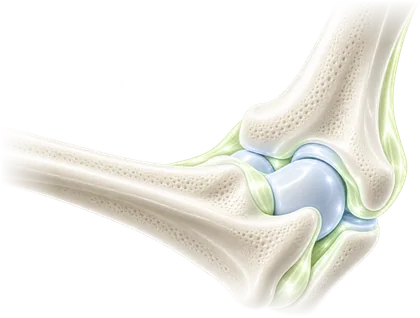 ElbowPain after strain in sport or overuse, and worn surfaces inside the joint
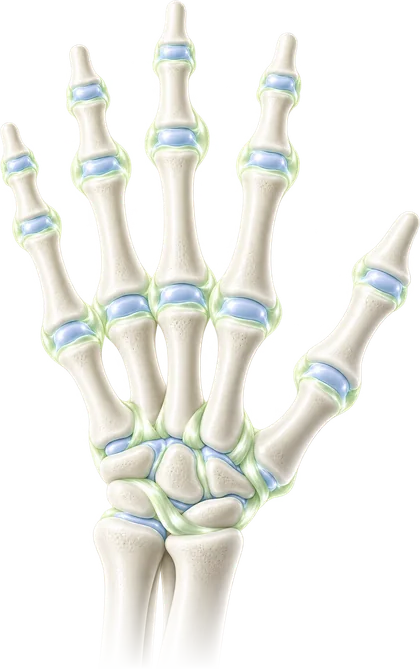 Hand and wrist jointsStiffness with pain in the small joints of the fingers and the wrist
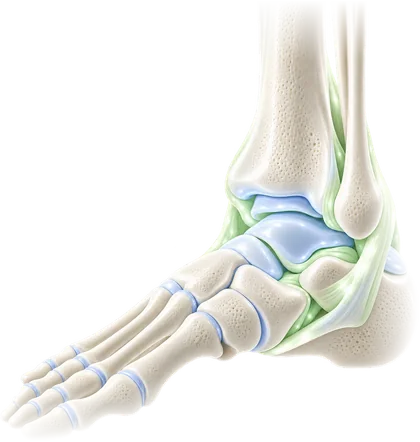 AnklePain and stiffness after sprains and old injuries
Advantages
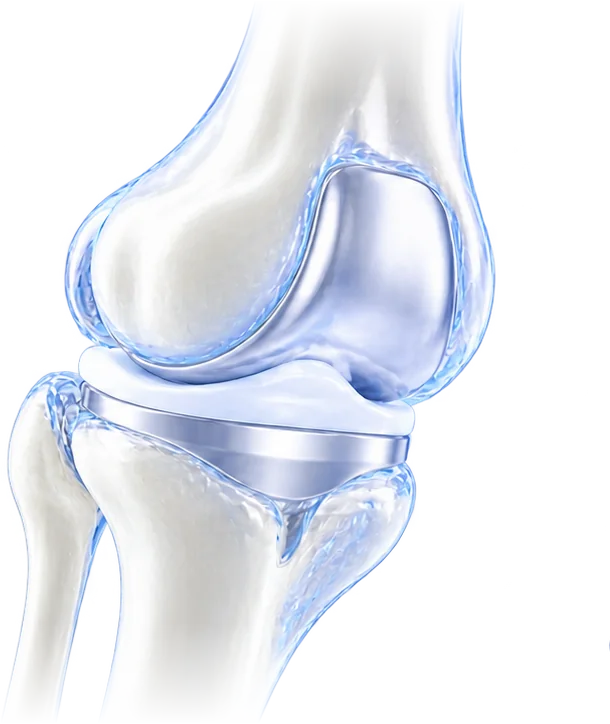
We aim to preserve your own joint instead of replacing it — treatment without surgery
No donor material and nothing synthetic: just your own blood and adipose tissue
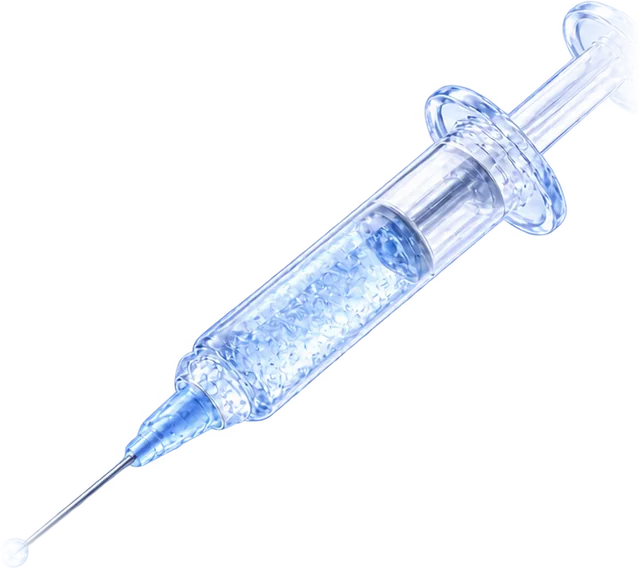
Instead of incisions we use punctures, with local anaesthetic and no long rehabilitation
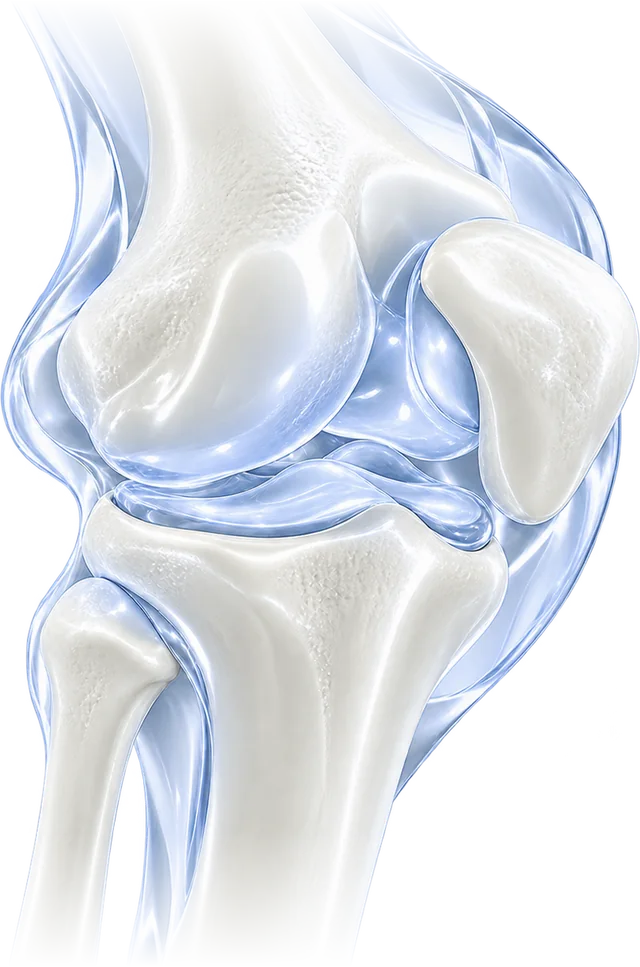
A doctor independently assesses the X-rays, MRI or reports you send — free of charge
We stay in touch after the procedure and follow the result, not just the day of the injection
About the clinic
Modern equipment, comfortable rooms and care for every patient

We will answer your questions and find a convenient time for a consultation
By messaging us, you agree to our Privacy Policy
Request a free callPrice
After the consultation the doctor names the cost, which depends on the joint, the arthritis type and the method
Free
Book — Consultation and review of your scansPrice at consultation
Book — PRP therapy (platelet-rich plasma)Price at consultation
Book — Cell therapy (SVF + PRP), one jointFAQ
Rheumatoid arthritis is a systemic disease that is treated by a rheumatologist. PRP and SVF injections do not cure it; once an acute flare has settled, the doctor can assess whether joint injections may ease local symptoms.
Arthritis inflames the joints. Classic signs: pain when resting and at night, over 30 minutes of stiffness in the morning, swelling, and a red, warm joint. Infections, gout, psoriasis and autoimmune conditions such as rheumatoid arthritis are among its causes.
PRP is sometimes used in rheumatoid arthritis and other inflammatory arthritis to help reduce pain, swelling and local inflammation, since the growth factors released by platelets influence tissue repair and the immune response. It complements your rheumatologist's treatment rather than replacing it.
Psoriatic arthritis is a chronic disease that cannot currently be cured completely. The aim is long remission: controlling inflammation and preventing joint deformity. Regenerative injections can be one part of that plan.
SVF contains cells that can adjust the local immune response and help repair damaged tissue in the joint. Research here is still ongoing, so the doctor will talk through realistic expectations for your type of arthritis.
The doctor postpones the procedure or suggests another option in cases of active joint infection, a severe flare, pregnancy, cancer or blood clotting disorders, as it is not done then.
The difference: knee arthritis is inflammation from an autoimmune reaction, infection or gout (redness, warmth, marked swelling, tenderness to touch), while osteoarthritis is wear of the cartilage, usually with a dry crunch and aching pain on movement.
Inflammation stimulates the joint's pain receptors non-stop: on movement, at rest, at night. Reducing the inflammation with treatment such as PRP and SVF can ease this pain.
No. Pregnancy rules out joint injections, including PRP and SVF, and arthritis treatment in pregnancy is decided only jointly with a rheumatologist and an obstetrician.
Yes. Send us the results of your X-rays, MRI, ultrasound or blood tests: a doctor reviews them free of charge and tells you if regenerative treatment could suit your type of arthritis.
Without treatment the condition can leave the joint permanently deformed, cause loss of function and osteoporosis, and damage internal organs like the heart, lungs and kidneys; timely treatment prevents these complications.
About the conditions
It is gradual wear of the cartilage that covers the ends of the bones in a joint. When the cartilage thins, the joint loses its cushioning, the bones rub against each other, and pain, stiffness and crunching appear. It is a degenerative condition, not an inflammatory one.
At early stages, PRP or SVF injections combined with exercise therapy and physiotherapy can reduce pain and improve movement. If the joint is already badly damaged, replacement may be the more realistic option — the doctor will tell you honestly after seeing your scans.
At early stages (1–2), SVF therapy may be considered to support blood supply to the femoral head and delay the need for joint replacement. At later stages surgery is usually required.
Without treatment, rheumatoid arthritis can lead to permanent joint deformity, loss of function and damage to internal organs. Timely treatment matters for every patient in Winnipeg.
No crutches and no hospital stay are needed. The puncture sites are small and covered with dressings, and the doctor stays in touch with patients in Winnipeg after the procedure.
Patients from Winnipeg can start with a free review of their tests and scans: the doctor tells you whether regenerative treatment could suit your type of arthritis and what it would cost.
How we prepare and review medical content · Medical disclaimer
Page last updated: