






















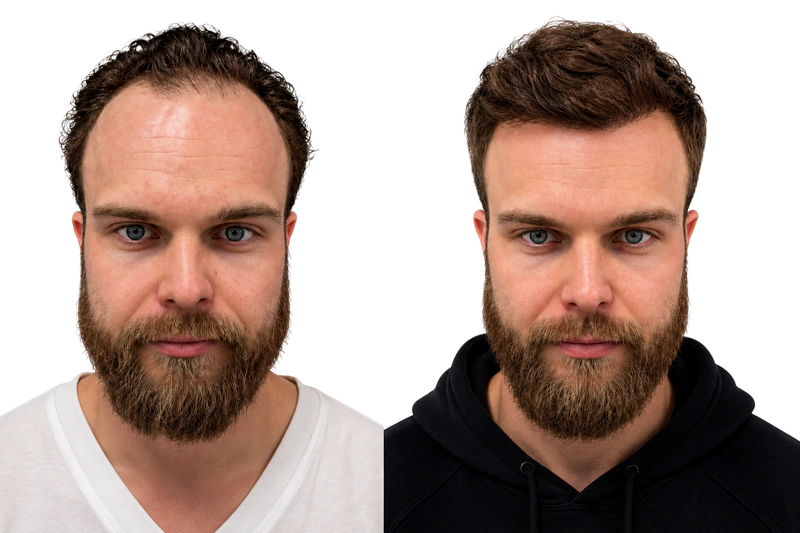

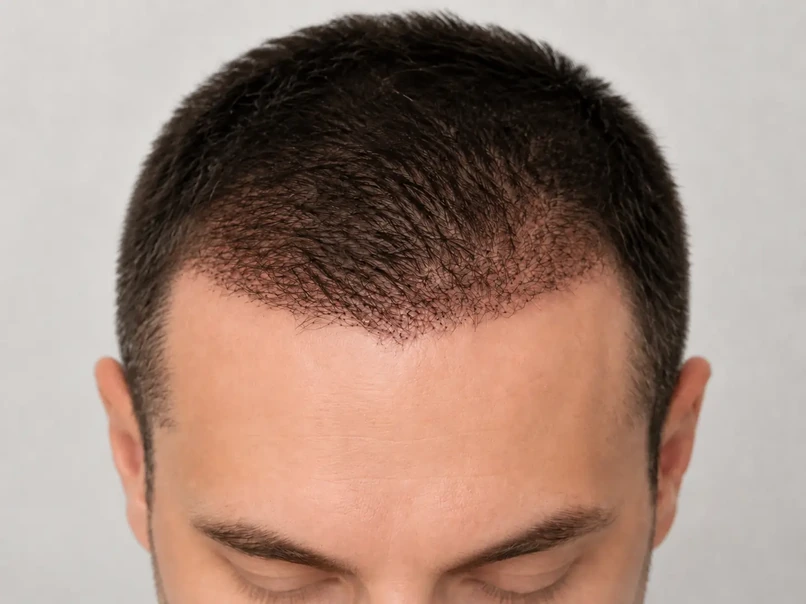
Pre-op
after 12 months
2,800 grafts
FUE-based
City Medical Centre
FUE · DHI
from $2,200
Quote and consultation — $0.
True case
Pre-op
after 12 months
FUE means no cuts or stitches. Your graft number and likely outcome are worked out at no charge — ahead of deciding.
Free online consultation, answer within 15 minutes
Without charge, you do not have to book surgery
Message our coordinator
Free online consultation, answer within 15 minutes
Message us on TelegramMessage us on WhatsAppBy messaging us, you agree to our Privacy Policy
For people in Lusaka, City Medical Centre quotes a hair transplant from ZMW 43,500 (from $2,200). Online consultation costs nothing at the first stage; the doctor gives the final price, which then goes into the contract.
The process · Transplant price list
Information current as of 5 November 2026
If you would rather be treated closer to home: we have no confirmed partner clinic in Zambia yet, and our nearest confirmed partner is Norvik Hospital in Kampala, Uganda. It accepts patients from Zambia; it performs FUE and FUT, not DHI.
Sources: the service list Norvik Hospital sent us (October 2026), our call with the hospital (November 2026), norvikhospital.ug. Updated 15 November 2026.
Not yet. The nearest confirmed partner is Norvik Hospital in Kampala, Uganda, and it accepts patients from Zambia.
A visiting surgeon, in scheduled sessions, using FUE or FUT. Your coordinator confirms the date of the next session before you book travel.
Send photos of the treatment area on WhatsApp or Telegram. A City Medical Centre coordinator reviews them and passes your request to the clinic, which then contacts you directly. The consultation and clinic matching are free.
We have no partner clinic in Zambia. The nearest one for hair transplants is in Kampala, Uganda, about 1800 km from Lusaka in a straight line, so you would travel by air.
No, we have no partner in Zambia. The nearest partner clinic is in Kampala, Uganda, about 1800 km away, and you would fly.
The clinic there uses FUE and FUT, but not DHI. The doctor suggests a method after looking at your photos.
No. The photo assessment and price are free, and nothing is booked until you have confirmed the plan and dates.
A visiting surgeon operates in scheduled sessions. The coordinator tells you the date of the nearest session before any booking.
Yes, the coordinator and the clinic both work in English.
results
Cases shown are all real CMC patients.
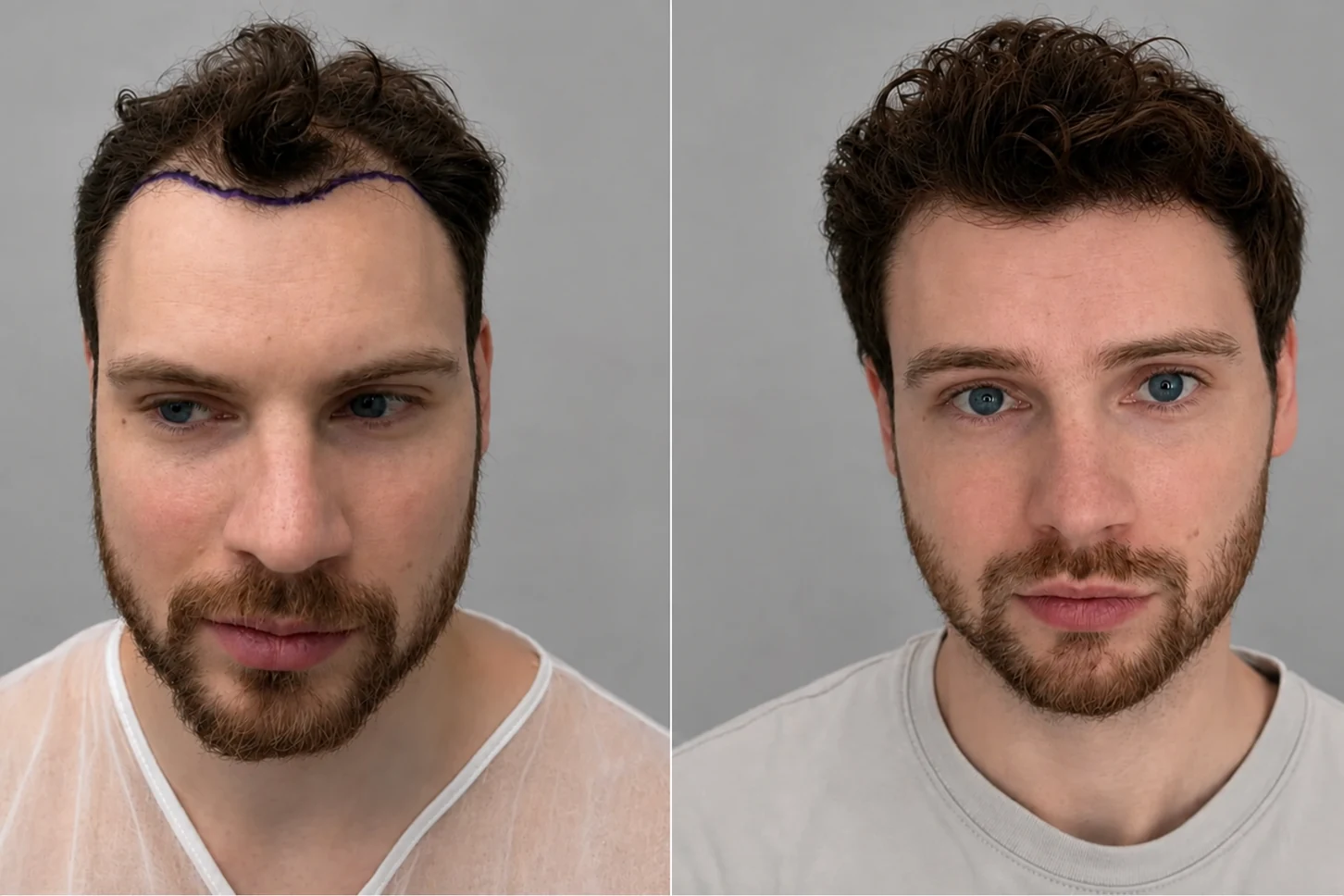
Pre-op
after 12 months
2,800 grafts
FUE-based
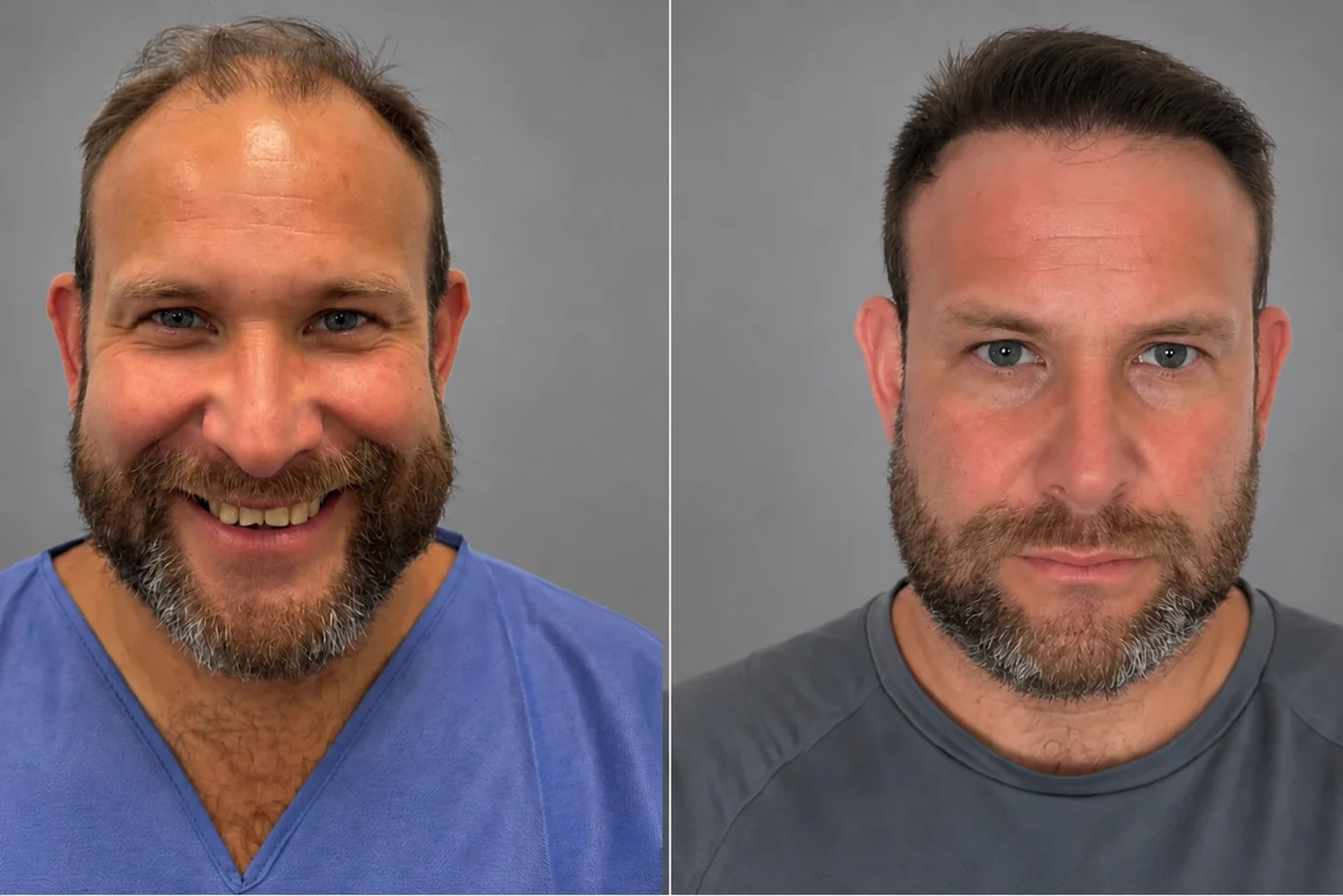
Pre-op
after 12 months
3,500 grafts
FUE-based
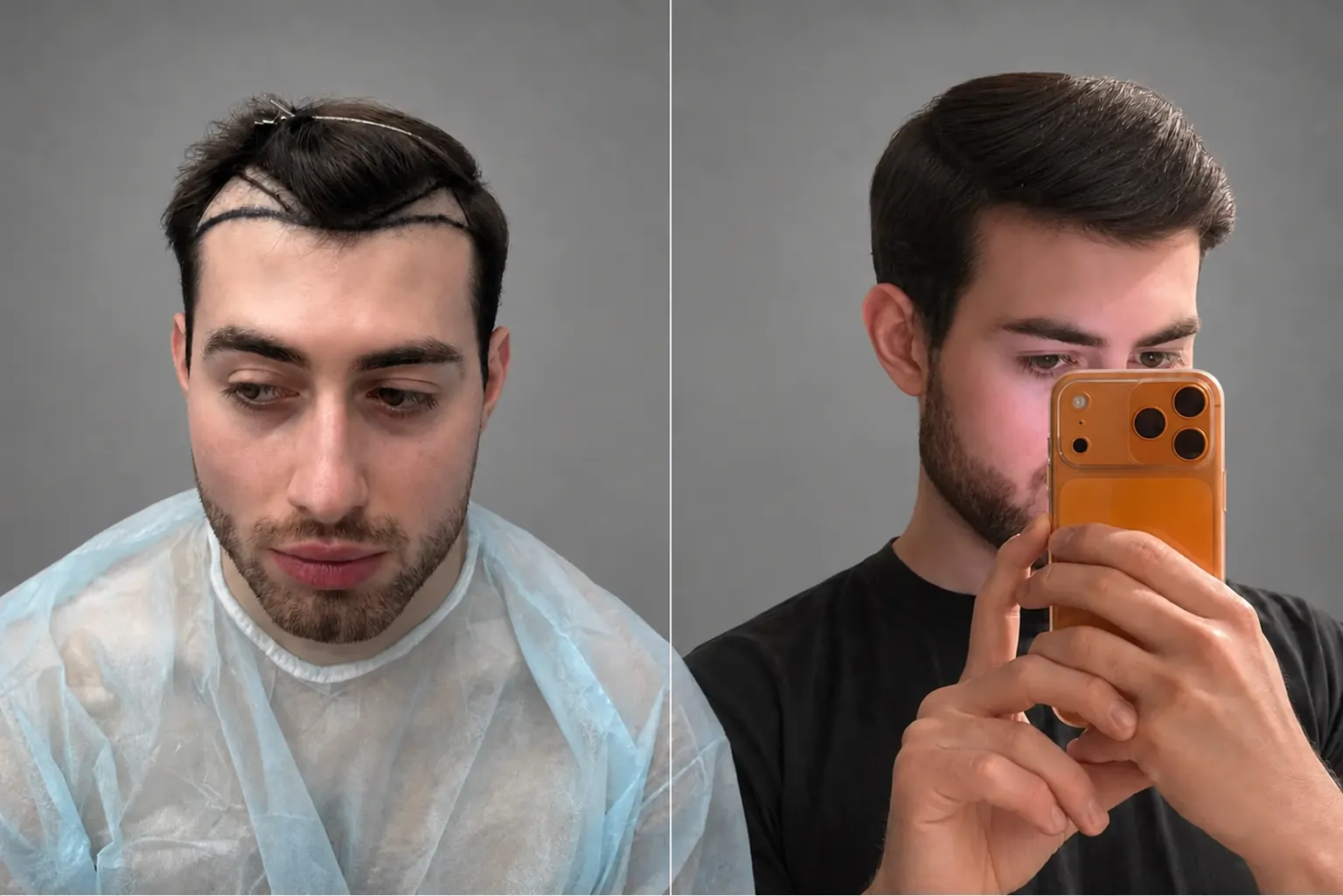
Pre-op
after 12 months
2,600 grafts
FUE-based
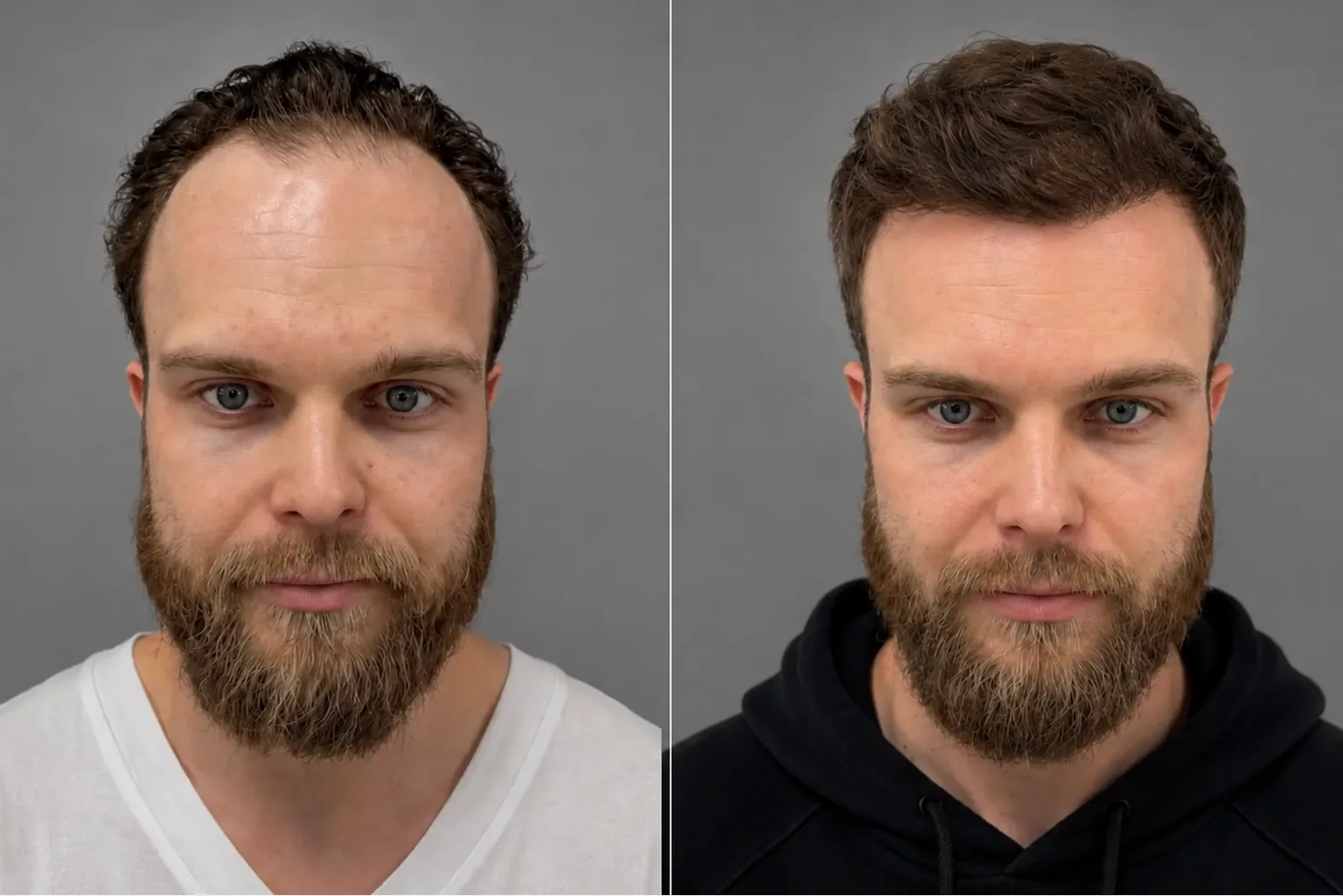
Pre-op
after 12 months
3,000 grafts
FUE-based
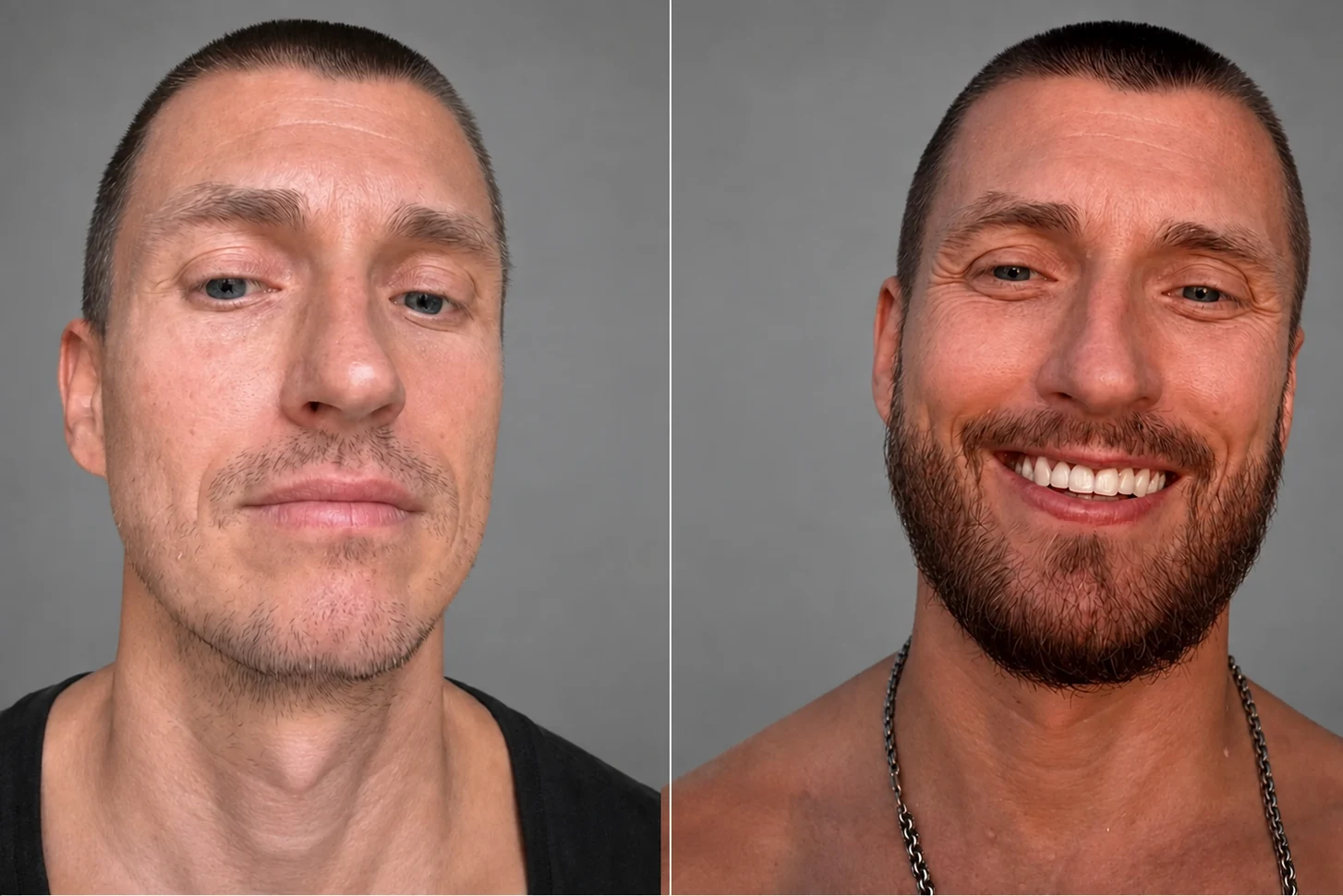
Pre-op
after 12 months
2,700 grafts
FUE-based
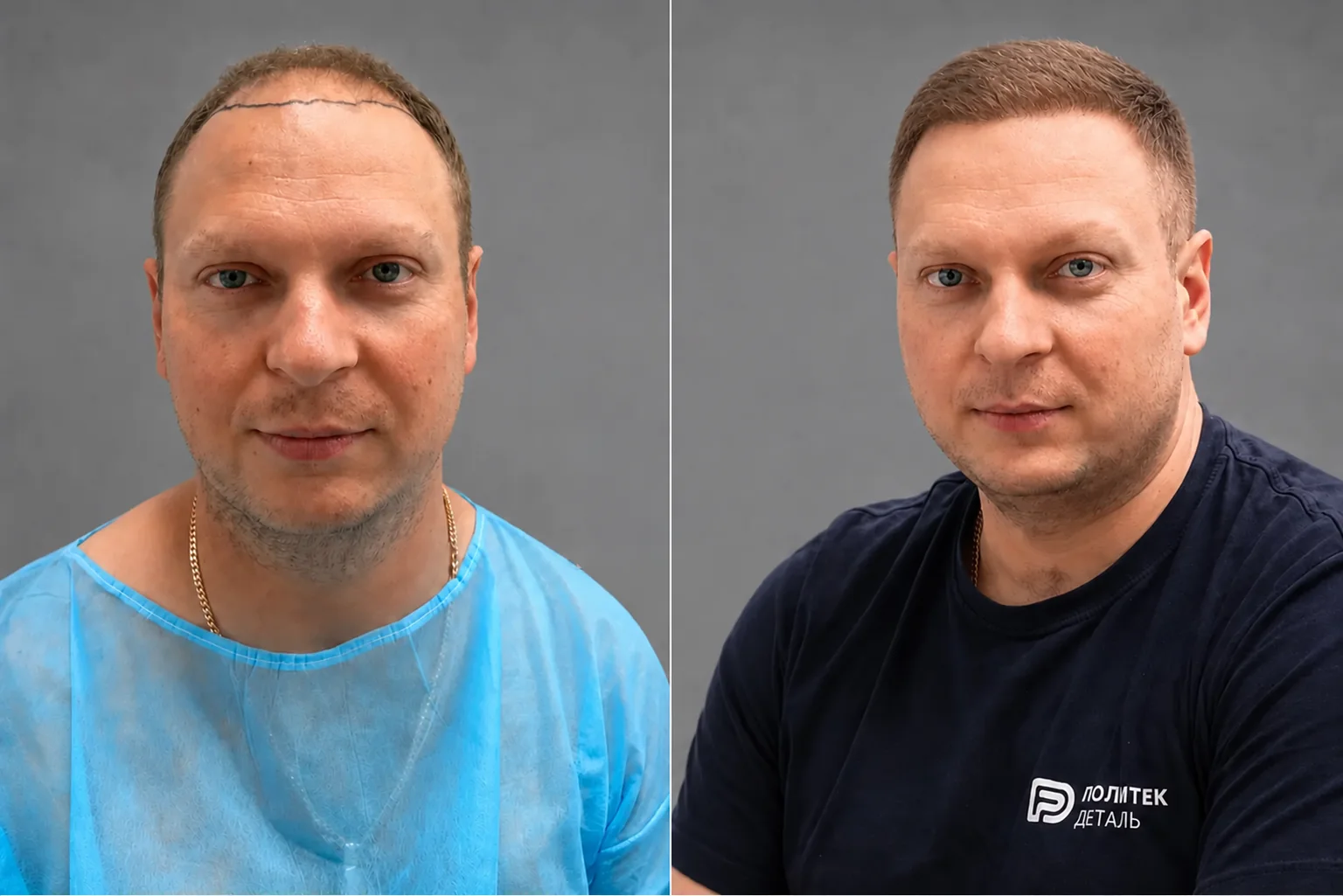
Pre-op
after 12 months
3,300 grafts
FUE-based
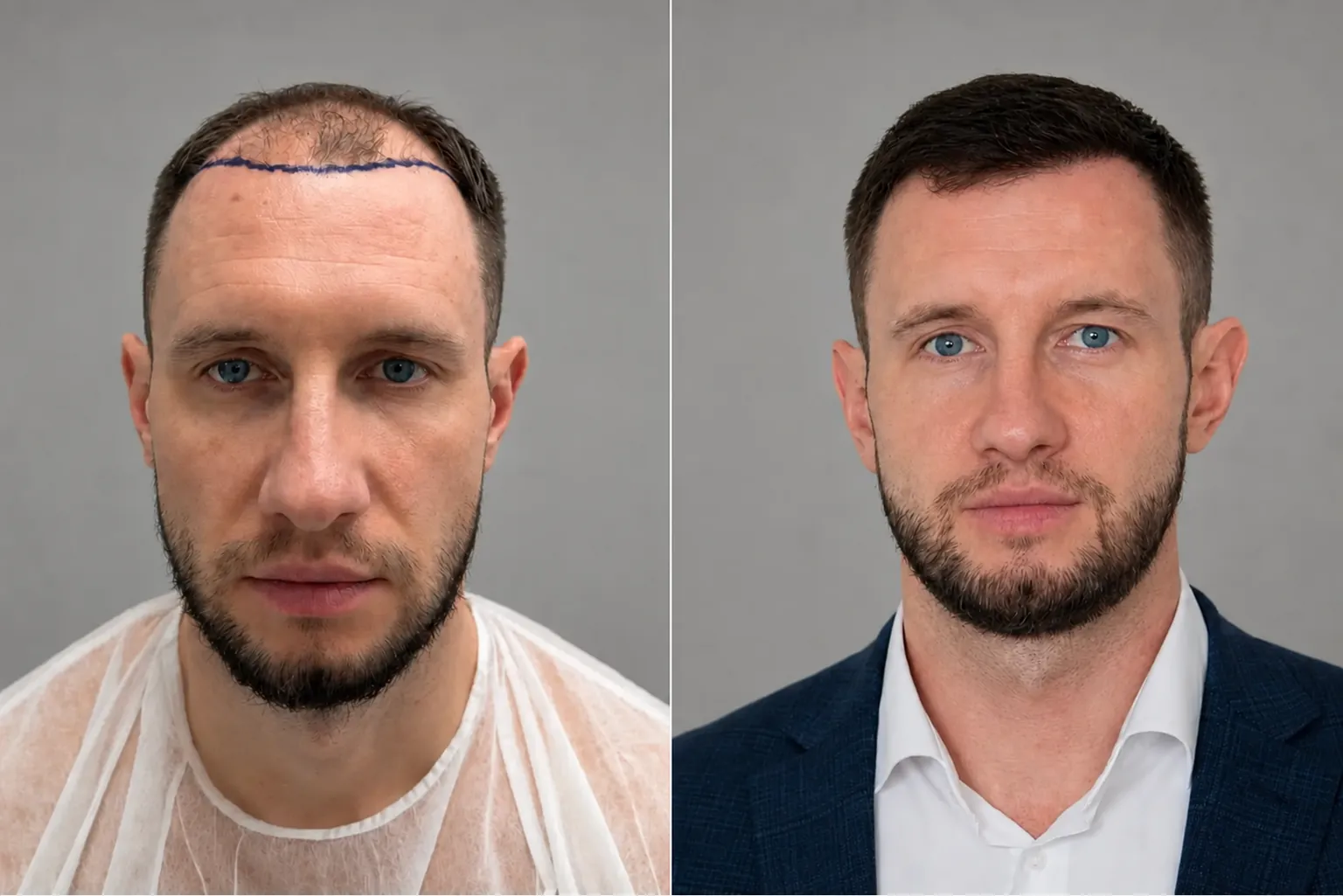
Pre-op
after 12 months
2,900 grafts
FUE-based
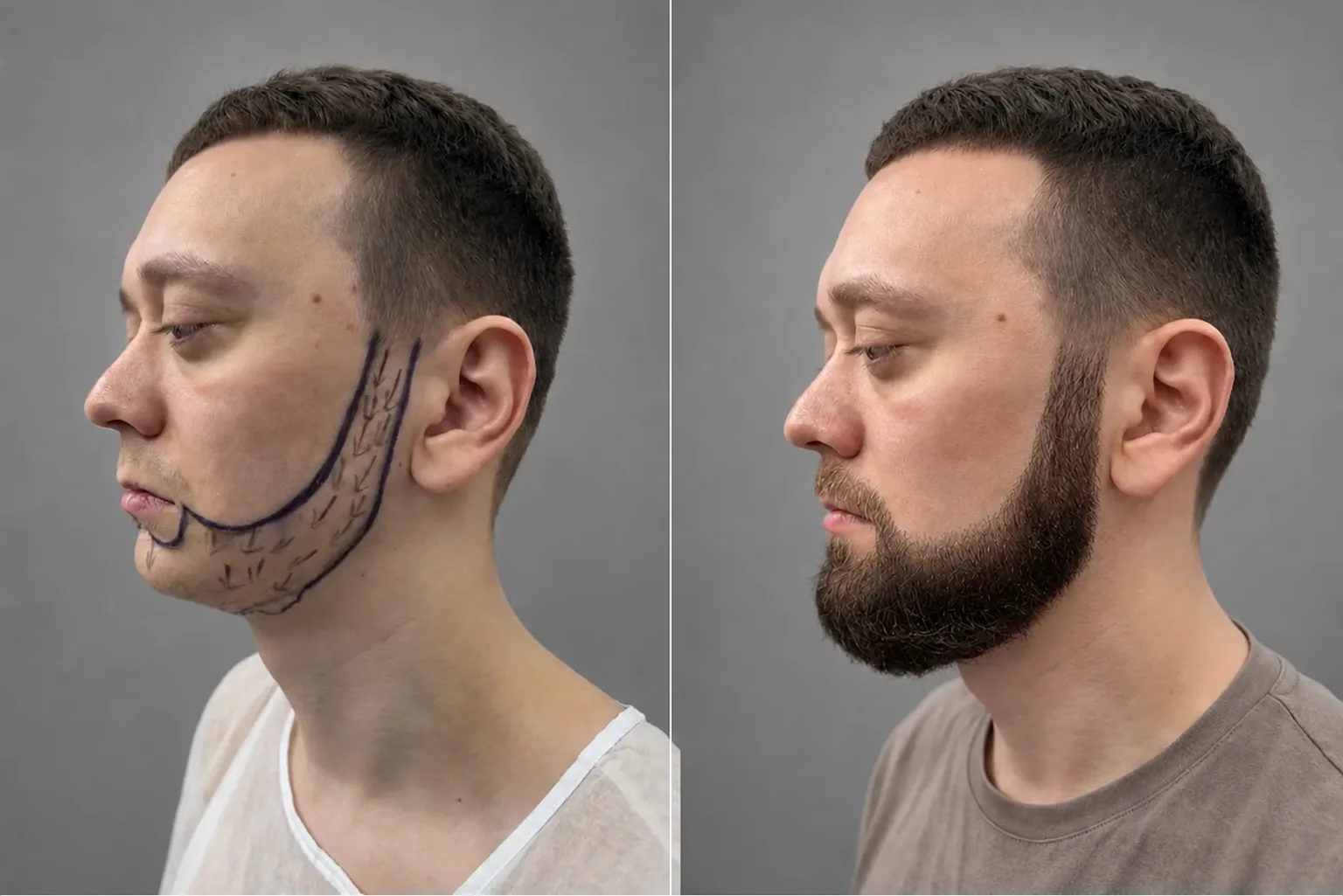
Pre-op
after 12 months
2,500 grafts
FUE-based
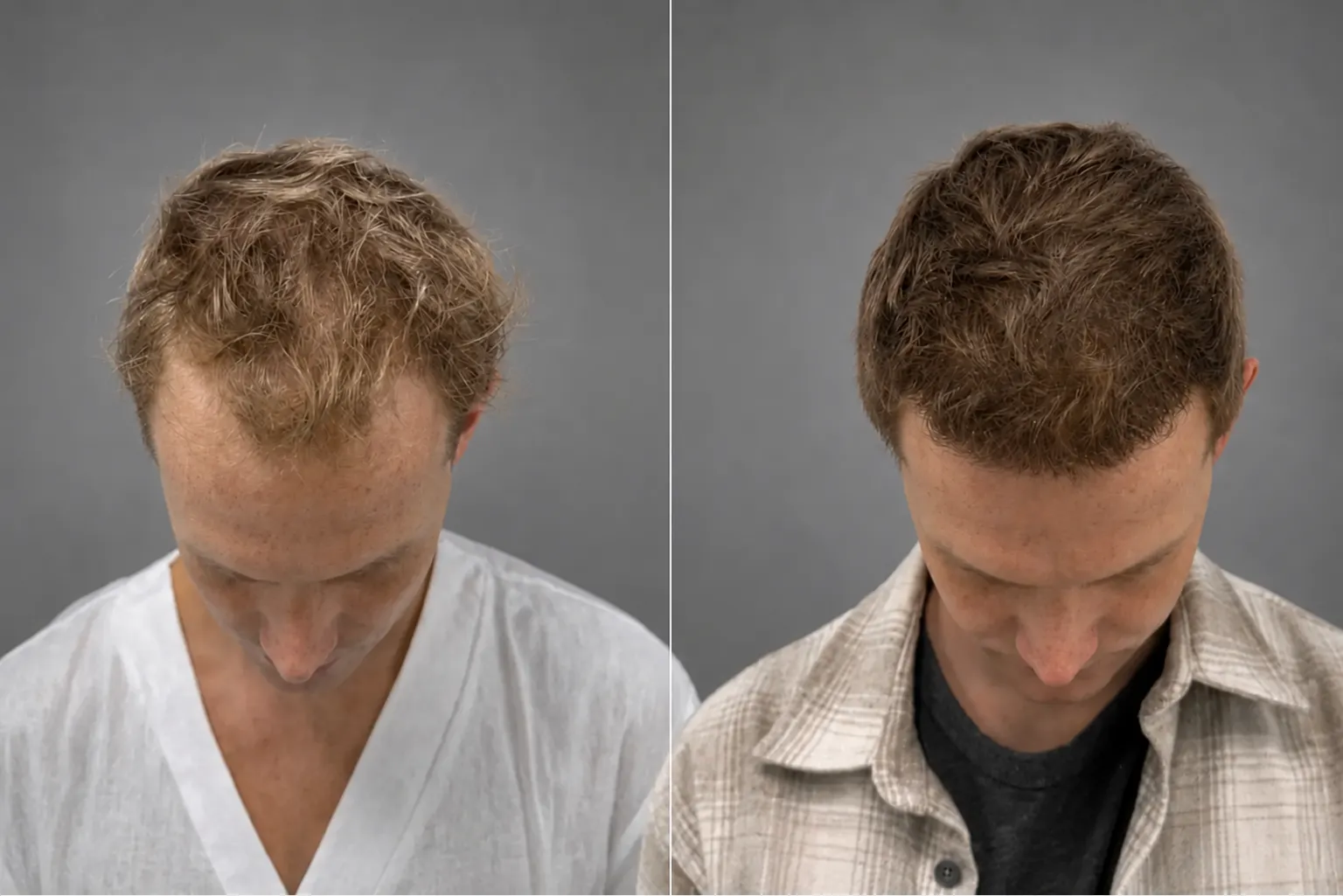
Pre-op
after 12 months
3,400 grafts
FUE-based
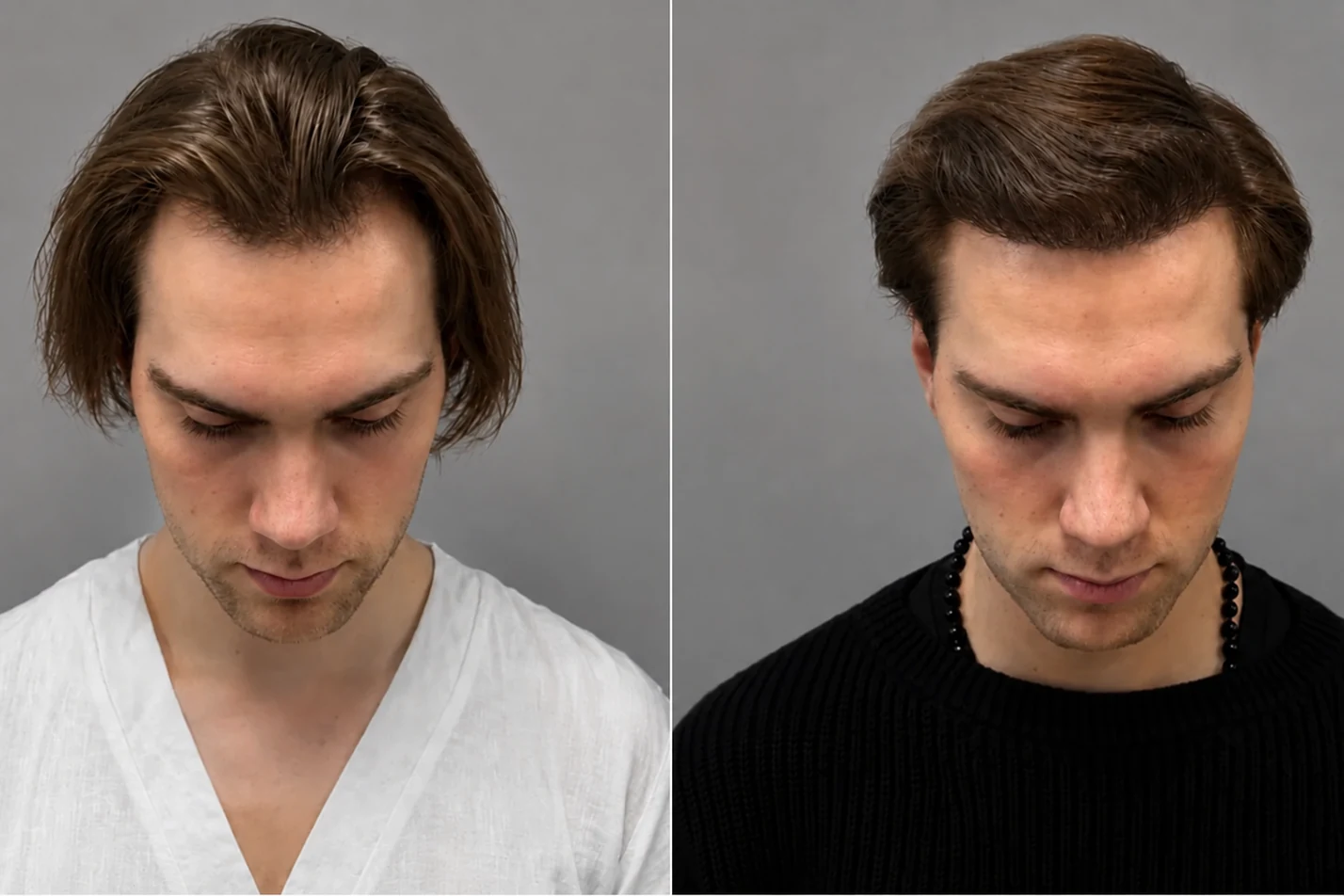
Pre-op
after 12 months
2,500 grafts
FUE-based
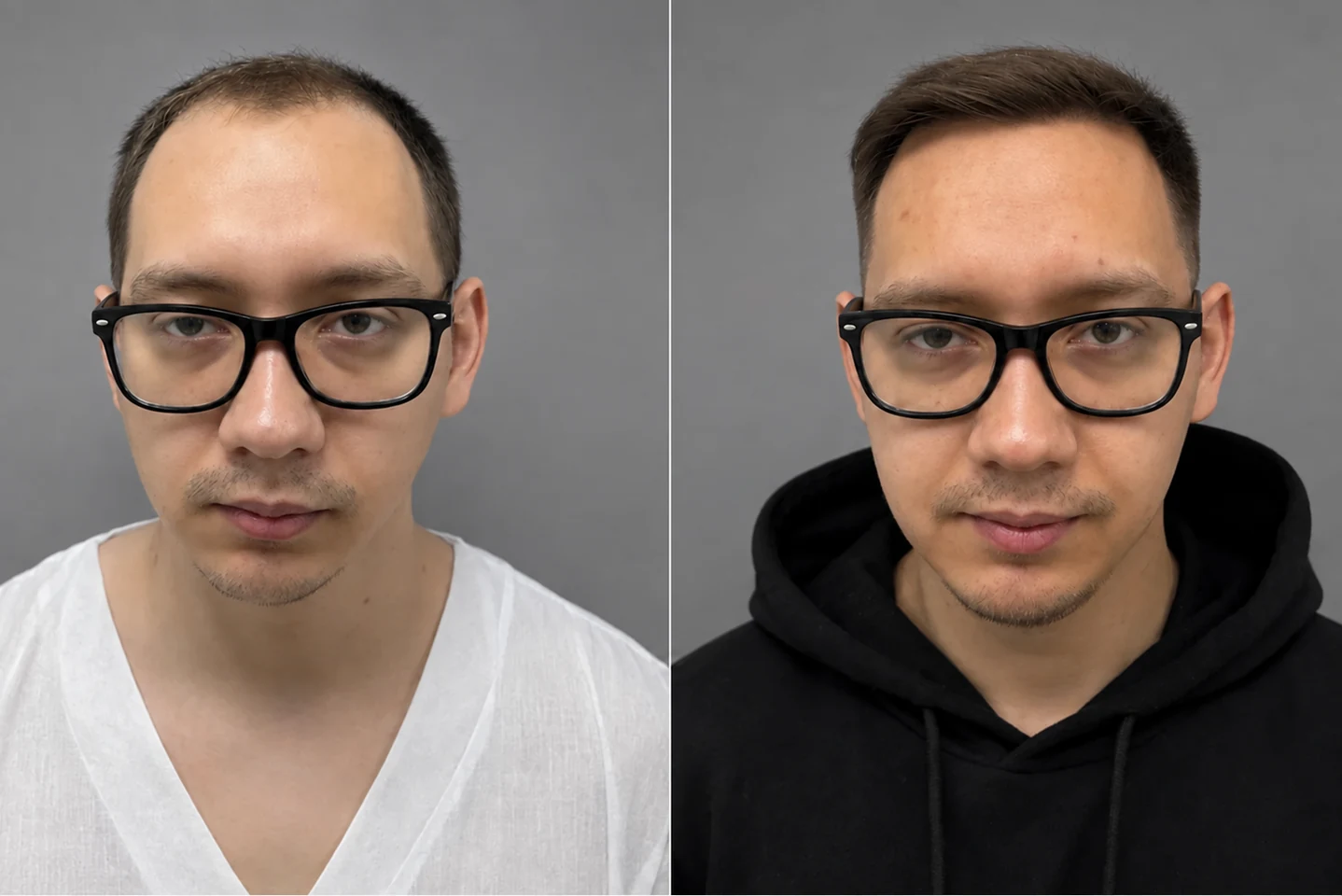
Pre-op
after 12 months
3,100 grafts
FUE-based
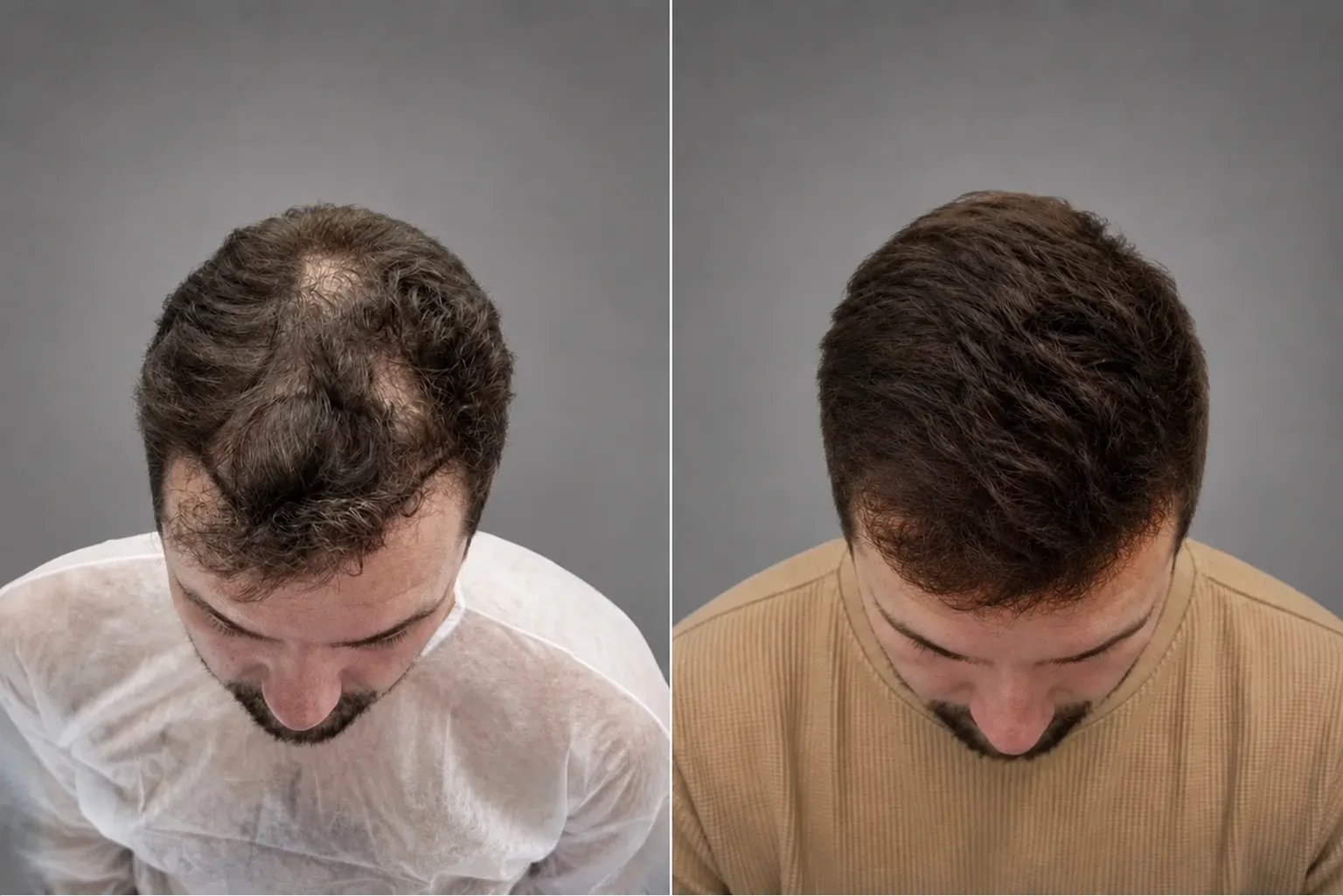
Pre-op
after 12 months
3,600 grafts
FUE-based
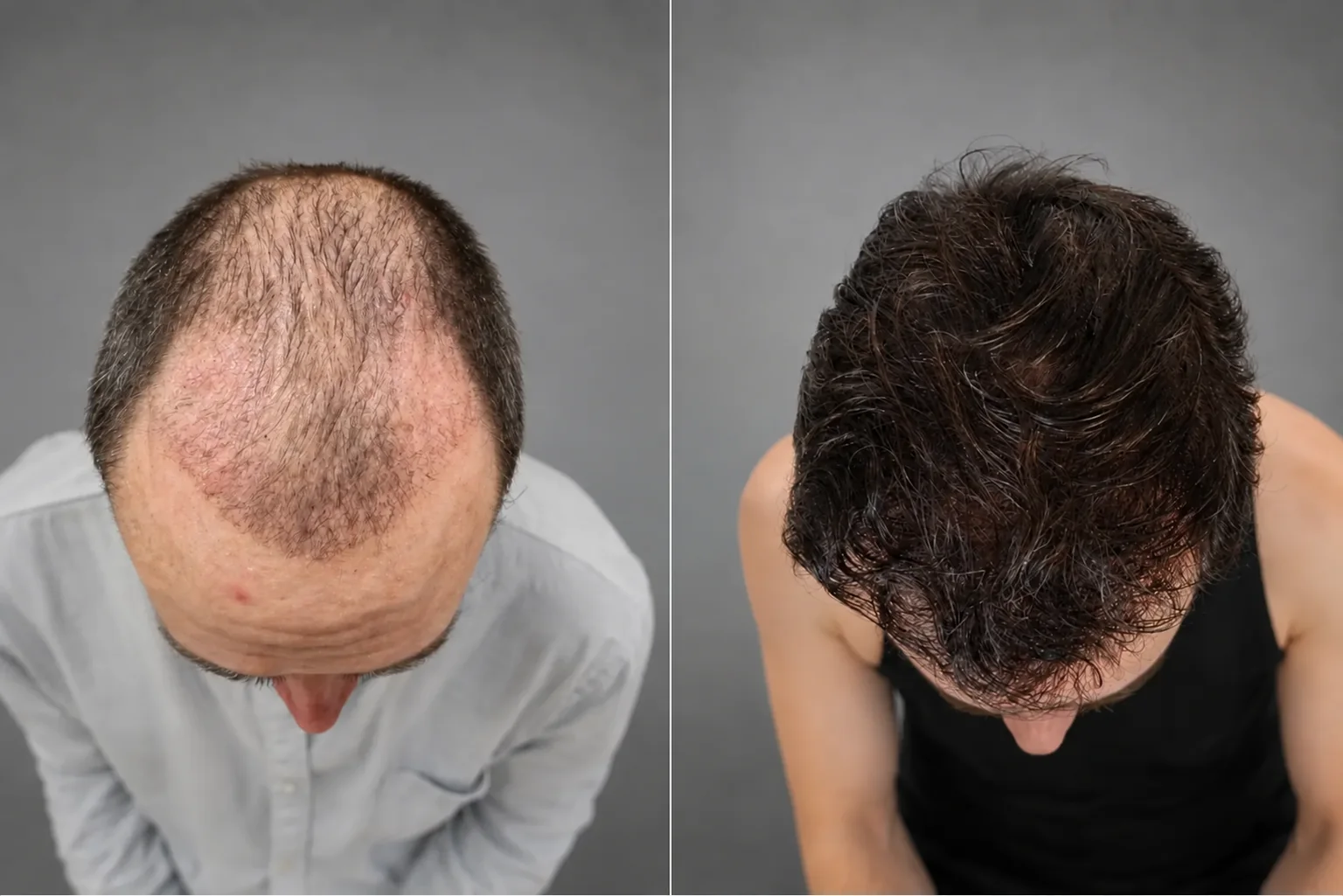
Pre-op
after 12 months
4,000 grafts
FUE-based
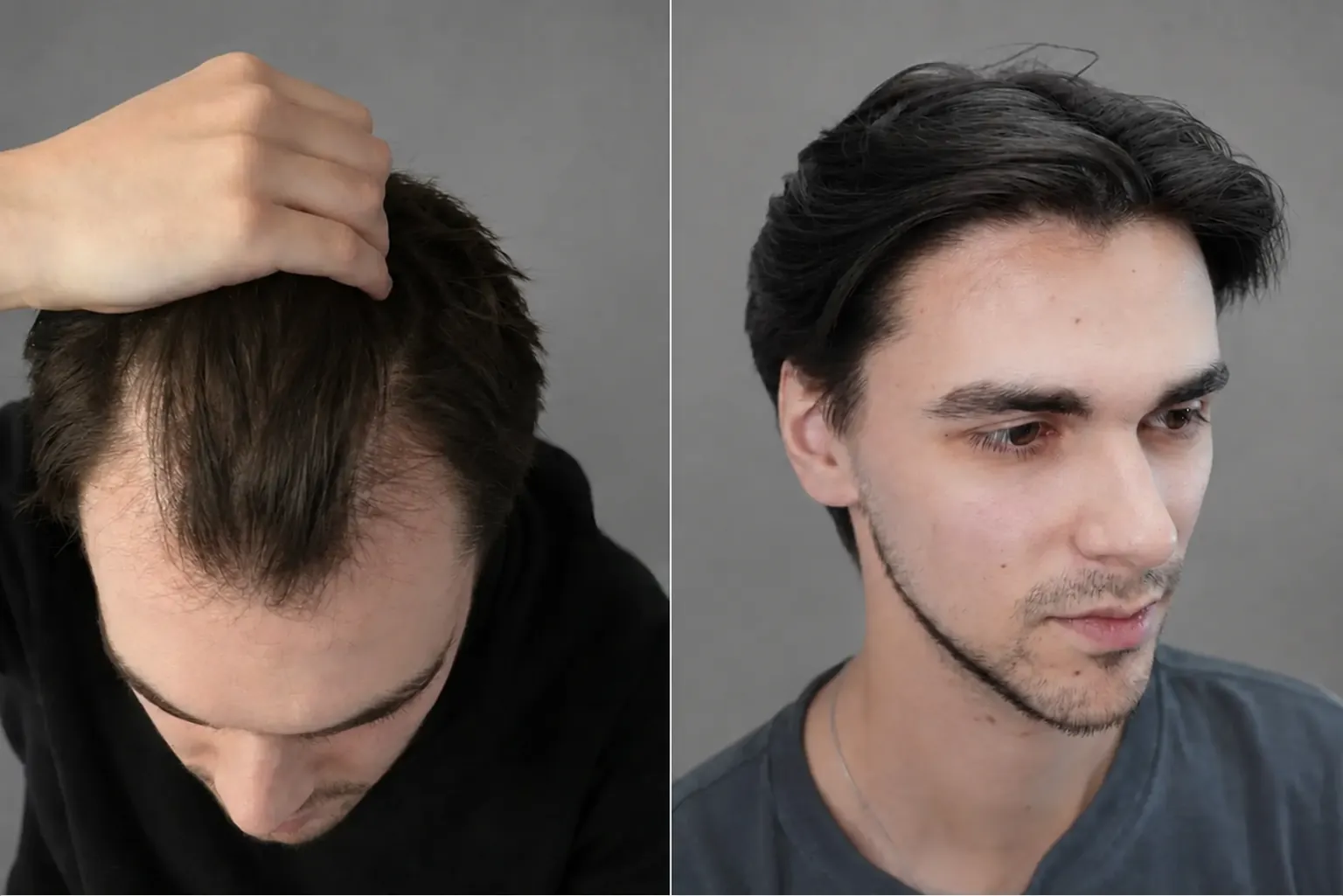
Pre-op
after 12 months
3,200 grafts
FUE-based
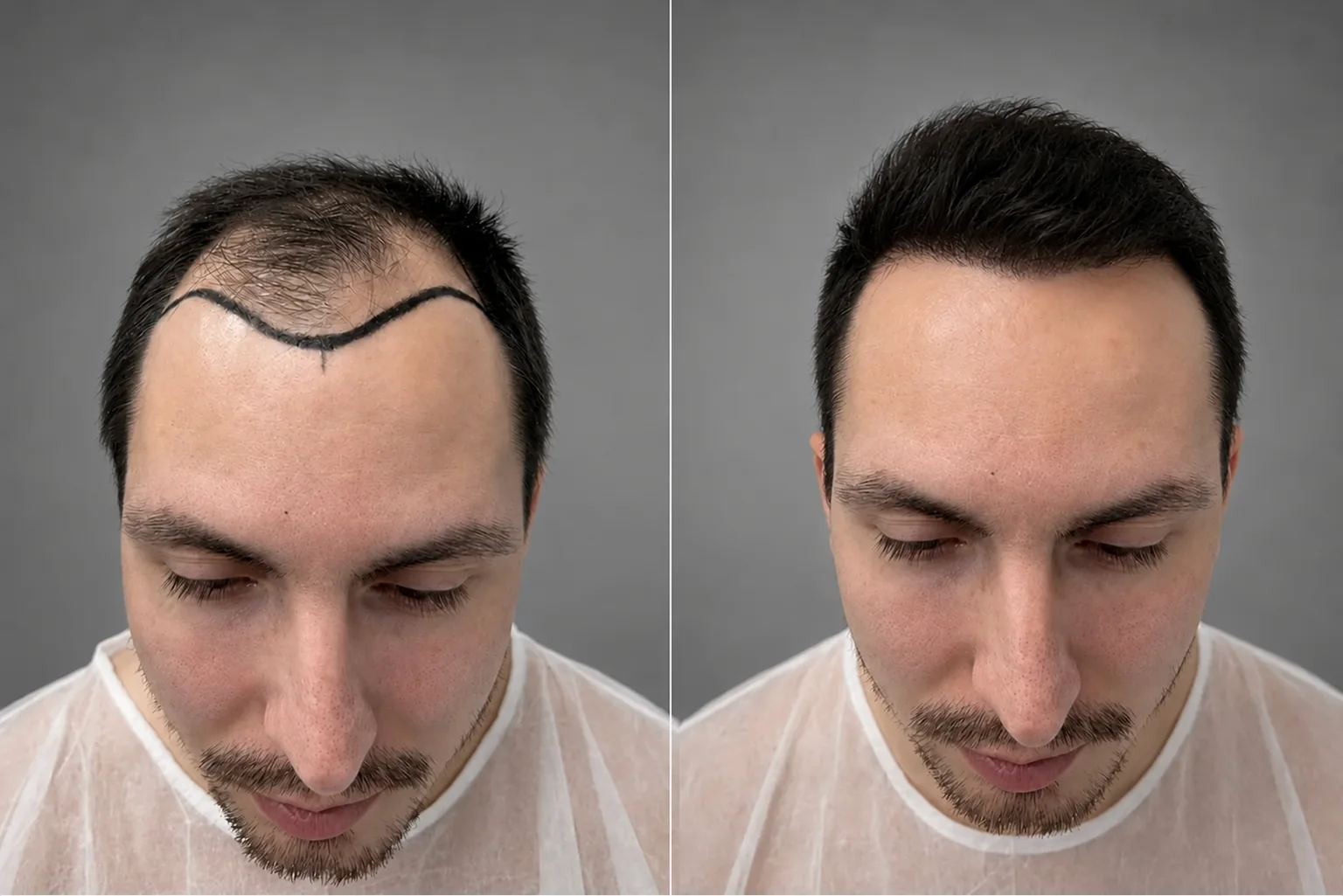
Pre-op
after 12 months
3,000 grafts
FUE-based
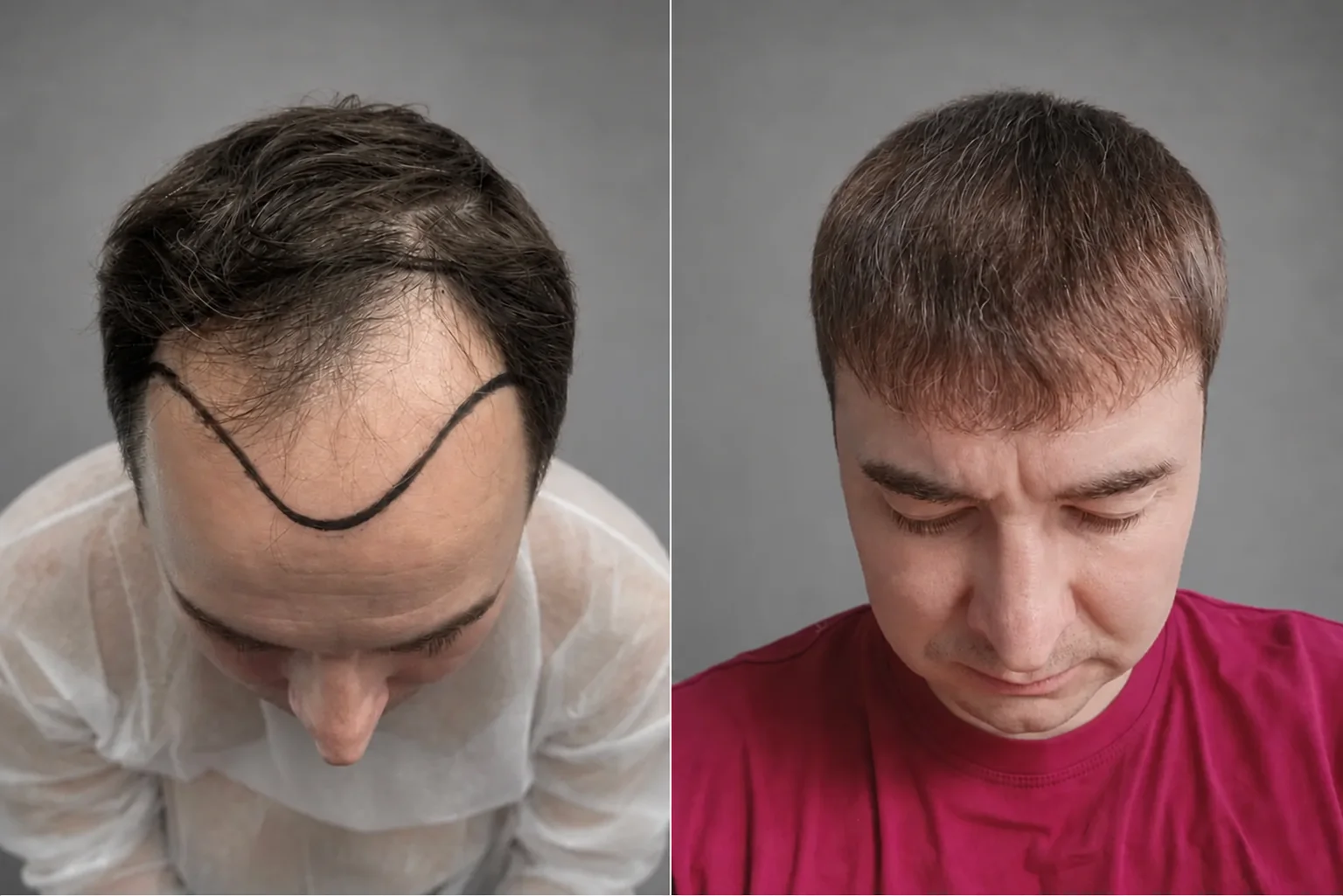
Pre-op
after 12 months
3,700 grafts
FUE-based
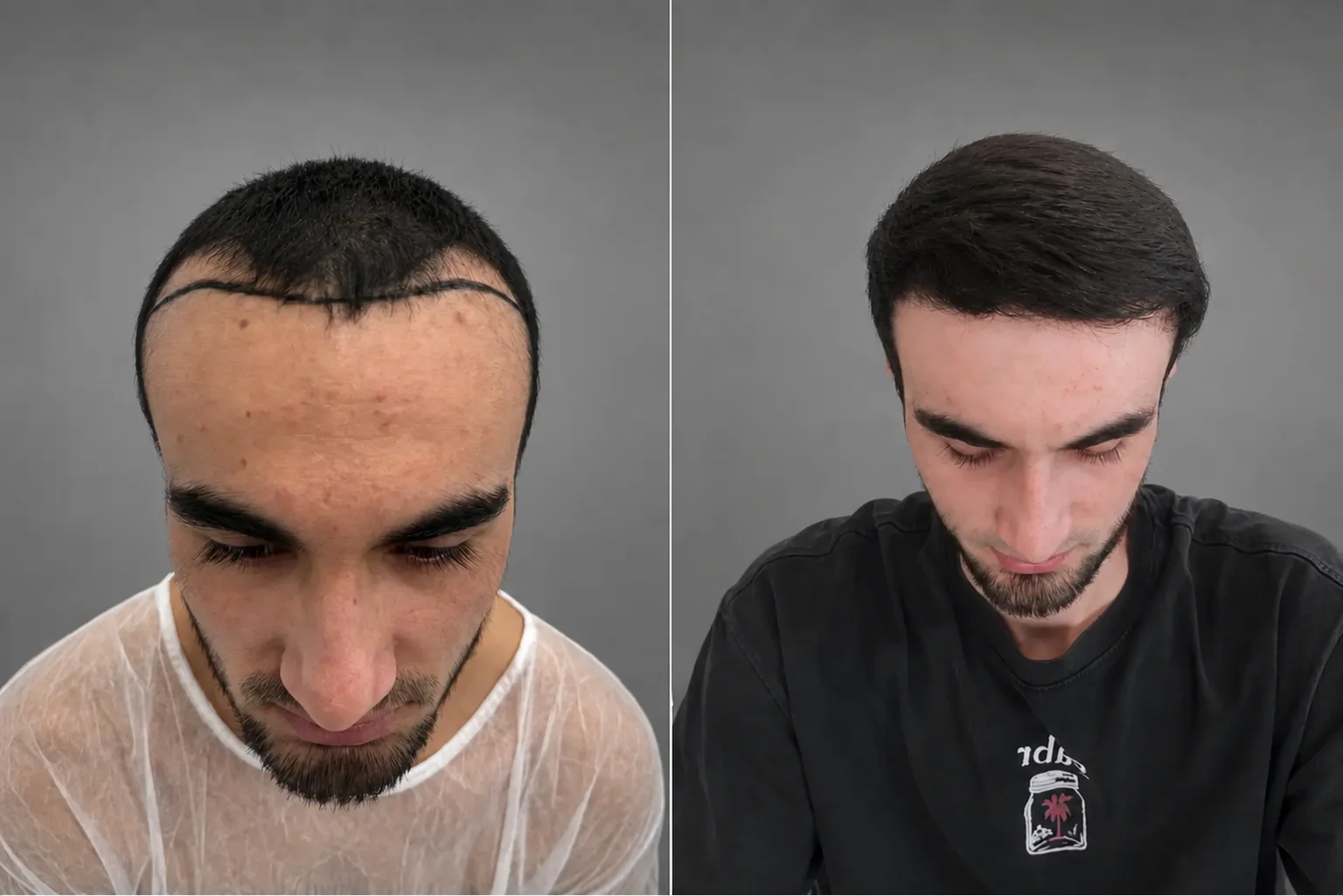
Pre-op
after 12 months
2,700 grafts
FUE-based
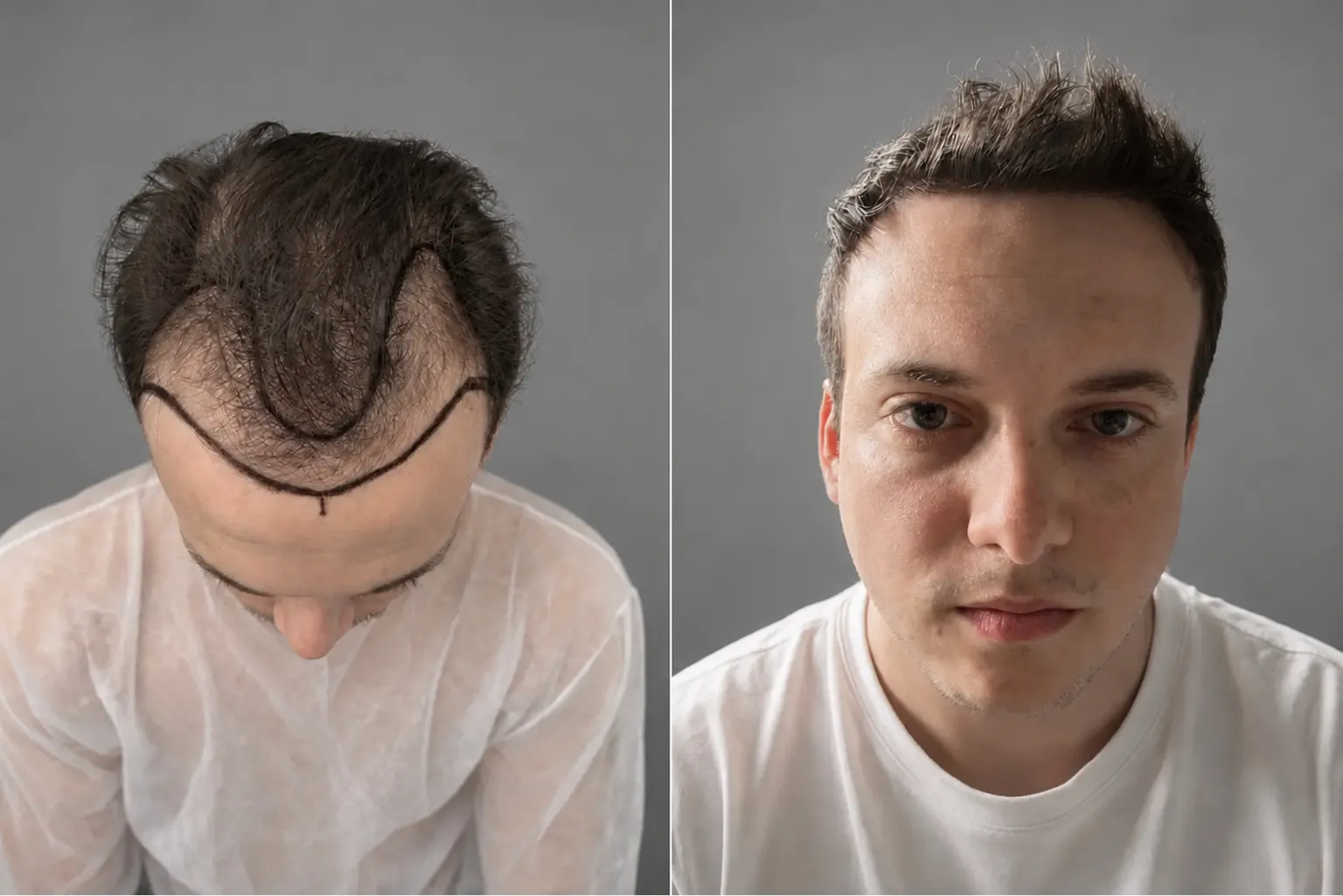
Pre-op
after 12 months
3,800 grafts
FUE-based
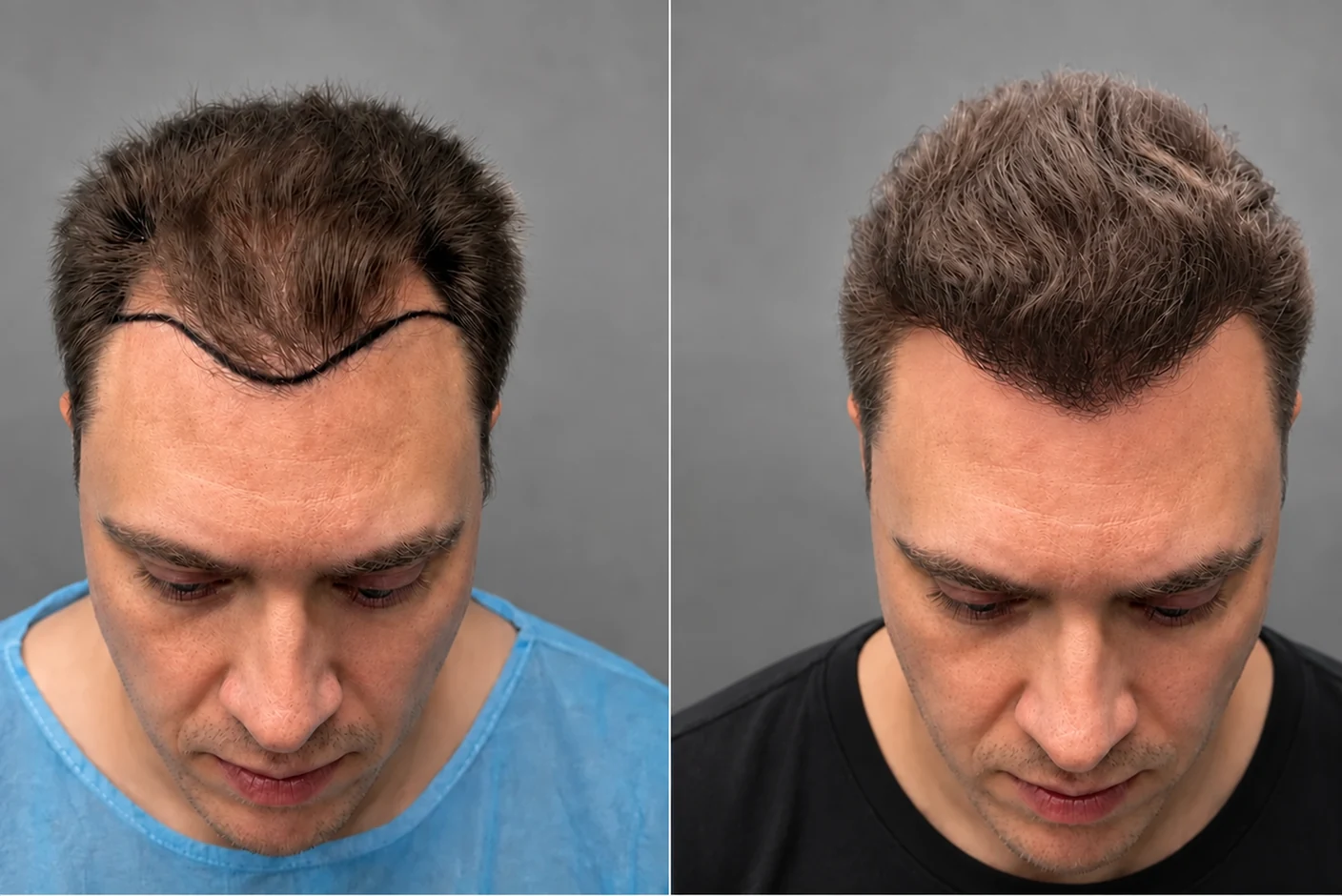
Pre-op
after 12 months
3,300 grafts
FUE-based
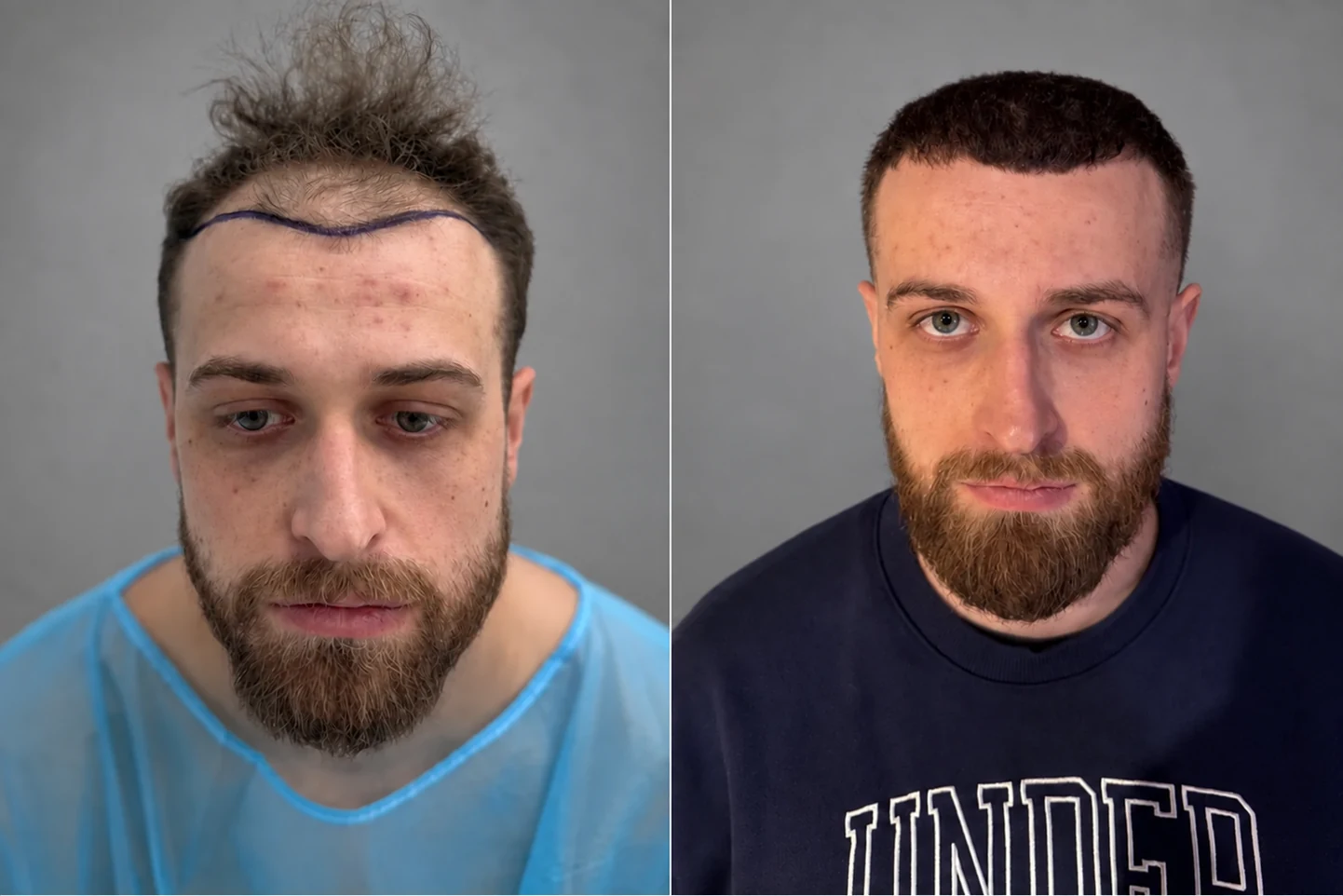
Pre-op
after 12 months
2,800 grafts
FUE-based
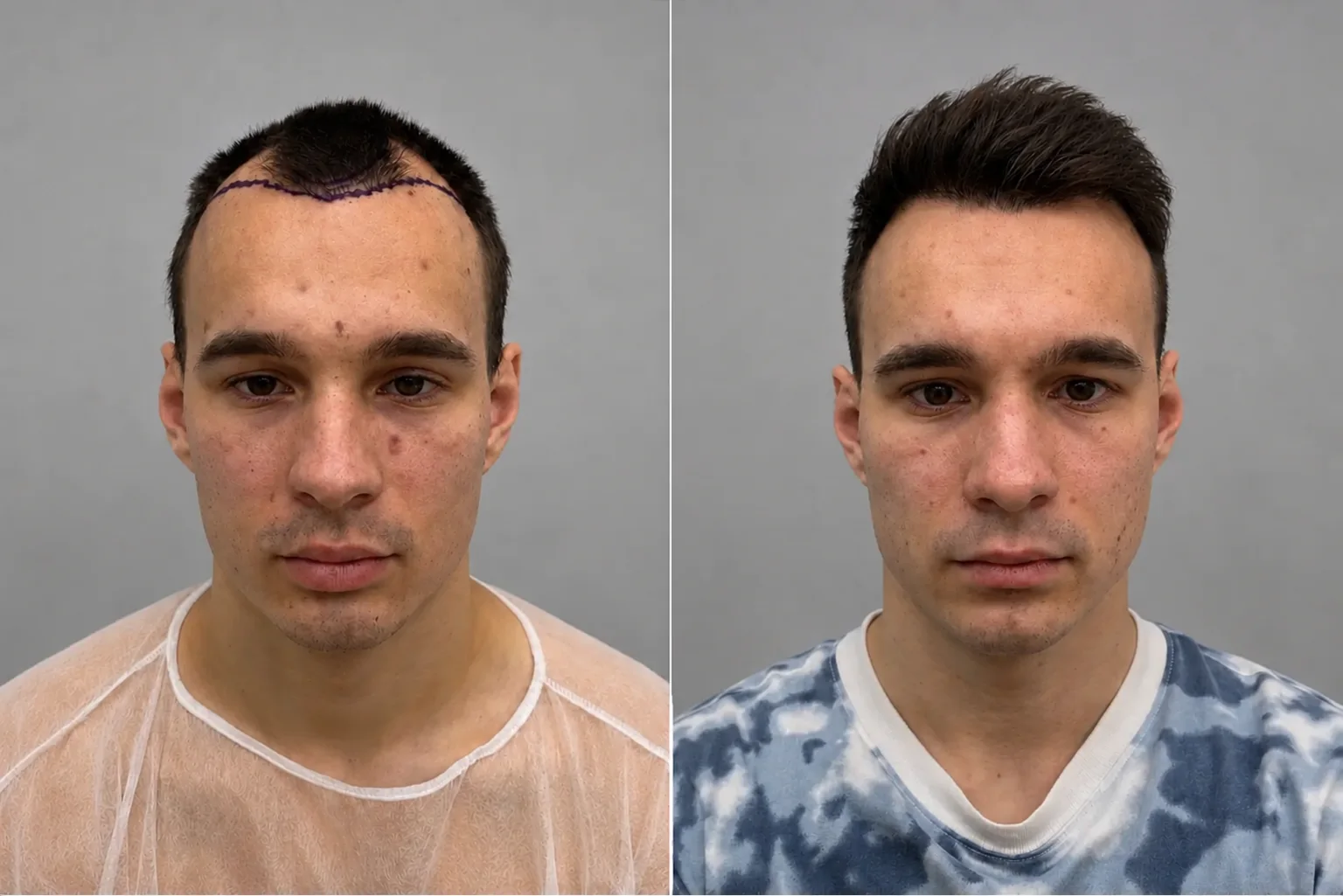
Pre-op
after 12 months
2,500 grafts
FUE-based
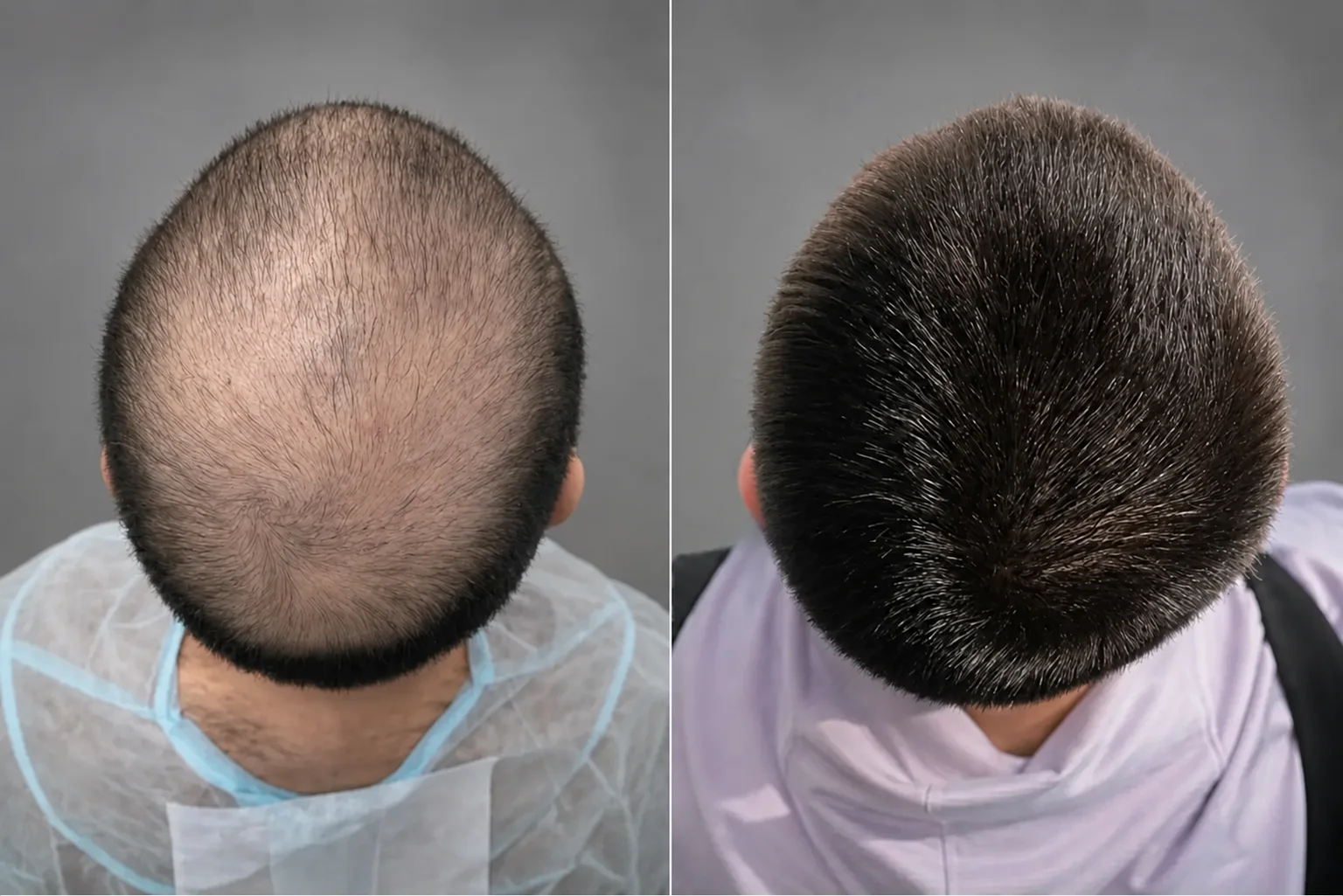
Pre-op
after 12 months
3,900 grafts
FUE-based
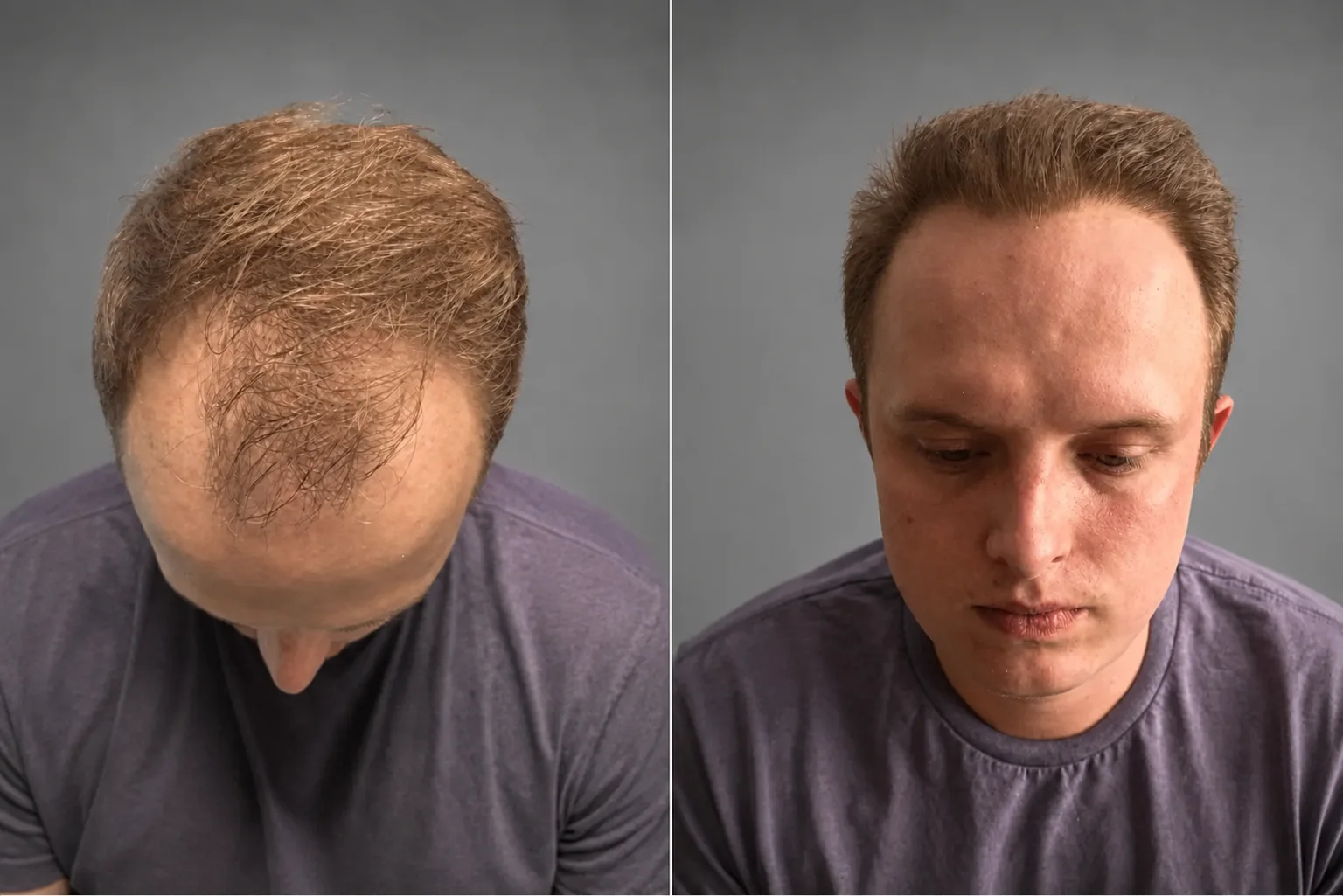
Pre-op
after 12 months
3,500 grafts
FUE-based
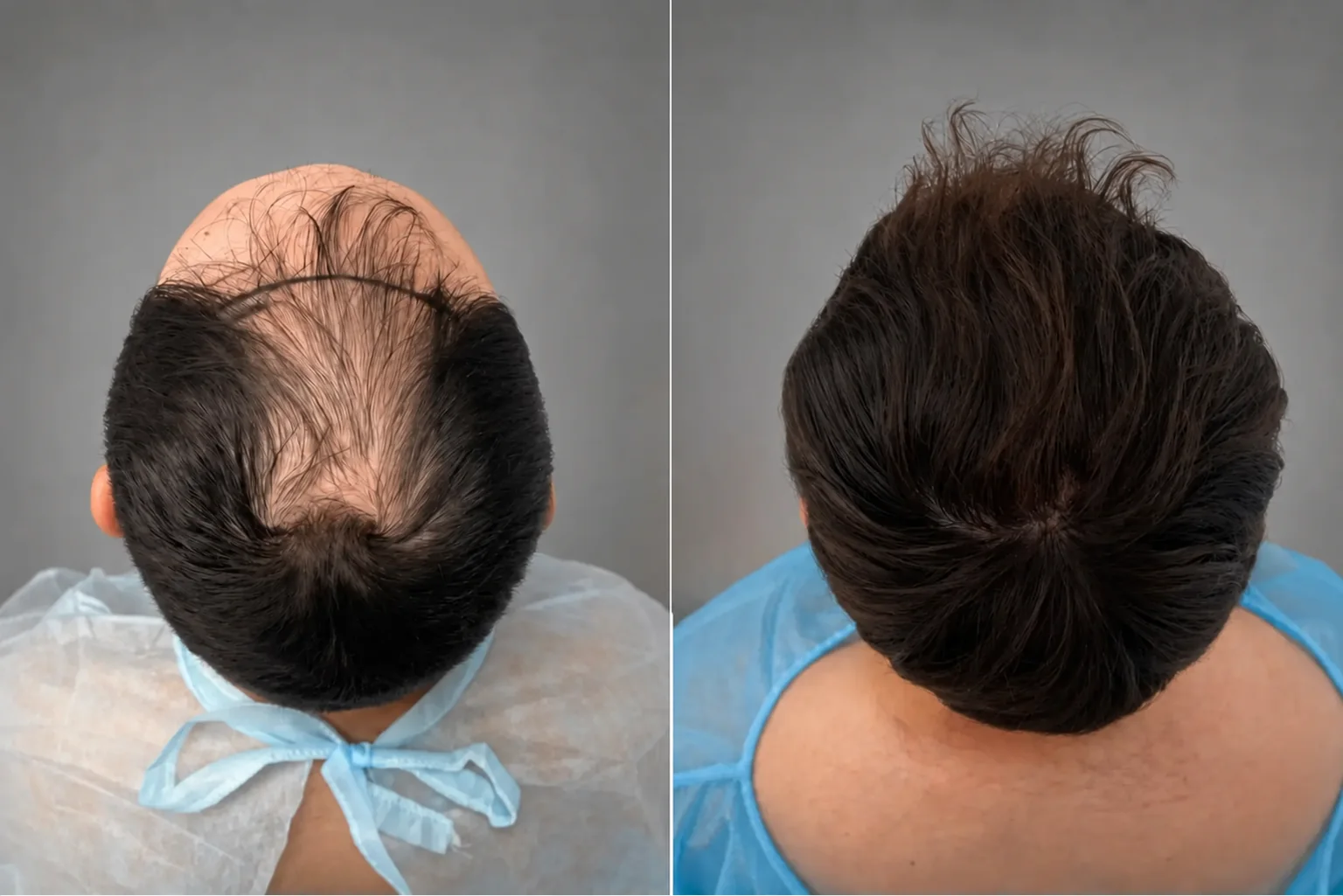
Pre-op
after 12 months
3,800 grafts
FUE-based
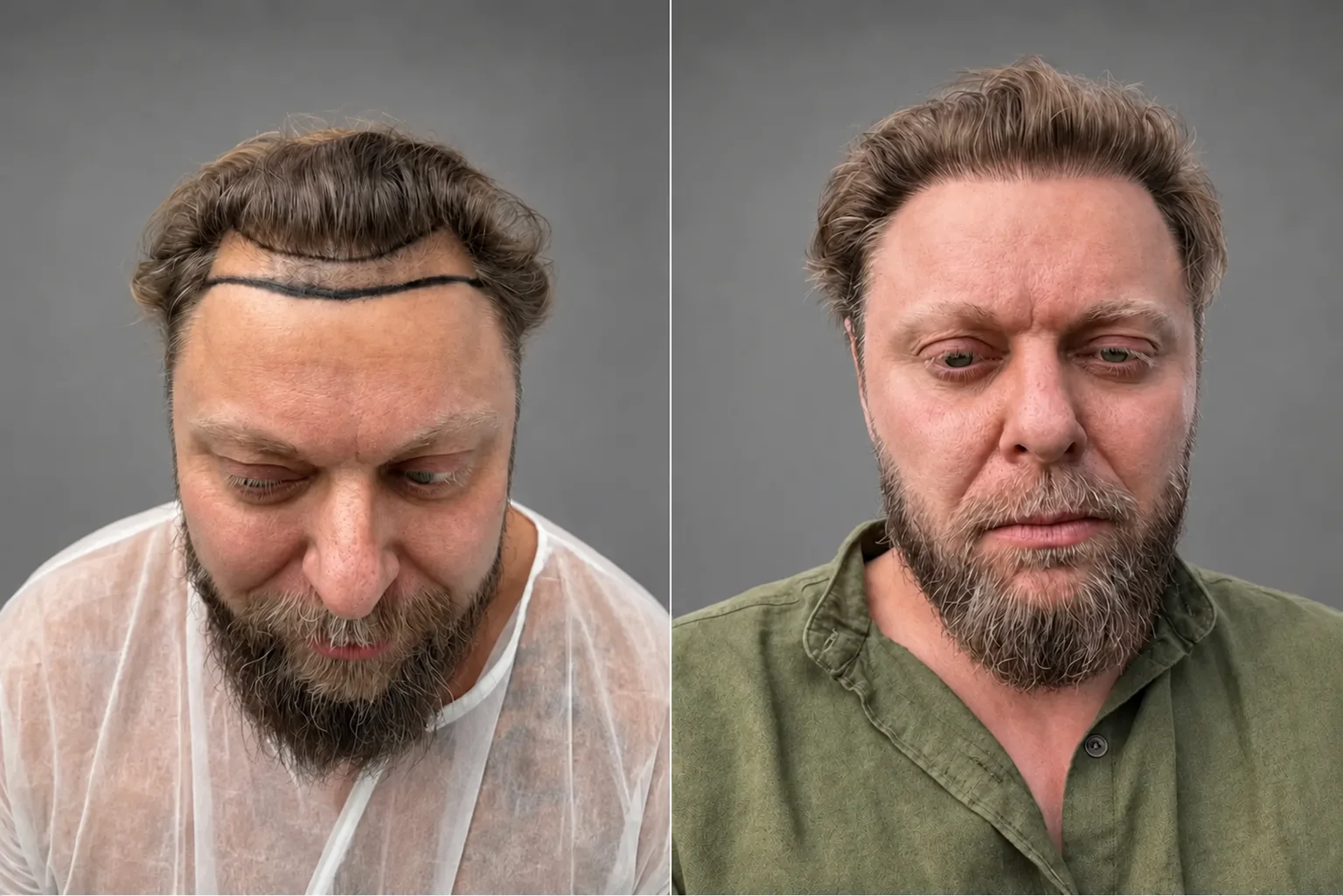
Pre-op
after 12 months
2,900 grafts
FUE-based
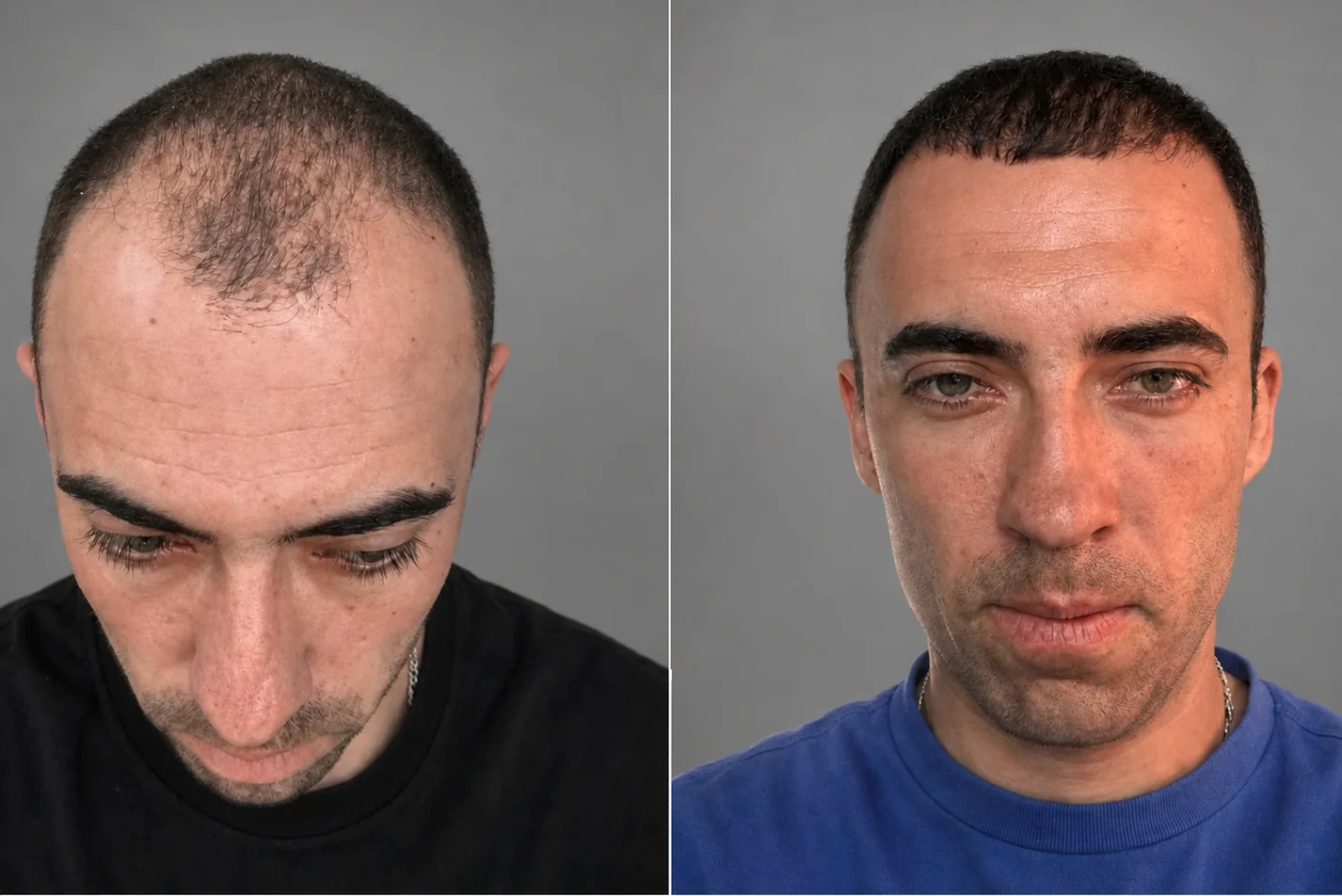
Pre-op
after 12 months
3,600 grafts
FUE-based
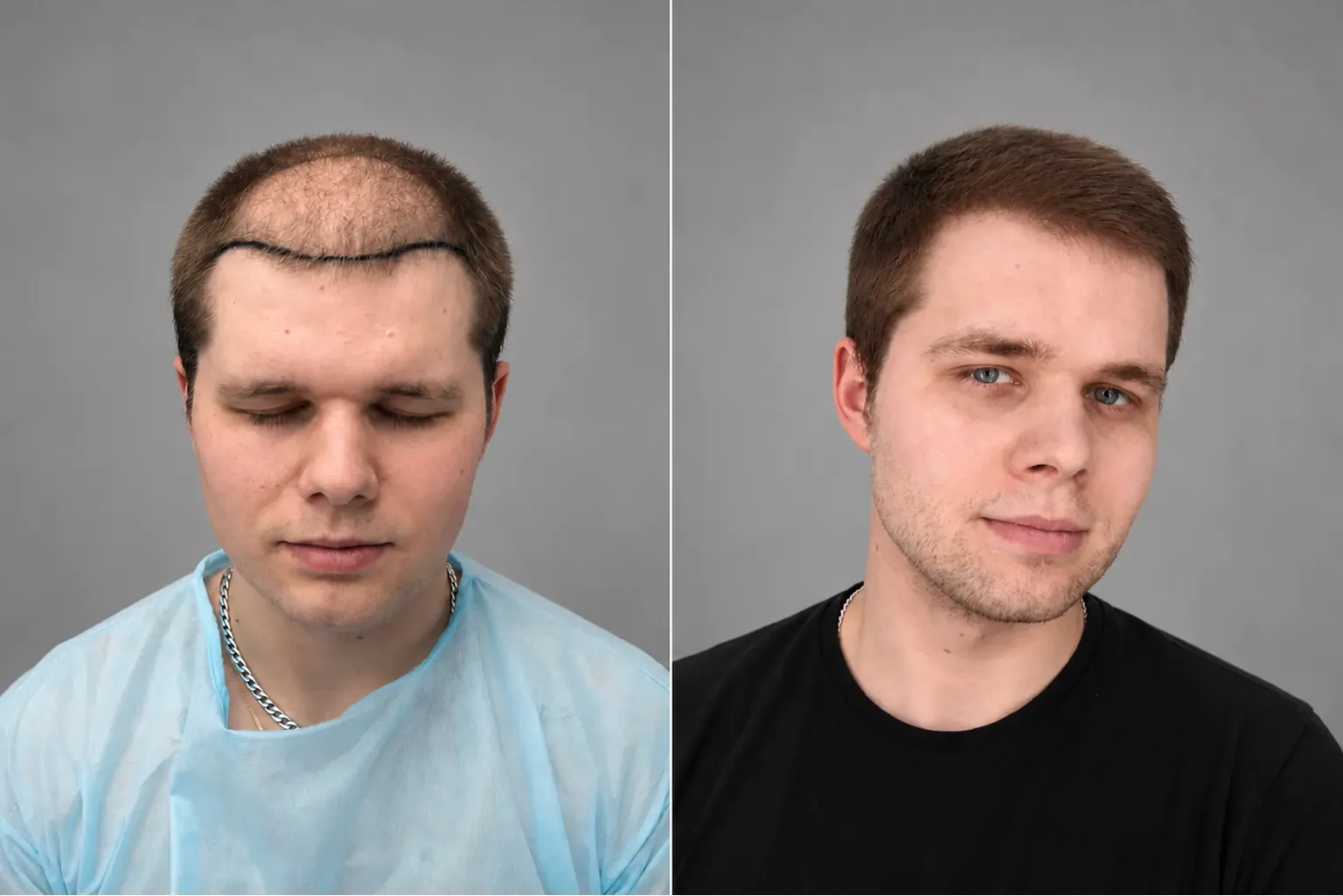
Pre-op
after 12 months
2,600 grafts
FUE-based
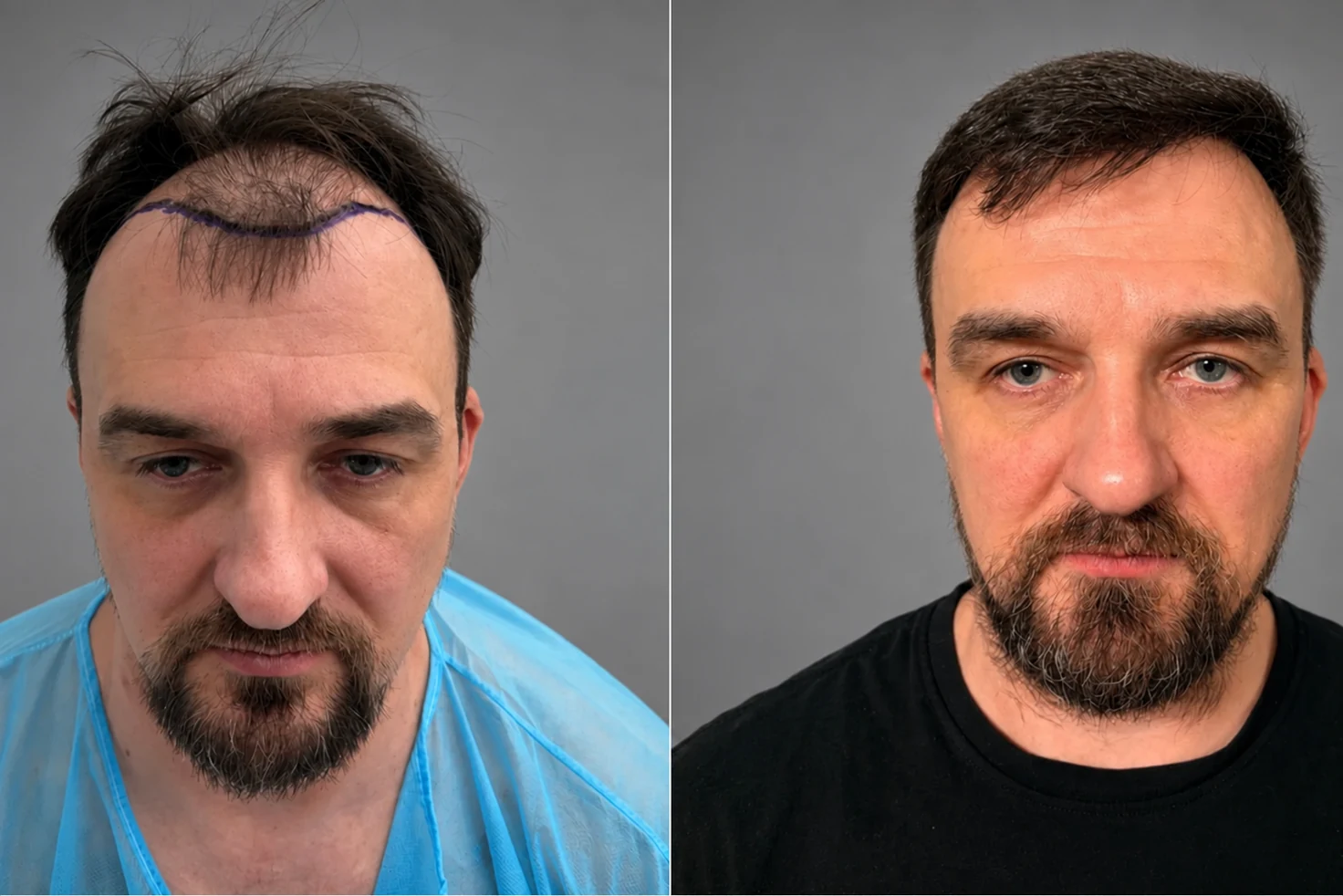
Pre-op
after 12 months
2,700 grafts
FUE-based
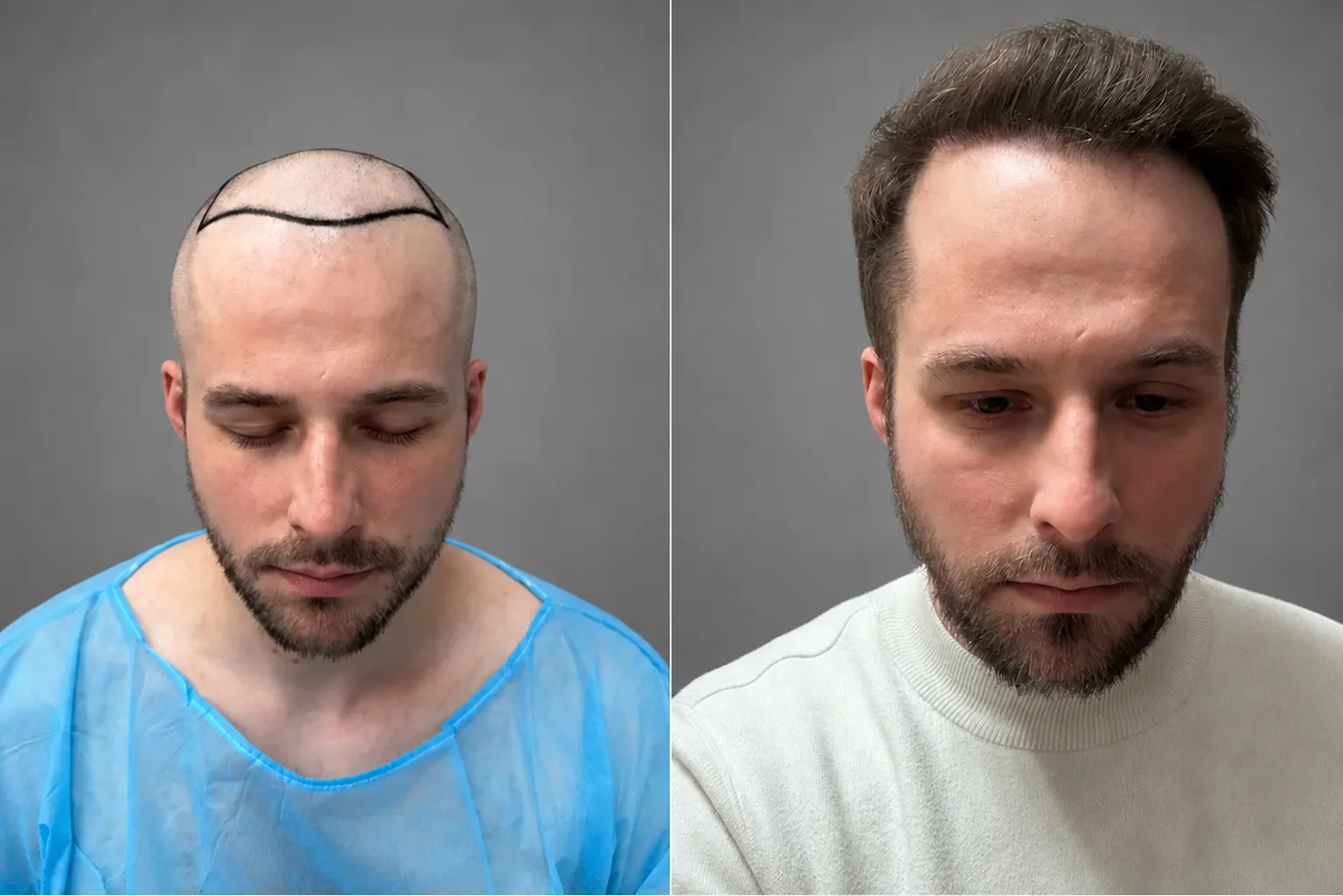
Pre-op
after 12 months
3,700 grafts
FUE-based
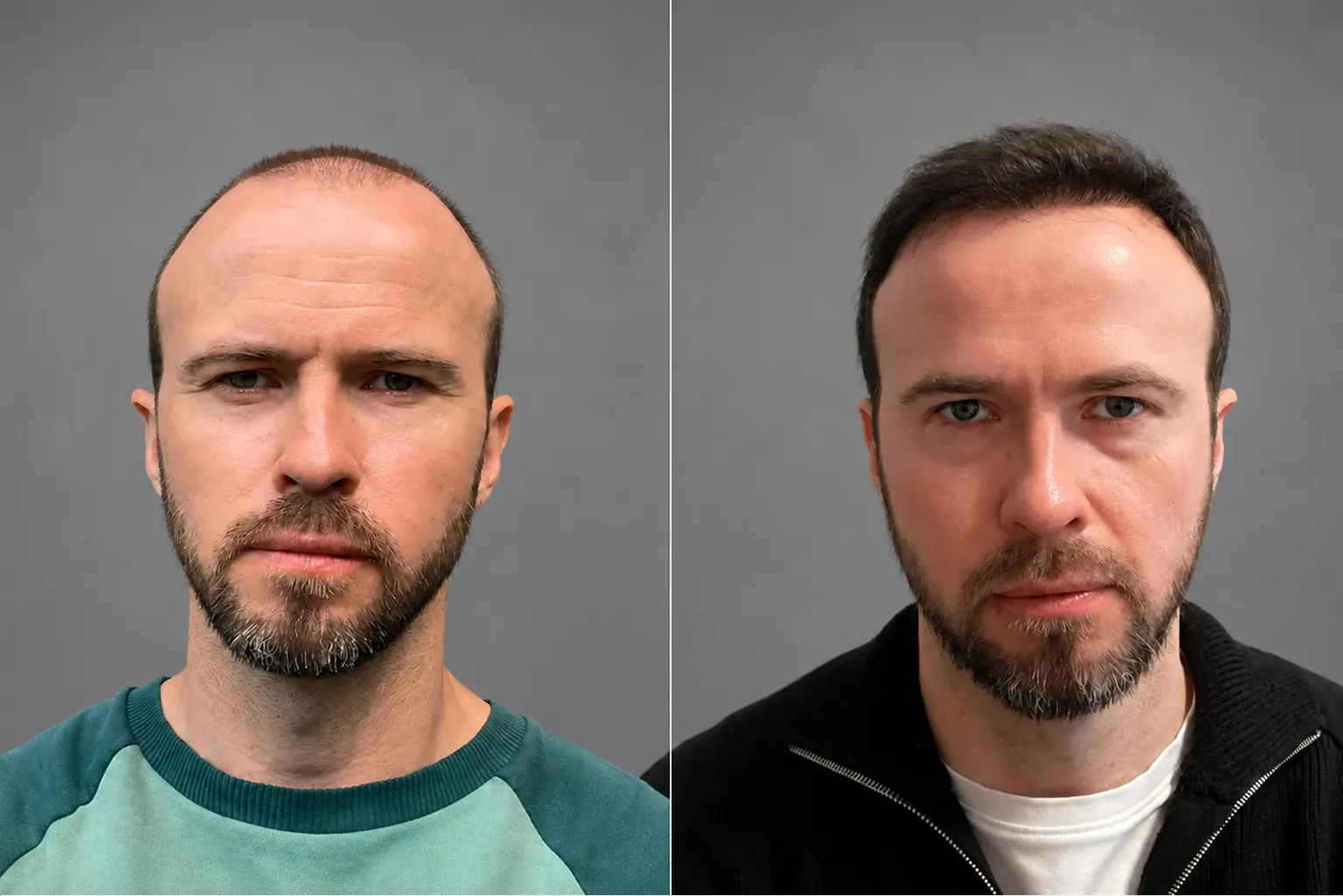
Pre-op
after 12 months
3,200 grafts
FUE-based
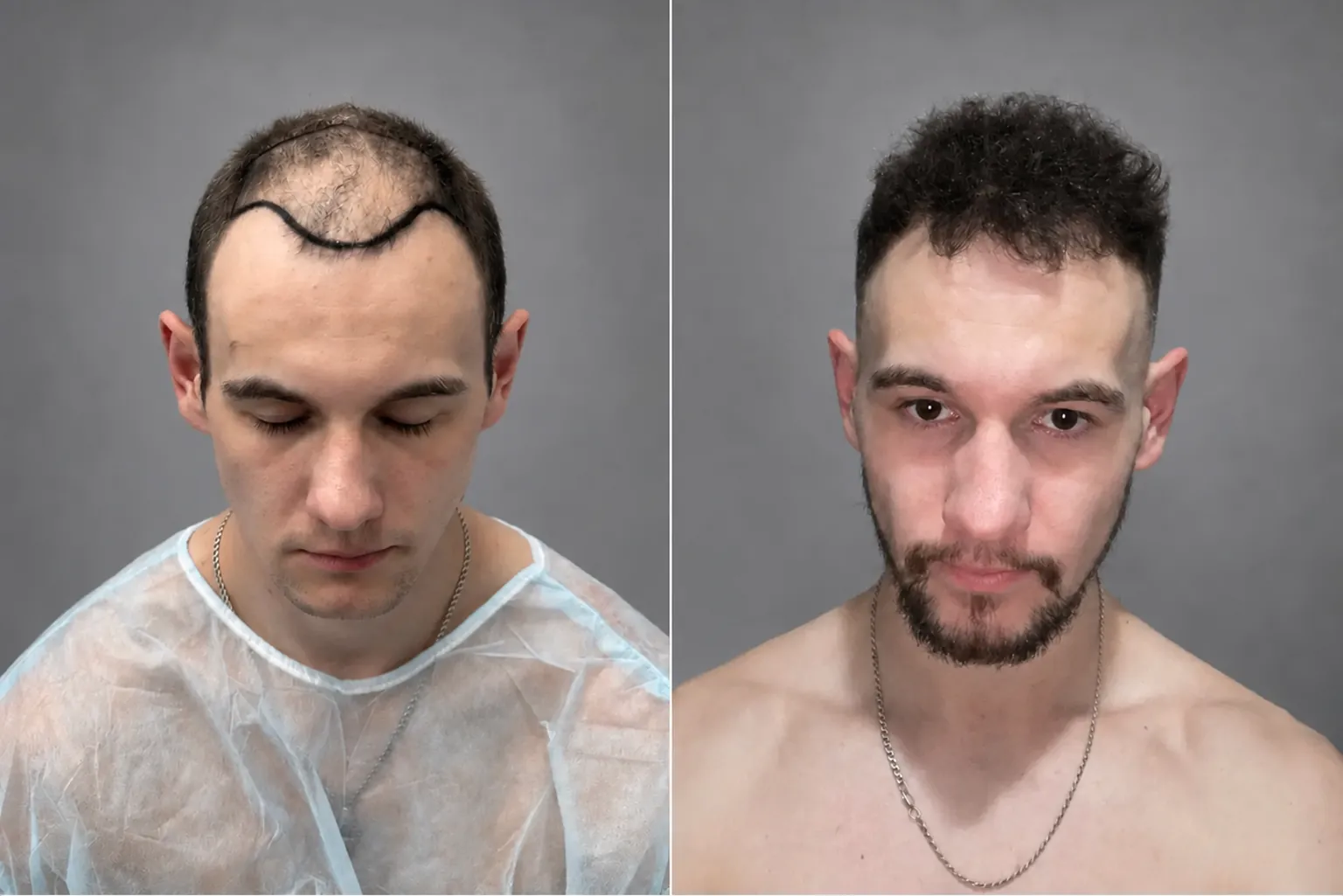
Pre-op
after 12 months
3,000 grafts
FUE-based
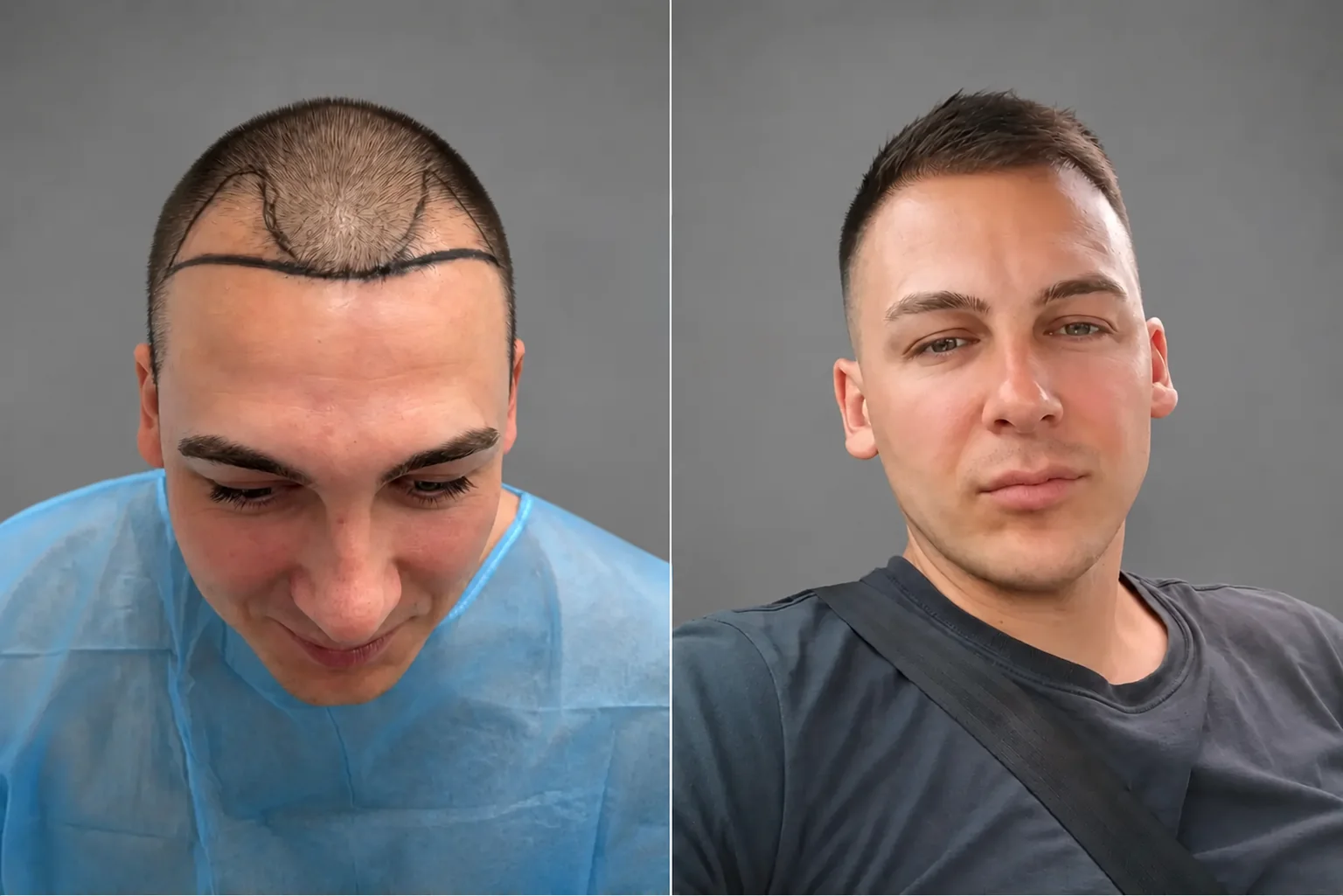
Pre-op
after 12 months
2,800 grafts
FUE-based
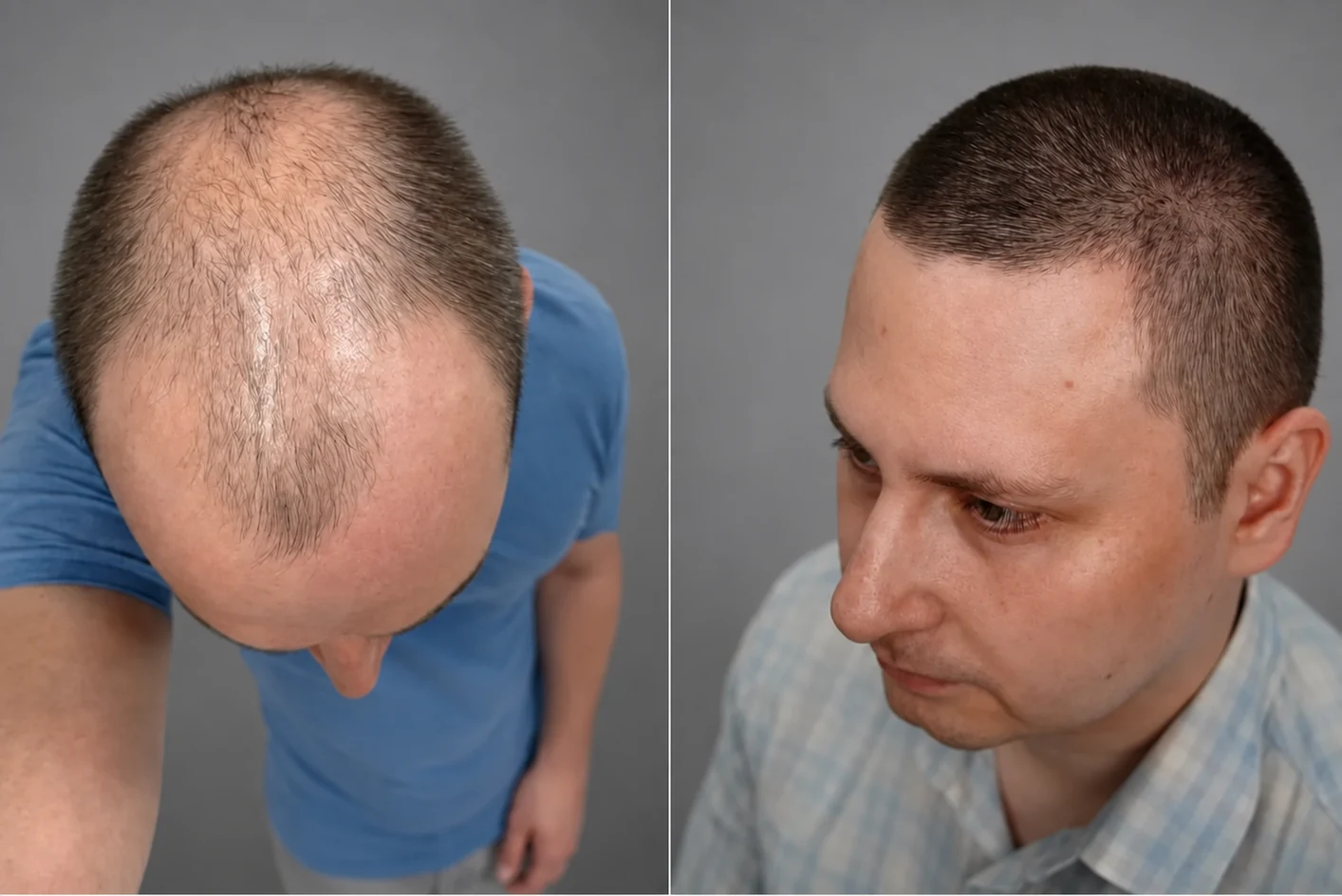
Pre-op
after 12 months
4,000 grafts
FUE-based
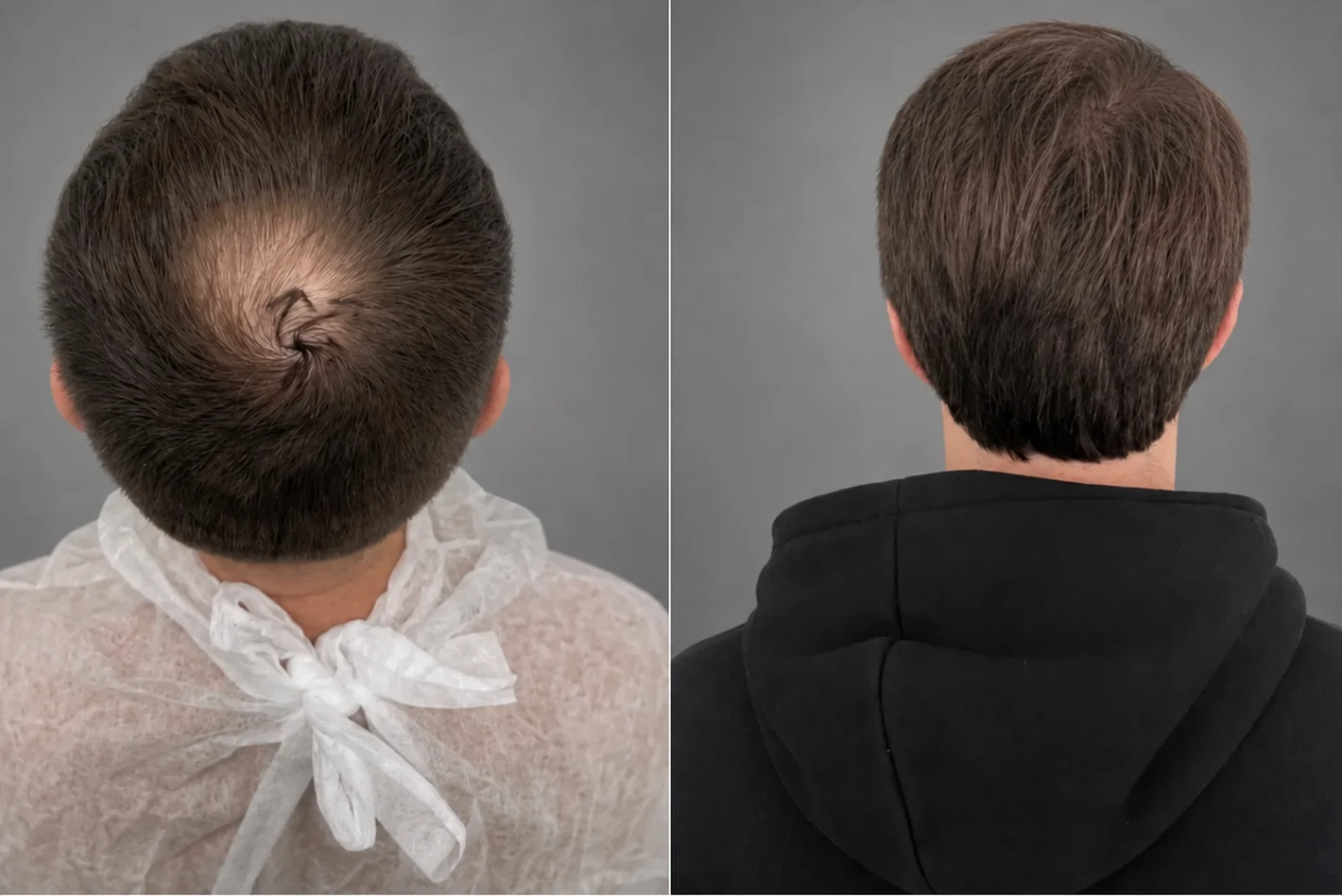
Pre-op
after 12 months
3,400 grafts
FUE-based
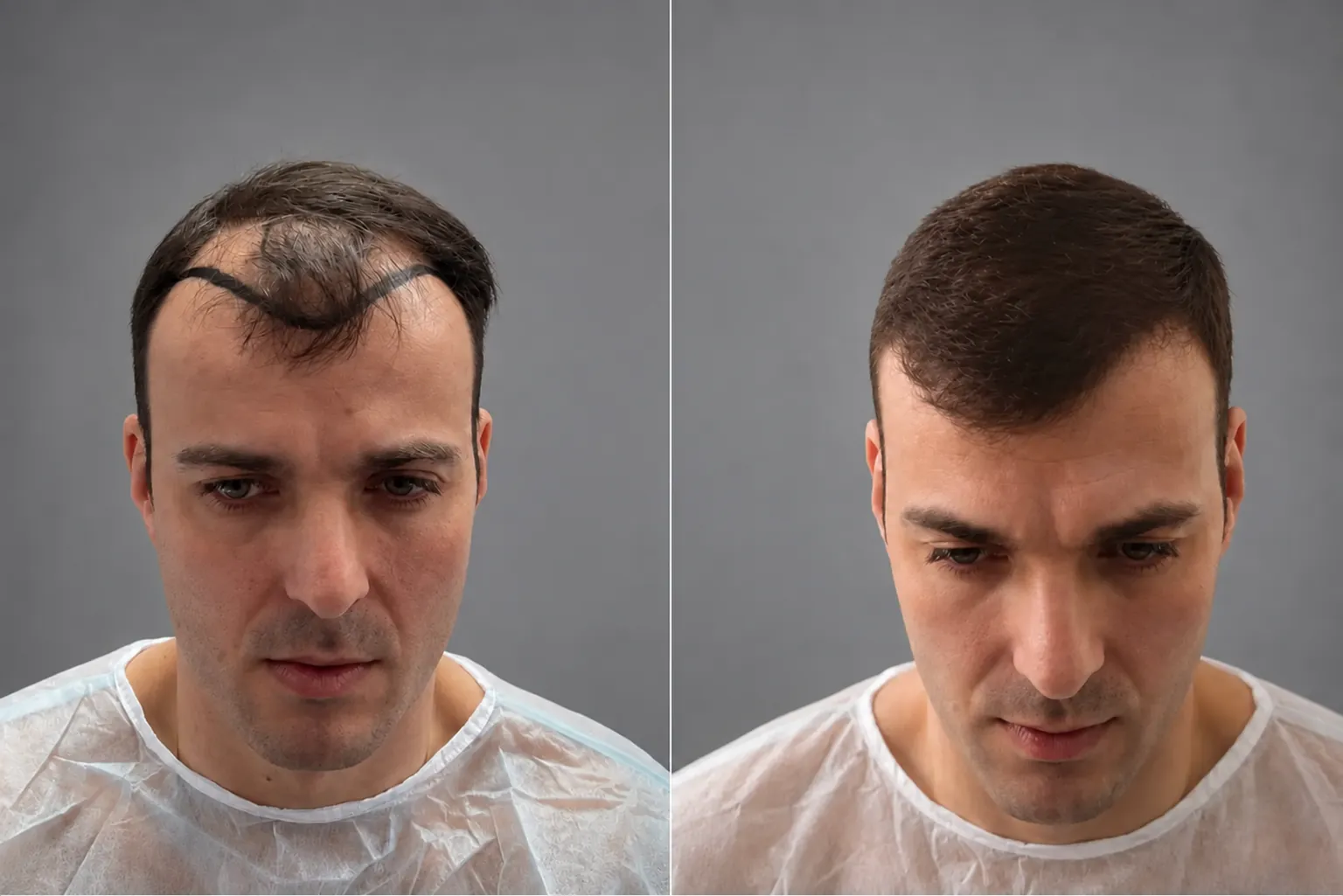
Pre-op
after 12 months
2,900 grafts
FUE-based
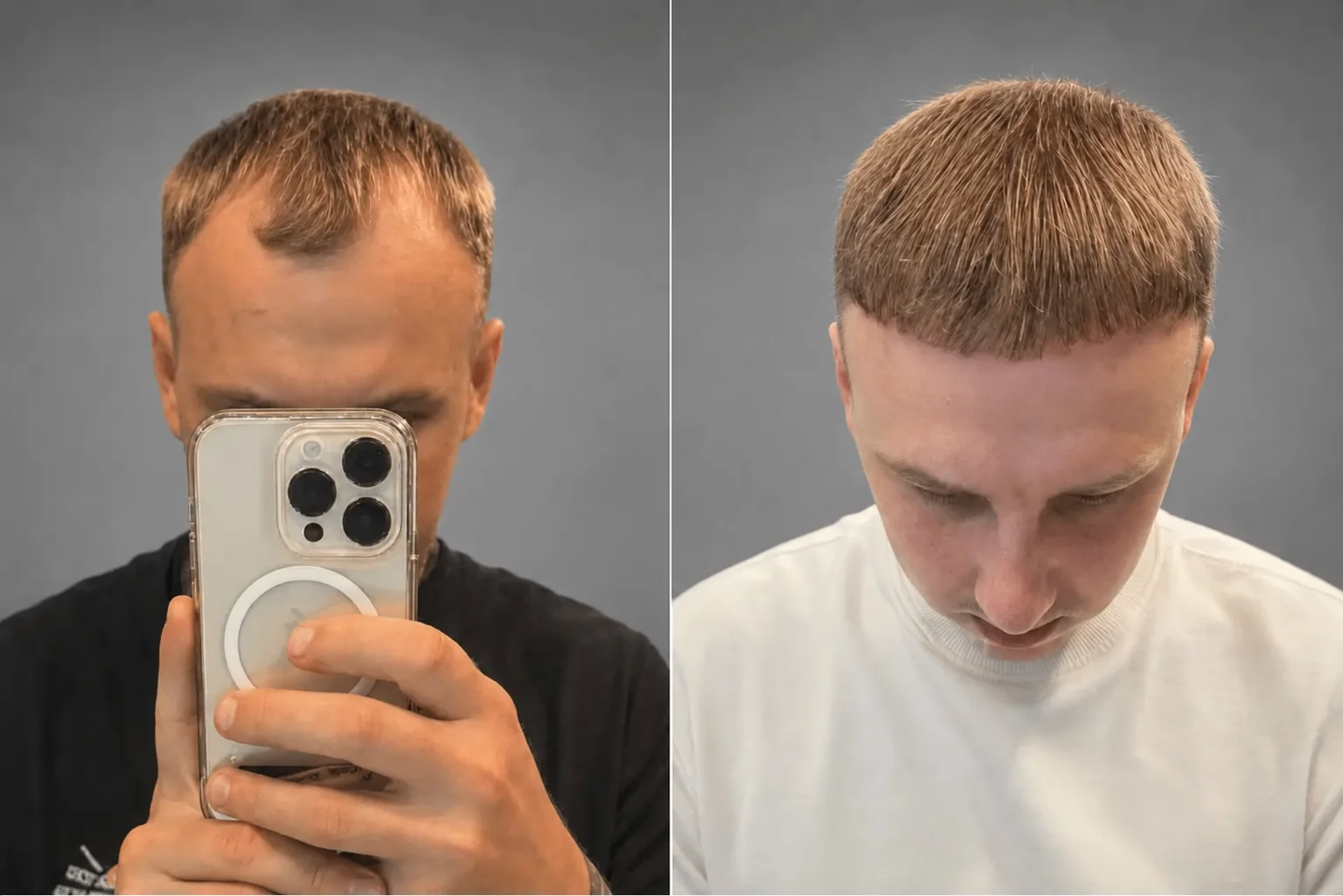
Pre-op
after 12 months
3,100 grafts
FUE-based
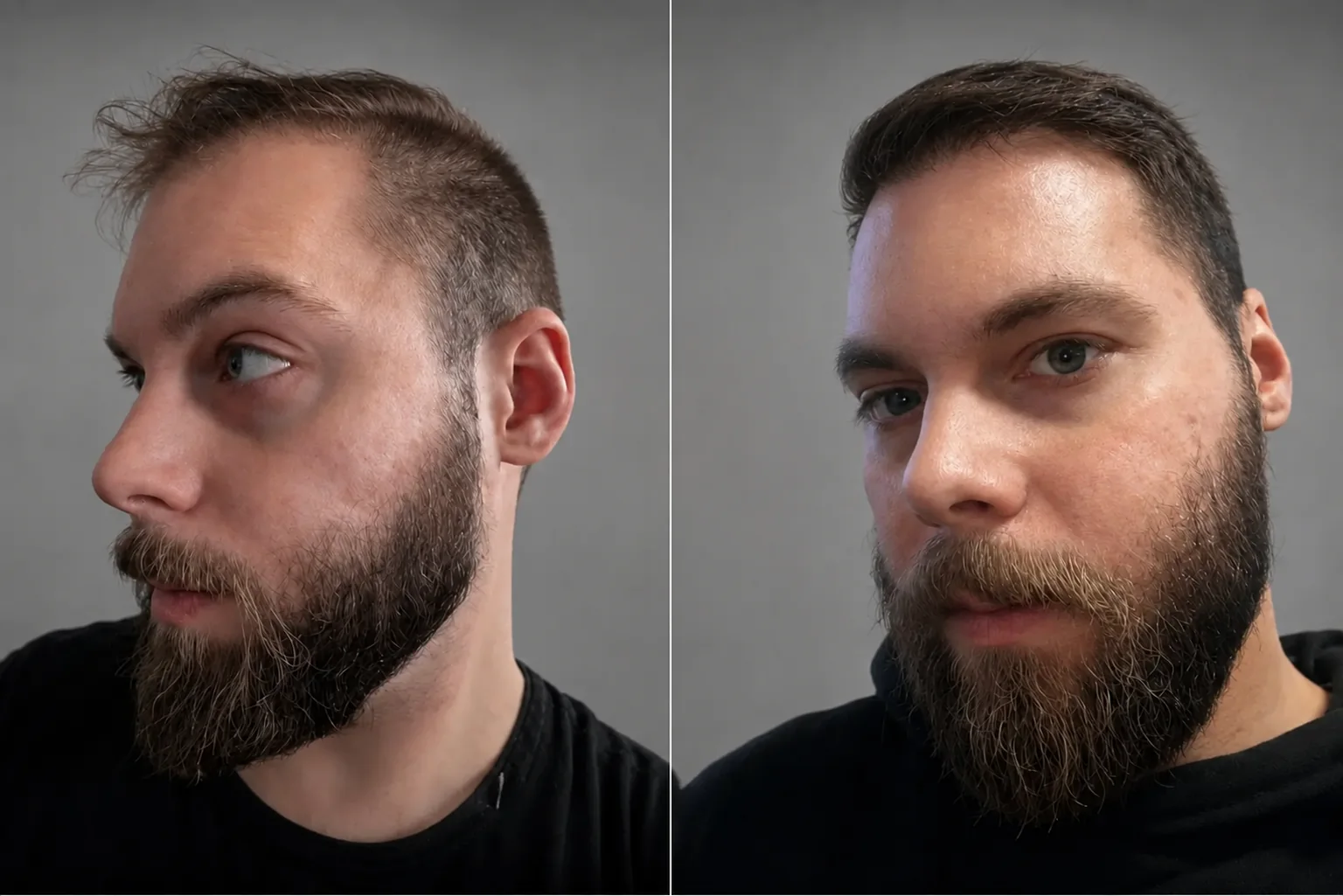
Pre-op
after 12 months
2,600 grafts
FUE-based
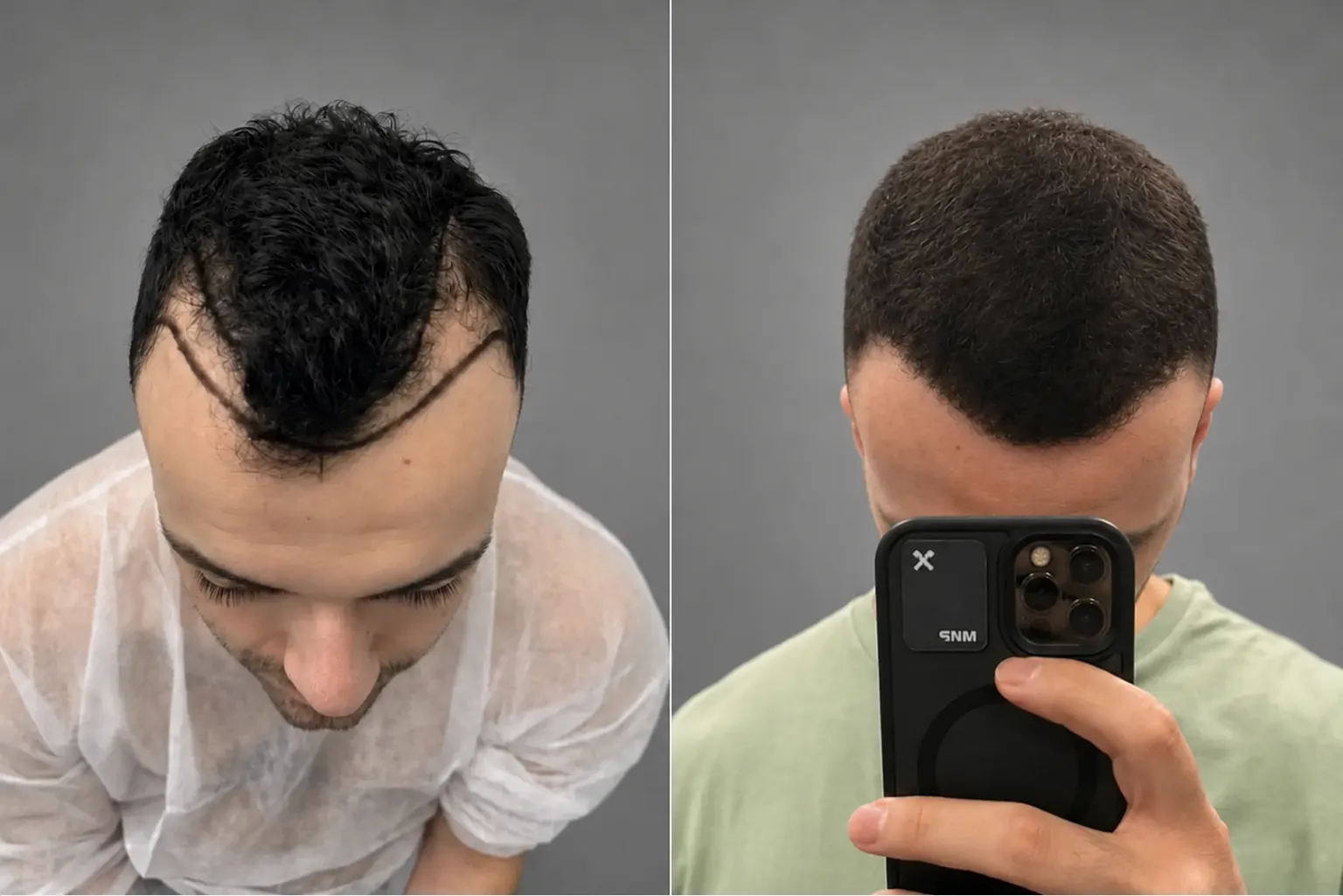
Pre-op
after 12 months
3,300 grafts
FUE-based
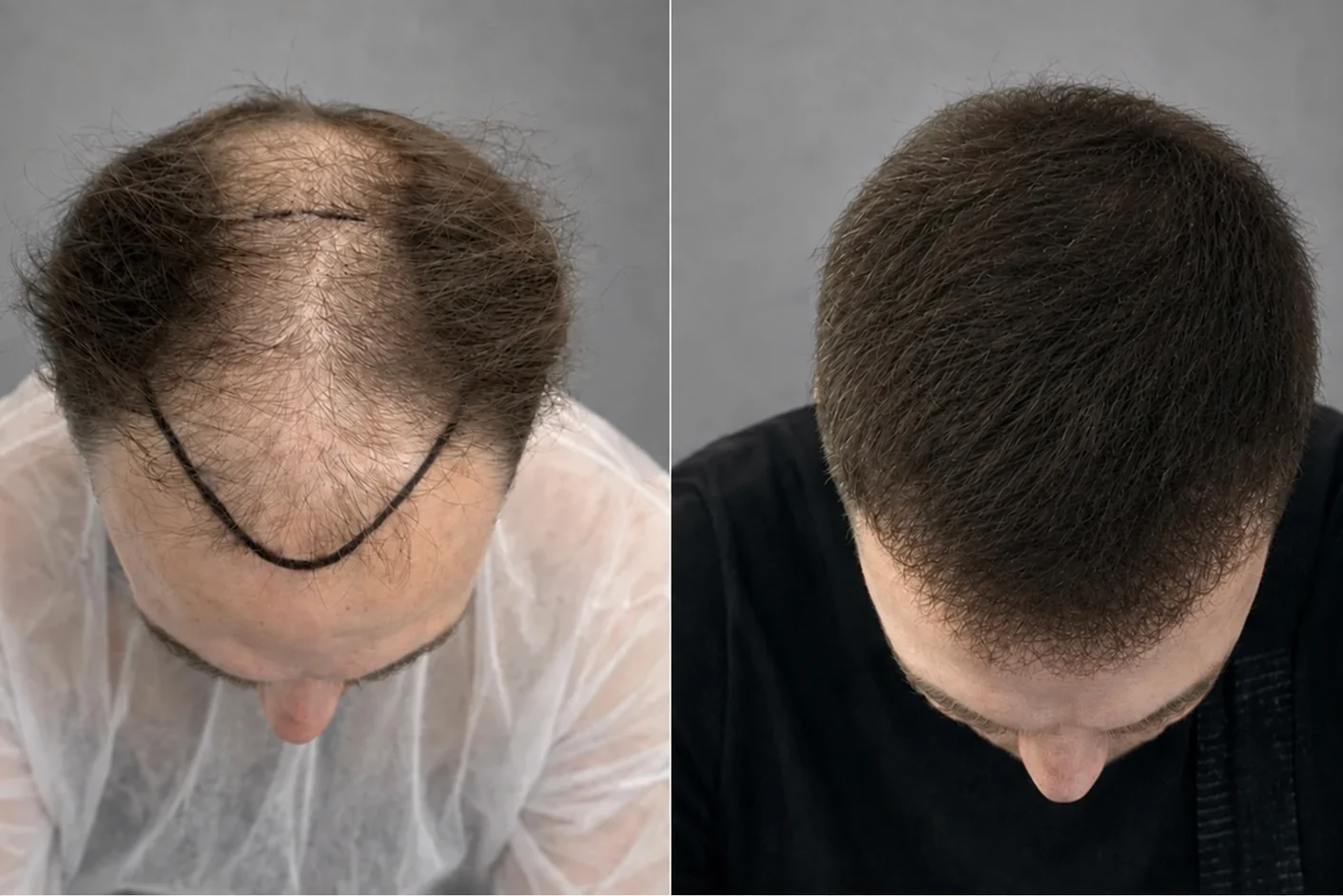
Pre-op
after 12 months
3,900 grafts
FUE-based
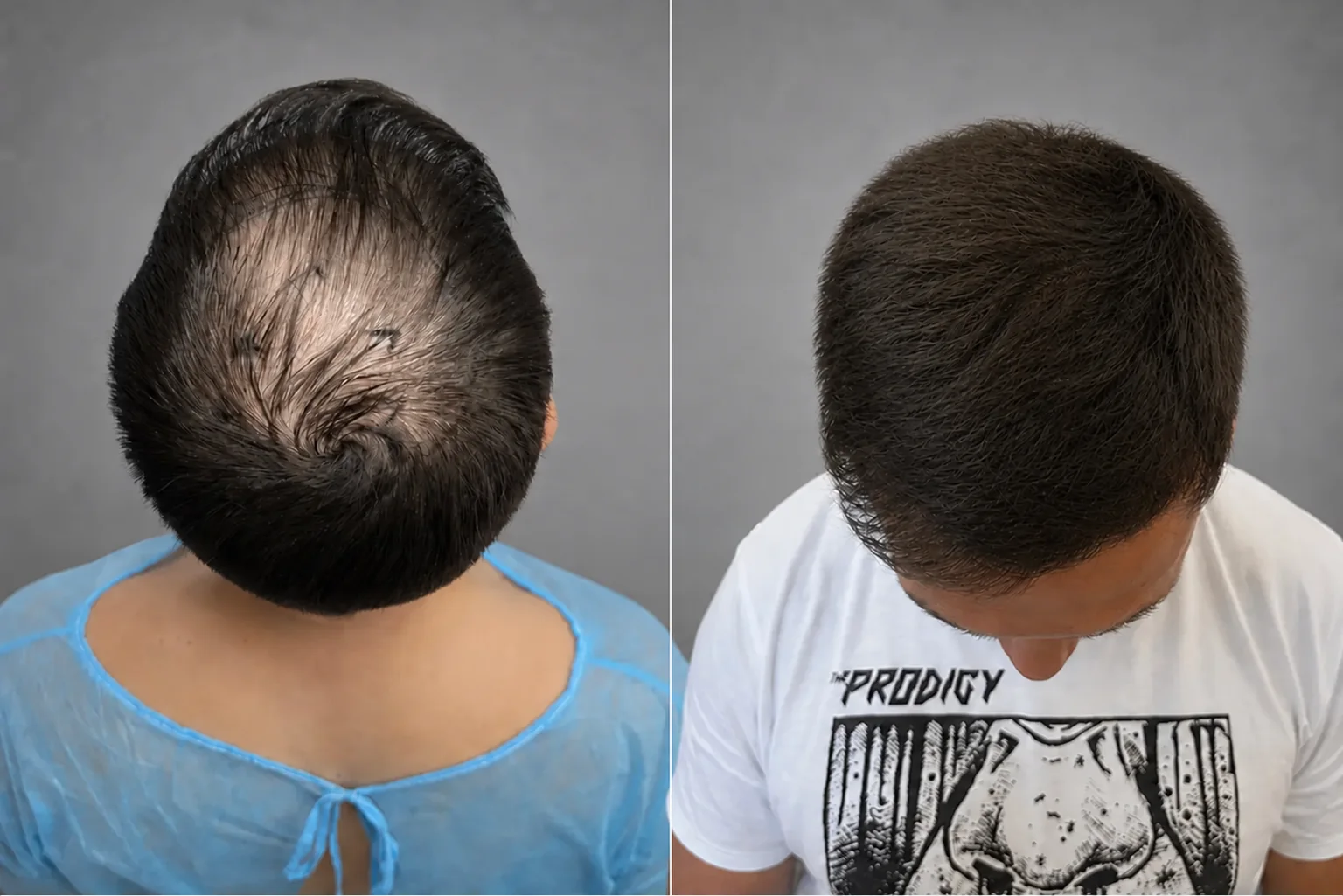
Pre-op
after 12 months
3,500 grafts
FUE-based
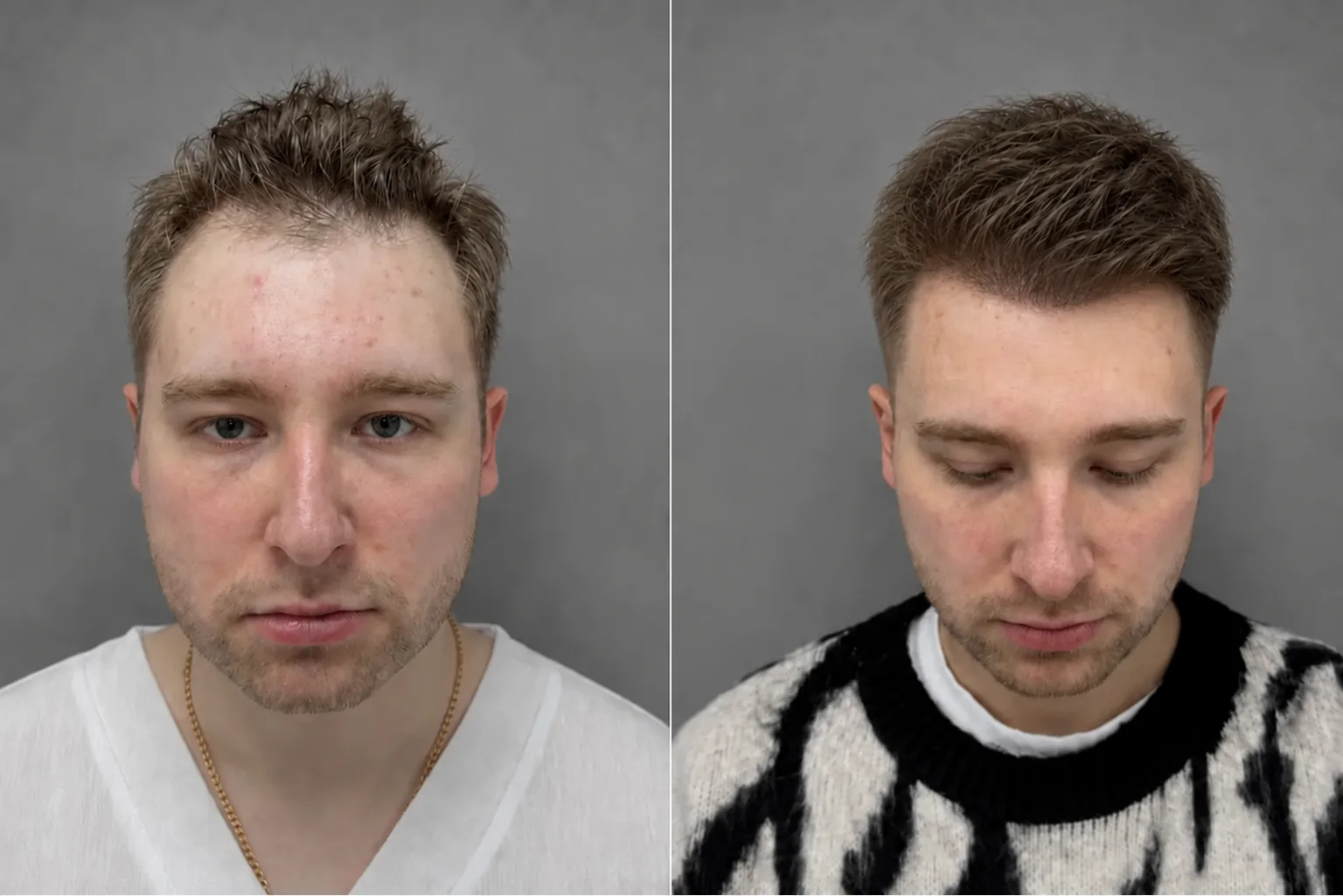
Pre-op
after 12 months
2,700 grafts
FUE-based
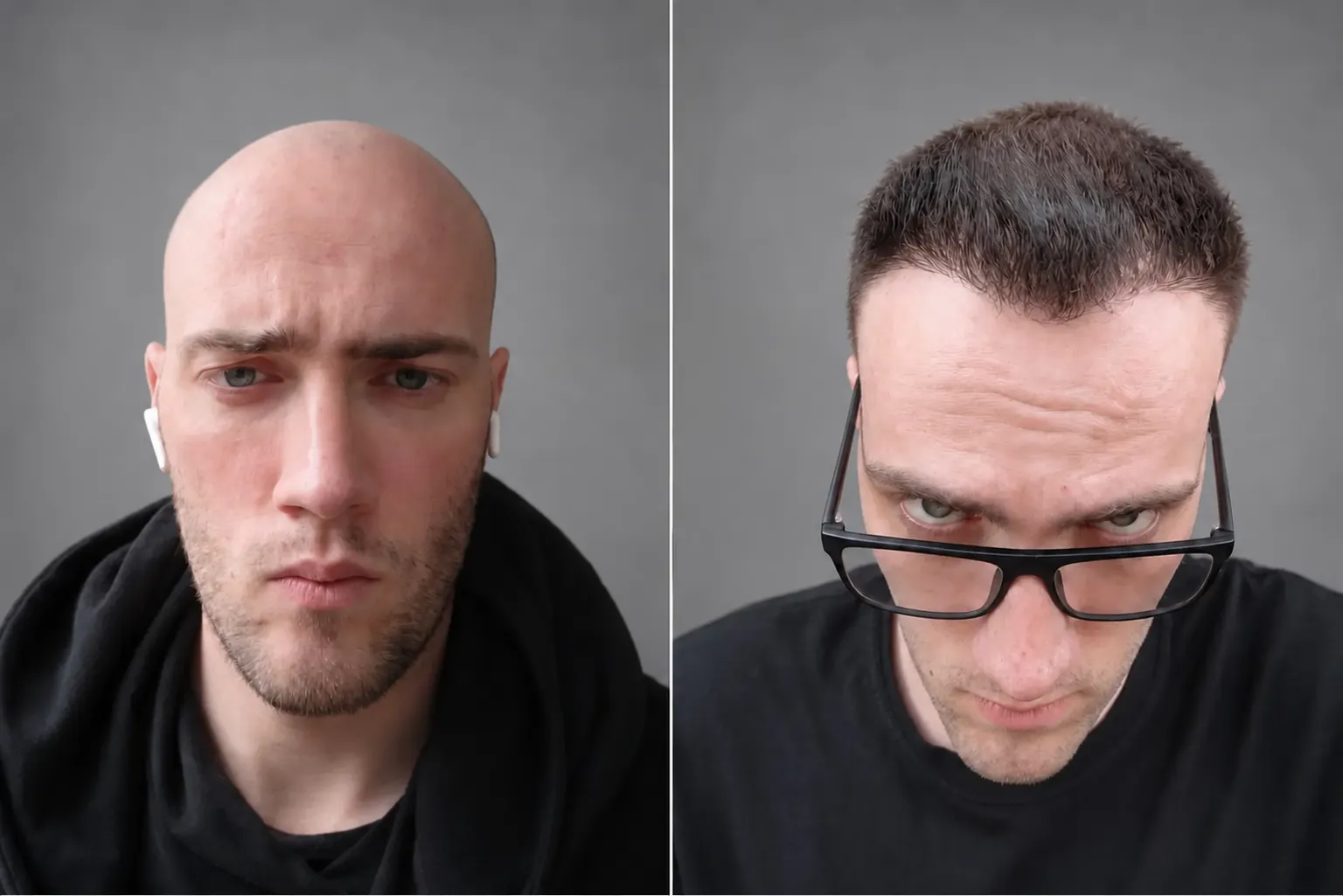
Pre-op
after 12 months
3,800 grafts
FUE-based
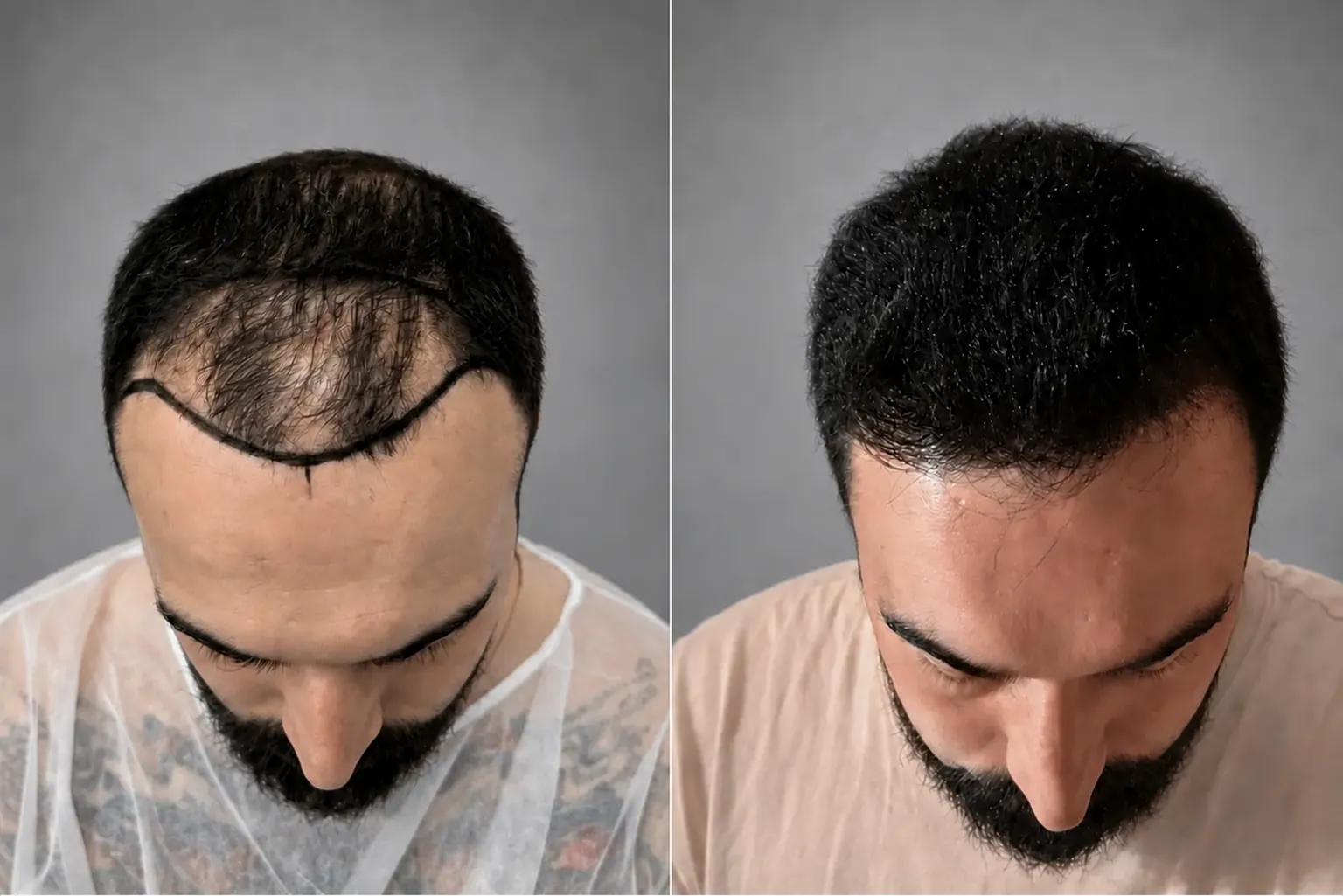
Pre-op
after 12 months
3,200 grafts
FUE-based
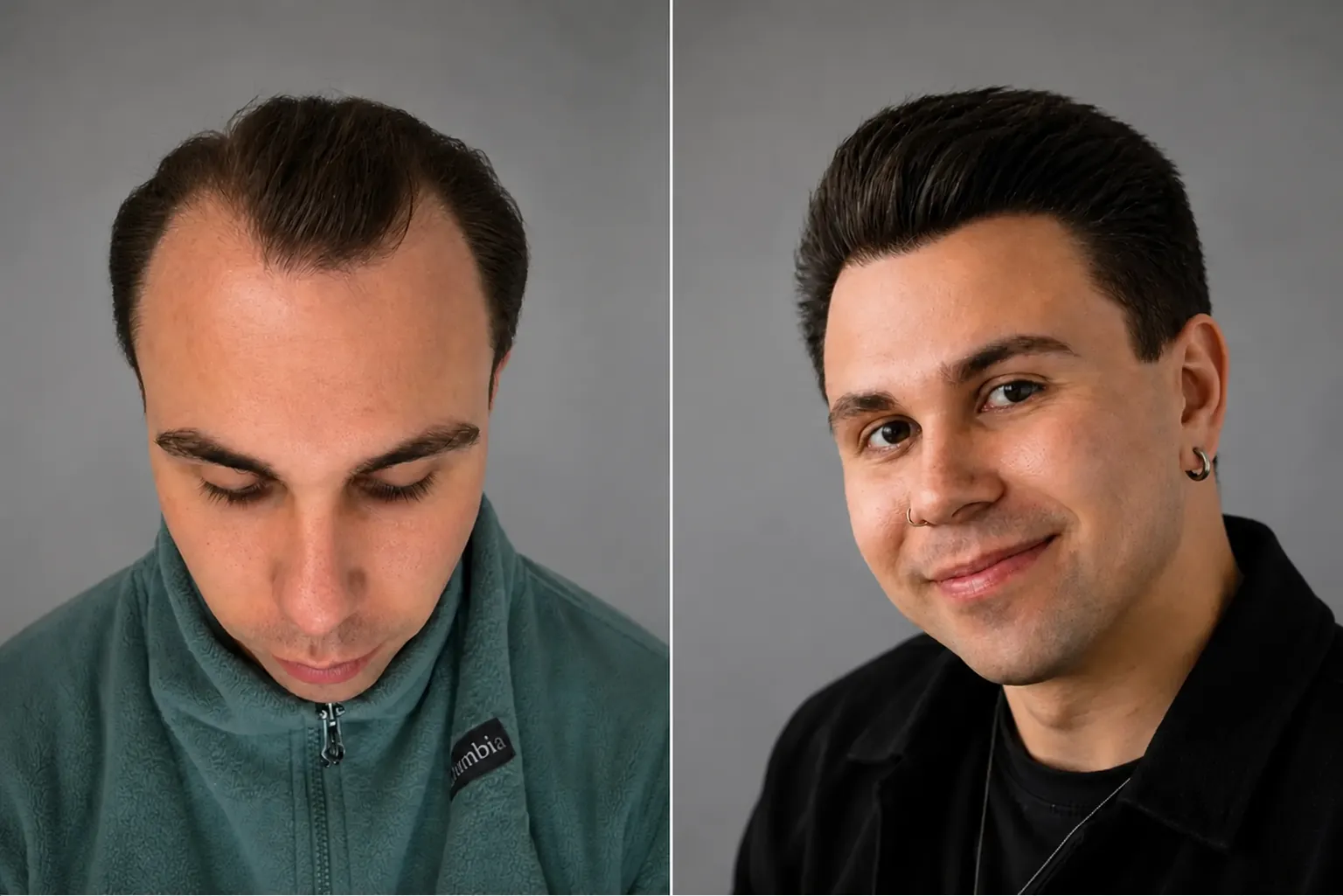
Pre-op
after 12 months
3,000 grafts
FUE-based
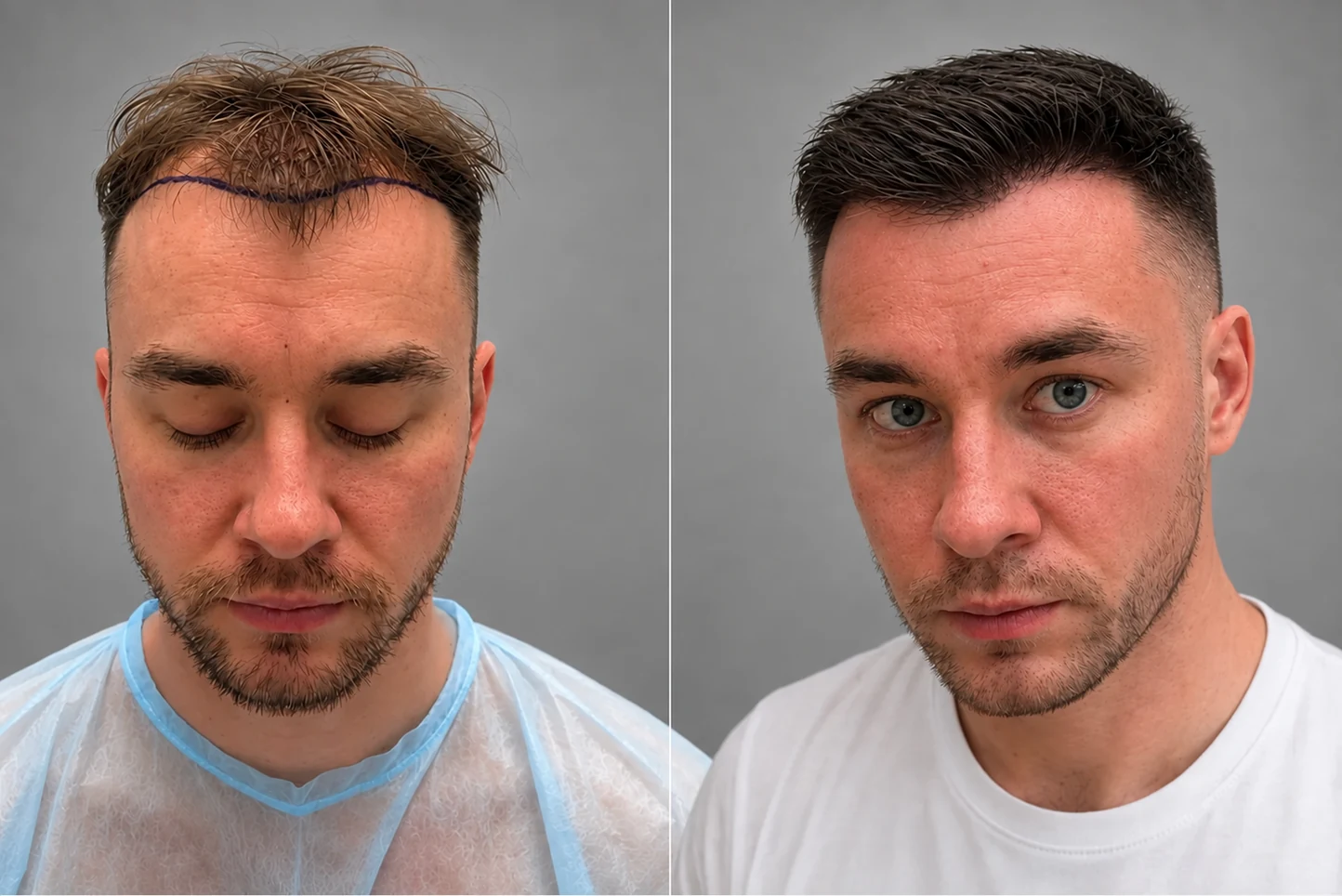
Pre-op
after 12 months
2,800 grafts
FUE-based
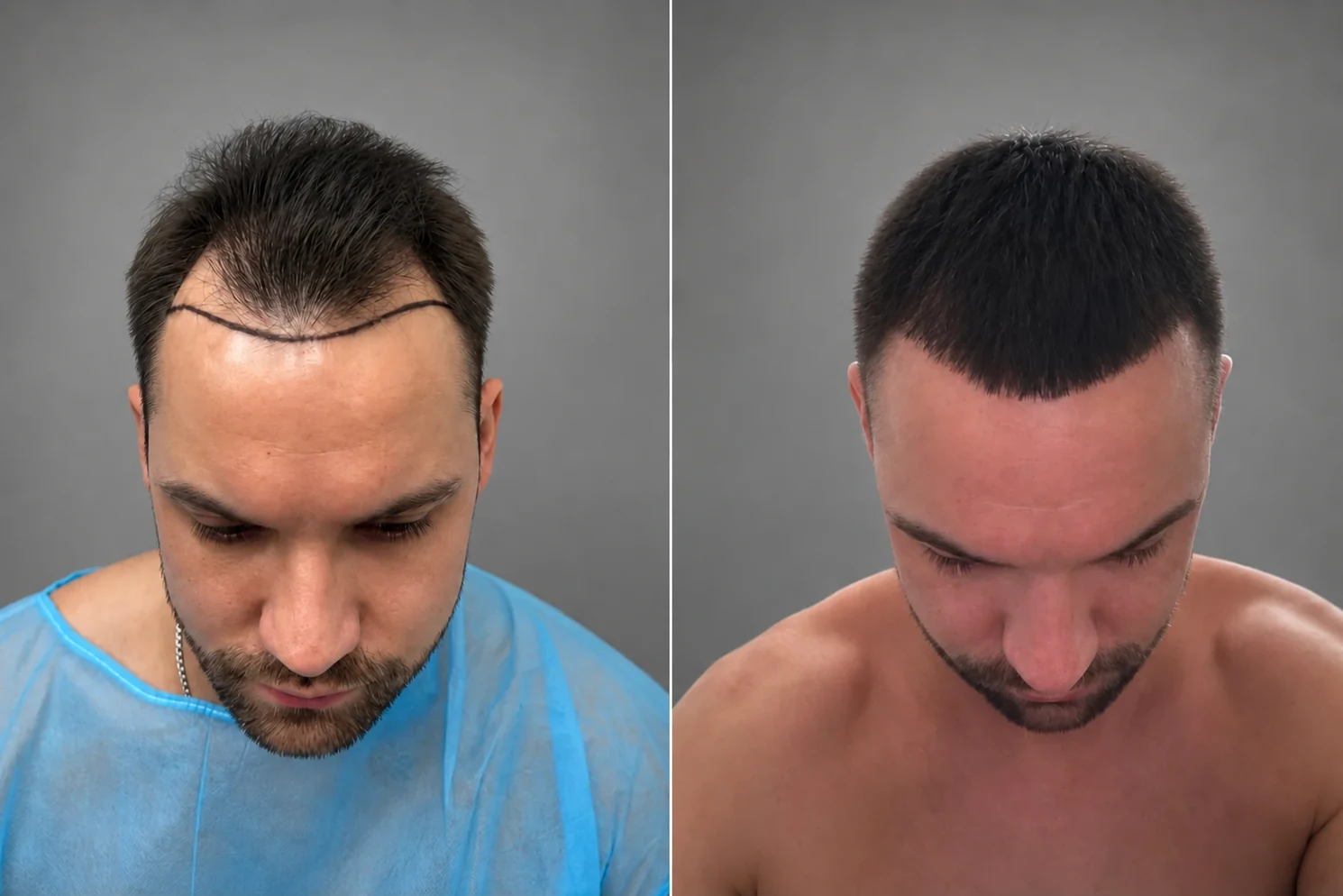
Pre-op
after 12 months
3,100 grafts
FUE-based
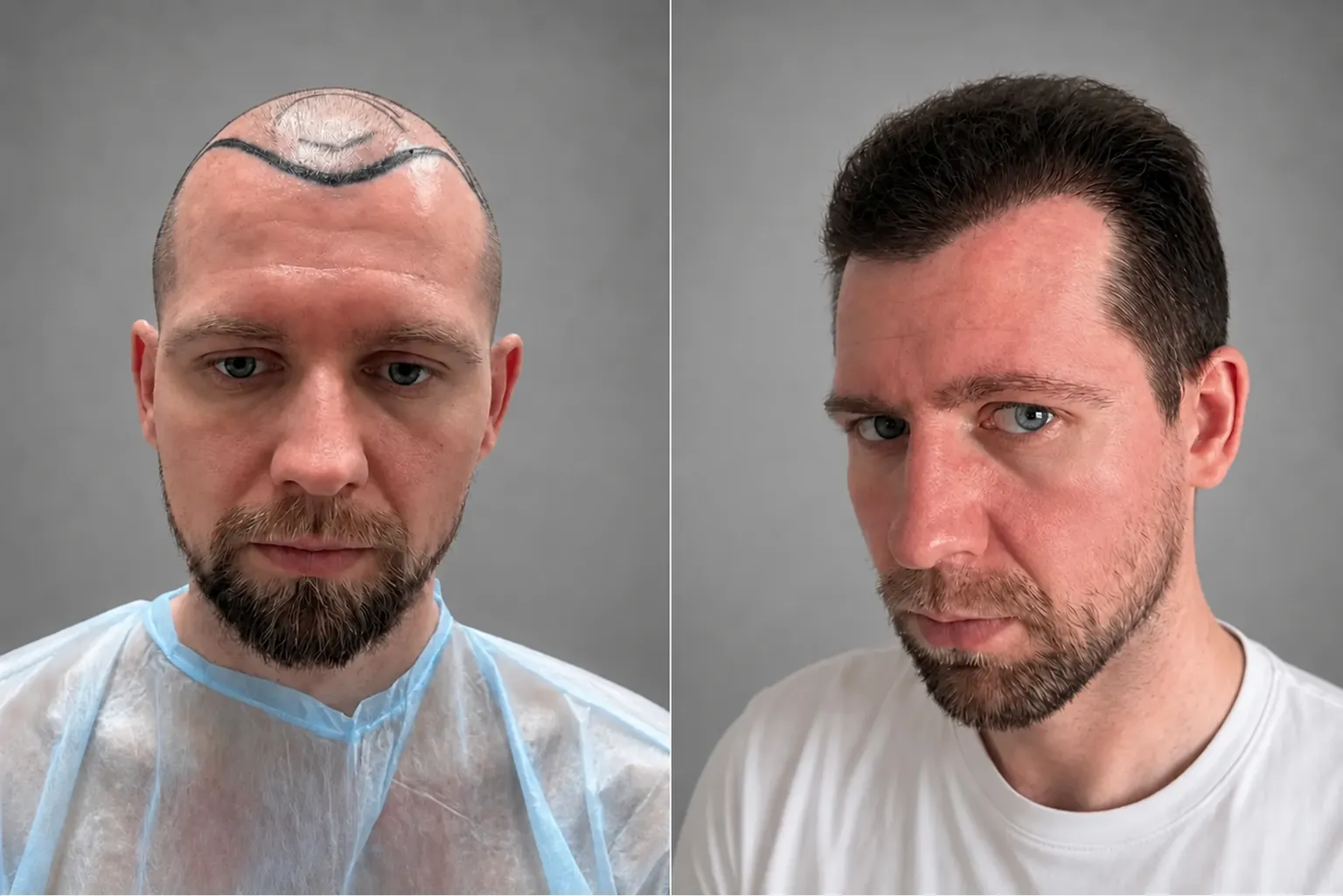
Pre-op
after 12 months
3,600 grafts
FUE-based
Comparing
Three ways of moving grafts are offered: classic FUE, DHI without sutures, and a combined protocol. They differ in how grafts are placed, how much tissue is stressed and how many grafts take, so weigh them up before you decide.
Classic technique without incisions or stitches
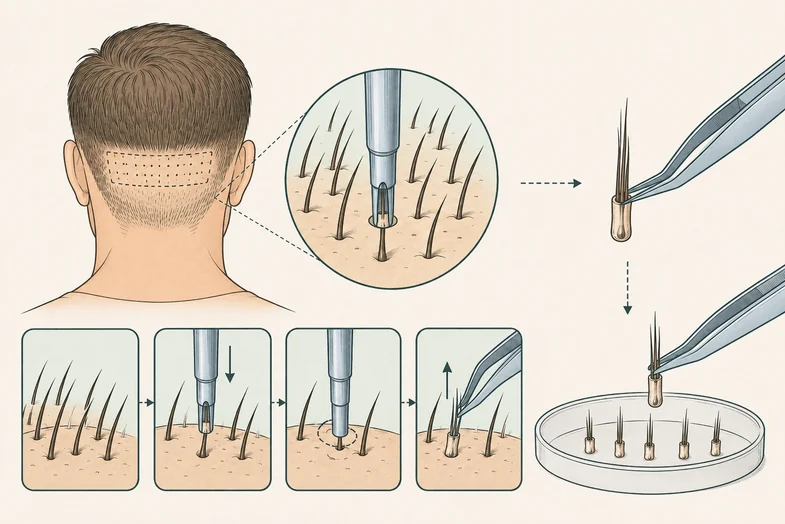
$2,200
$2,700
How the grafts are placed
ForcepsTissue damage
SlightHair's natural angle
LifelikeGrafts that take
98–100%Works well in
Androgenetic hair lossStitch-free implantation with a Choi pen
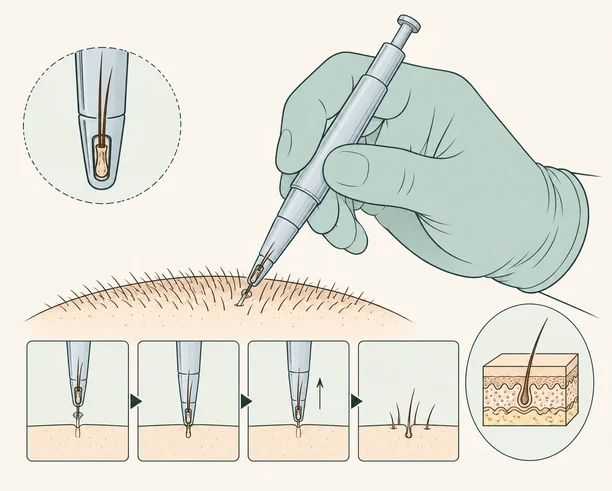
$2,500
$2,900
How the grafts are placed
DHI, a Choi implanterTissue damage
SlightHair's natural angle
LifelikeGrafts that take
98–100%Works well in
Added densityFUE extraction, DHI pen placement
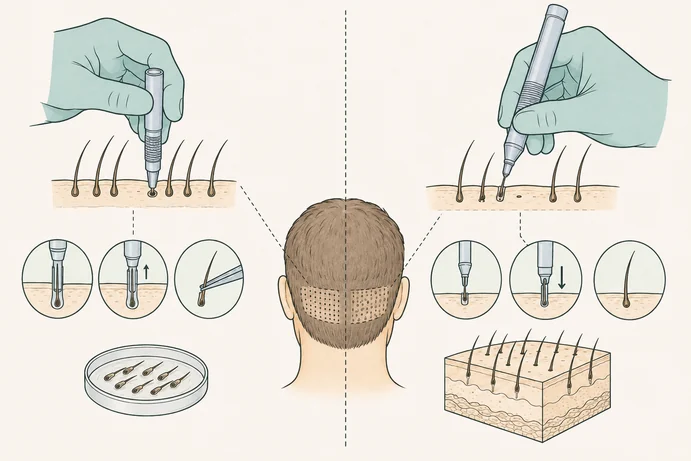
$2,700
$2,900
How the grafts are placed
FUE extraction, DHI placementTissue damage
SlightHair's natural angle
LifelikeGrafts that take
98–100%Works well in
Densification for androgenetic alopeciaSurvival and trauma figures for each method are averages and only give a rough idea; exact values depend on the area being transplanted and on your own characteristics, which the doctor works out during the consultation.
Set a consultation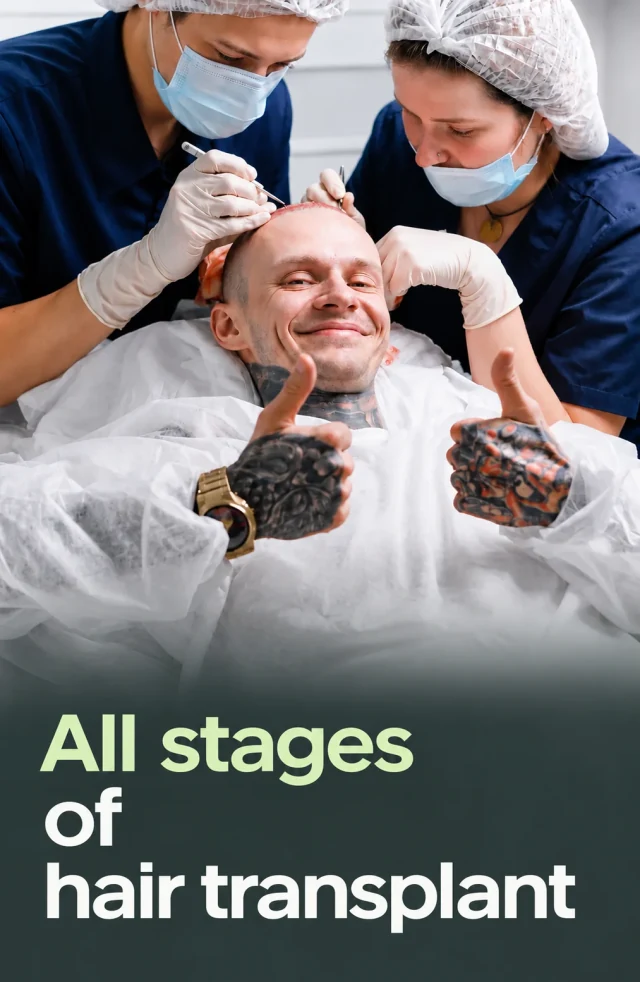


about the clinic
Attentive staff, pleasant rooms, up-to-date equipment
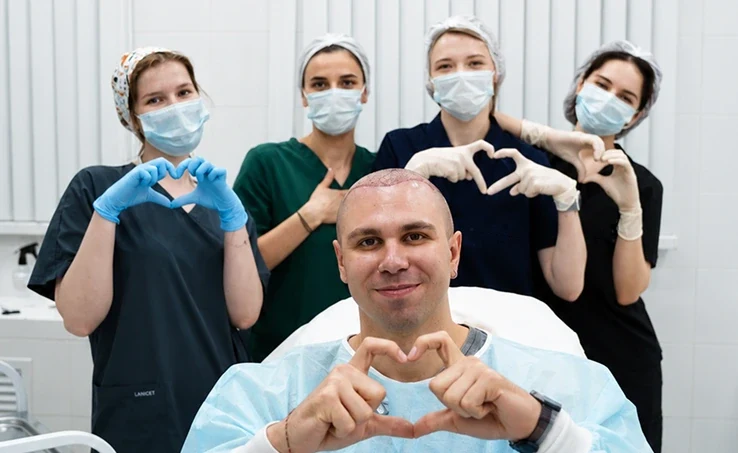
We will answer what you ask and agree a time for the consultation
TelegramMessage us on TelegramMessage us on Telegram Message us on WhatsApp Pick a messengerWhen there is a way to handle your case without an operation, the doctor says so during the consultation, and you spend nothing needlessly. The lists below show where a transplant helps.
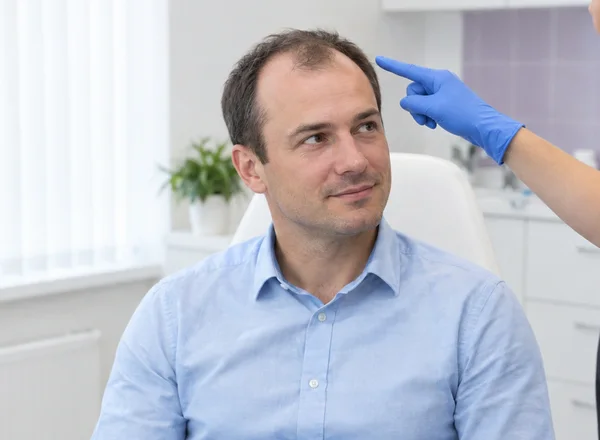

Give us a number and the photos get reviewed: our coordinator reaches you in a chat app, and the doctor says if transplanting would help. Free, no booking.
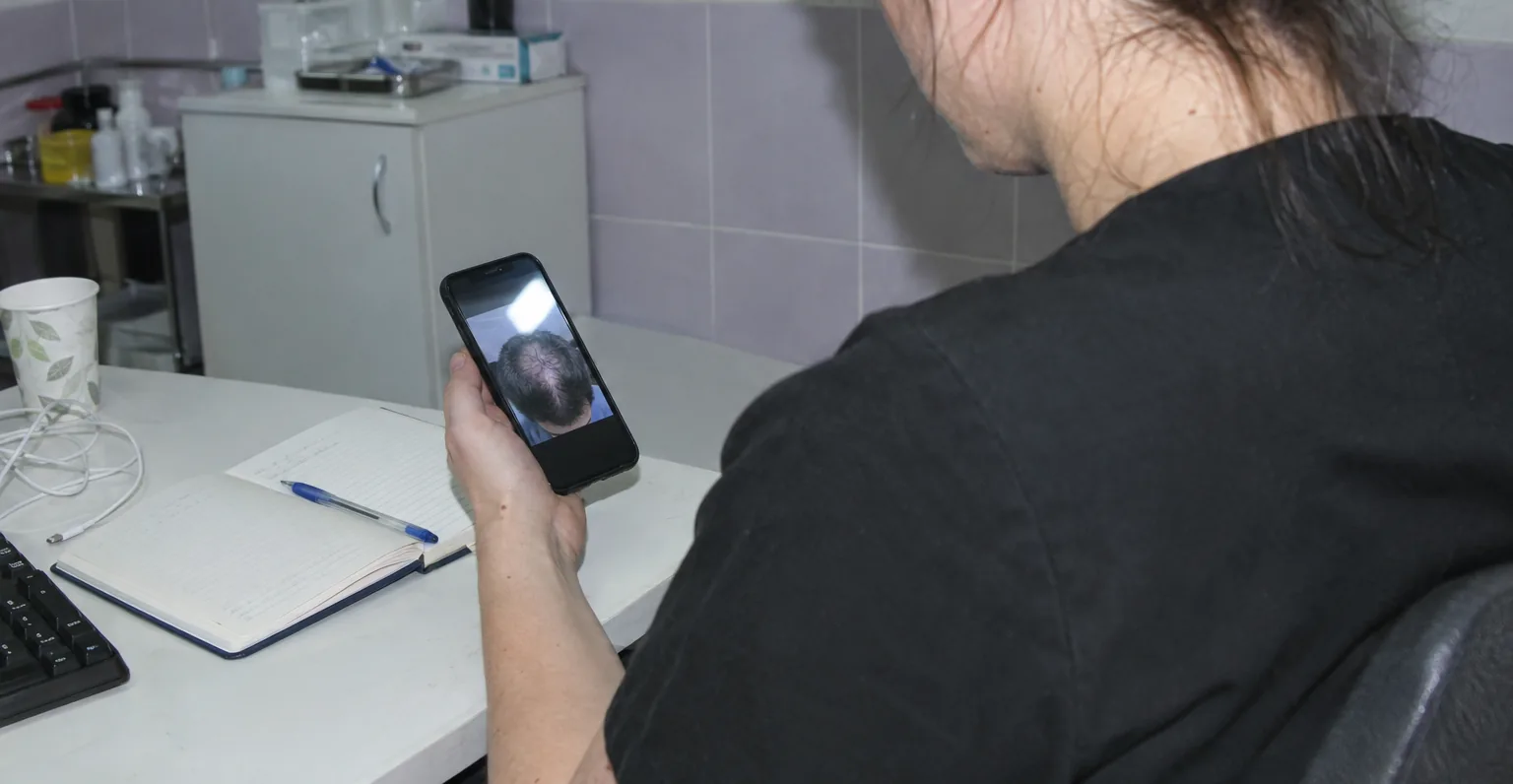
services
You hear the cost at the free consultation, after the grafts are counted; it is fixed in the contract.
stitch-free graft harvesting
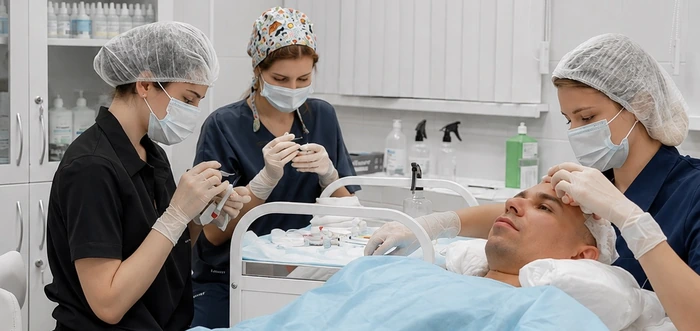
$2,200$2,700
Quote and consultation — $0.
Lock in the priceplacement without channels
$2,500$2,900
Quote and consultation — $0.
Lock in the priceblended technique
$2,700$2,900
Quote and consultation — $0.
Lock in the price| First consultation | Free |
|---|---|
| Eyebrows, FUE method | |
| Beard by FUE method | |
| Scalp trichopigmentation | |
| PRP therapy, per session | $200 |
all covered
From surgery preparation to 12 months of follow-up.
Nothing extra is charged on the day of the operation.
two more zones
Hair transplant is not just scalp work. Grafts come off the rear of the head and go in with FUE as before; what changes is the place they go.
FUE method, no incisions or stitches
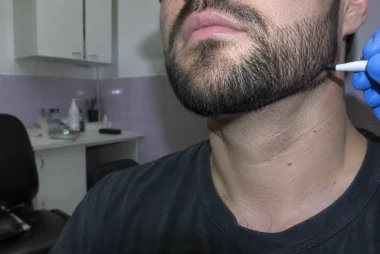
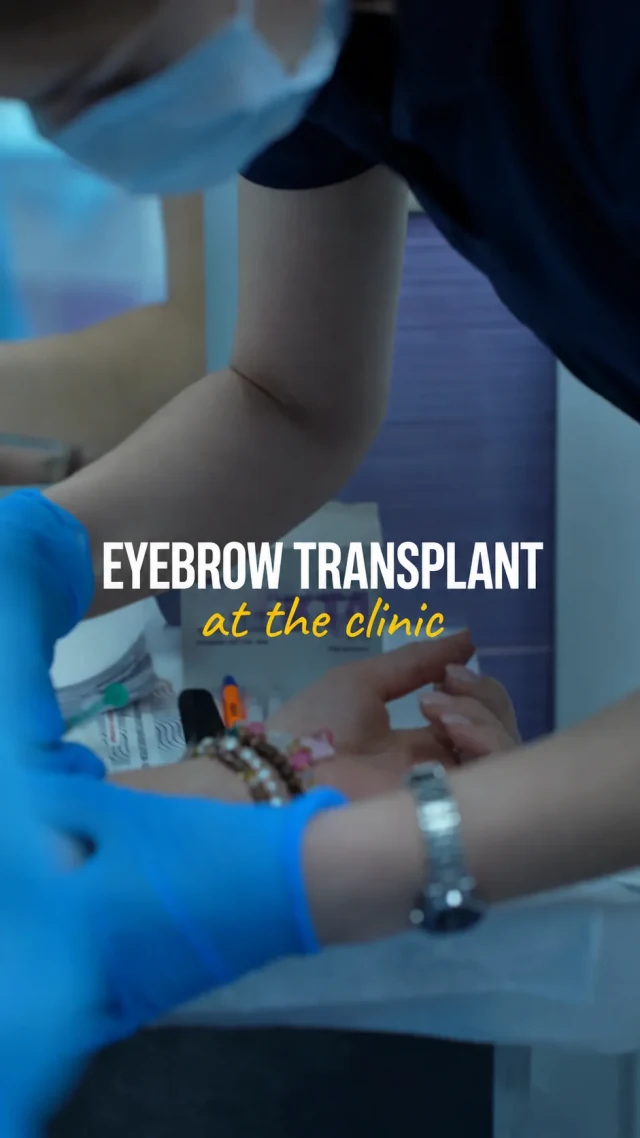
Grafts are taken from the rear of the head and set in through micro-punctures near 1 mm wide, with no scarring. Ahead of surgery the doctor discusses the outline with you, bearing your face in mind. Transplanted hair keeps growing throughout life, and the beard may be trimmed and styled as normal.
$2,800$3,000
Quote and consultation — $0.
Lock in the priceFUE method, no incisions or stitches
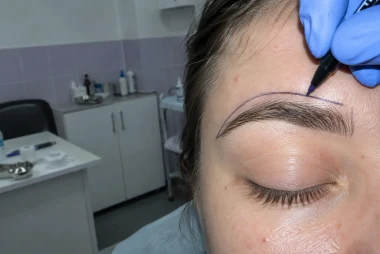
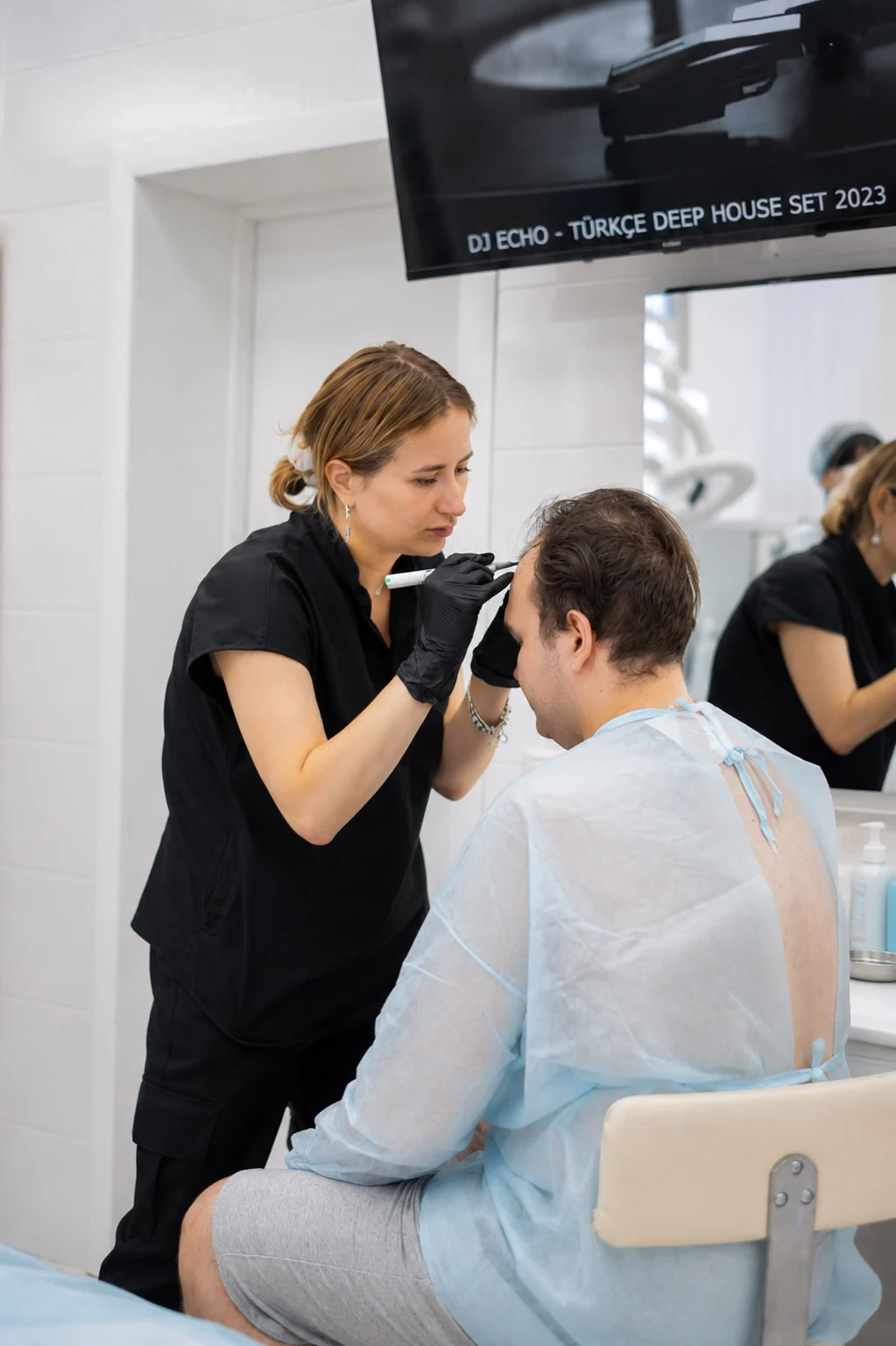
At the first consultation the surgeon sketches the eyebrow outline. The two of you review reference pictures, and the design suits your face. Hairs go in at the correct angle so the brows look natural, and this also works where plucking has ended regrowth.
$1,600$1,700
a day procedure done under local anaesthesia
Lock in the priceYour donor zone is examined by the doctor, who counts the grafts and explains what outcome is realistic for you. The cost is stated at the consultation and written into the contract.
Message our coordinator
Free online consultation, answer within 15 minutes
Message us on TelegramMessage us on WhatsAppBy messaging us, you agree to our Privacy Policy
Stages
Attentive staff, pleasant rooms, up-to-date equipment
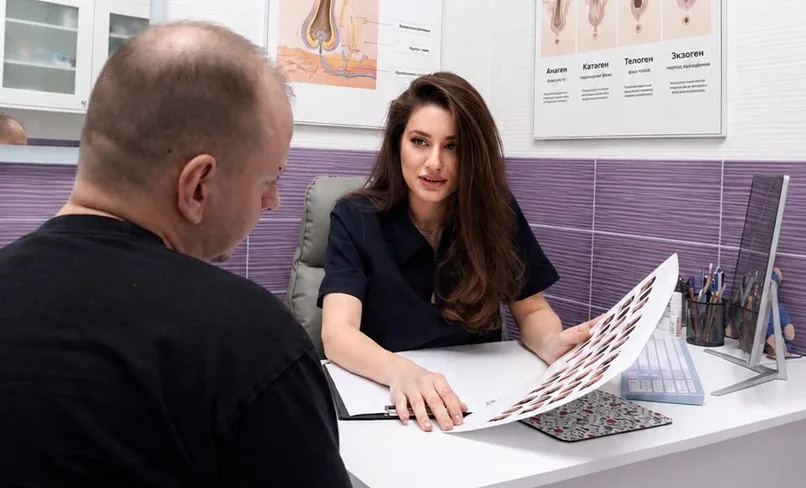
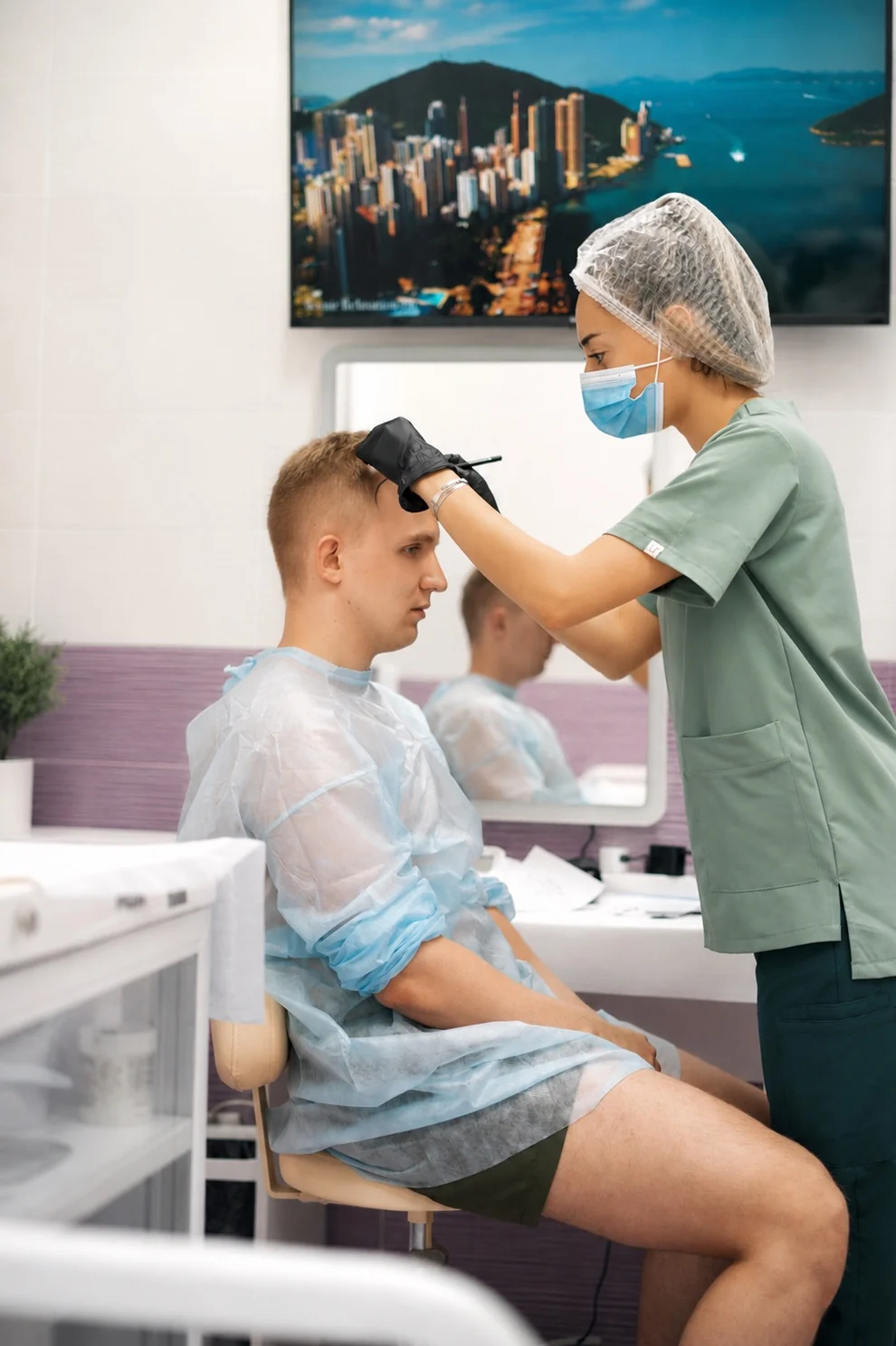
At the initial consultation the doctor describes how FUE and DHI work, answers whatever you ask, and builds a plan for your own operation. You pay nothing for this consultation.

A person from Lusaka holds a surgery slot by leaving a deposit, payable by card at the clinic site or via the internet, and a medical services contract lays down the terms.
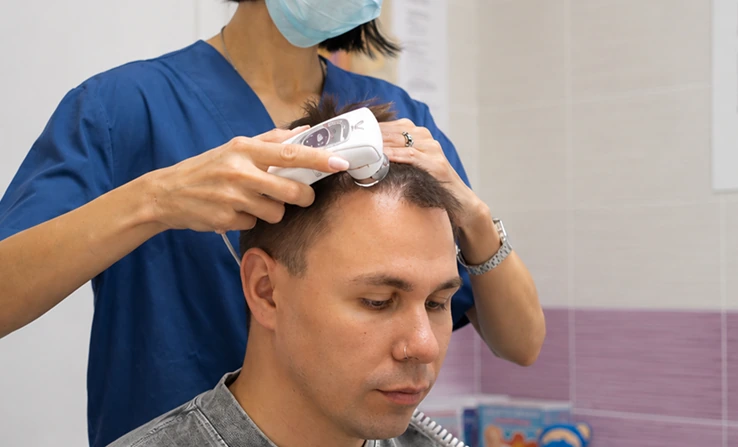
This is the pre-surgery stage: you take the tests the clinic lists and follow its instructions closely, step by step.
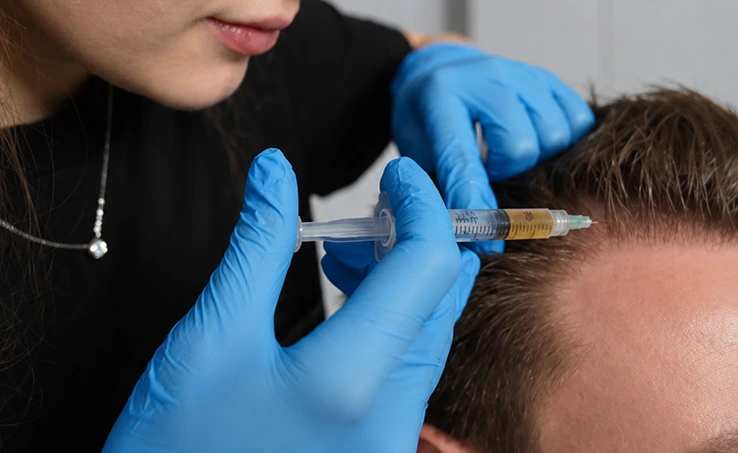
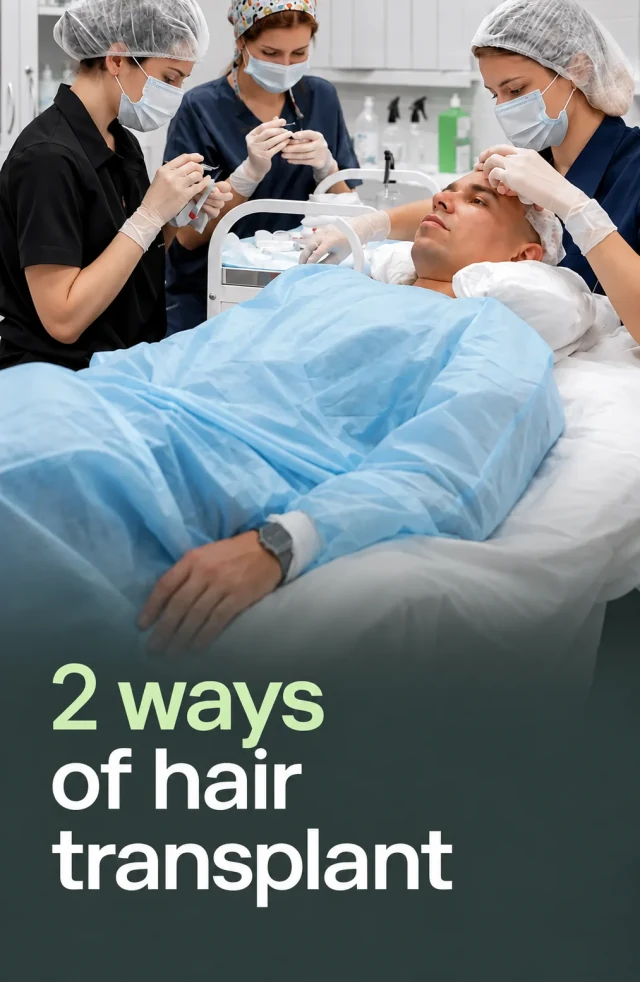
This step uses local anaesthesia to make sure the operation is completely painless.
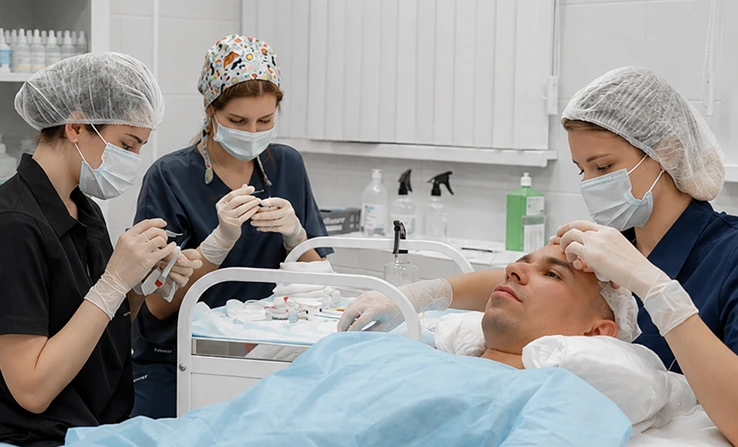
Grafts come from the rear of the scalp or from the temples, and no stitches are used at all.
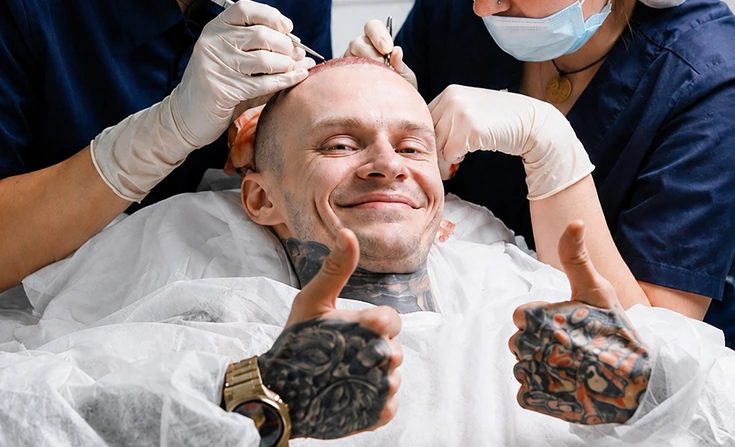
Grafts are placed into the area of hair loss during this stage of the procedure.
For patients in Lusaka, recovery comes with everything needed from the clinic plus full instructions for a fast healing process.
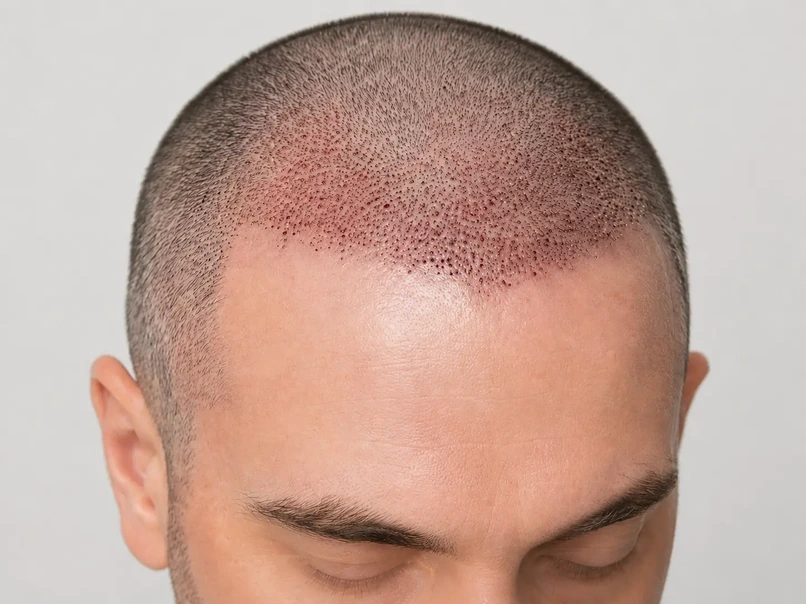
Crusts come off, swelling goes down, and the area gradually recovers
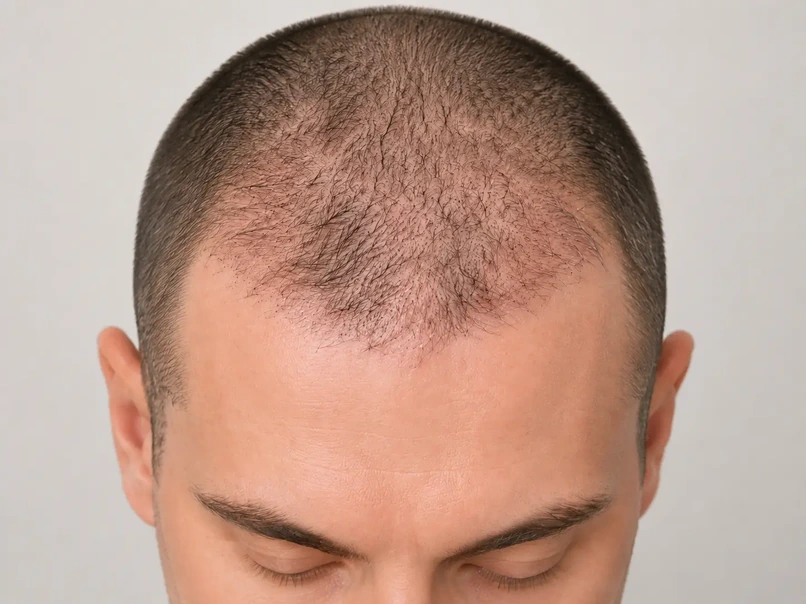
Expected. Just the hairs shed while the follicles stay put
Slowly the new hairs show up and the outcome is visible
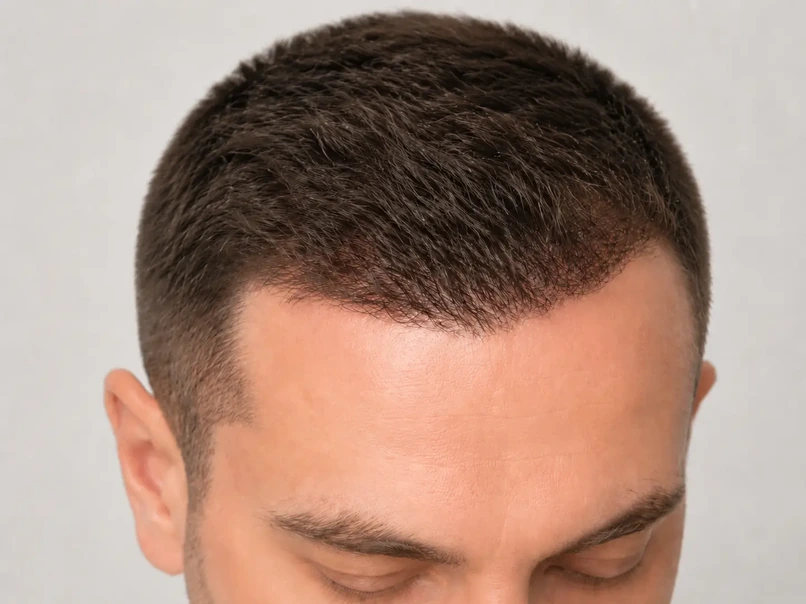
The hair becomes thicker, and the volume and contour are visible
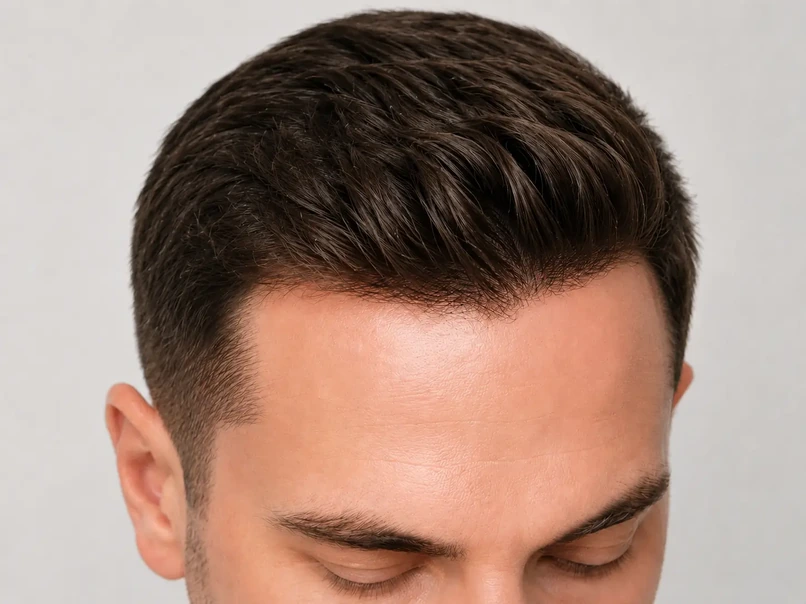
The final density and natural hairline take shape
Free, before surgery and with no obligation at all.
Set a consultationdoctors
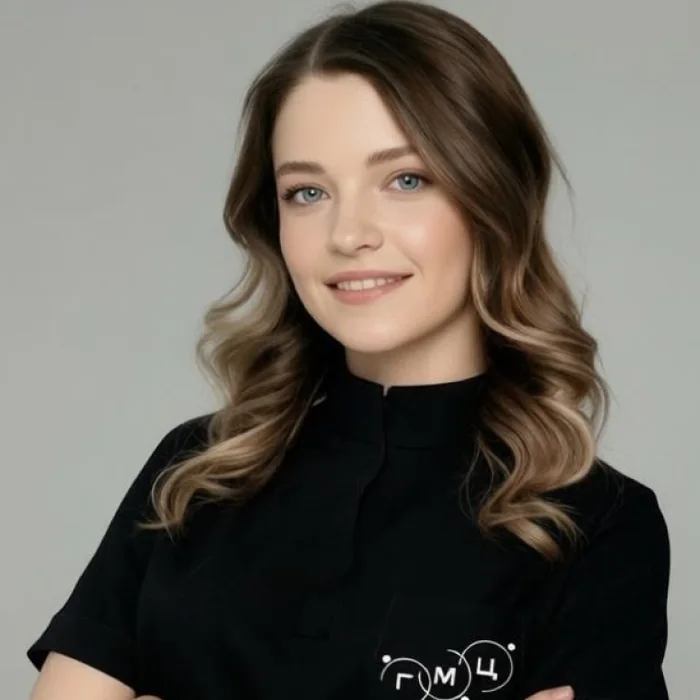
Hair transplant doctor, trichologist surgeon

Dermatovenereologist, trichologist, surgeon
11 years in practice
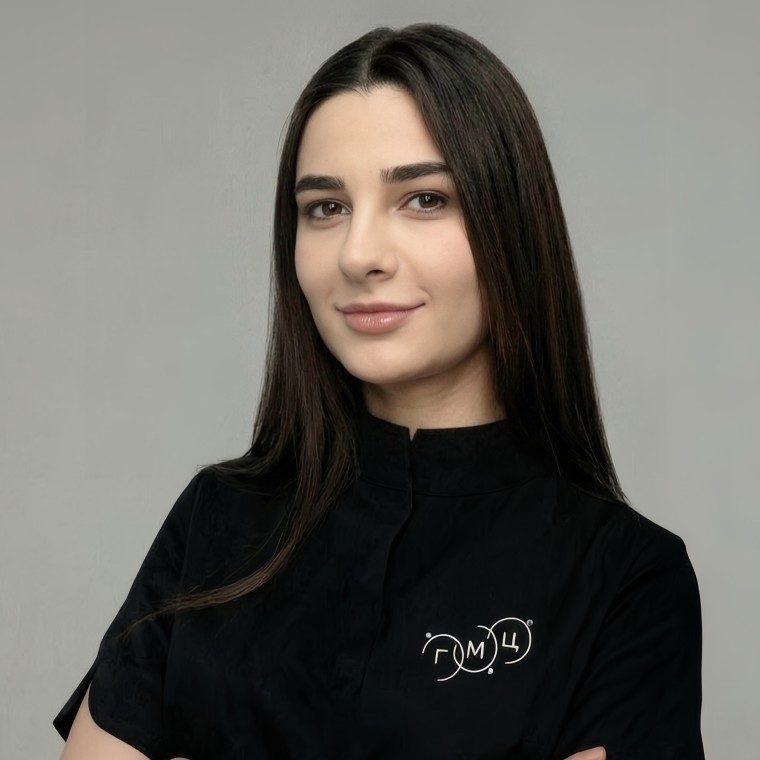
Plastic surgeon
9 years of experience
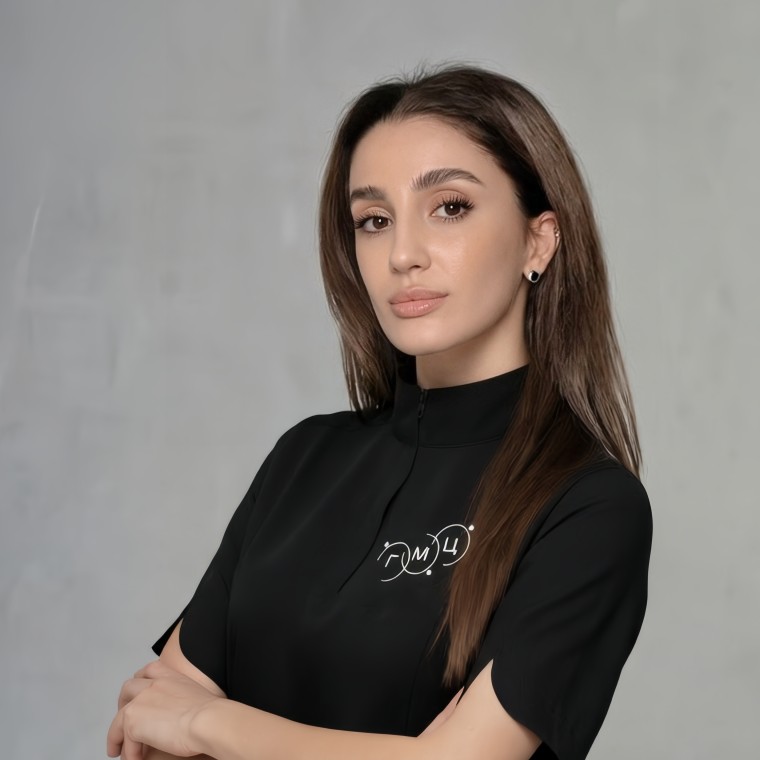
Plastic surgeon
9 years of experience
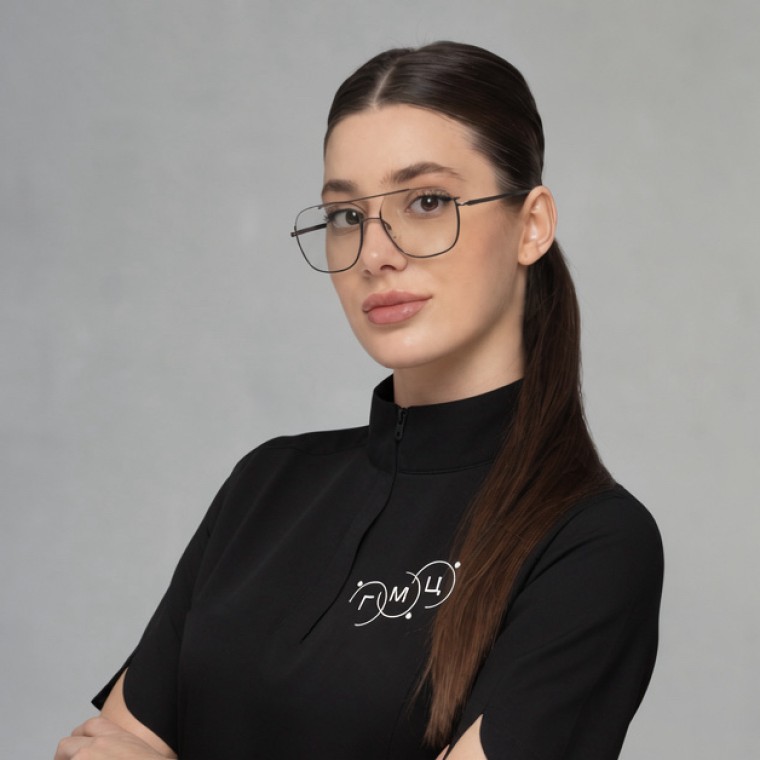
Assistant
9 years of experience
Your donor zone is checked by the doctor, who counts the grafts and says what outcome is reachable.
Set a consultationcoordinators
You get a personal coordinator — they guide you from your first enquiry through to recovery.
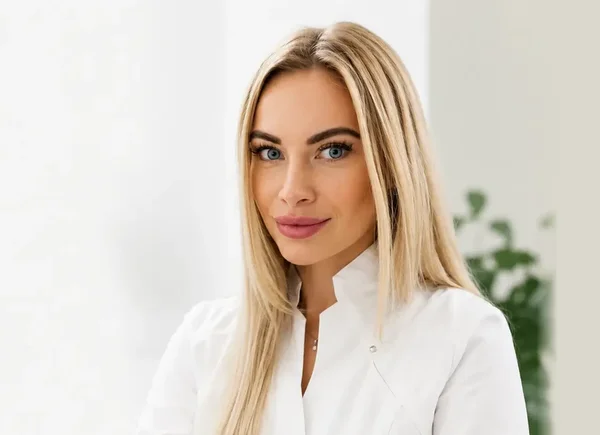
Patient care specialist
Will stay beside you before and after surgery
Will help with papers and bookings
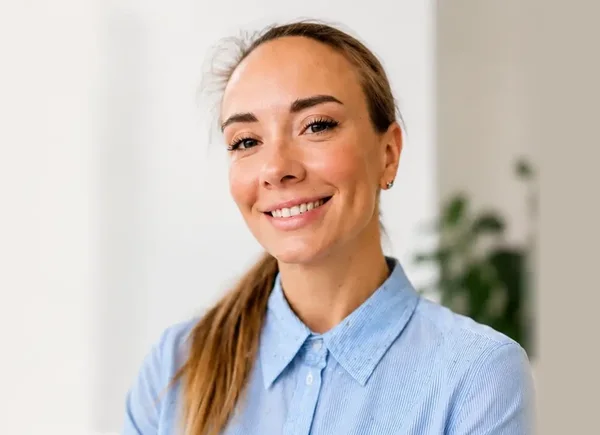
Patient care specialist
Will stay beside you before and after surgery
Will help with papers and bookings

Patient care specialist
Will stay beside you before and after surgery
Will help with papers and bookings
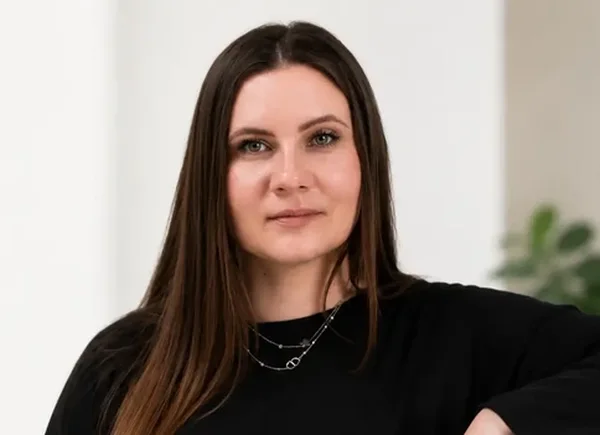
Patient care specialist
Will stay beside you before and after surgery
Will help with papers and bookings
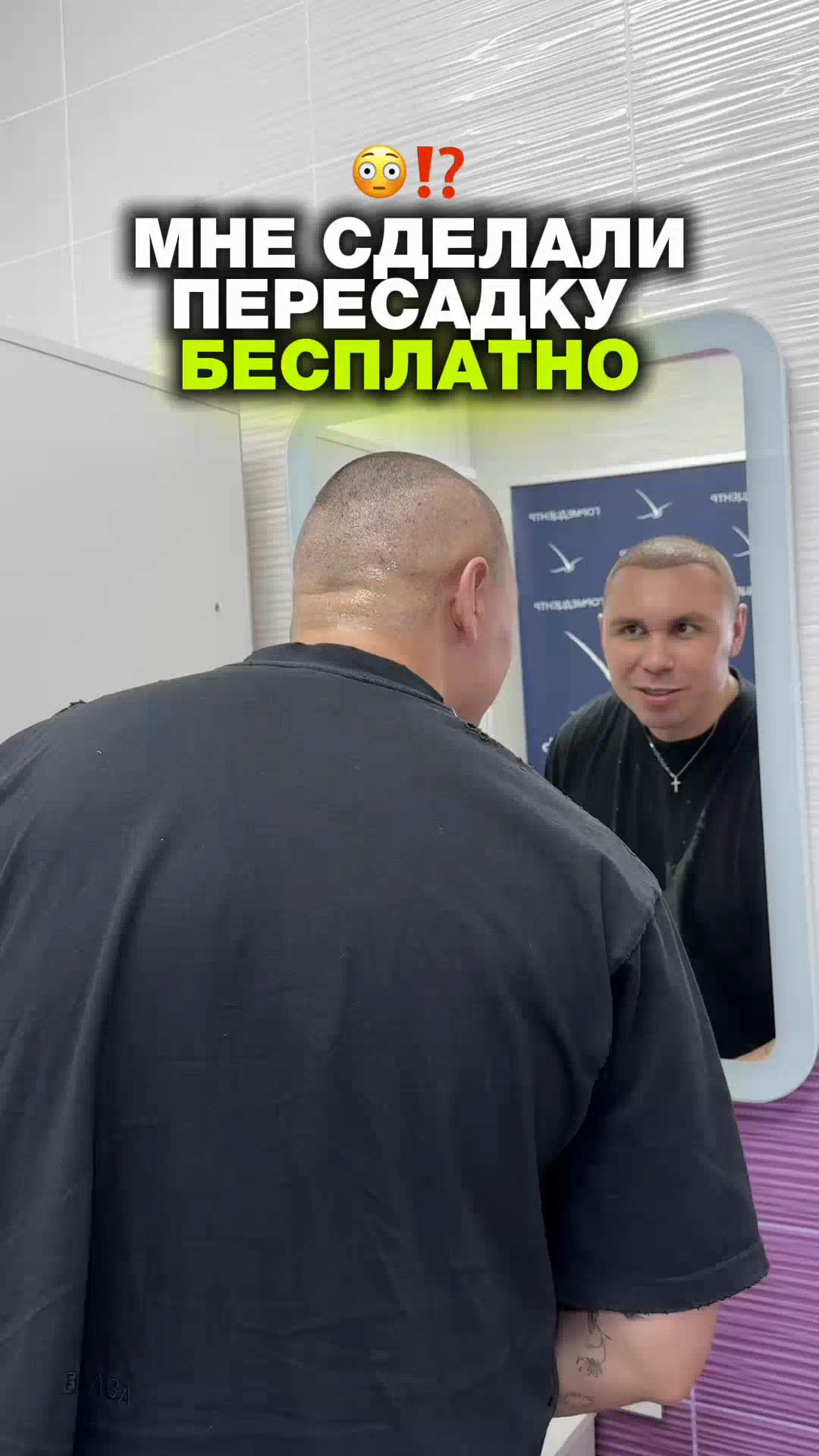

We will answer what you ask and agree a time for the consultation
TelegramMessage us on TelegramMessage us on Telegram Message us on WhatsApp Pick a messengerReviews
I am sharing my experience, because before the operation I went through a pile of reviews myself and was looking for real stories. I had a beard transplant six months ago. Honestly, in the first days after the procedure I felt a little jittery: my face looked unfamiliar, there was slight swelling and small scabs. In the first couple of months the hair partly fell out, as the doctor had warned. But now the result truly makes me very happy) From about the 4th month active, even growth began. The transplanted hair took very well, the beard now looks as natural as possible, no bald patches are left. The beard became much thicker and denser, with the shape I had thought about for a long time. All in all, I recommend the clinic, the doctor was polite and explained everything 👍 The result is definitely worth it!
Review on Google
І experienced hair loss due to COVID and turned to this clinic; they helped me and performed a hair transplant, moving hair from the back of my head to my temples. Thank you.
Review on Google
I traveled to this clinic and do hair transplant, very good quality and cheap. Good doctors
Review on Google
Common questions
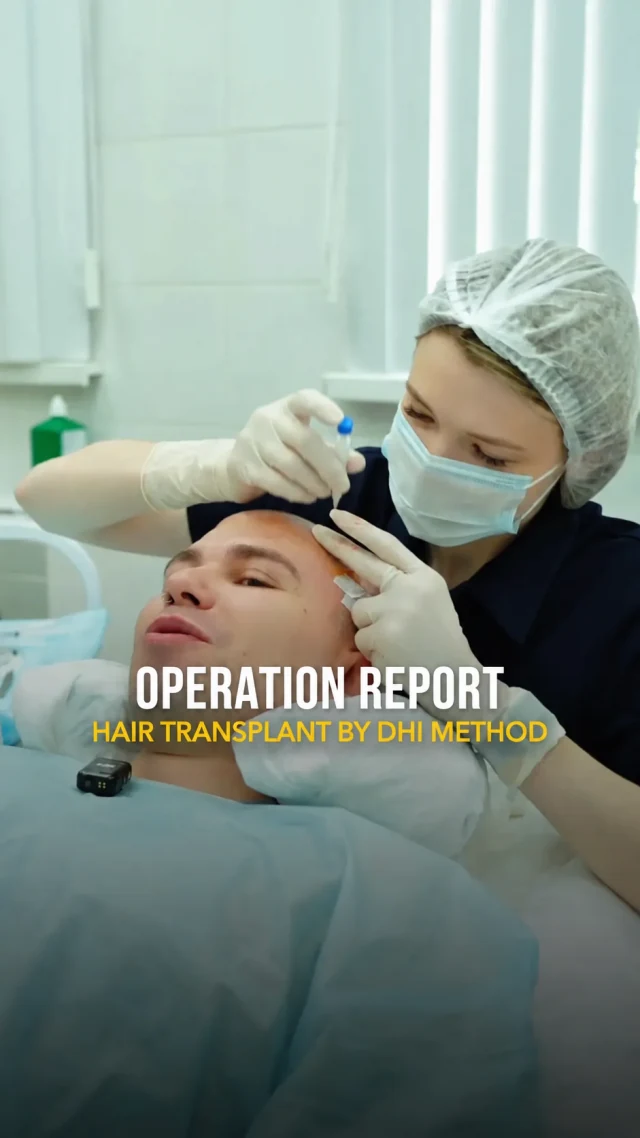
Many people say hair implants, yet no synthetic hair is used. What the surgeon does is relocate follicles of your own, taken from the donor zone, into patches that have thinned or gone bald, using FUE or DHI.
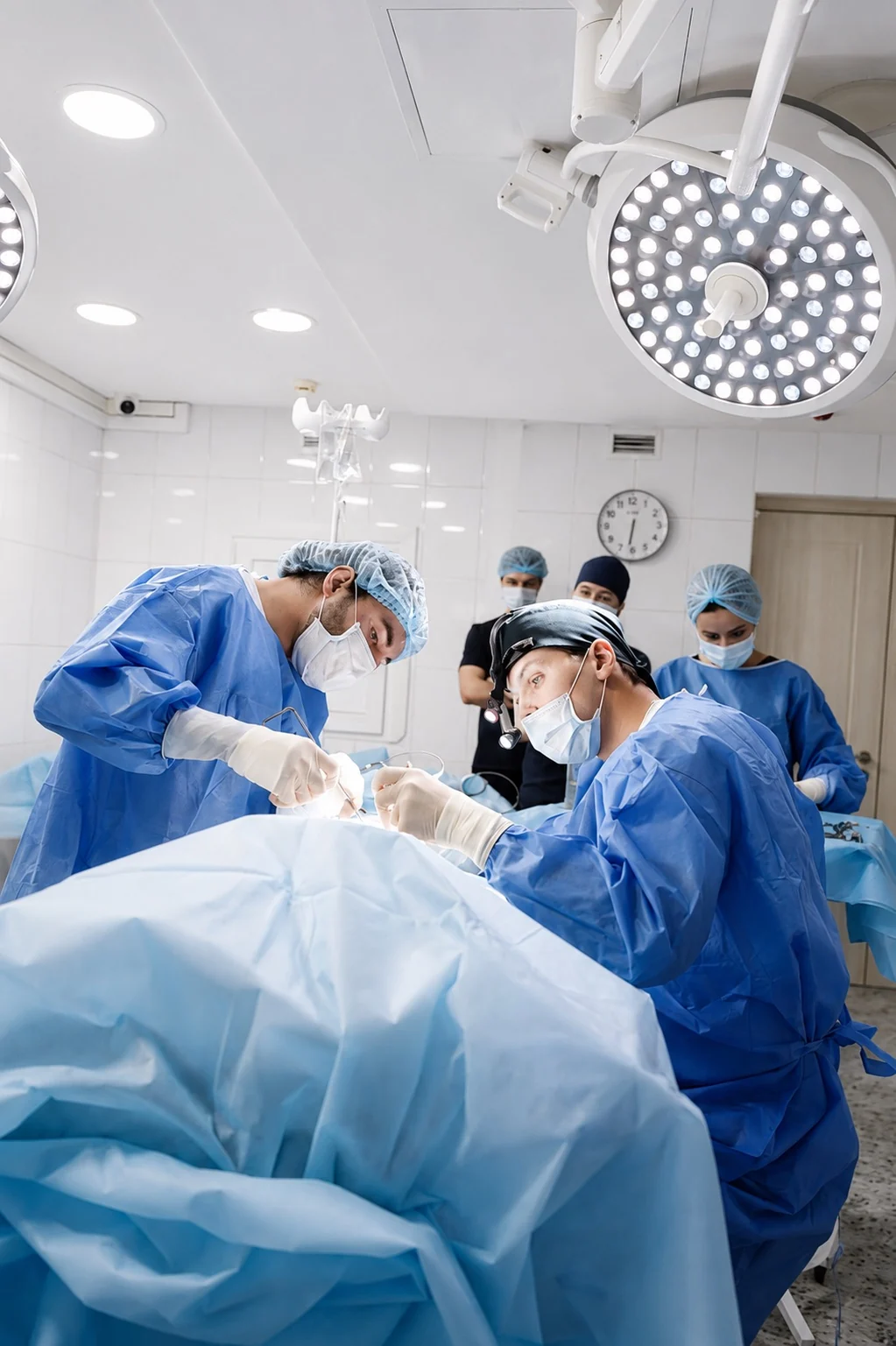
Yes. City Medical Centre accepts patients from other cities and countries, and an online consultation is available before you decide.
FUE costs $2,200 (≈ ZMW 43,500), DHI $2,500 (≈ ZMW 49,500), the combined method $2,700 (≈ ZMW 54,000). Following a free graft count you get the final price, set in the contract with no hidden extras.
The whole procedure takes place within one day, and then you travel home.
This works for stable pattern thinning and a receding hairline, as long as the donor area can supply enough grafts. A few kinds of alopecia need treating first, and the doctor checks that during the consultation.
No — the procedure is done under local anaesthesia and is painless.
FUE is the classic method: grafts are harvested with tweezers, with no cuts or stitches. DHI implants grafts without channels, using a Choi pen. A combined method harvests grafts by FUE and implants them with the DHI pen.
The doctor calculates your graft number free of charge at the consultation, using the donor area.
Healing takes up days 0–10; the transplanted hairs shed as expected at weeks 2–4; growth starts at 3–4 months; density builds at 6–9 months; the end result takes 12–18 months.
Terms for hair growth are set out in the contract for your procedure.
For a person from Lusaka the procedure is over within one day: FUE and DHI with no cuts or stitches, performed under local anaesthesia. Graft survival is 98 to 100 per cent, and a price from $2,200 (≈ ZMW 43,500) goes into the contract once the grafts have been counted free of charge.
The first step costs nothing for anyone in Lusaka. The consultation is held online: the doctor looks at pictures of the thinning area and estimates the graft number from them. The clinic can be reached at any hour, which is simply how it works there.
Following surgery: healing takes 0-10 days, the transplanted hairs fall out normally after 2-4 weeks, growth begins at 3-4 months, density builds by 6-9 and the final look settles by 12-18. Appointments come at months 1, 3, 6, 9 and 12, you send progress pictures to your own coordinator, and growth terms are agreed in the contract.
Prices are in US dollars; the amount in brackets is an approximate conversion to ZMW at the rate of 02.10.2026. The final price is fixed in your contract.
By messaging us, you agree to our Privacy Policy
Public accounts from well-known people about the operation: hair transplant.
Written by Anastasia A. Kolesnik, plastic surgeon, hair transplant doctor
Medically reviewed by Ellina V. Goncharova, dermatovenereologist, trichologist, surgeon. Review date:
How we prepare and review medical content · Medical disclaimer
The 2022 census counted 2,204,059 people in Lusaka District, which is coterminous with the city, and 3,093,617 in Lusaka Province, the most populous province in Zambia. Whichever part of it you live in, the first conversation about thinning hair can happen without leaving home. The online assessment is free, it books nothing, and a coordinator replies on WhatsApp and Telegram round the clock.
Aim for a message you can write in three minutes and a doctor can read in one. Open with the single thing you would like to change: a higher forehead, a thin crown, patches, or a beard or eyebrows that never filled in. Then attach photographs of the areas concerned and of the back of the head, taken in even light.
Under the pictures, add a short history: the age at which you first noticed the change, whether it moved quickly or slowly, whether anyone in the family is affected, and what you have tried so far. Add any illness, regular medicine or operation. The doctor studies the material and tells you whether a transplant would help; if it would not, you hear that without paying anything.
Finish by saying what would count as success for you. A denser front and a covered crown are different goals, and each needs a different quantity of grafts. A doctor can only plan for the goal you name.
After your message, the coordinator proposes a time for the online consultation and the doctor reviews your pictures before it. Prepare three questions of your own for that call, and write the answers down as they are given, with the date.
Keep a plain log of every exchange with any clinic: the date, who replied, what you asked and what was promised. Within two weeks the log shows which replies were specific and which were only friendly.
Before any money moves, ask the clinic to confirm in writing three things: the number of its medical licence, the full legal name of the organisation providing care, and the credentials of each doctor who will take part. The doctors' diplomas and certificates are open to inspection, and nobody should mind your asking.
Then ask which specialist on the hair team will examine your donor zone, and note the name. Keep the replies in one place with the date you asked and the date you were answered. If you later need to compare two clinics, those notes save an afternoon.
Hesitation is information. If a clinic is slow to give a doctor's full name or the number of its licence, or answers with a general reassurance in place of a document, repeat the request politely in writing. Clear answers arrive fast when they exist, and a pattern of vague replies tells you something about how the rest of the relationship will go.
An insurance handbook is worth reading to the end. One private health plan in Zambia, established in 2021, excludes cosmetic, reconstructive or remedial disorders unless they are the direct result of a covered medical condition. Hair restored for appearance does not fit the exception, so do not plan around a refund from a policy like that.
That wording belongs to one insurer, and yours may differ. Send your insurer one written question that quotes the procedure by name and ask for a written reply. If hair loss in your case follows an illness or a treatment, mention the history, because the exclusion above turns on whether the disorder is the direct result of a covered condition.
Ask for the written contract before paying. Money sent as a deposit holds the surgery date; the paper records what you agreed. Nothing said in a chat can stand in for it.
FUE takes follicular units from the donor zone with forceps. There are no incisions and no stitches, the hair keeps its natural angle, and the clinic quotes 98 to 100 per cent graft survival, adding that the method suits androgenetic alopecia. DHI uses a Choi pen to implant straight into the skin, so channels are not opened ahead of time. In the combined method, grafts come out by FUE and go in by DHI, which the clinic positions for densification.
These percentages are orientation, not promises: the exact figures depend on the zone treated and on you. When you talk to the doctor, ask for the recommended method and the reasoning in one line, and ask for the expected number of grafts only after the donor zone has been examined. A count given from photographs alone is provisional.
Should you also want a beard or eyebrows, say so in the first message. The back of the head supplies those grafts too. For a beard they travel through micro-punctures about a millimetre across; for eyebrows the surgeon first sketches the line and goes over reference photographs with you. Eyebrow work is a day-case operation under local anaesthesia, and the questions you put about method apply equally.
Two quotations compare fairly only when four items match: the method, the number of grafts, the area covered and the person who does the work. If one of the four differs, that difference, not the headline, explains the gap between the offers.
Turn each claim you read about methods into a question for the doctor: which method, which area, how many grafts, who operates, what is included. A claim that cannot be turned into a question is advertising, and a question the doctor answers in writing is evidence.
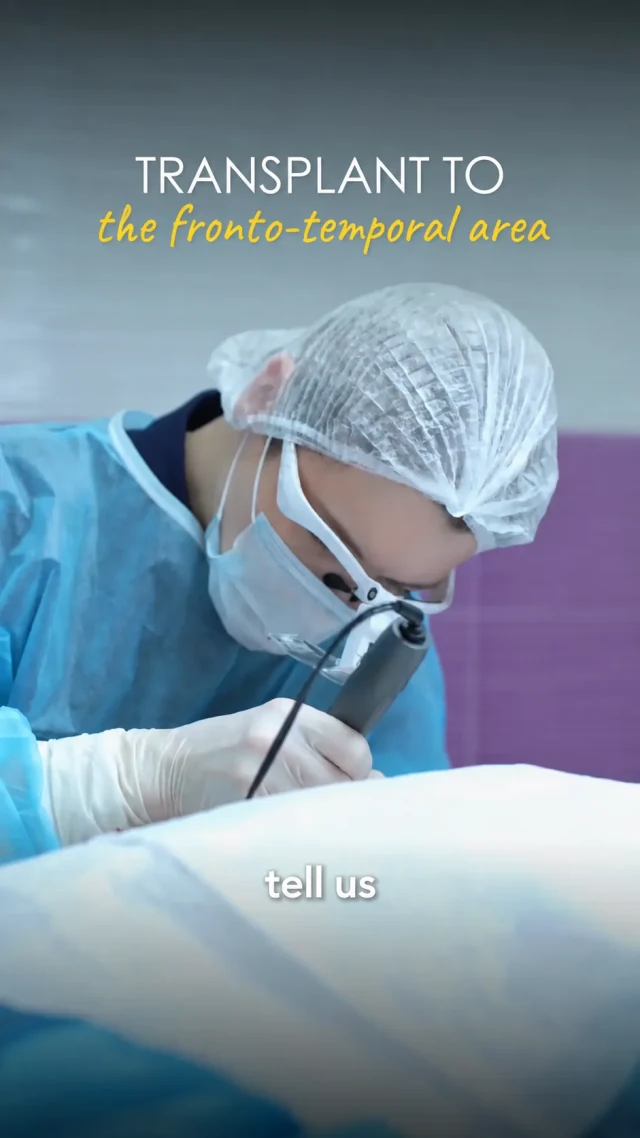
Before the day itself, the clinic spells out which tests are needed ahead of surgery and gives instructions for completing them, so ask for that list as soon as the plan is agreed and tick the items off one by one. On the day, sequence matters: local anaesthesia numbs the area, grafts are collected from the back of the head or the temples, and each unit is then placed in the thinning area. Knowing this order helps you follow the doctor's explanation and notice if a step is skipped in the description you are given.
Androgenetic or diffuse alopecia, bald areas and a receding front of the scalp are the cases where the clinic says a transplant helps. Its cautionary list includes cancer, epilepsy, diabetes mellitus, a pacemaker, hepatitis, HIV, heart disease, pulmonary embolism, anaesthetic intolerance, age under 18 and two psychiatric diagnoses. Read every line. Hair lost after illness or hormonal imbalance, burn damage, thin donor density and patchy alopecia need a frank conversation as well.
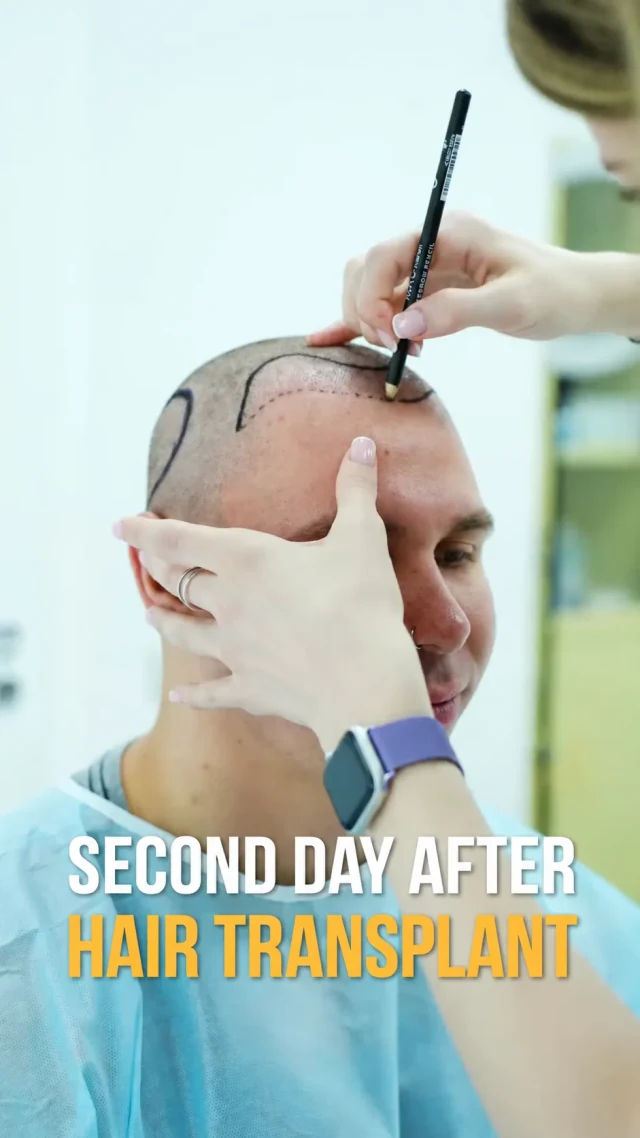
Picture the year as a calendar. Days 0 to 10: crusts shed, swelling falls. Weeks 2 to 4: the implanted hairs drop out while the follicles stay. Months 3 to 4: regrowth begins. Months 6 to 9: density returns. Months 12 to 18: the final result with a natural edge.
Five check-ups are planned, at 1, 3, 6, 9 and 12 months. Take identical photographs before each and pass them to your coordinator. Ask for the aftercare package to be written as a list: dressings, healing checks, washing, sleep, headwear, return to sport.
Between the shedding at weeks 2 to 4 and the first regrowth at months 3 to 4 there is a stretch when little seems to happen. With the calendar above in hand, you will know that this is still the waiting stage and that a check-up is the right moment to ask your question.
Mark one evening in your calendar for the day before each check-up and use it to list what has changed and what has not. A prepared list gets a better answer than a general feeling.
The number of its medical licence, the legal name of the organisation providing care, and the full name and credentials of each doctor who will take part. The diplomas and certificates of the doctors can be inspected before you pay.
At this clinic the doctor you speak to at the consultation is the doctor in the operating room. Ask for that to be stated in writing, together with the doctor's name.
One insurer's plan handbook excludes cosmetic, reconstructive or remedial disorders unless they are the direct result of a covered medical condition. Ask your own insurer for a written answer.
The 2022 census recorded 2,204,059 in Lusaka District, which is coterminous with the city, and 3,093,617 in Lusaka Province.
Photographs of every thinning area and the back of the head in even light, when the loss began and how fast it moved, family history, illnesses and medicines, and what outcome you would count as success.
Yes. Nothing prevents you from sharing the written plan with a relative who has known your hair for years; ask the coordinator whether they can join the online consultation.
The plan, the method, the graft count, every written answer, the contract, your notes on the licence and doctor details, and the dates of the five check-ups.

 Forceps
 Slight


