






















Hair transplant6 min read
Does a hair transplant hurt? Sensations during and after the procedure
The question most people ask before a hair transplant is simple: will it hurt? This article walks through the procedure step by step, from the local anaesthetic to the first days of recovery, and explains what patients usually feel, what the modern techniques change and how any discomfort is managed. Knowing what to expect makes the decision much calmer.
By messaging us, you agree to our Privacy Policy
Medically reviewed by Ellina V. Goncharova, dermatovenereologist, trichologist, surgeon. Review date: .
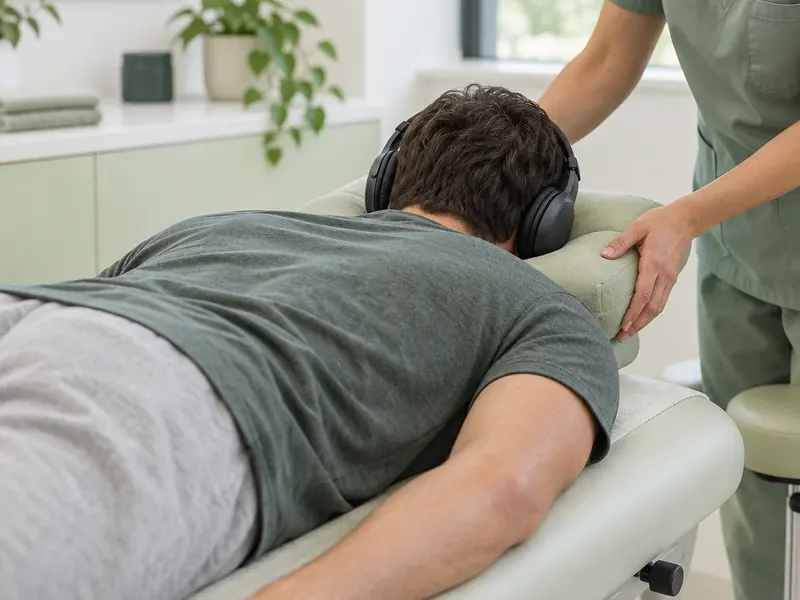
The main points in 30 seconds
- A hair transplant is done under local anaesthesia, so most people feel no pain during the operation itself.
- The part people notice most is the anaesthetic injections: a few minutes of stinging, then the area goes numb.
- During the session you may feel pressure or pulling; tell the team if anything feels sharp, as the anaesthetic can be topped up.
- Mild soreness, tightness and swelling for a few days are usually well controlled with prescribed painkillers.
- If pain grows instead of easing, or you notice fever or discharge, contact your doctor rather than waiting.
Key facts about the procedure
- Stay in clinicSame day
- Final result12–18 months
- AnaesthesiaLocal
- Price
$2,700from $2,200
The short answer
A hair transplant is performed under local anaesthesia, so most patients do not feel pain during the operation itself. The part people notice most is the moment the anaesthetic is injected: a series of small pricks that last a few minutes. After that, the treated areas become numb.
Price in your country — message us on WhatsApp
WhatsAppOnce the anaesthetic wears off, mild soreness, tightness and some swelling are common for a few days. For most patients this is manageable with the painkillers the doctor prescribes, and they return to everyday life fairly quickly. Everyone’s sensitivity is different, though, so it is worth discussing your concerns with your surgeon in advance.
Hair transplant techniques and how they differ in comfort
Hair transplantation is a fast-developing field, and there are several techniques, each with its own advantages. Understanding them helps you follow what happens during the procedure and often takes away part of the anxiety.
More on this topic: Hair Transplant, DHI Hair Transplant, Beard Transplant, FUE & DHI Hair Transplant in Singapore, FUE & DHI Hair Transplant in Málaga.
FUE (Follicular Unit Extraction)
One of the most widely used methods. Individual follicles are taken one by one from the donor area, usually at the back of the head, and implanted where the hair has thinned. There is no linear scar, and recovery of the donor area is usually shorter.
FUT (Follicular Unit Transplantation)
A strip of skin with hair is removed from the back of the head, divided into follicular units and transplanted to the thinning areas. FUT is sometimes recommended when a large area needs to be covered, because many grafts can be obtained in one session. The stitched donor area can feel tight for longer than after FUE.
DHI (Direct Hair Implantation)
Similar to FUE, but the grafts are placed with a special implanter pen. This allows precise placement of each hair and limits trauma to the skin in the recipient area.
Robot-assisted extraction
Automated systems such as ARTAS can assist with extracting follicular units, aiming for consistent precision. Anaesthesia and aftercare are the same as with manual methods.
Beard and moustache transplants
The same principles are used on the face to restore or thicken a beard or moustache. Facial skin is also numbed with local anaesthetic.
PRP combined with a transplant
Platelet-rich plasma is sometimes combined with a transplant to support healing and hair growth. It involves a few extra injections into already numbed skin.
All of these methods are designed to keep discomfort low both during the procedure and in the recovery period. The right choice depends on the extent of hair loss, the quality of the donor area and your preferences, and it is made by the surgeon after an examination.
Hair transplant abroad: choose a city and clinic
Prices, the clinic and a free online consultation for each city:
Local anaesthesia: the moment most people remember
At the start of the procedure the doctor injects a local anaesthetic into the donor and recipient areas. You may feel a stinging or burning sensation from the injections, but it lasts only a short time. Most patients describe it as minor discomfort rather than real pain.
Within a few minutes the skin becomes numb, and the surgical team checks sensitivity before starting. If you feel anything sharp later in the session, tell the team: the anaesthetic can be topped up at any time.
During the procedure
Thanks to the anaesthesia, most patients feel no pain while the grafts are extracted and implanted. Some notice light pressure, pulling or vibration in the treated area, which is normal and not painful.
A transplant takes several hours, so the harder part for many people is lying still for a long time. Short breaks are usually planned, and many patients listen to music, watch a film or simply rest. Tell the team if you feel stiff, cold or anxious: small adjustments make the session much more comfortable.
After the procedure: the first days
When the anaesthetic wears off, some soreness may appear. Usually it is mild and well controlled with the medication your doctor prescribes. The donor area often feels more tender than the recipient area, especially after FUT.
During the first few days you may notice:
- slight swelling of the forehead and around the eyes, which usually settles within a few days;
- redness and small crusts in the recipient and donor areas;
- tightness or numbness in the scalp, which fades gradually;
- mild itching as the skin heals.
Doctors give clear instructions on caring for the scalp, which may include mild painkillers and antibiotics to prevent infection. Following them closely is the best way to keep discomfort to a minimum. Most patients report that these symptoms pass quickly and they get back to their usual routine within a short time.

Why the experience differs from person to person
Pain perception is individual. Sensitivity of the skin, the size of the area treated, the technique, your level of anxiety and how well you rest beforehand all play a role. Two people having the same procedure can describe it quite differently.
Before the procedure, discuss all your concerns with the doctor: previous reactions to anaesthetics, medication you take, fear of injections. The surgeon can then choose a suitable approach to pain relief and prepare an aftercare plan for your case. If pain grows stronger instead of easing, or you notice fever or discharge, contact your doctor rather than waiting.
Overall, a hair transplant may involve some discomfort, mainly after the procedure, but most patients find it very manageable. Modern anaesthesia and careful aftercare make recovery considerably easier. You can read more about the procedure itself on our hair transplant page.
How recovery usually goes
- 0-10 daysHealing: the crusts come off, the swelling goes down, the area gradually recovers
- 2-4 weeksShedding of the transplanted hairs: a normal stage, only the hairs fall out, the follicles stay in place
- 3-4 monthsGrowth begins: new hairs gradually appear, the result starts to show
- 6-9 monthsVisible density: the hair becomes thicker, the main volume and contour are visible
- 12-18 monthsFinal result: the final density and a natural hairline take shape
Consultation at City Medical Centre
City Medical Centre works with international patients. The first consultation is free and can be held online: send photos of your hair and donor area, and ask any question about anaesthesia and recovery. The doctor assesses your case and names the cost, which is then fixed in the contract. A personal coordinator stays with you from your first message to the end of recovery, and photos and questions can be sent by Telegram. Find out more on the hair transplant page.
Frequently asked questions
Is a hair transplant painful?
The operation is done under local anaesthesia, so most patients feel no pain while grafts are extracted and implanted. The injections at the start cause brief stinging, and mild soreness after the procedure is usually controlled with prescribed painkillers.
Which part of the procedure is the most uncomfortable?
For most people it is the local anaesthetic injections at the beginning. They sting for a few minutes, then the skin becomes numb. Later, lying still for several hours can be tiring, so breaks are usually planned.
How long does discomfort last after a hair transplant?
Soreness, tightness and swelling are most noticeable in the first few days and usually ease quickly. Numbness and itching can last a little longer while the skin heals. If pain increases instead of easing, contact your doctor.
Is FUE less painful than FUT?
Both are performed under local anaesthesia, so the procedure itself feels similar. After FUT the stitched donor area often feels tighter and more tender for longer, while after FUE the donor area usually recovers faster. Your surgeon recommends the method after an examination.
Can I do anything to make the procedure more comfortable?
Tell the doctor about any previous reactions to anaesthetics and the medication you take, rest well beforehand and follow the aftercare instructions exactly. During the session, let the team know if you feel anything sharp: the anaesthetic can be topped up.
Have a question about your case? Get a free consultation
Message a coordinator on Telegram: we reply right in the chat, and you can send photos and questions there too.
- The first consultation is free, online consultations are available
- The doctor names the cost after the assessment, and it is fixed in the contract
- A personal coordinator guides you from the first message to recovery
Message our coordinator
We reply right in the chat — you can send photos
Message us on TelegramMessage us on WhatsAppBy messaging us, you agree to our Privacy Policy
In other cities
Read also
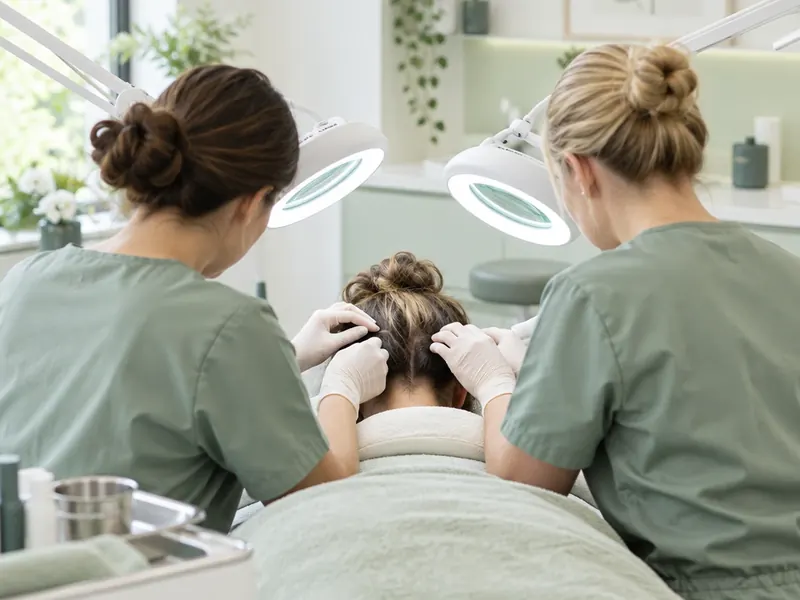 Hair transplant
FUE hair transplant step by step: what happens on the day and during recovery
How an FUE hair transplant goes step by step: preparation, anaesthesia, graft extraction and placement, the first days and the months of regrowth.
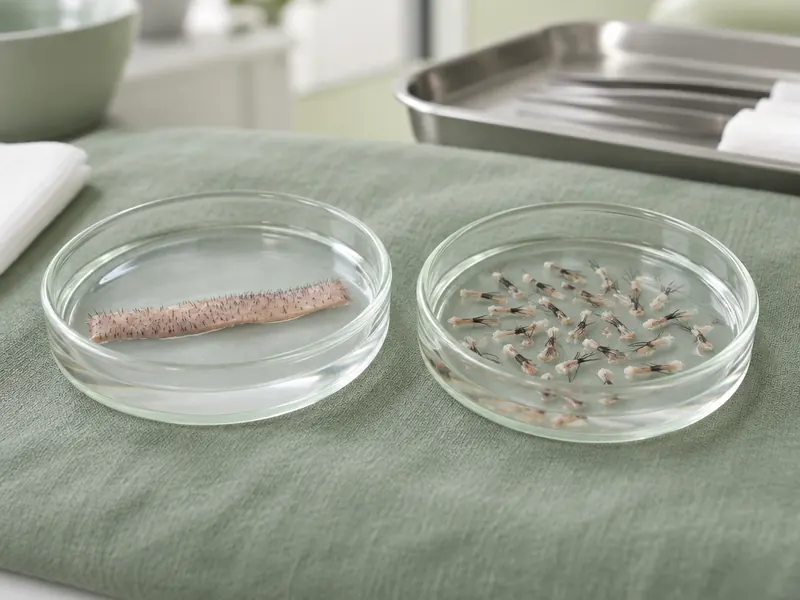 Hair transplant
FUT (strip) vs FUE hair transplant: scars, grafts and recovery compared
FUT (strip) or FUE hair transplant? How each method takes grafts, what scars they leave, how recovery differs and who each one suits best.
 Hair transplant
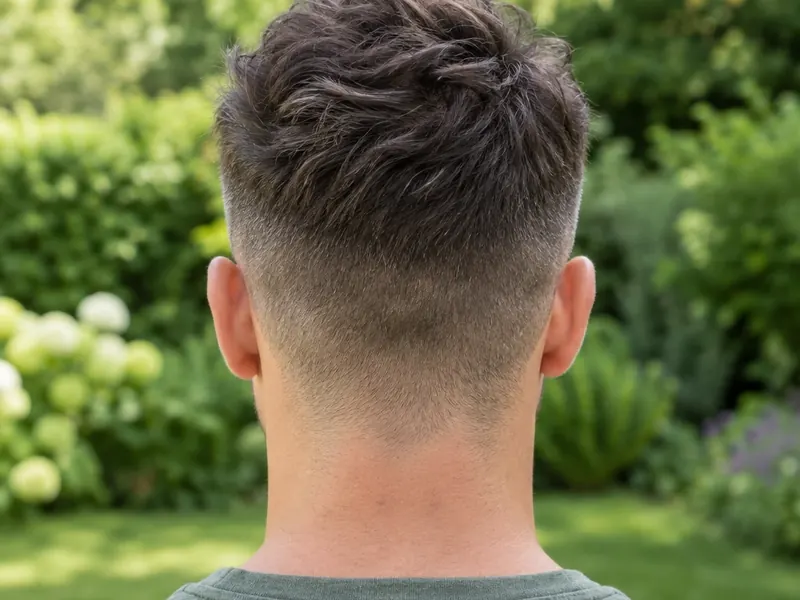
Donor area after a hair transplant: how to care for it and what to expect
How the donor area heals after a hair transplant: what is normal, how to wash and protect it, what scarring FUE and FUT leave and when to call your doctor.
Medical disclaimer
This article is for general information only and is not medical advice. It does not replace a consultation with a doctor. Every procedure has contraindications and risks. Read more