
























Hair transplant7 min read
Hair loss and health: which conditions can cause it and who can help
Losing hair is not only a cosmetic concern. Sometimes it is simply hereditary, and sometimes it is a sign that something else is going on in the body, from hormonal changes to a scalp condition or a recent illness. This overview explains the most common causes, what they usually look like and which specialists can find out what is behind your hair loss.
By messaging us, you agree to our Privacy Policy
Medically reviewed by Ellina V. Goncharova, dermatovenereologist, trichologist, surgeon. Review date: .

The main points in 30 seconds
- Male pattern hair loss is driven by genetics and DHT: hair recedes at the temples and thins on the crown.
- In women, hair loss is more often even thinning linked to hormones, stress, strict diets or low iron.
- Heavy shedding two to three months after an illness, including COVID-19, is usually telogen effluvium and settles within several months.
- Scalp conditions such as dermatitis, psoriasis or fungal infection need a dermatologist; do not stop prescribed medicines on your own.
- A transplant mainly helps androgenetic alopecia and is not done for total alopecia or while an active disease is causing shedding.
Key facts about the procedure
- Stay in clinicSame day
- Final result12–18 months
- AnaesthesiaLocal
- Price
$2,700from $2,200
Pattern hair loss in men
Androgenetic alopecia, also called male pattern baldness, is the most common type of hair loss in men. It results from a combination of inherited factors and the effect of male hormones (androgens) on hair follicles.
Price in your country — message us on WhatsApp
WhatsApp- Family history: men with relatives who have pattern hair loss are more likely to develop it.
- Early onset: thinning often begins in the twenties or even earlier.
- Typical pattern: hair usually recedes at the temples and thins on the crown, gradually forming an M-shaped hairline.
The key hormone is dihydrotestosterone (DHT), which is formed from testosterone. In genetically sensitive follicles it shortens the growth phase and makes the follicles shrink, so hairs become finer and shorter with each cycle. Over years, the temples and crown may become bare, while hair at the back of the head and around the ears usually remains.
A doctor typically diagnoses it by examining the hair and scalp, often with trichoscopy, a magnified view of the follicles. Blood tests may be suggested to rule out other contributing factors such as iron deficiency or thyroid problems. Treatment aims to slow or stop further loss and may include topical or oral medicines prescribed by a doctor, who also explains their possible side effects. For more advanced stages, a hair transplant can be considered.
Diffuse thinning in women
In women, hair loss more often appears as even thinning across the whole scalp rather than as bald patches. It can happen at any age.
More on this topic: Hair Transplant, Hair Transplant for Women, FUE Hair Transplant, FUE & DHI Hair Transplant in Singapore.
- Density decreases evenly, and there are usually no distinct bald areas.
- The process is gradual, so it may go unnoticed for a long time.
- The front hairline is often preserved, while the top of the head thins most.
Common contributing factors include hormonal changes (pregnancy, menopause, thyroid disorders), chronic stress, restrictive diets and deficiencies such as low iron, as well as damage from frequent heat styling and chemical treatments. Diagnosis starts with a detailed history and examination, usually followed by blood tests. Treatment is chosen individually and may combine medical therapy with changes in diet, stress management and gentler hair care.
Hair transplant abroad: choose a city and clinic
Prices, the clinic and a free online consultation for each city:
How hormonal changes affect hair
Hormones such as androgens and oestrogens help regulate the hair growth cycle. Androgens, and DHT in particular, can shorten the growth phase and make follicles smaller in people who are sensitive to them. Changes in hormone levels can therefore show up quite directly in the hair.
- Pregnancy and after childbirth: many women notice thicker hair during pregnancy and then heavier shedding a few months after giving birth. This is usually temporary.
- Menopause: falling oestrogen levels can lead to finer hair and a loss of volume.
- Hormonal disorders: conditions such as polycystic ovary syndrome (PCOS) or thyroid disease can disturb hormonal balance and affect the hair.
Blood tests and a medical examination help identify a hormonal cause. Treating the underlying condition, under the supervision of the appropriate doctor, is often the most important step, sometimes combined with treatment aimed at the hair itself.
Medicines, toxic substances and lifestyle
A number of external factors can weaken hair or disrupt its growth:
- Medicines: hair loss is a known side effect of some treatments, most notably chemotherapy, and occasionally of other medicines. Never stop a prescribed medicine on your own; discuss any concern with the prescribing doctor.
- Harsh hair products: frequent bleaching, strong chemical treatments and aggressive styling can damage the hair shaft, making it dry and brittle so that it breaks.
- Environmental exposure: significant exposure to substances such as heavy metals is rare but can affect hair and general health, and needs medical assessment.
- Smoking and heavy drinking: both are linked to poorer general health and may contribute to weaker hair.
Early signs are often dullness, dryness and breakage rather than true hair loss. Reducing harsh treatments, eating a balanced diet and avoiding smoking are sensible steps, and a doctor can check whether there is a medical cause.
Scalp conditions and less common causes
Inflammatory and infectious scalp conditions
Several skin conditions can affect the scalp and, through inflammation or infection, the hair follicles:
- seborrhoeic dermatitis: redness, flaking and itching;
- psoriasis: thick, silvery scales on the scalp;
- fungal infections, such as scalp ringworm, which can cause patchy hair loss;
- folliculitis: inflammation of the hair follicles, sometimes painful.
A dermatologist diagnoses these conditions by examining the scalp and, if needed, taking a skin scraping or biopsy. Treatment depends on the cause and may include medicated shampoos and topical or oral treatment.
Rarer forms of hair loss
- Trichotillomania: a condition in which a person repeatedly pulls out their own hair, often linked to stress or anxiety. Support usually includes behavioural therapy.
- Alopecia areata: an autoimmune condition that causes round patches of hair loss. In its total and universal forms, hair is lost from the whole scalp or the whole body.
- Scarring alopecias, such as lichen planopilaris, and some autoimmune diseases affecting the skin, such as scleroderma, can cause inflammation and scarring that permanently destroys follicles.
These conditions can be difficult to diagnose and may change unpredictably, so early assessment by a specialist matters.

Hair loss after an illness, including COVID-19
Heavy shedding a few weeks or months after a serious illness, high fever or major stress is common. This is called telogen effluvium: the shock to the body pushes many hairs into the resting phase at once, and they fall out together later. It has frequently been reported after COVID-19.
- Shedding usually becomes noticeable about two to three months after the illness.
- Hair tends to thin evenly rather than in patches.
- In most people shedding settles within several months, and regrowth follows gradually.
Stress, changes in stress hormones, weight loss during illness and some medicines can all contribute. A doctor may order blood tests to rule out other causes such as iron deficiency or thyroid problems. A balanced diet with enough protein and vitamins, good sleep and patience are usually the main steps; if shedding lasts longer than expected, see a dermatologist.
Which specialists can help, and where a transplant fits
Because hair loss has so many possible causes, it is often worth seeing more than one specialist:
- General practitioner: a good first step, able to arrange basic blood tests and refer you on.
- Dermatologist: specialises in skin, hair and nails and diagnoses scalp conditions and types of alopecia.
- Endocrinologist: helps when a hormonal or thyroid problem is suspected.
- Hair restoration surgeon: assesses whether a transplant is appropriate once the cause is known.
A hair transplant moves follicles from the back and sides of the head to thinning areas. It is mainly used for androgenetic alopecia, most often with the FUE method; a combined FUE and DHI approach may be chosen for androgenetic alopecia and to add density. A transplant does not treat the cause of hair loss and is not suitable for total alopecia, where there is no donor hair, or while an active disease is still causing shedding. You can read more on the hair transplant page.

How recovery usually goes
- 0-10 daysHealing: the crusts come off, the swelling goes down, the area gradually recovers
- 2-4 weeksShedding of the transplanted hairs: a normal stage, only the hairs fall out, the follicles stay in place
- 3-4 monthsGrowth begins: new hairs gradually appear, the result starts to show
- 6-9 monthsVisible density: the hair becomes thicker, the main volume and contour are visible
- 12-18 monthsFinal result: the final density and a natural hairline take shape
Consultation at City Medical Centre
City Medical Centre works with international patients. The first consultation is free and can be held online: send photos of the thinning areas and the back of your head, and share any test results or diagnoses you already have. The doctor assesses whether a transplant is appropriate and names the cost, which is then fixed in the contract.
A personal coordinator stays with you from your first message to the end of recovery, and photos and questions can be sent by Telegram. Find out more on the hair transplant page.
Frequently asked questions
When should I see a doctor about hair loss?
See a doctor if shedding is sudden or heavy, if bald patches appear, if the scalp is itchy, red or painful, or if hair loss comes with other symptoms such as fatigue or weight changes. Early assessment makes it easier to find and treat the cause.
Can hormonal problems cause hair loss?
Yes. Thyroid disorders, polycystic ovary syndrome, childbirth and menopause can all affect the hair growth cycle. Blood tests help identify the cause, and treating the underlying condition under medical supervision often improves the hair as well.
Is hair loss after COVID-19 permanent?
Usually not. It is typically telogen effluvium, which starts a few months after the illness and in most people settles within several months, followed by gradual regrowth. If shedding continues for longer, a dermatologist should check for other causes.
Which doctor should I see first?
A general practitioner or a dermatologist is a good starting point. They can examine the scalp, order blood tests and, if needed, refer you to an endocrinologist or other specialist. A hair restoration surgeon is usually consulted once the cause of hair loss is clear.
Can a hair transplant help if my hair loss is caused by a disease?
It depends on the condition. A transplant is mainly used for androgenetic alopecia and needs healthy donor hair. It is not suitable for total alopecia or while an active condition is causing shedding. The surgeon decides after reviewing your diagnosis and examining your scalp.
Have a question about your case? Get a free consultation
Message a coordinator on Telegram: we reply right in the chat, and you can send photos and questions there too.
- The first consultation is free, online consultations are available
- The doctor names the cost after the assessment, and it is fixed in the contract
- A personal coordinator guides you from the first message to recovery
Message our coordinator
We reply right in the chat — you can send photos
Message us on TelegramMessage us on WhatsAppBy messaging us, you agree to our Privacy Policy
Read also
 Hair transplant
Does a hair transplant hurt? Sensations during and after the procedure
Does a hair transplant hurt? What you feel during local anaesthesia, the procedure and the first days after, and how discomfort is usually managed.
 Hair transplant
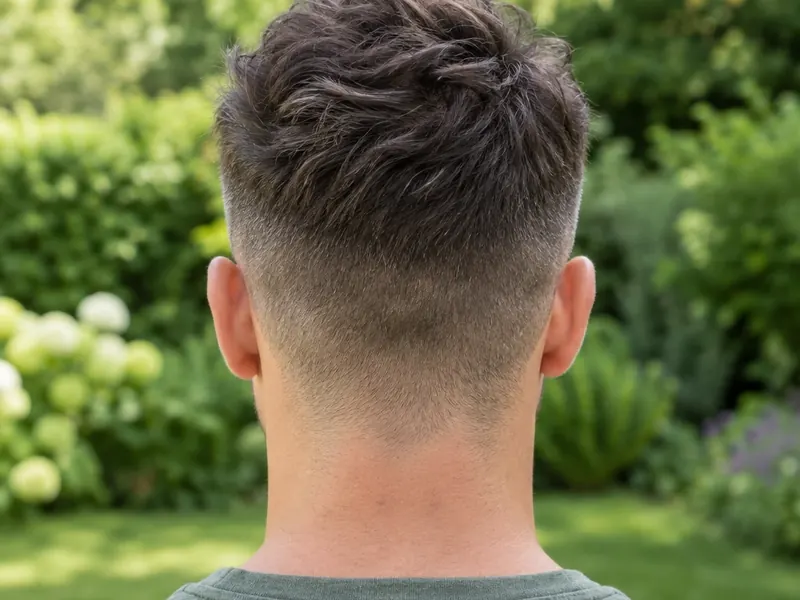
Donor area after a hair transplant: how to care for it and what to expect
How the donor area heals after a hair transplant: what is normal, how to wash and protect it, what scarring FUE and FUT leave and when to call your doctor.
 Liposuction
Does fat come back after liposuction? How to keep your result for years
Can fat return after liposuction? What happens to the remaining fat cells, why weight gain shows in new places, and the habits that help keep your new contour.
Medical disclaimer
This article is for general information only and is not medical advice. It does not replace a consultation with a doctor. Every procedure has contraindications and risks. Read more