



















Hair transplant6 min read
Aftercare for a beard transplant: what to do from the first day to the final result
The result of a beard transplant depends not only on the surgeon's work but also on how you look after the new grafts. This guide follows recovery stage by stage, from the first two days to the first year, and explains what usually helps healing, what to avoid and which signs mean you should contact your doctor.
By messaging us, you agree to our Privacy Policy
Medically reviewed by Ellina V. Goncharova, dermatovenereologist, trichologist, surgeon. Review date: .
The main points in 30 seconds
- For the first 48 hours do not touch the beard, keep it dry and sleep on your back with your head raised.
- Gentle washing is usually allowed from day three or four; skip sport, cosmetics, sun and shaving in the first week.
- Let crusts fall off on their own, and do not shave or trim until your doctor says it is safe.
- Shedding in months one to three is normal; new hairs usually appear after three to four months, the final result after six to twelve.
- Contact your doctor about growing redness or swelling, pus, fever or bleeding that does not stop with gentle pressure.
Key facts about the procedure
- Stay in clinicSame day
- Final result12–18 months
- AnaesthesiaLocal
- Price
$2,700from $2,200
The first 24 to 48 hours
The first one to two days after a beard transplant are the most delicate. The grafts are still settling into the skin, and they can be dislodged by pressure, friction or careless touching. Following your doctor's instructions closely at this stage reduces the risk of complications and supports healing.
Price in your country — message us on WhatsApp
WhatsApp- Do not touch the treated area. Keep your hands away from the beard, even if the skin feels tight or itchy.
- Sleep on your back with your head raised. A higher pillow for the first few nights helps limit swelling and prevents pressure on the grafts.
- Keep the area dry. Avoid getting the beard wet for the first 48 hours, unless your doctor gives different instructions. This lowers the risk of infection and protects the grafts.
- Take prescribed medication as directed. The doctor may prescribe antibiotics, anti-inflammatory medication or painkillers. Follow the dosage exactly and do not add anything without asking.
Mild redness, swelling and tiny spots of dried blood around the grafts are common at this stage and usually settle on their own.
The first week
During the first week the aim is to keep the area clean and calm while the skin heals.
More on this topic: Hair Transplant, Beard Transplant, Hair Transplant for Women, FUE & DHI Hair Transplant in Málaga, Hair Transplant in Atlanta.
- Gentle washing. Most clinics allow careful washing from around day three or four. Use the mild cleanser your doctor recommends, apply the foam with your fingertips without pressing, and rinse with cool or lukewarm water. Pat dry with a clean towel rather than wiping.
- No physical exertion. Avoid sport, heavy lifting and anything that makes you sweat or raises blood pressure.
- No cosmetics. Do not apply creams, gels, balms or aftershave to the beard area unless the doctor prescribes them.
- Sun protection. Keep the face out of direct sunlight, as it can irritate healing skin and slow recovery. A hat or shade is better than sunscreen on the grafts in the first days.
- No shaving. Do not shave or trim the treated area until your doctor says it is safe.
Hair transplant abroad: choose a city and clinic
Prices, the clinic and a free online consultation for each city:
Weeks two to four
By now the grafts are usually anchored, and the skin continues to heal. Care can gradually return closer to normal, but some caution is still needed.
- Keep washing gently. Wash the beard with soft movements and avoid vigorous massage or friction.
- Avoid mechanical irritation. Do not comb or scratch the treated area, and avoid clothing that presses against the beard, such as tight high collars or scarves.
- Let the crusts fall off naturally. Small crusts often form around the grafts in the first weeks. Picking them off can damage follicles; they usually come away with regular washing.
- Watch the skin. If you notice increasing redness, swelling or discharge, contact your doctor promptly rather than waiting.
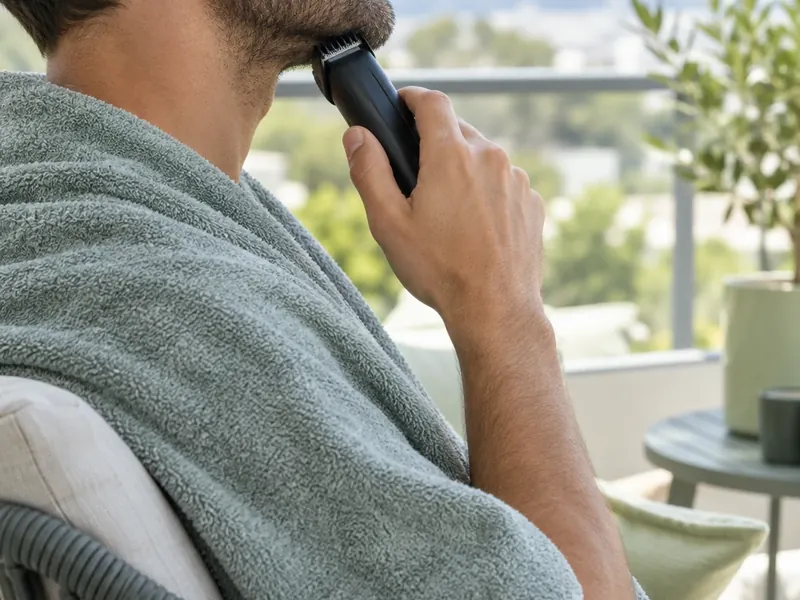
Your doctor will tell you when shaving and trimming can resume. Many patients are advised to start with an electric trimmer rather than a blade.
Months one to three: shedding
At this stage many transplanted hairs fall out. This is a normal phase often called shock loss: the hair shaft sheds, but the follicle usually stays in the skin and later produces new hair.
- Do not panic. Shedding is an expected part of the process. New hairs usually begin to appear after about three to four months, although timing varies from person to person.
- Keep caring for your skin. Use gentle facial products that do not cause irritation.
- Avoid harsh treatments. Do not use abrasive exfoliants, chemical peels or other aggressive cosmetic treatments on the beard area without your doctor's approval.
Long-term care
The final result of a beard transplant is usually visible after about six to twelve months. After that, transplanted hair is cared for like the rest of your beard, and simple habits help keep skin and hair in good condition.
- Wash regularly. Use mild shampoos and conditioners suitable for facial hair to keep the beard and the skin underneath clean.
- Moisturise. Light moisturisers or beard oils help prevent dryness and flaking under the beard.
- Eat well. A balanced diet with enough protein, vitamins and minerals supports healthy hair.
- Limit harmful habits. Smoking and heavy drinking can affect the skin, circulation and the condition of the hair.
- Keep your follow-up appointments. They allow the doctor to track progress and adjust your care if needed.
Possible complications and when to see a doctor
A beard transplant is generally considered a safe procedure, and serious complications are uncommon. Still, contact your doctor if you notice:
- severe redness or swelling that does not go down;
- signs of infection, such as pus, a raised temperature or increasing pain;
- bleeding that does not stop with gentle pressure;
- no visible growth after six to twelve months.
Careful aftercare, good hygiene and patience play a large part in the outcome. Every body heals differently, so do not compare your progress too closely with others and ask your care team whenever you have doubts. You can read more about the procedure itself on our hair transplant page.
How recovery usually goes
- 0-10 daysHealing: the crusts come off, the swelling goes down, the area gradually recovers
- 2-4 weeksShedding of the transplanted hairs: a normal stage, only the hairs fall out, the follicles stay in place
- 3-4 monthsGrowth begins: new hairs gradually appear, the result starts to show
- 6-9 monthsVisible density: the hair becomes thicker, the main volume and contour are visible
- 12-18 monthsFinal result: the final density and a natural hairline take shape
Consultation at City Medical Centre
City Medical Centre works with international patients. The first consultation is free and can be held online: send photos of your beard and donor area, and ask any question about the procedure and recovery. The doctor assesses your case and names the cost, which is then fixed in the contract.
A personal coordinator stays with you from your first message to the end of recovery, and photos and questions can be sent by Telegram, including during healing at home. Find out more on the hair transplant page.
Frequently asked questions
When can I wash my beard after a transplant?
Most clinics allow gentle washing from around the third or fourth day. Use the mild cleanser your doctor recommends, apply it with your fingertips without pressure, rinse with cool water and pat dry. Follow your own doctor's instructions if they differ.
When can I shave or trim my beard again?
Usually not before the skin has healed and the crusts are gone, often after a few weeks. Many patients start with an electric trimmer rather than a blade. Your doctor will tell you when it is safe in your case.
Is it normal for transplanted beard hair to fall out?
Yes. Many transplanted hairs shed in the first one to three months. The follicles usually remain in the skin, and new hair typically starts to grow after about three to four months, with the final result judged at six to twelve months.
Can I do sport after a beard transplant?
Avoid exercise, heavy lifting and anything that makes you sweat during the first week at least. Light activity can usually resume gradually afterwards, but ask your doctor when full training is appropriate for you.
Which symptoms mean I should contact the doctor?
Contact your doctor if redness or swelling increases instead of easing, if you see pus or have a fever, if bleeding does not stop with gentle pressure, or if there is no visible growth after six to twelve months.
Have a question about your case? Get a free consultation
Message a coordinator on Telegram: we reply right in the chat, and you can send photos and questions there too.
- The first consultation is free, online consultations are available
- The doctor names the cost after the assessment, and it is fixed in the contract
- A personal coordinator guides you from the first message to recovery
Message our coordinator
We reply right in the chat — you can send photos
Message us on TelegramMessage us on WhatsAppBy messaging us, you agree to our Privacy Policy
Read also
 Hair transplant
FUE beard transplant: how the method works and what to know before you choose it
How the FUE method is used for beard transplants: who it suits, the procedure step by step, pros and cons, possible risks and how to choose a surgeon.
 Hair transplant
What are the benefits of a hair transplant, and what are its limits?
The real benefits of a hair transplant: a natural hairline, long-lasting growth and more confidence, plus the limits and risks to know before you decide.
 Hair transplant
Beard transplant with the DHI method: indications, steps and possible risks
How a beard transplant with the DHI method works: who it may suit, how DHI compares with FUE, the steps, possible risks and how to choose a clinic.
Medical disclaimer
This article is for general information only and is not medical advice. It does not replace a consultation with a doctor. Every procedure has contraindications and risks. Read more