






















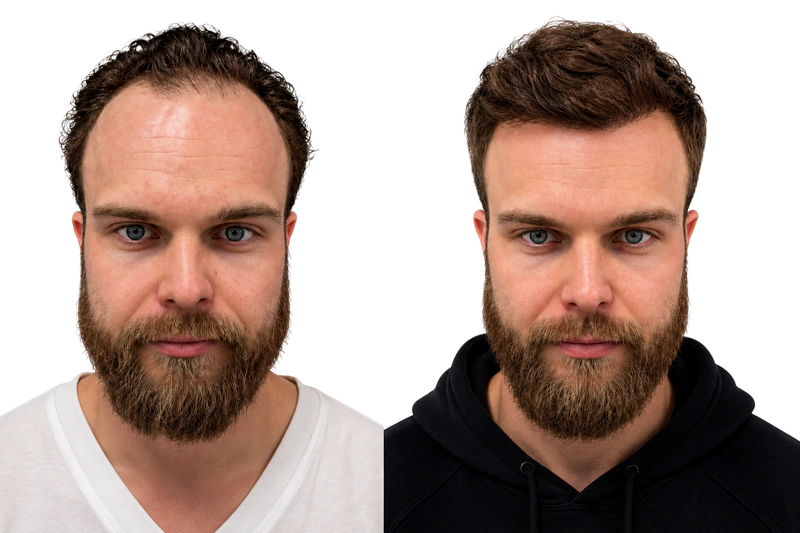

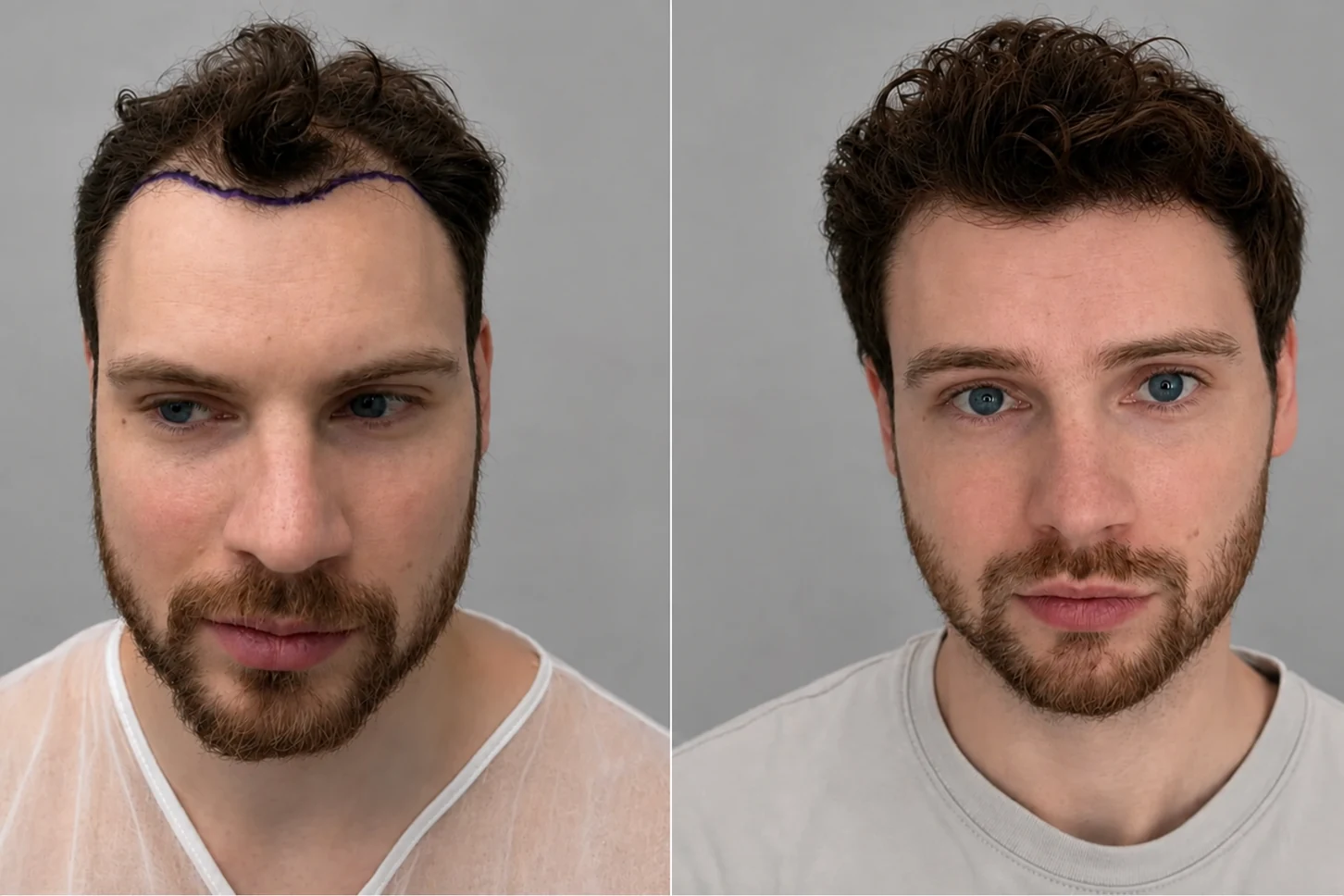
the start
12 months along
2,800 grafts
FUE method
City Medical Centre
FUE · DHI
from $2,200
A look and a figure — $0.
Our case
the start
12 months along
FUE method; the skin is not cut or sewn. Graft tally and forecast added up, nothing to pay — before you decide.
Free online consultation · Reply within 15 minutes
Without paying, no surgery booking required
Message our coordinator
Free online consultation · Reply within 15 minutes
Message us on TelegramMessage us on WhatsAppBy messaging us, you agree to our Privacy Policy
Hair transplant for patients from Sulaymaniyah at City Medical Centre starts at IQD 2,900,000 (from $2,200). The first online consultation is free; the doctor names the final price and it is fixed in the contract.
How it works · Hair transplant prices
Information current as of 5 November 2026
results
Photographs show people treated at our clinic.
the start
12 months along
2,800 grafts
FUE method
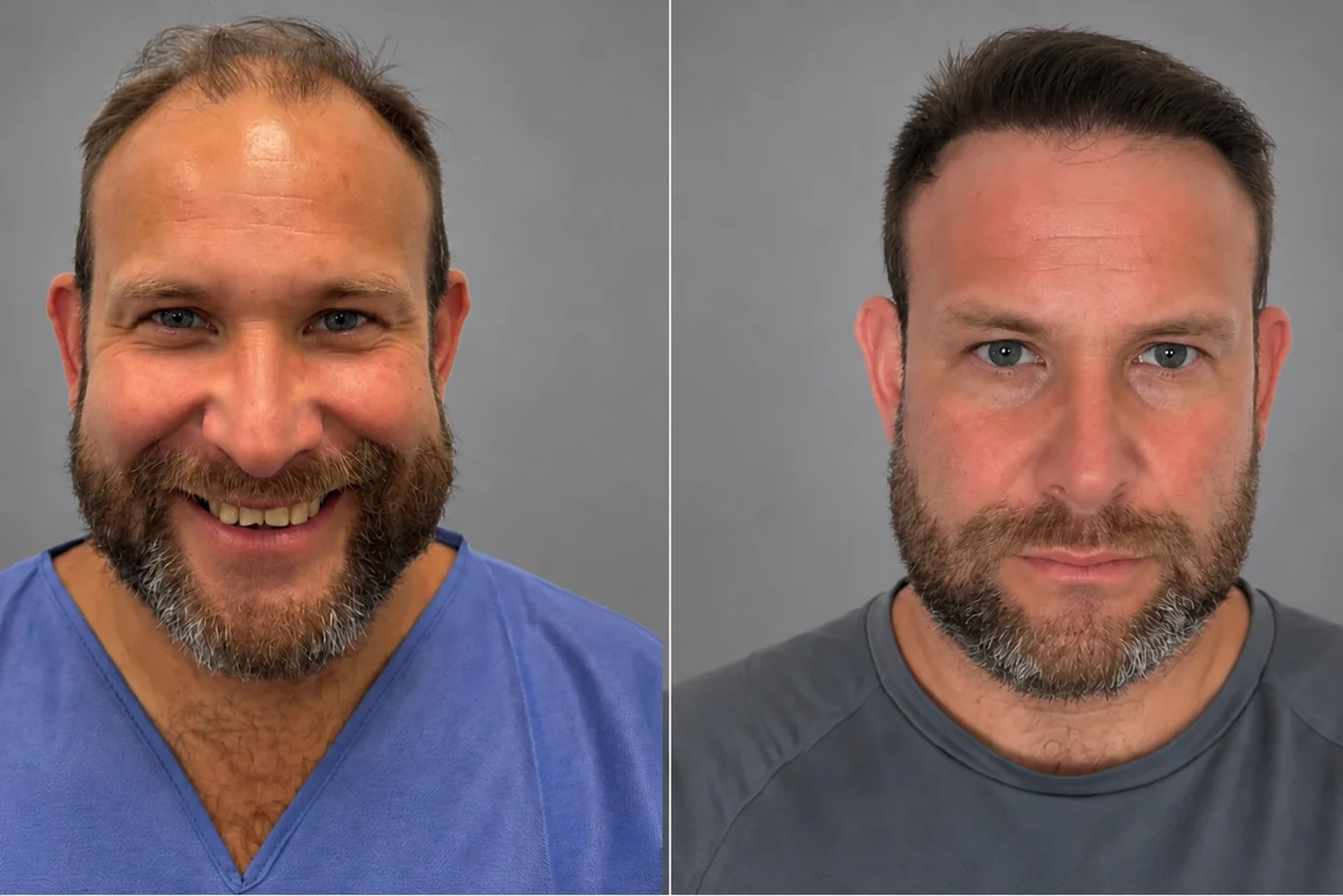
the start
12 months along
3,500 grafts
FUE method
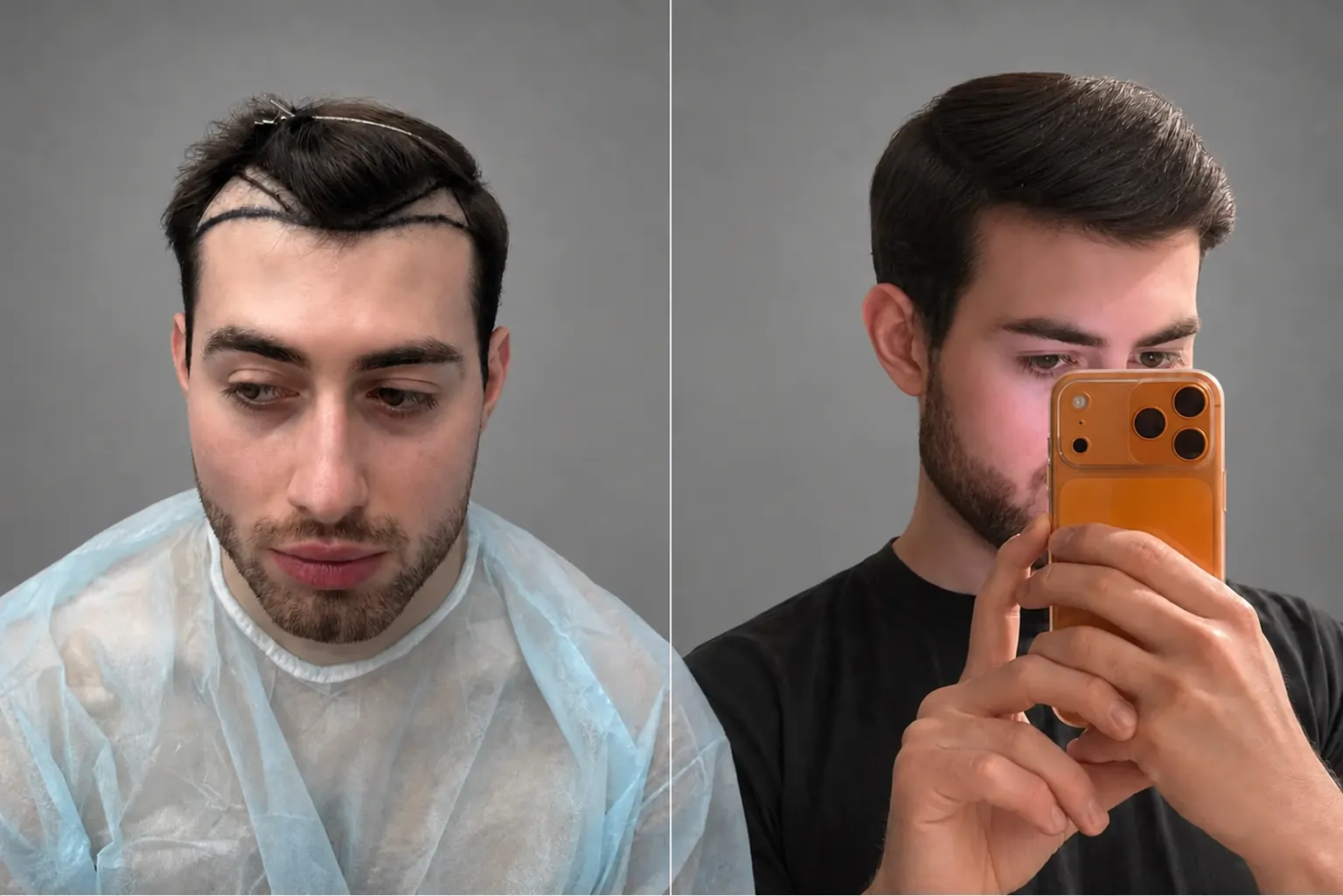
the start
12 months along
2,600 grafts
FUE method
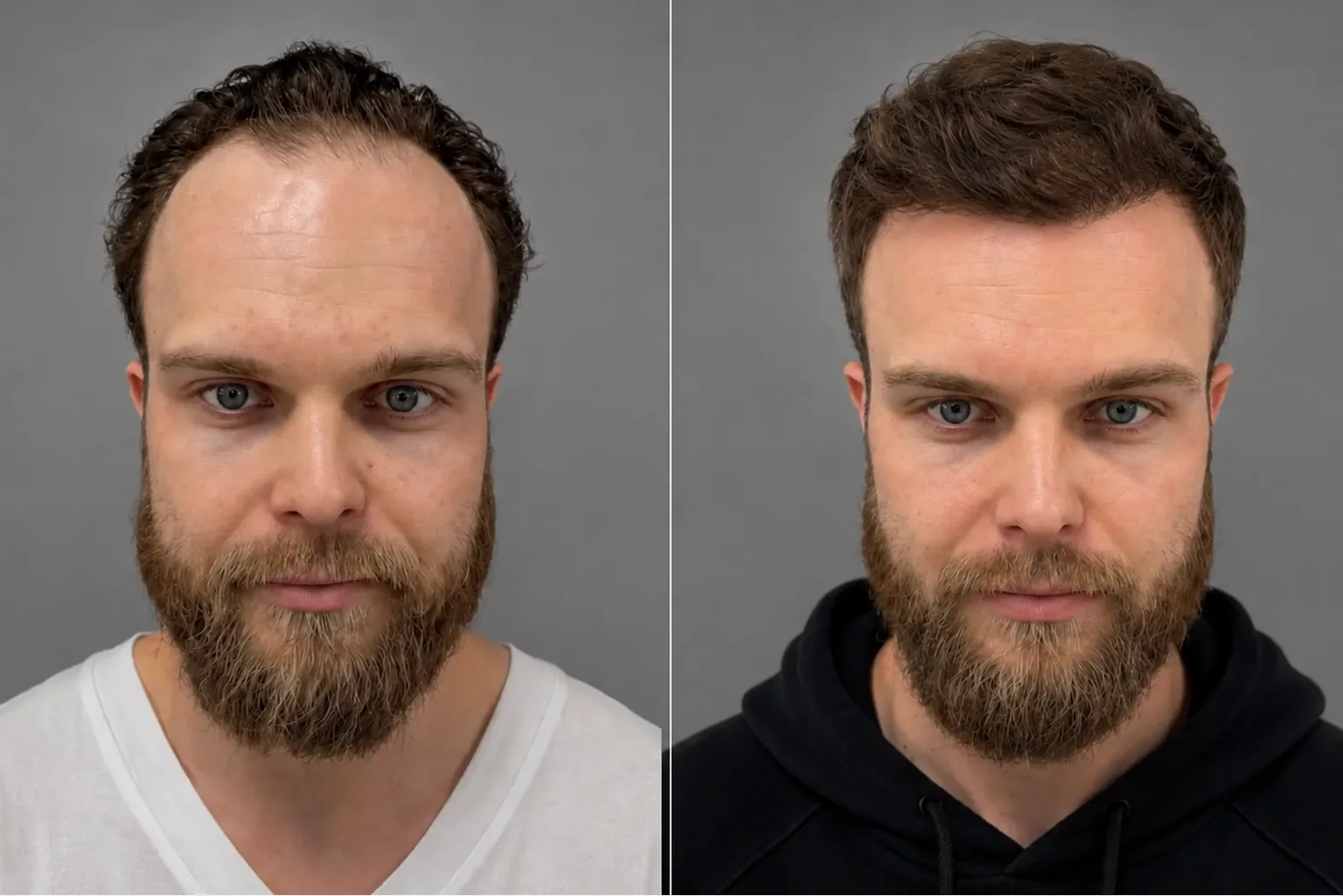
the start
12 months along
3,000 grafts
FUE method
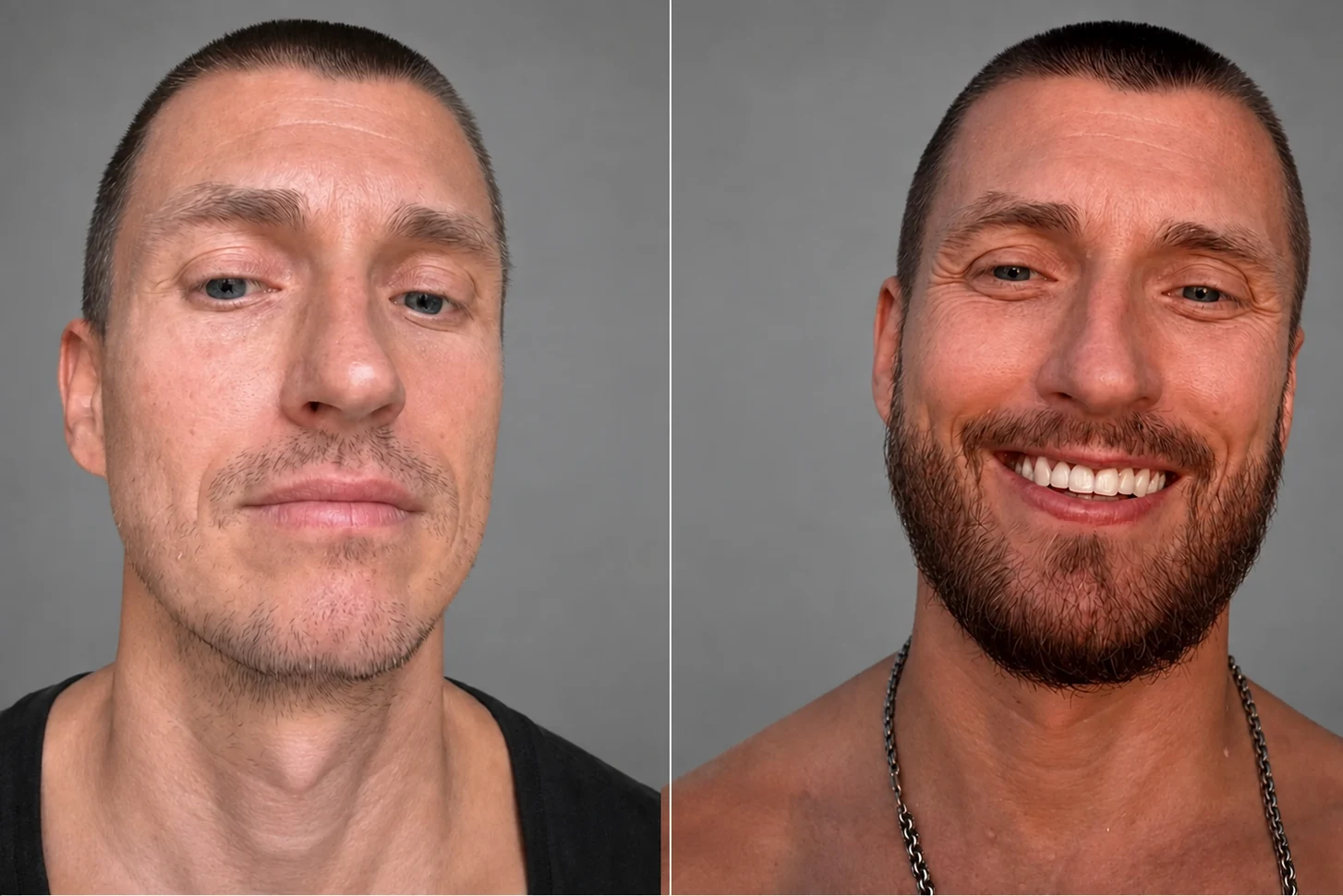
the start
12 months along
2,700 grafts
FUE method
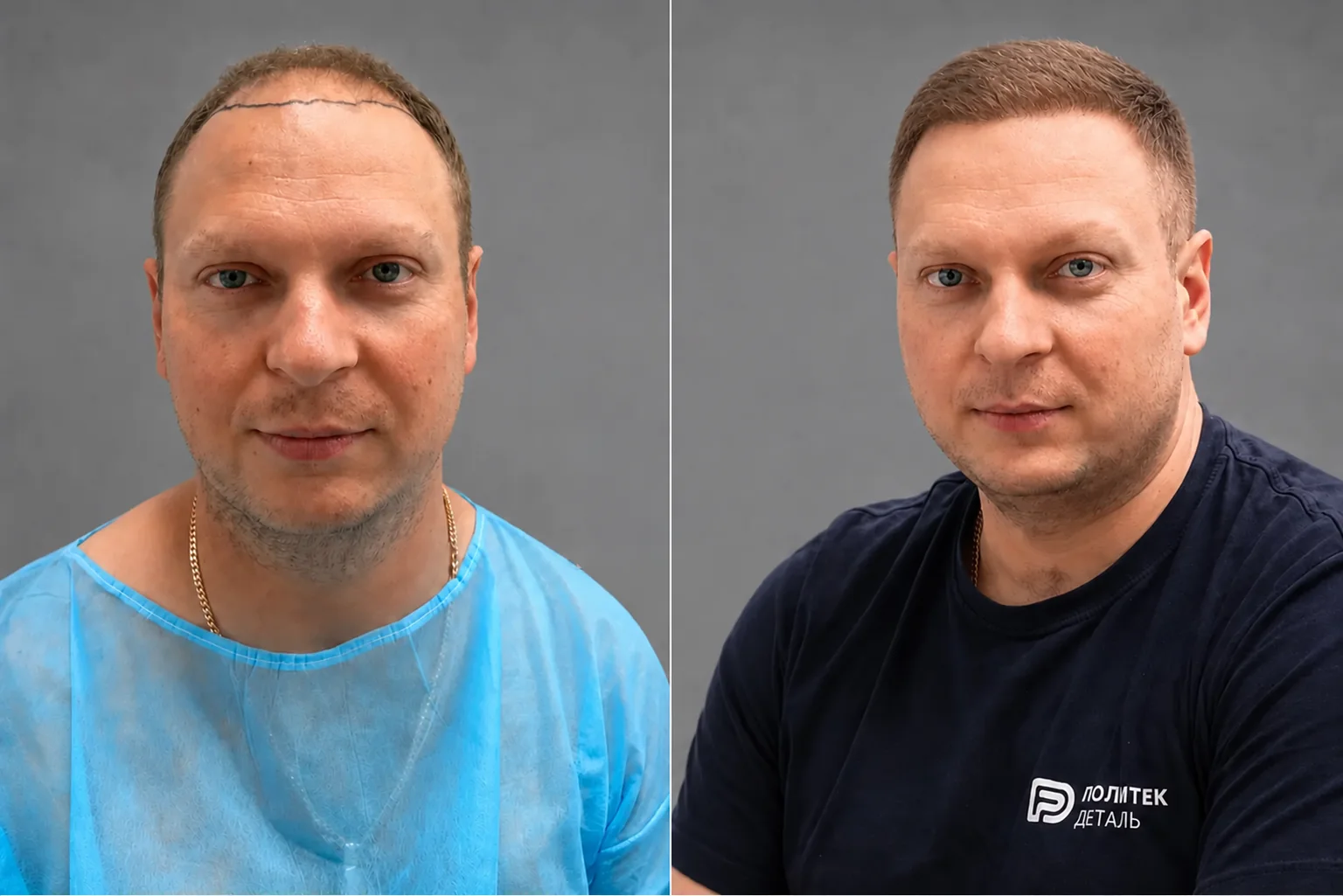
the start
12 months along
3,300 grafts
FUE method
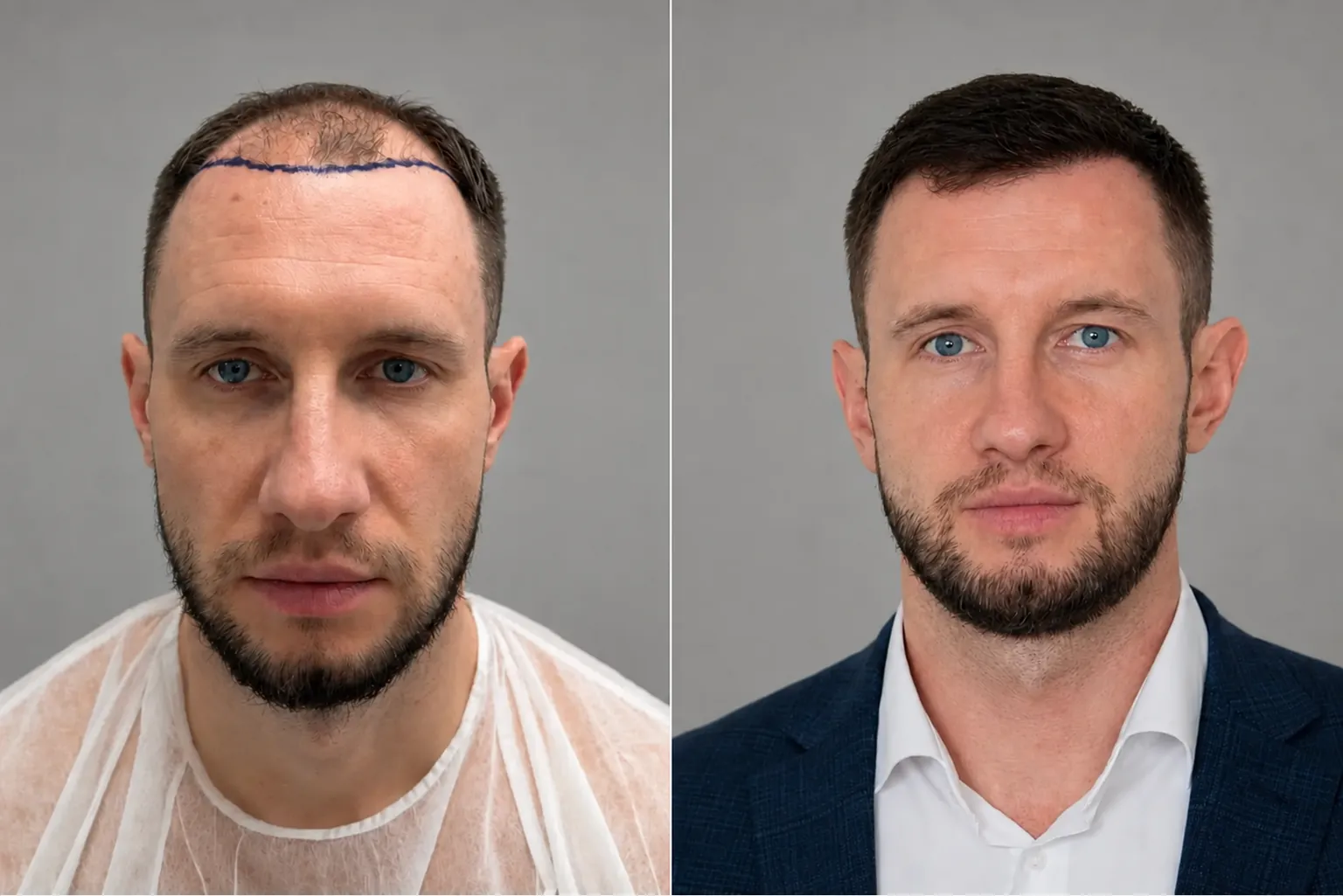
the start
12 months along
2,900 grafts
FUE method
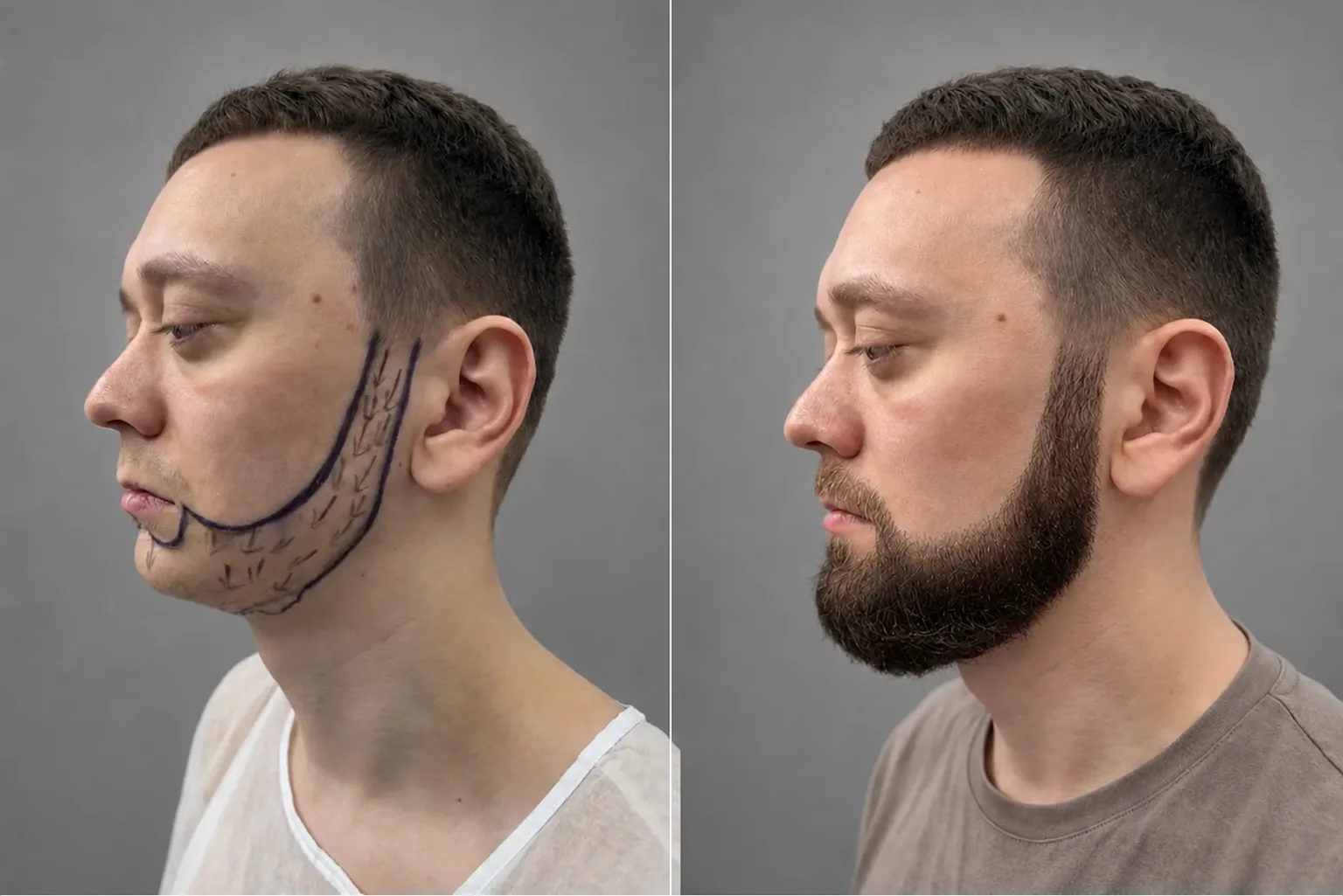
the start
12 months along
2,500 grafts
FUE method
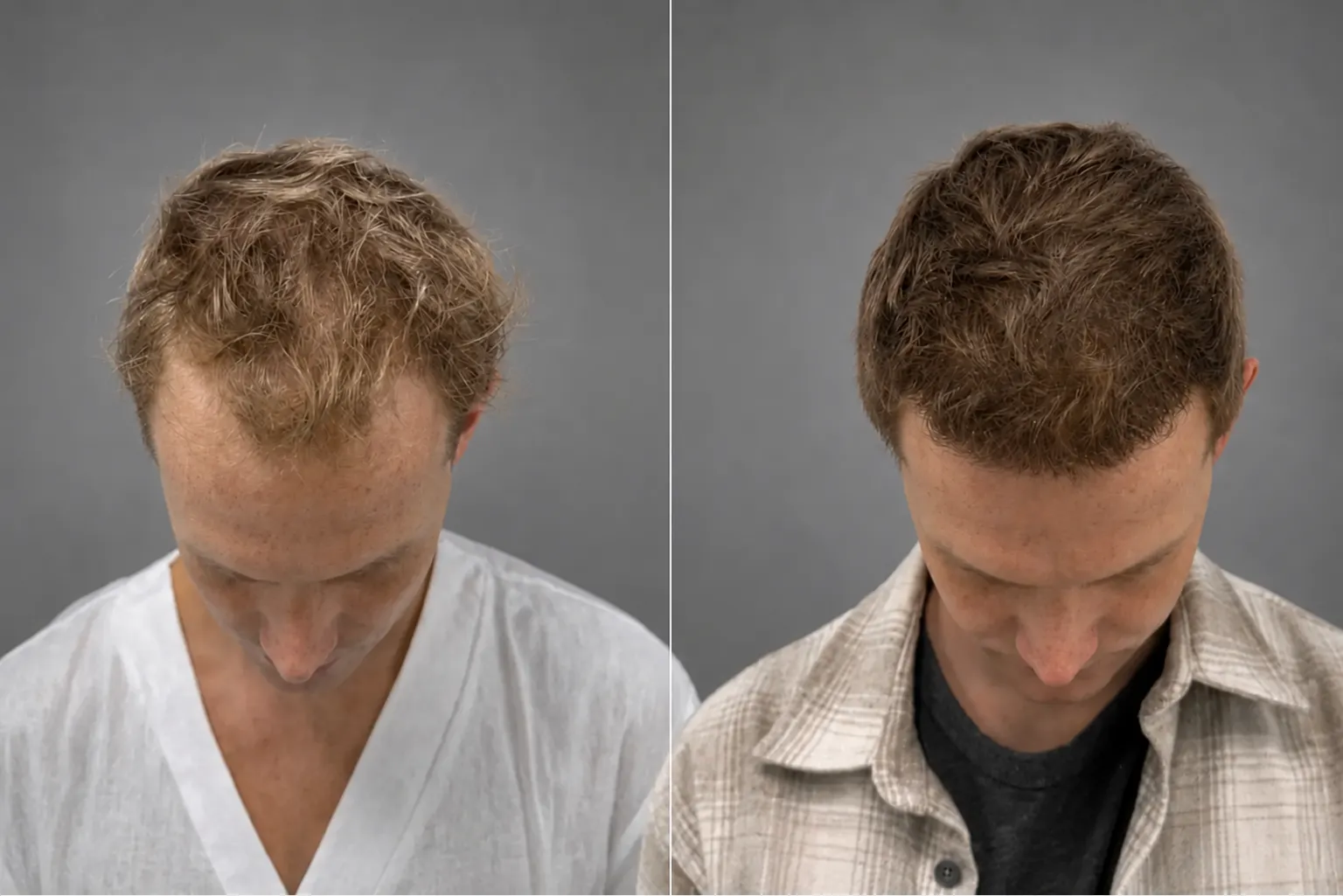
the start
12 months along
3,400 grafts
FUE method
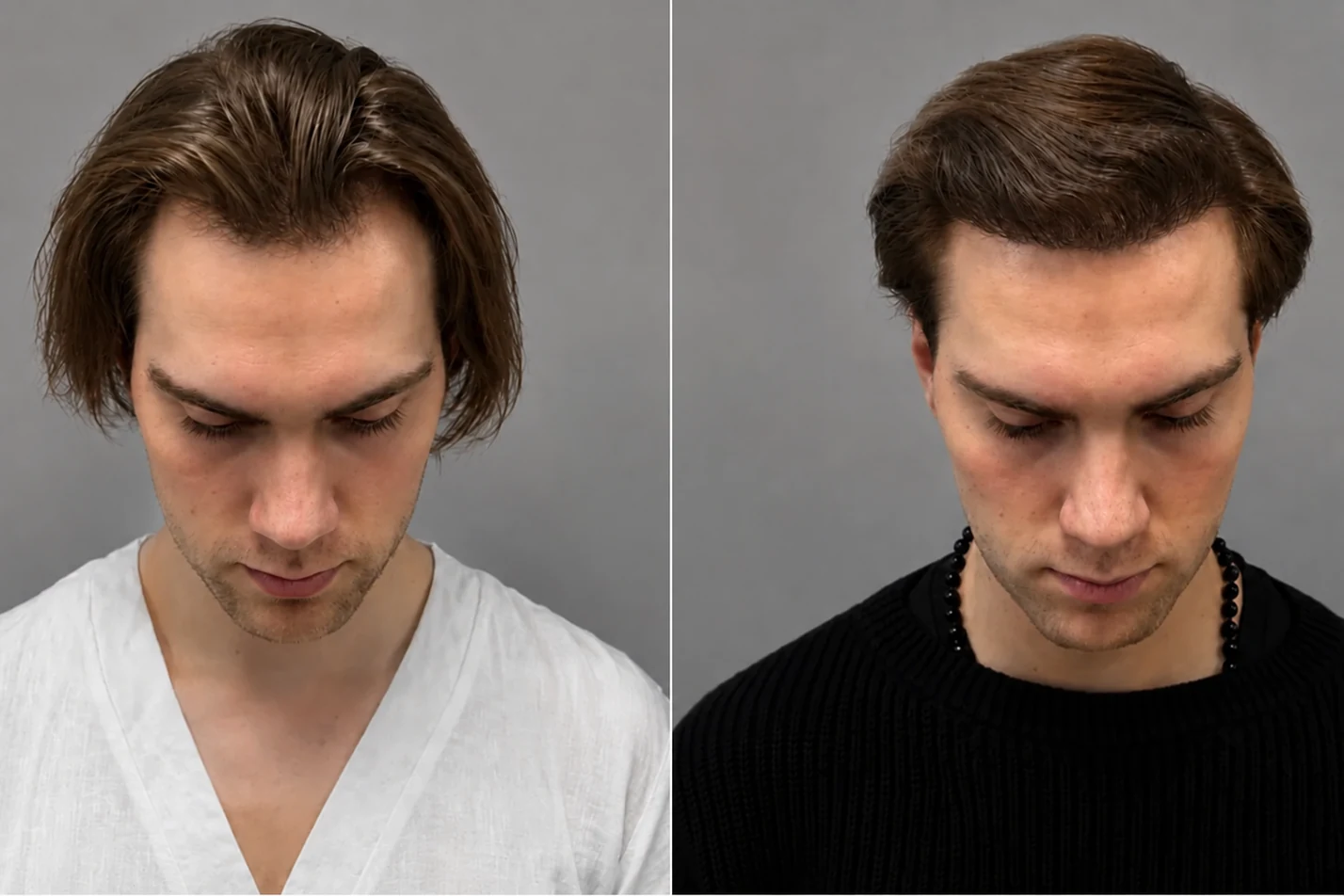
the start
12 months along
2,500 grafts
FUE method
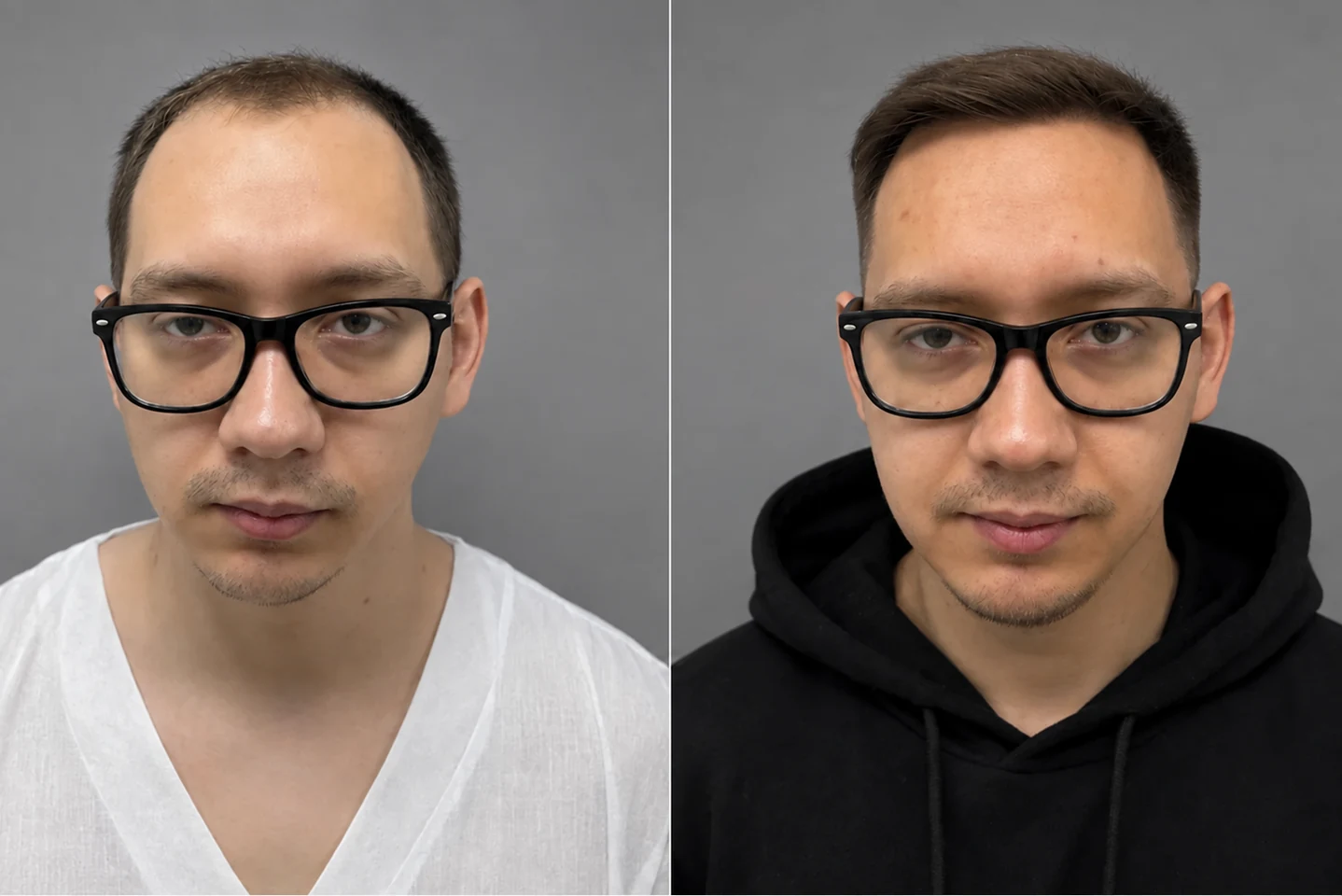
the start
12 months along
3,100 grafts
FUE method
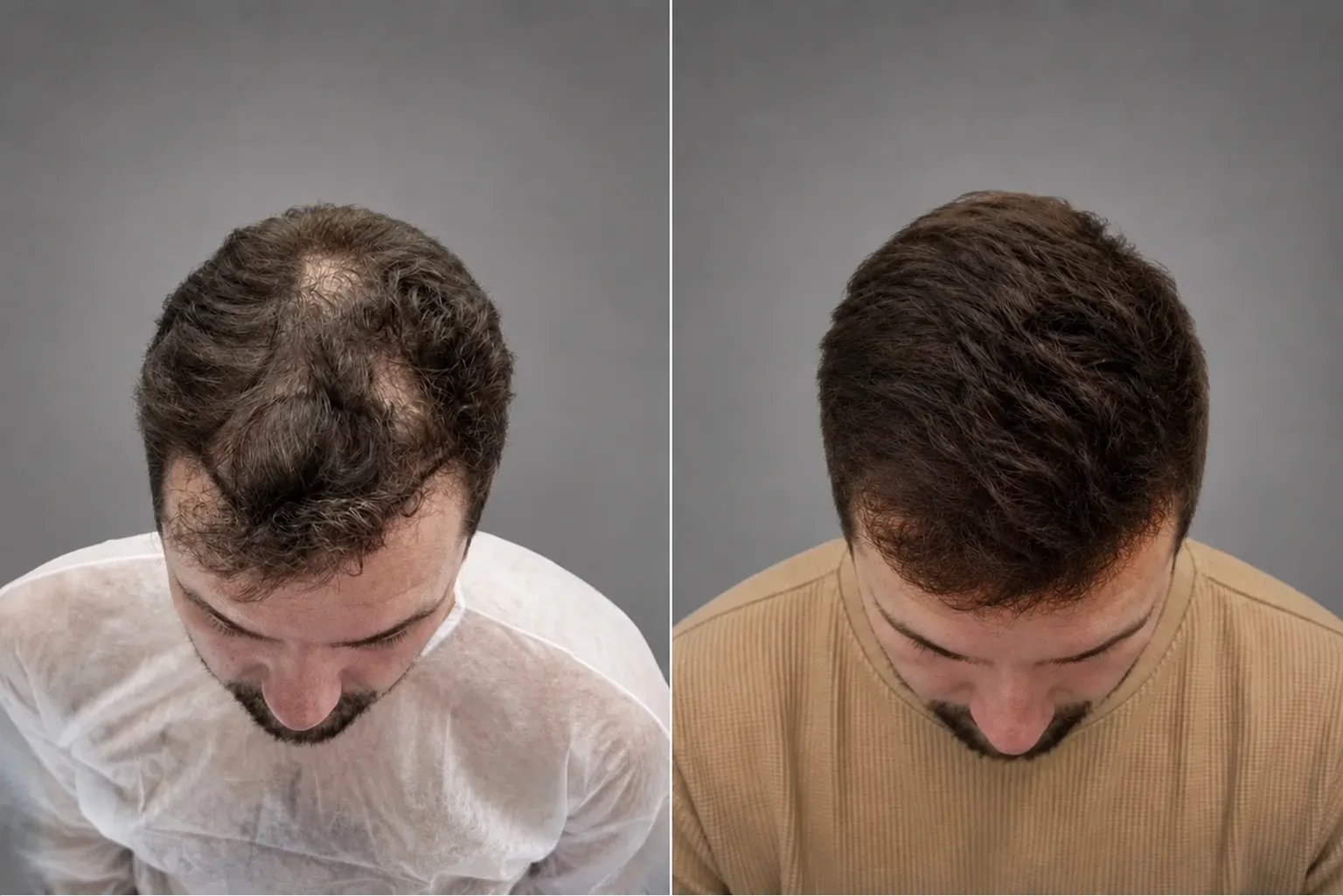
the start
12 months along
3,600 grafts
FUE method
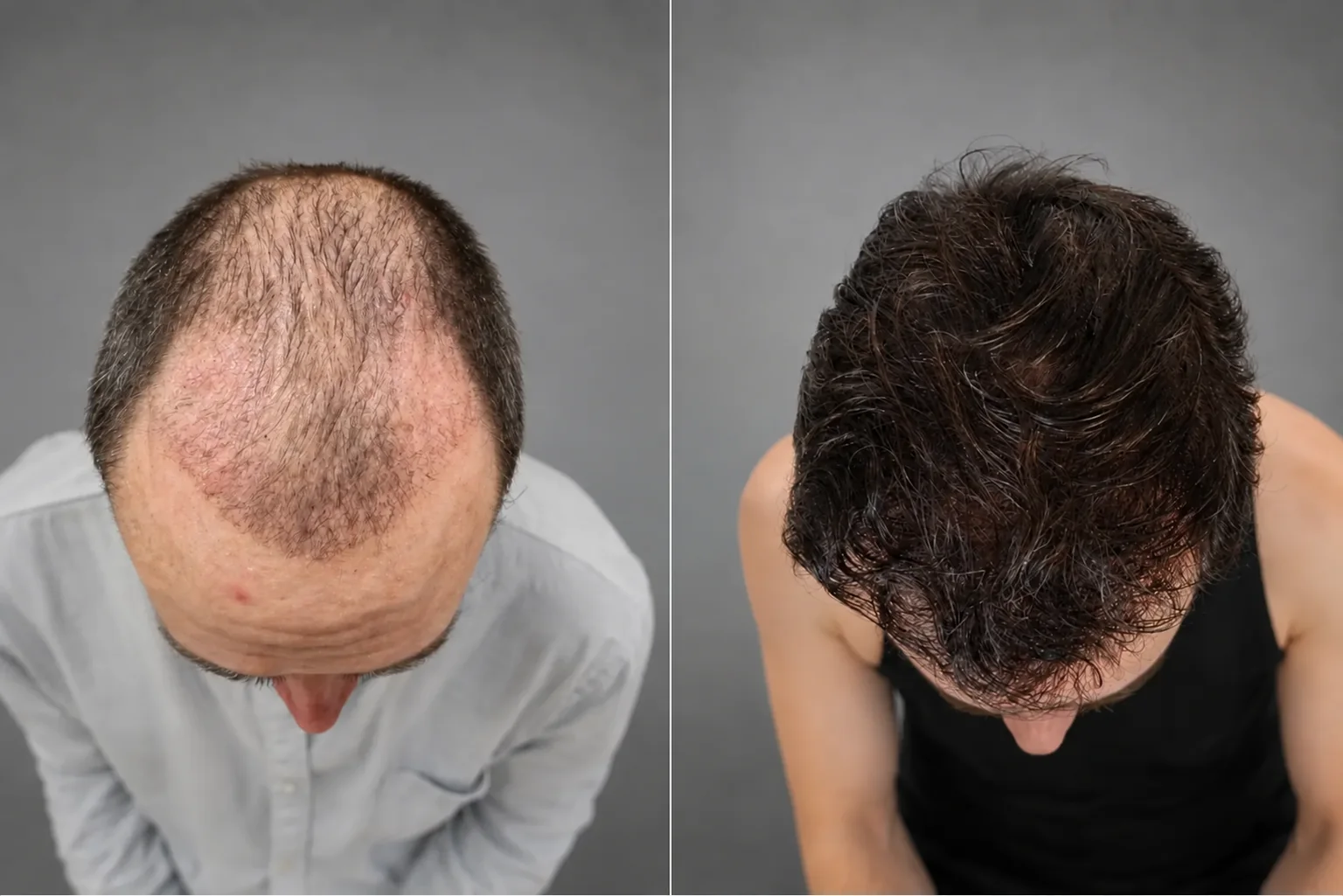
the start
12 months along
4,000 grafts
FUE method
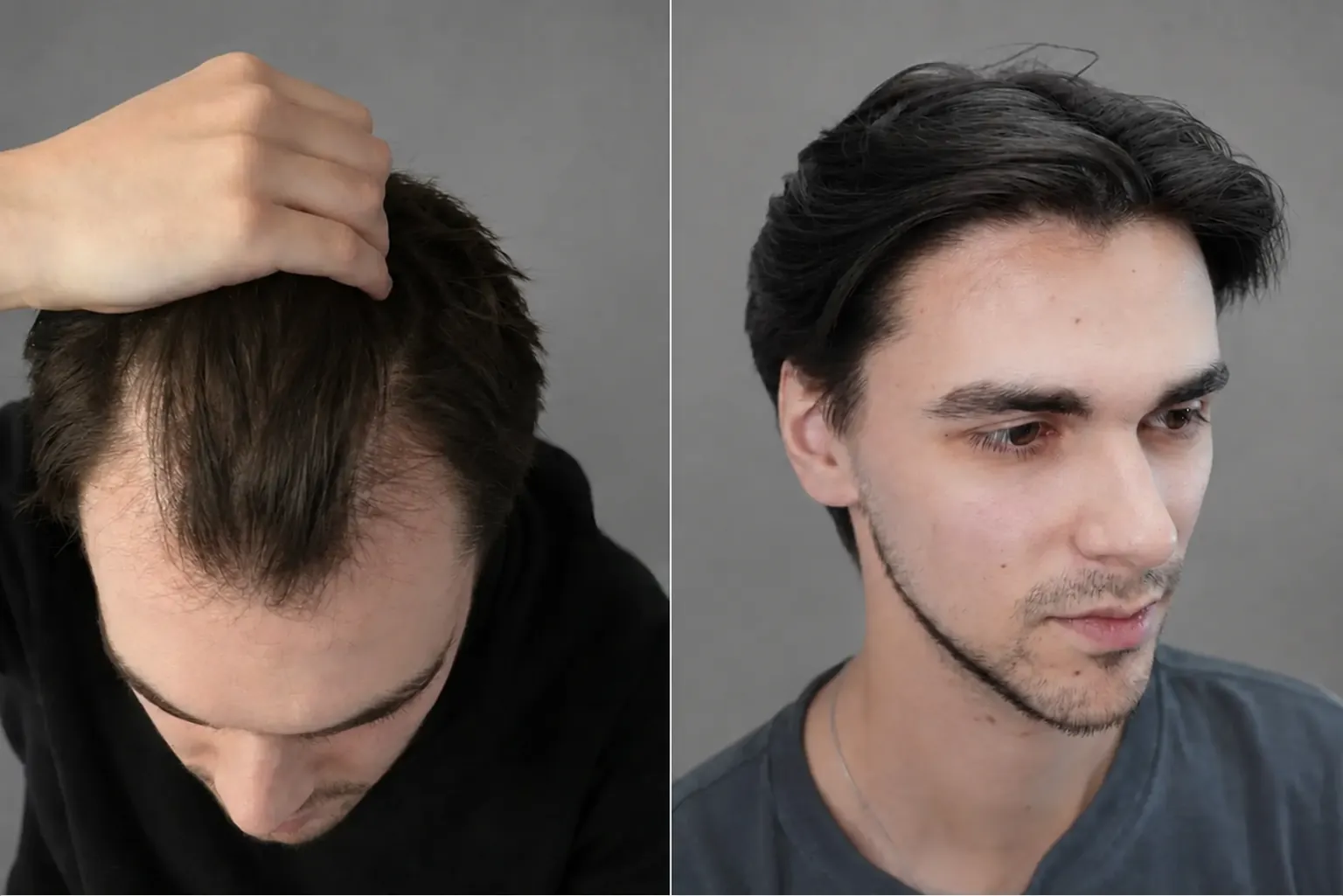
the start
12 months along
3,200 grafts
FUE method
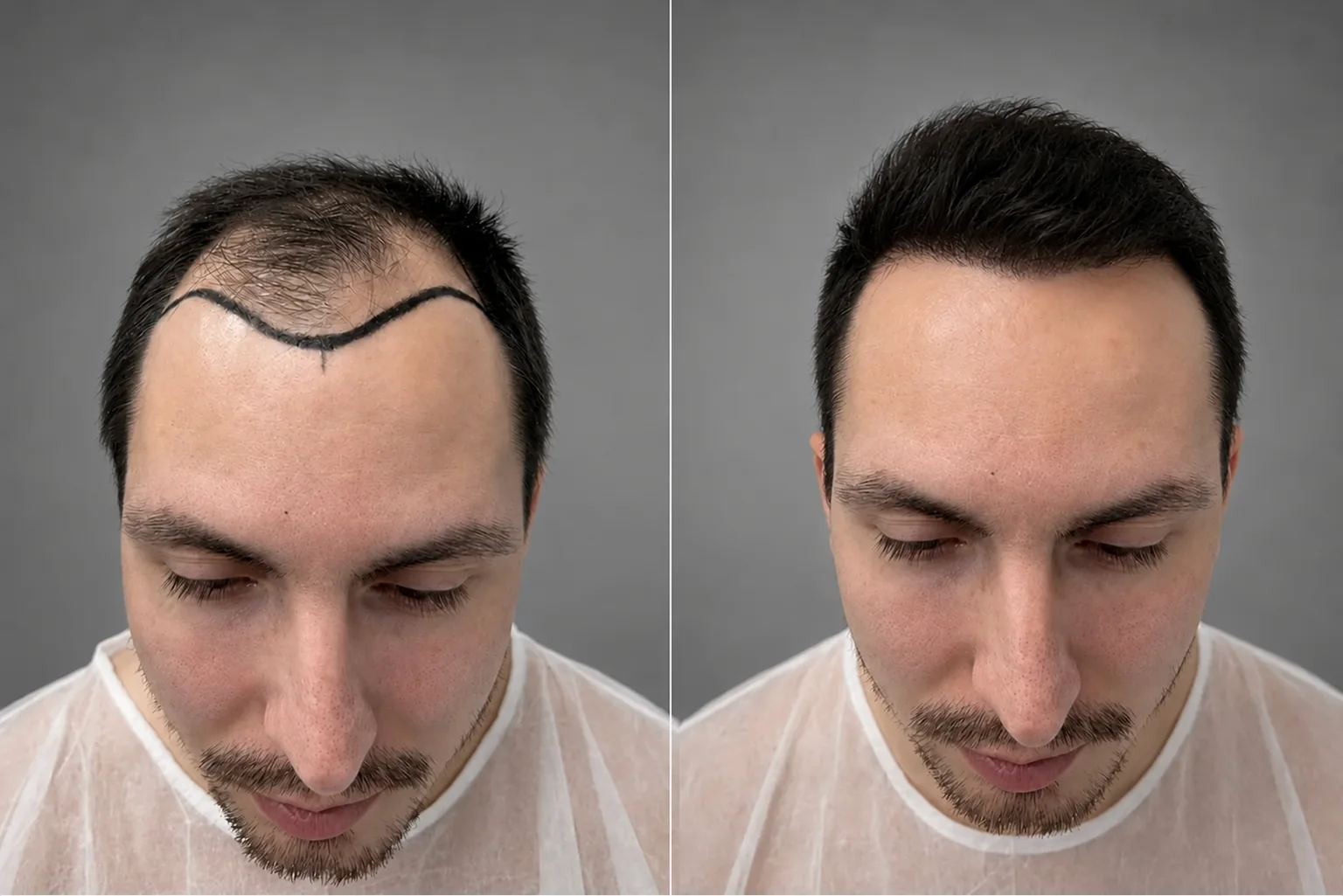
the start
12 months along
3,000 grafts
FUE method
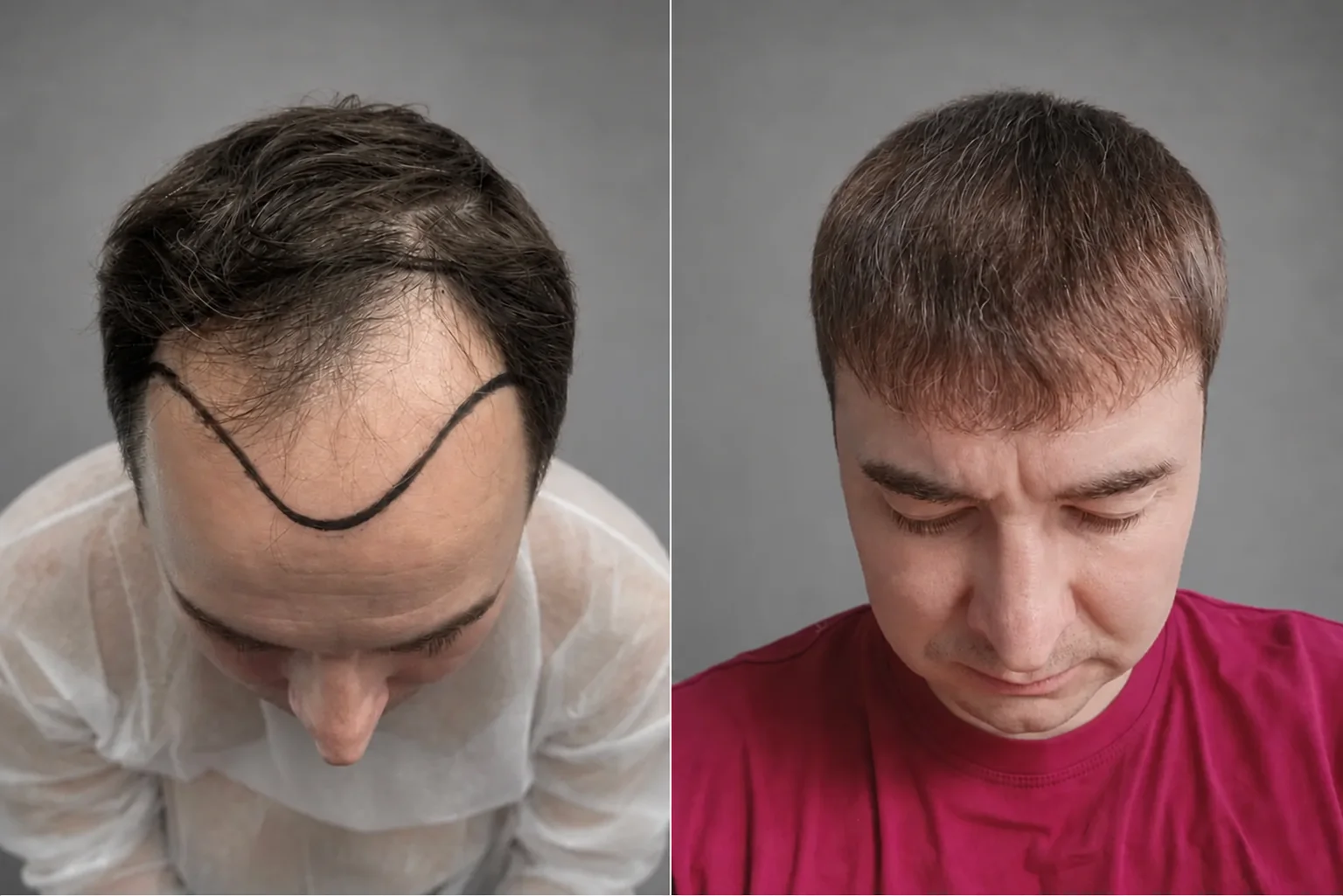
the start
12 months along
3,700 grafts
FUE method
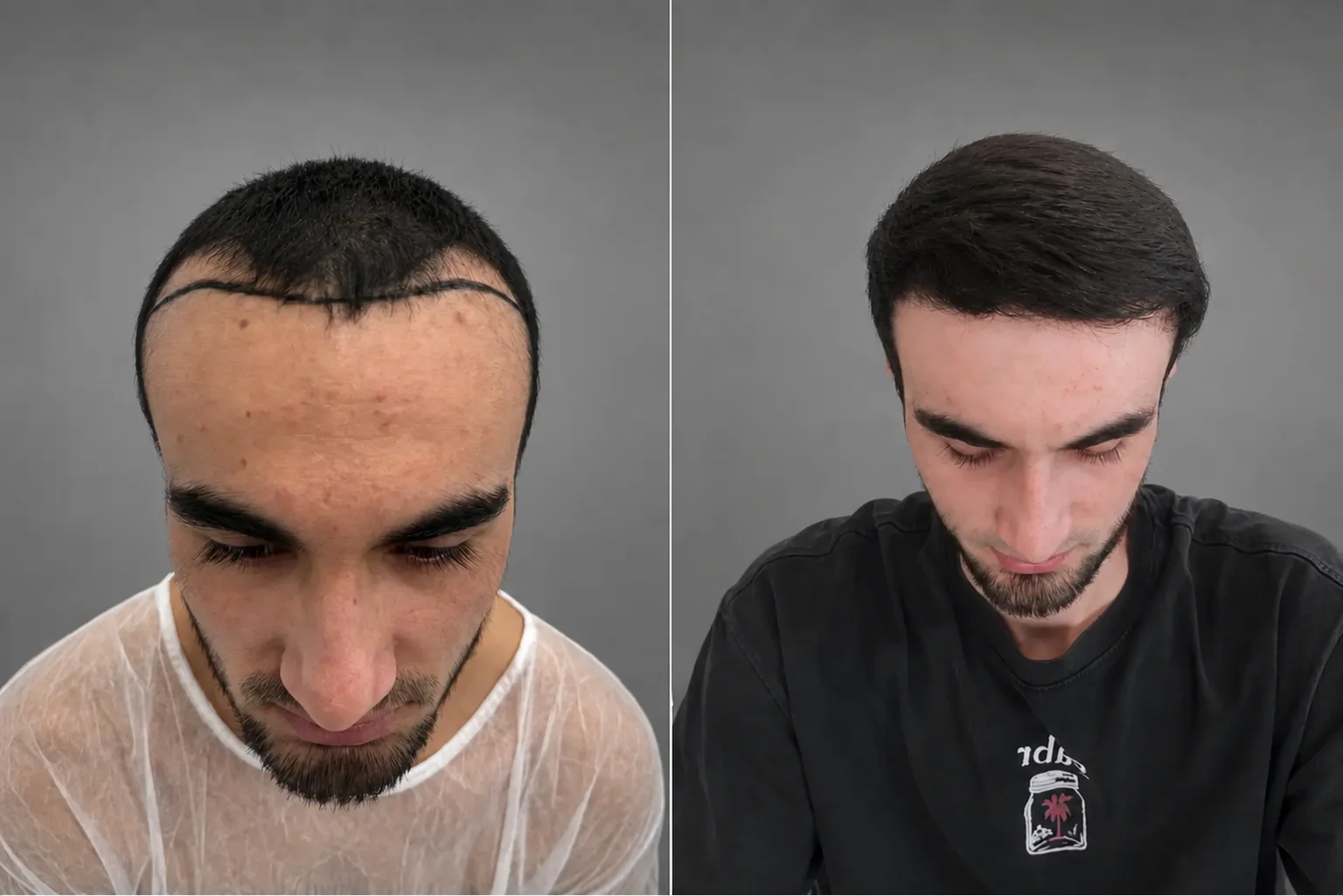
the start
12 months along
2,700 grafts
FUE method
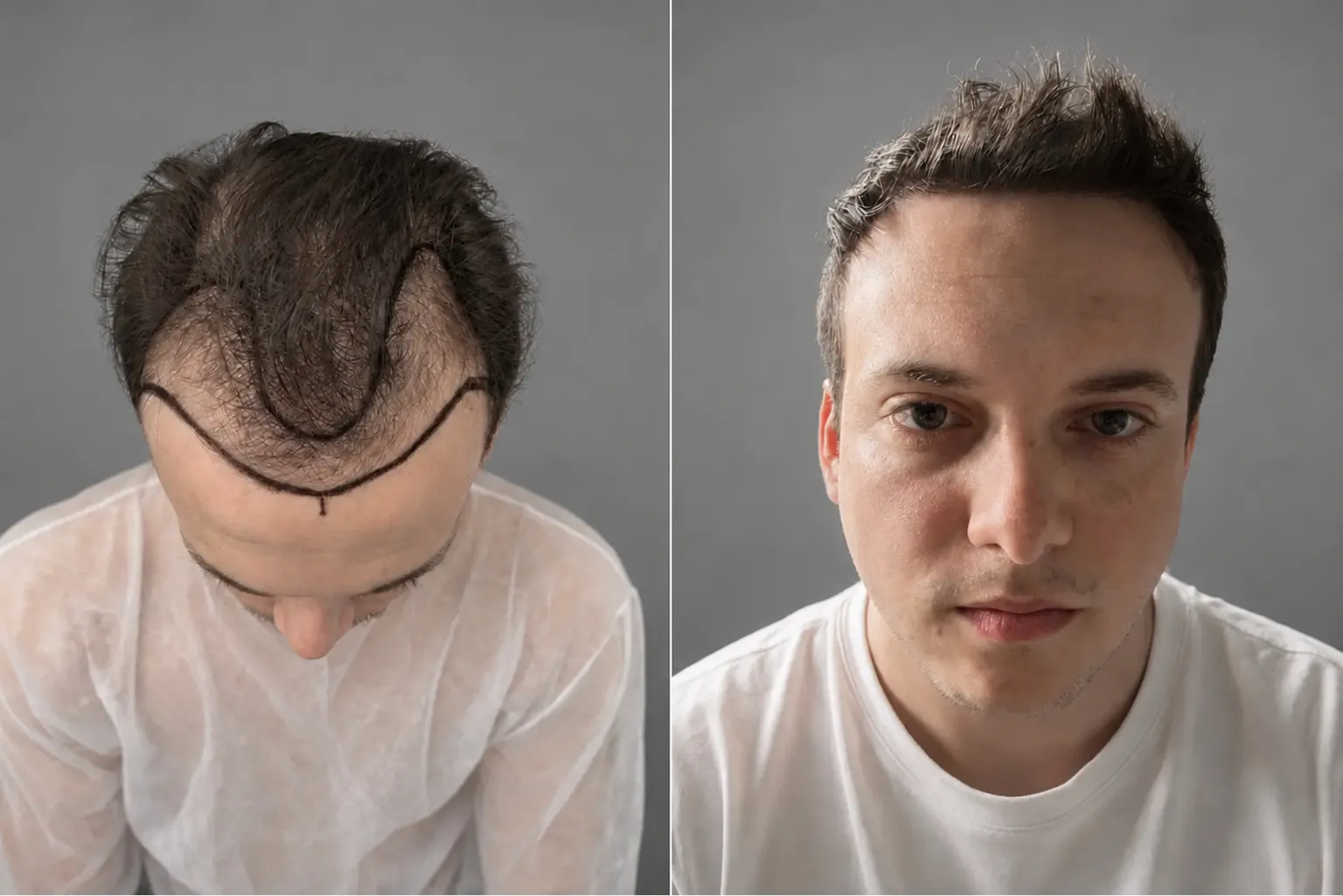
the start
12 months along
3,800 grafts
FUE method
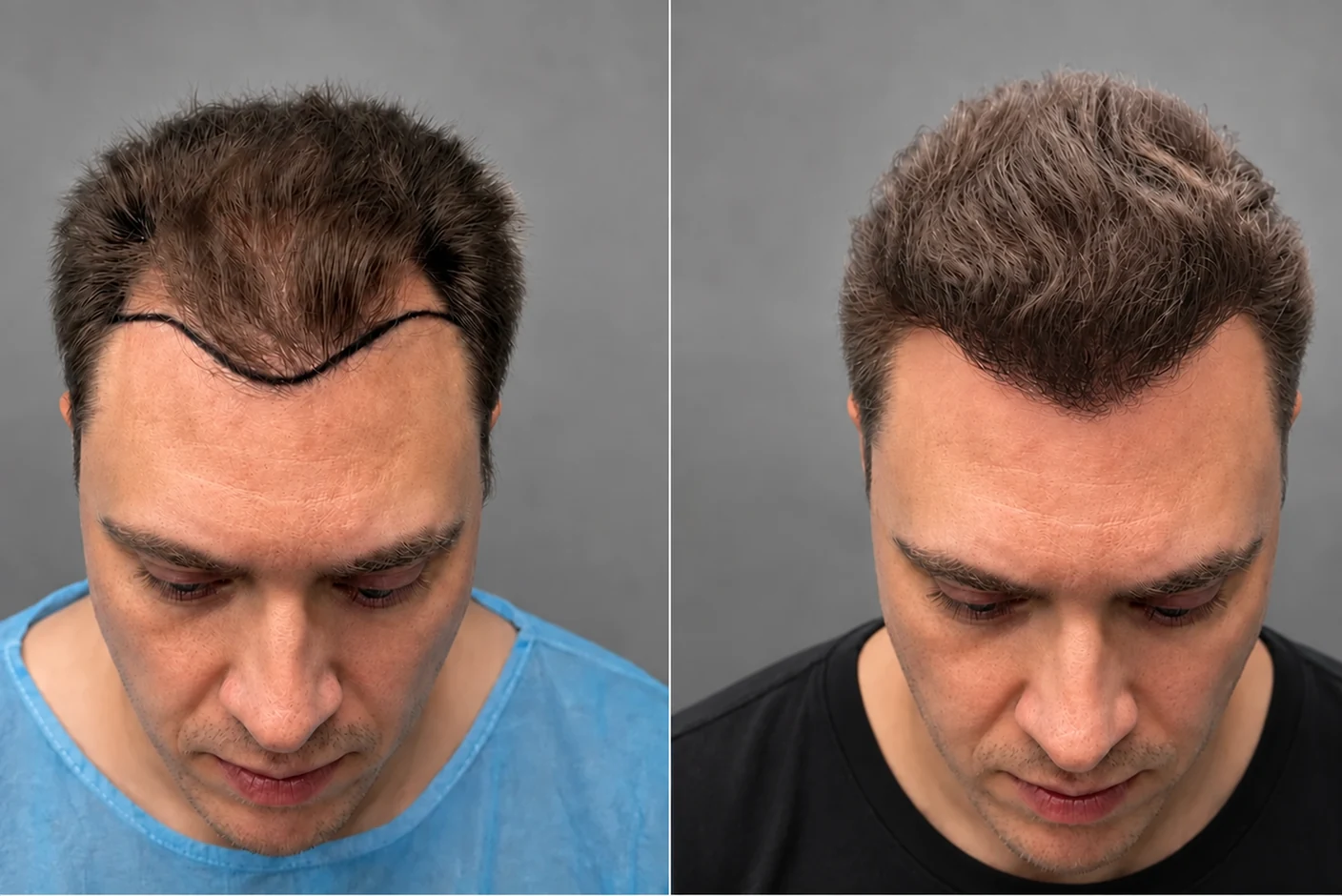
the start
12 months along
3,300 grafts
FUE method
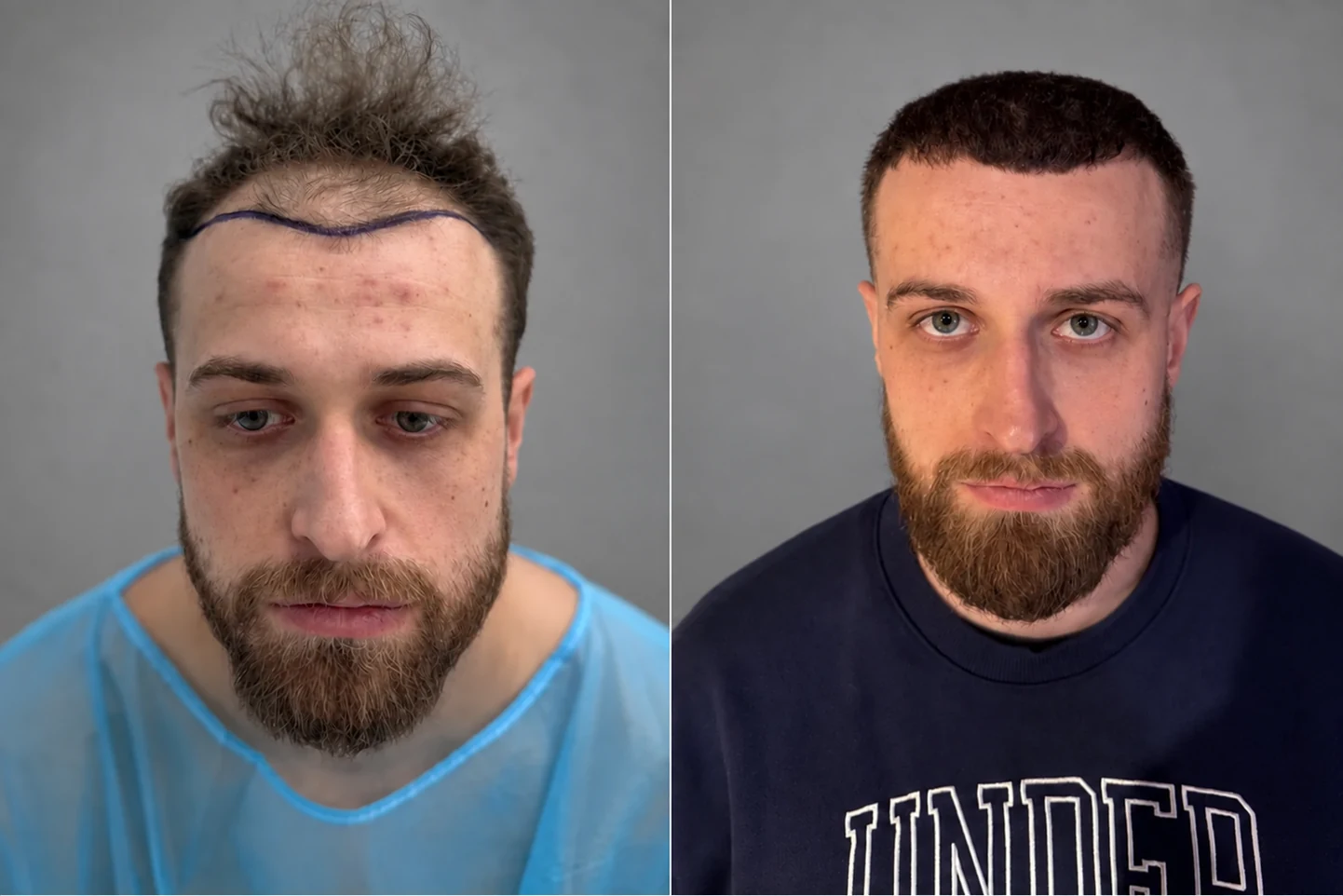
the start
12 months along
2,800 grafts
FUE method
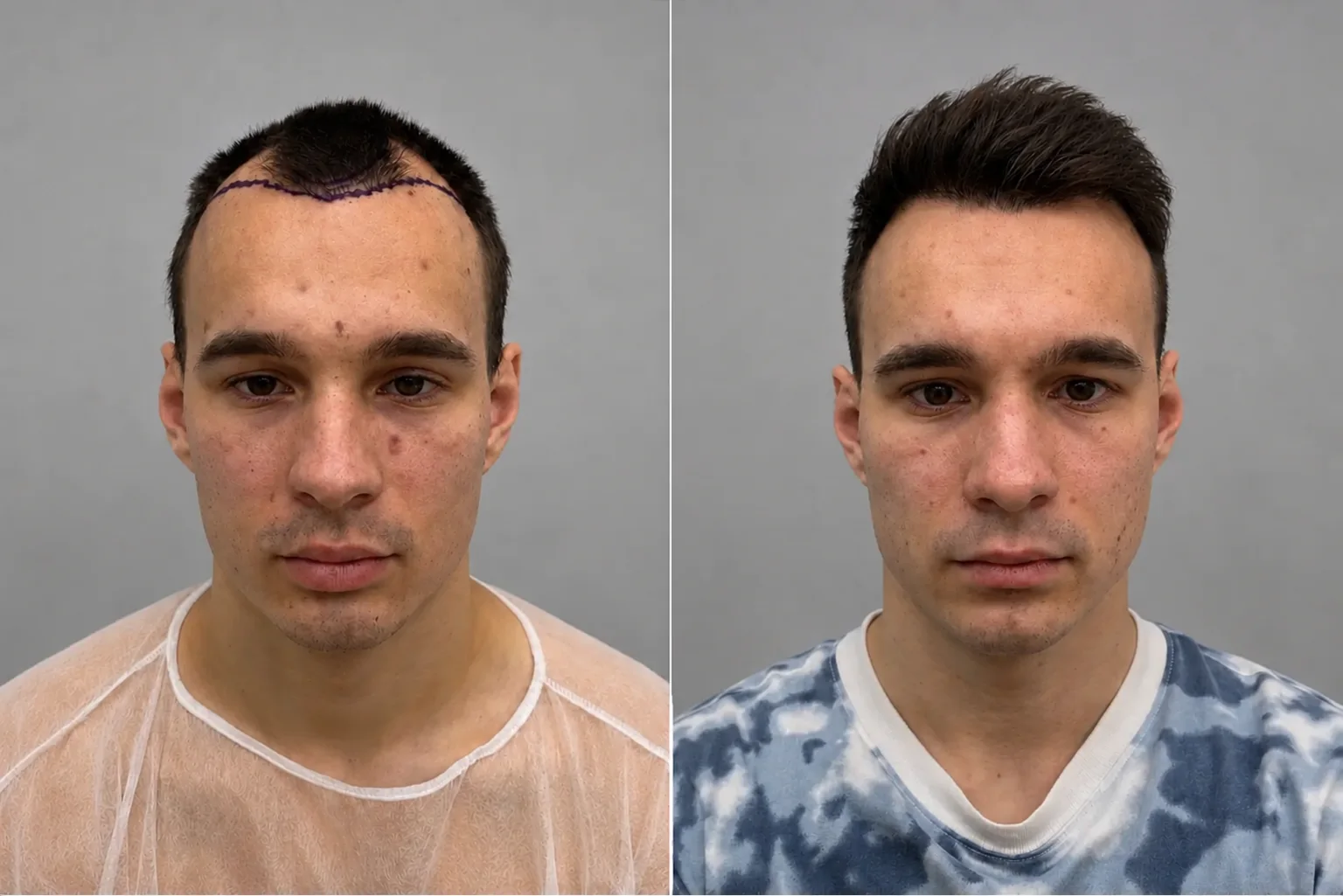
the start
12 months along
2,500 grafts
FUE method
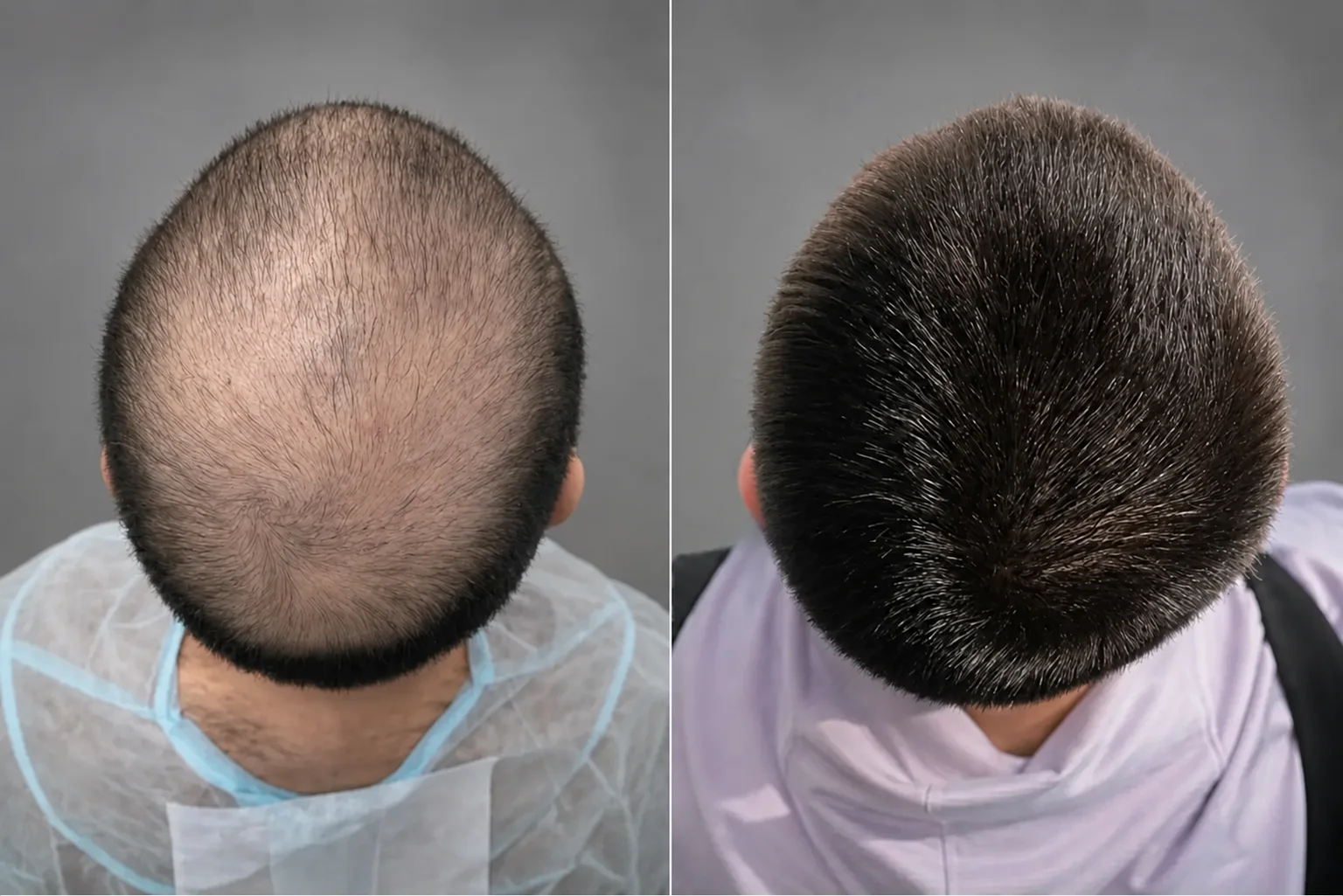
the start
12 months along
3,900 grafts
FUE method
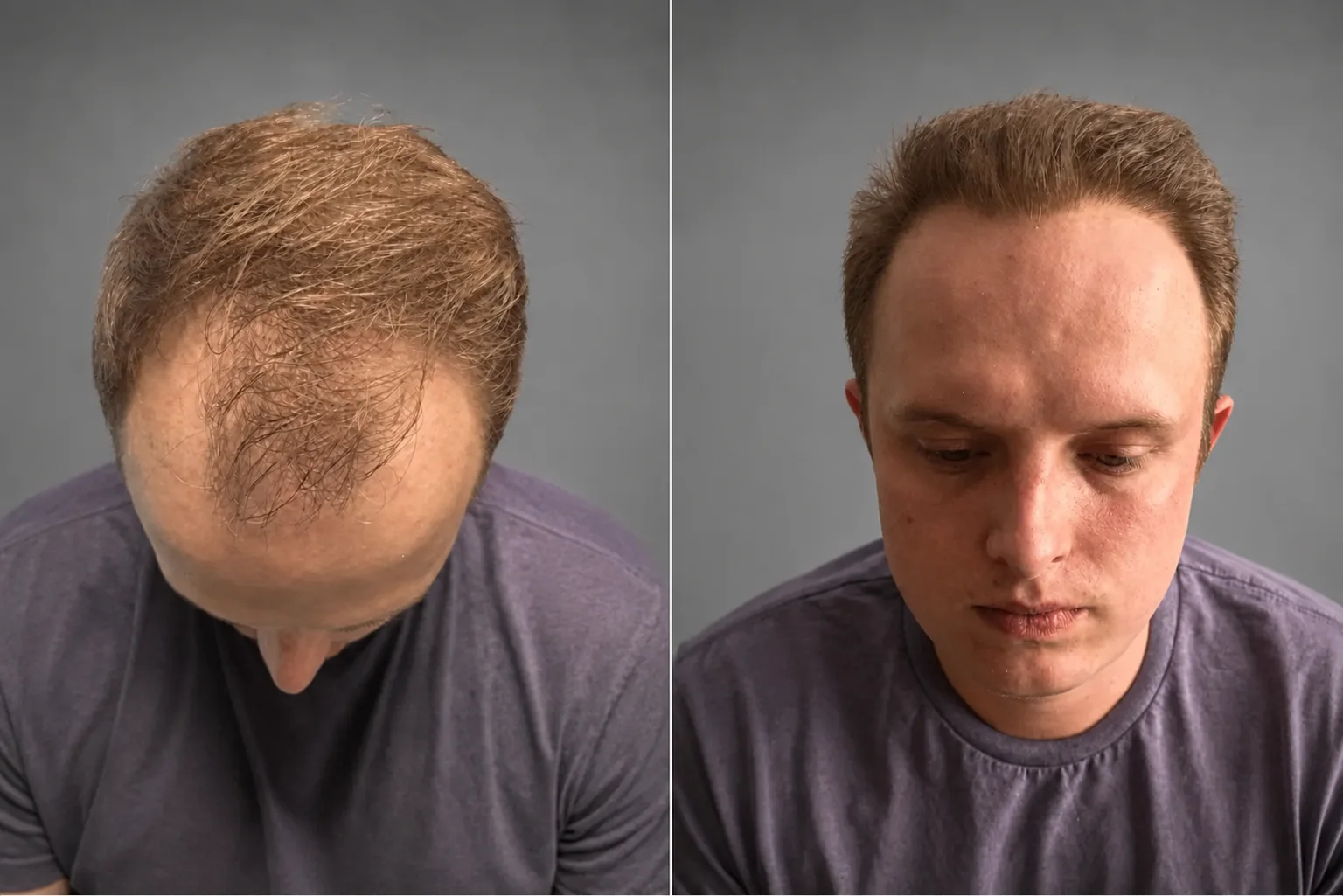
the start
12 months along
3,500 grafts
FUE method
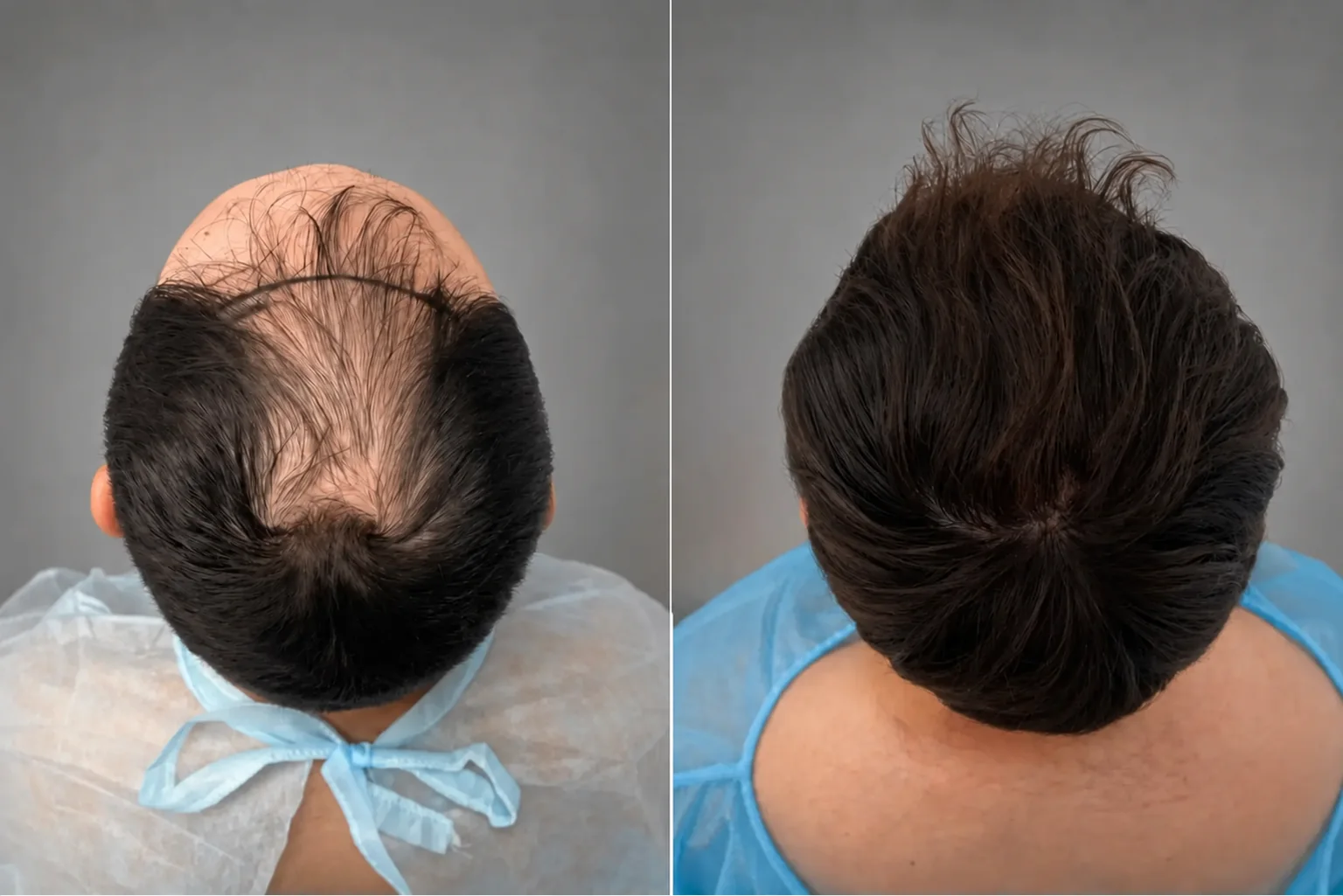
the start
12 months along
3,800 grafts
FUE method
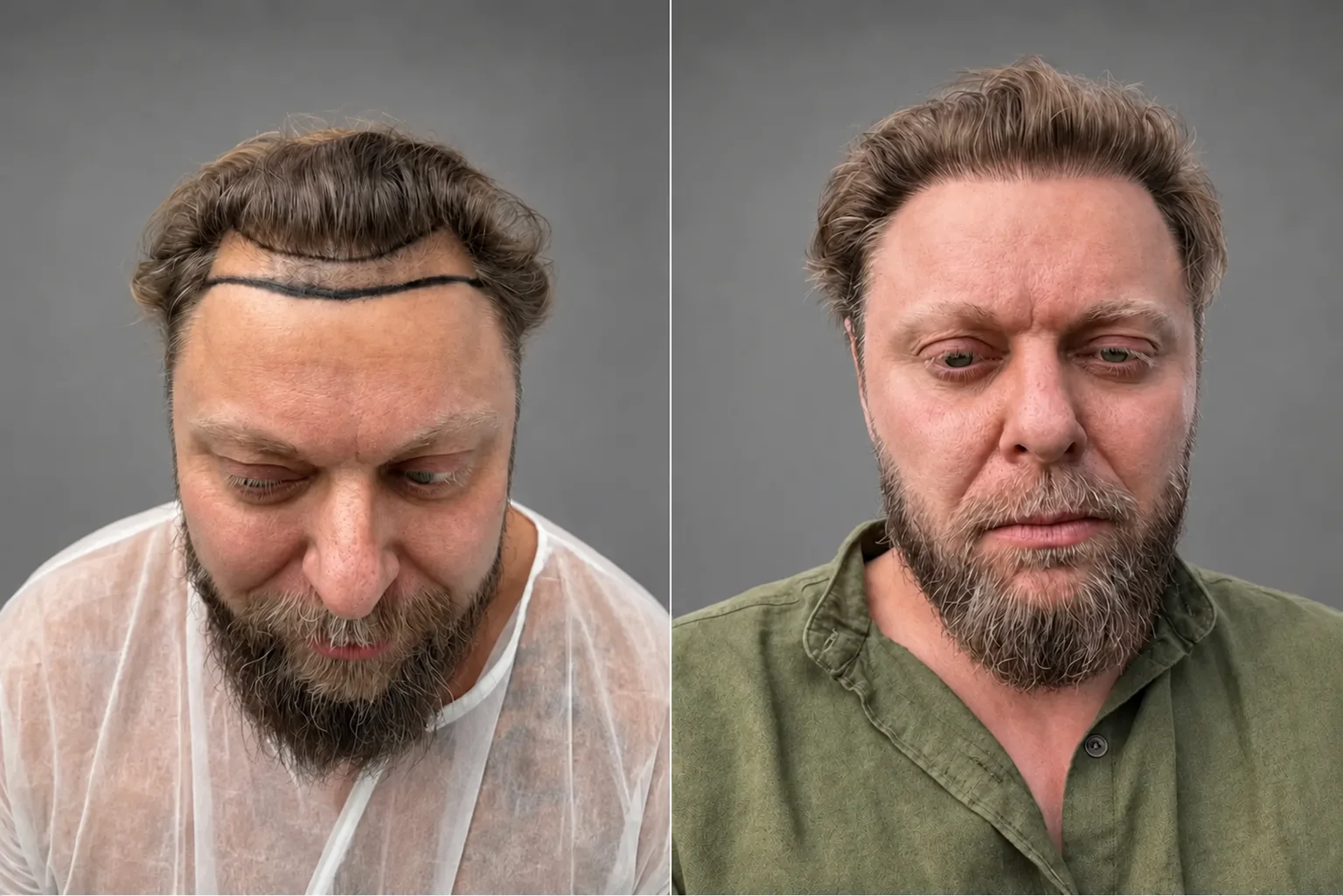
the start
12 months along
2,900 grafts
FUE method
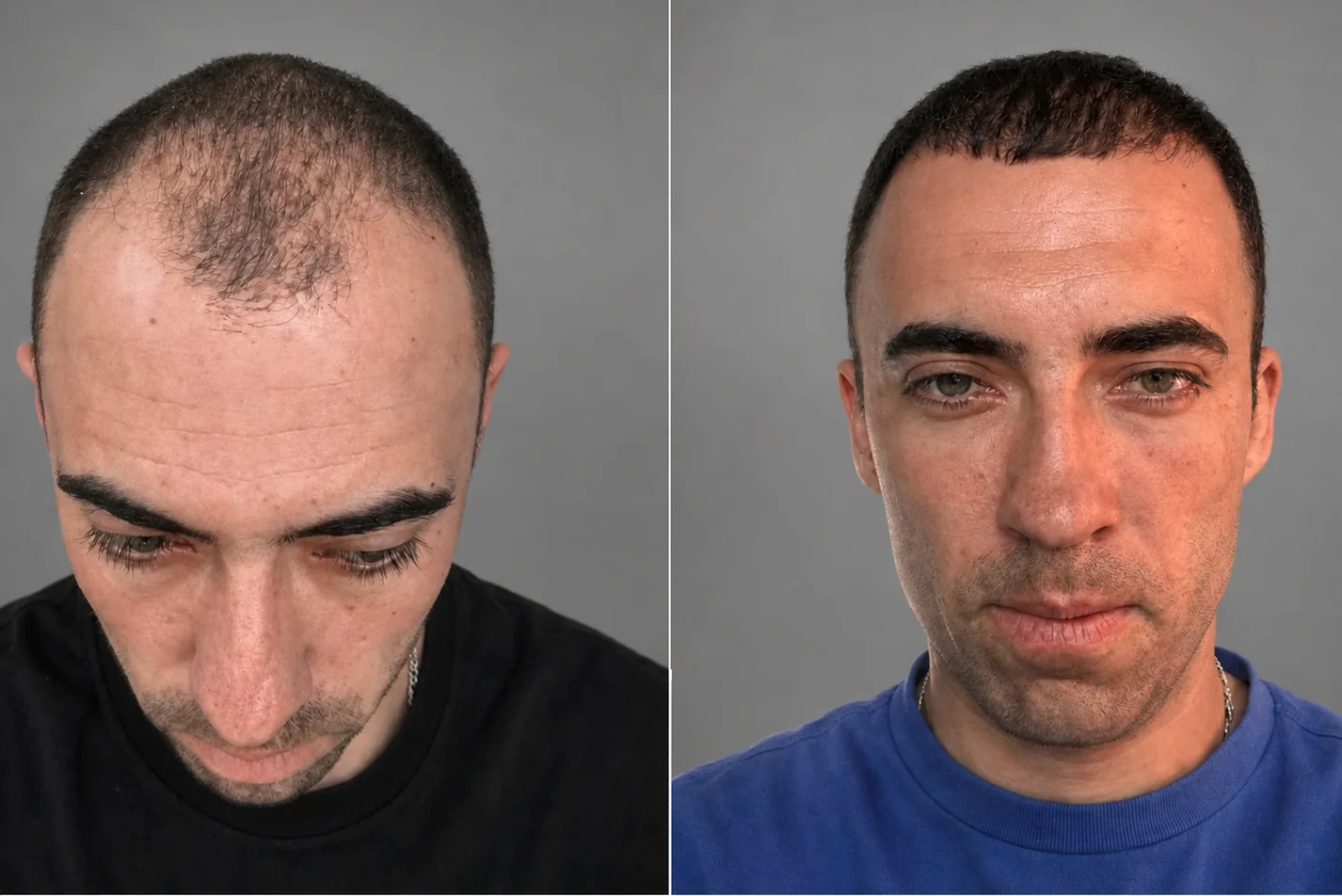
the start
12 months along
3,600 grafts
FUE method
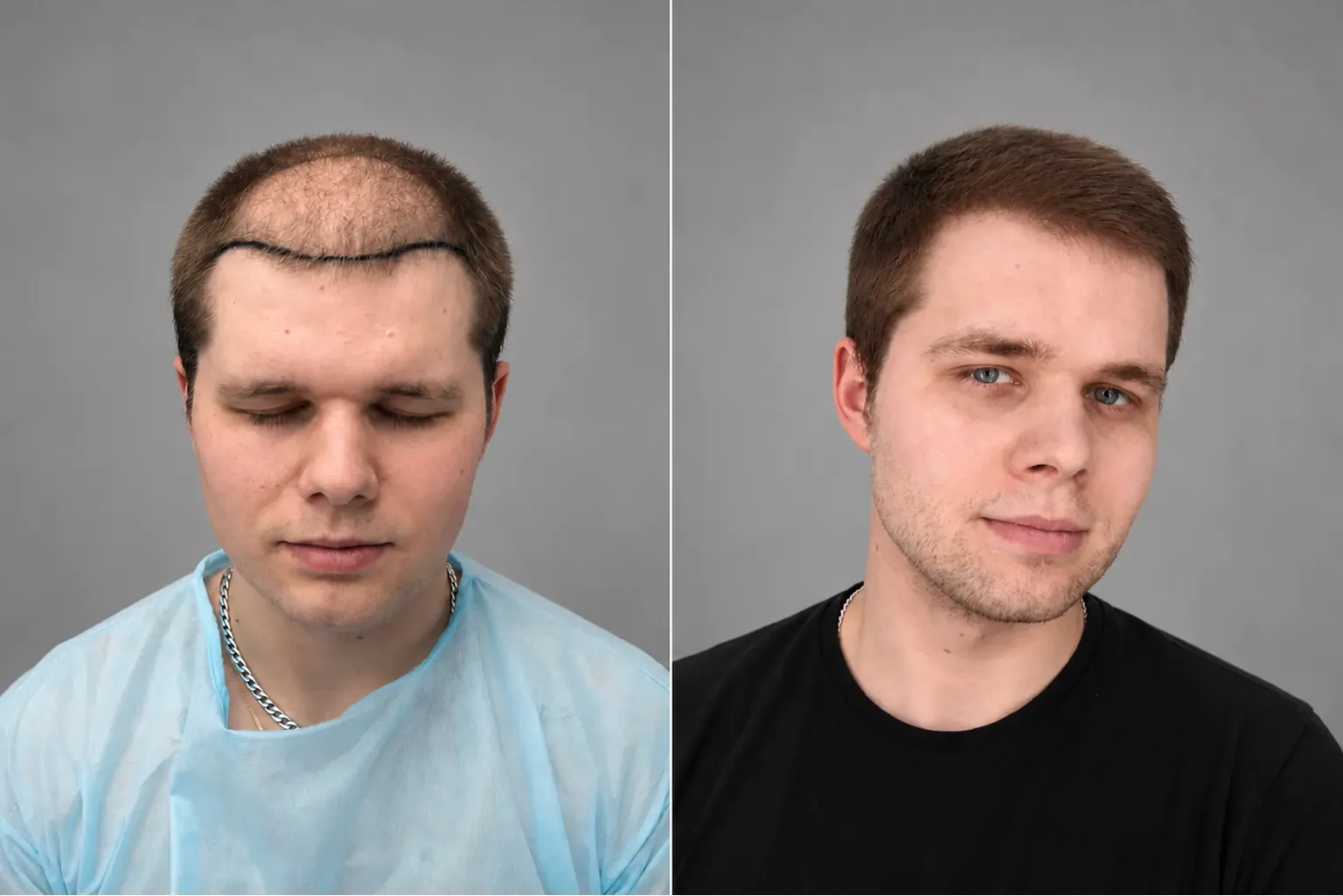
the start
12 months along
2,600 grafts
FUE method
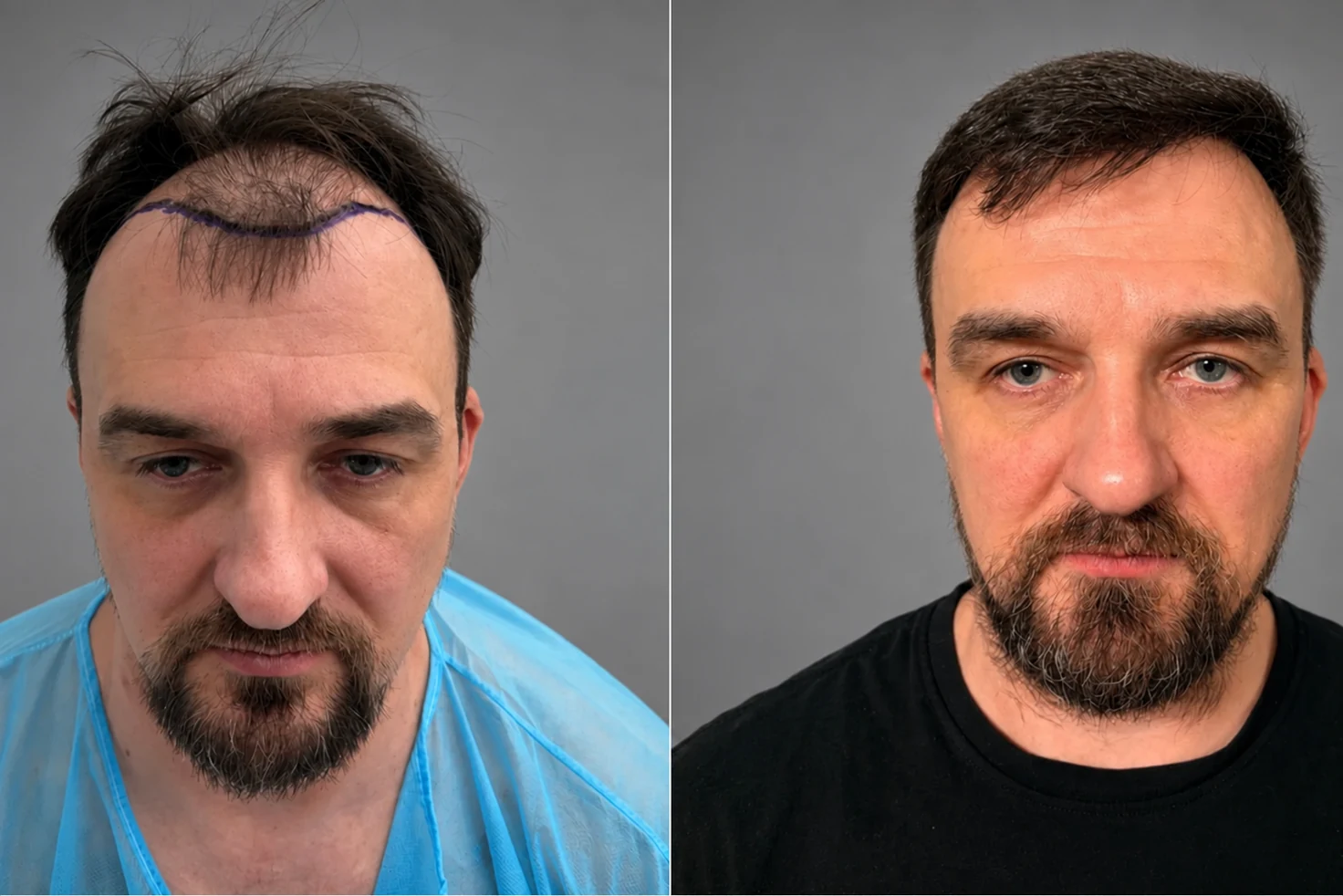
the start
12 months along
2,700 grafts
FUE method
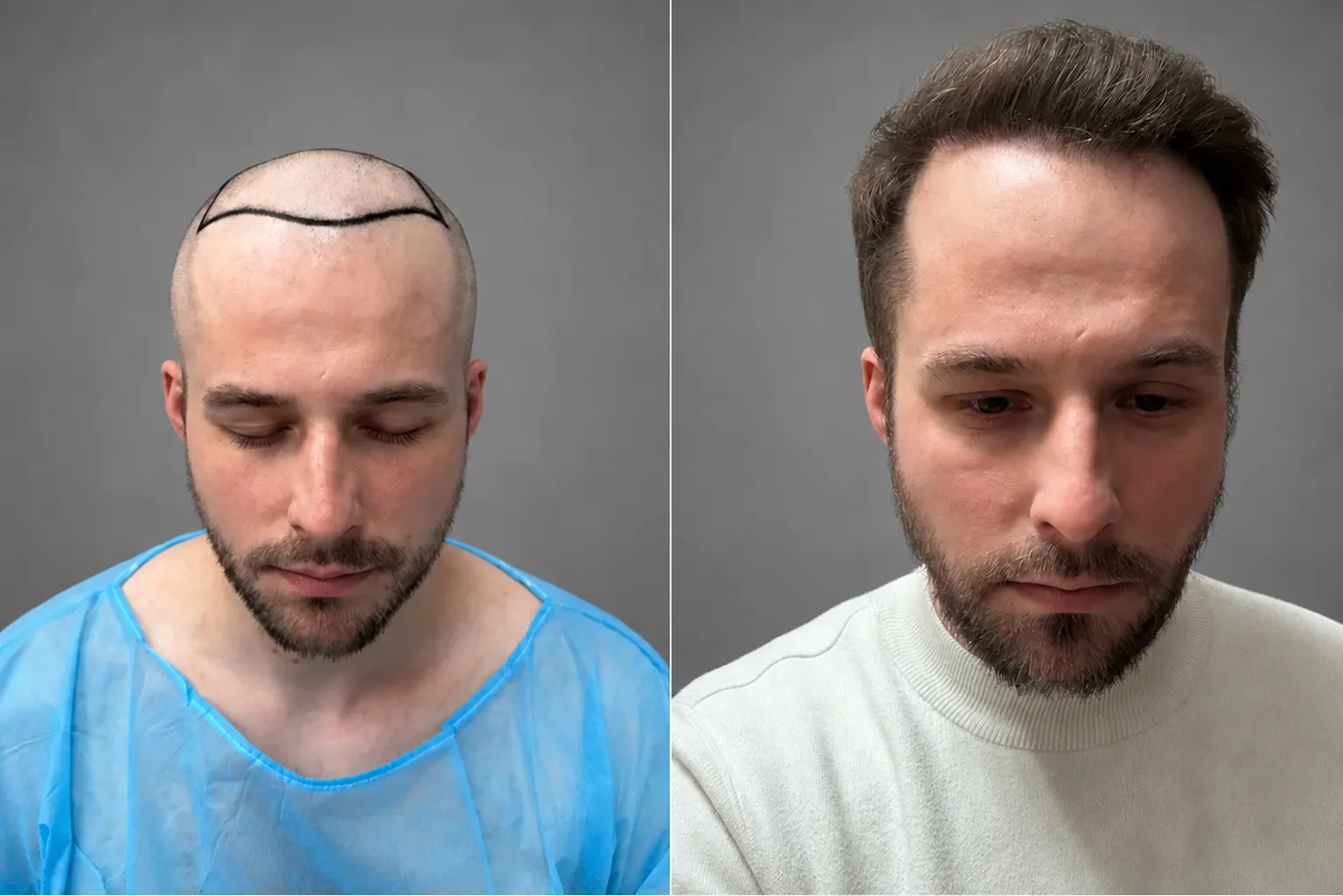
the start
12 months along
3,700 grafts
FUE method
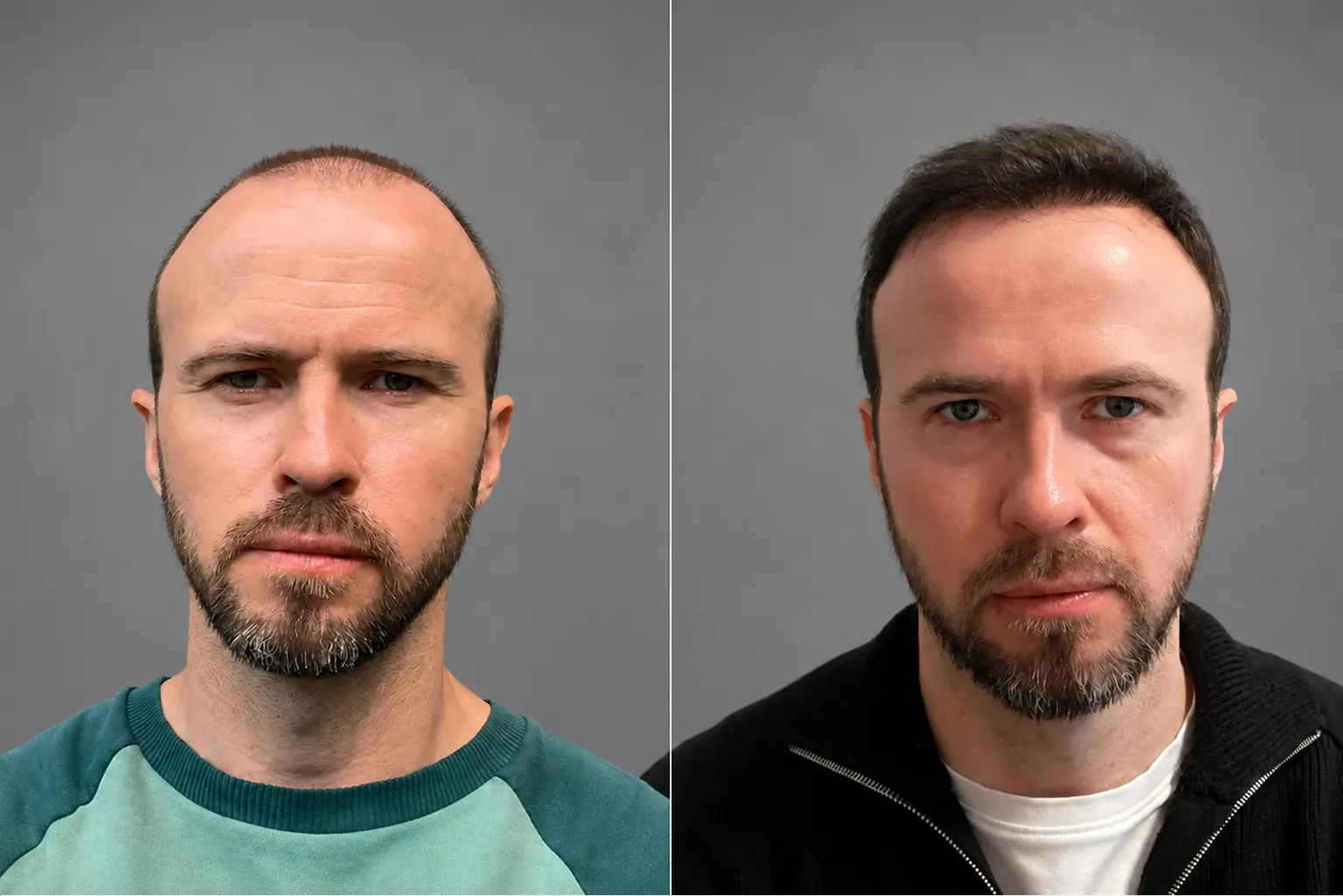
the start
12 months along
3,200 grafts
FUE method
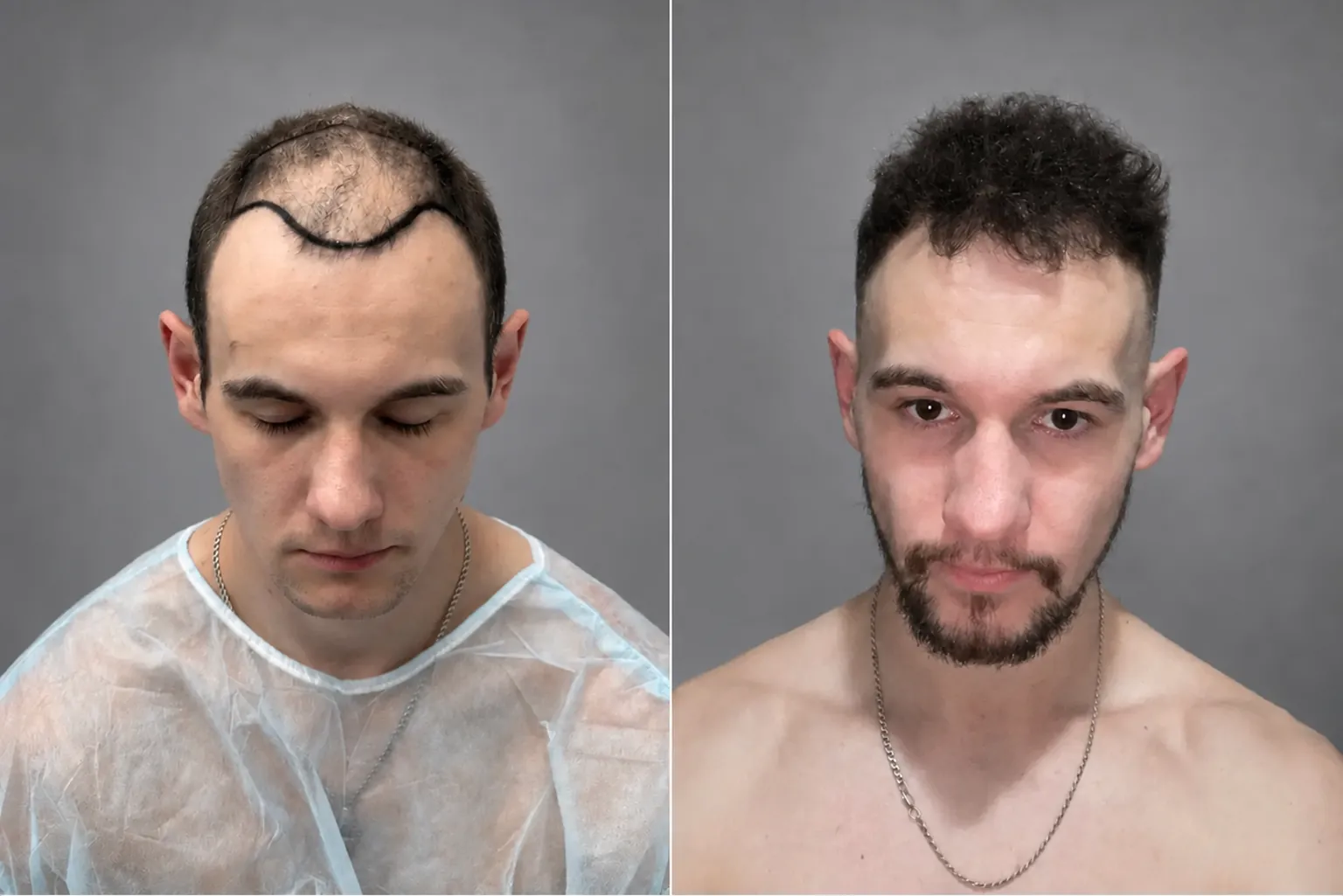
the start
12 months along
3,000 grafts
FUE method
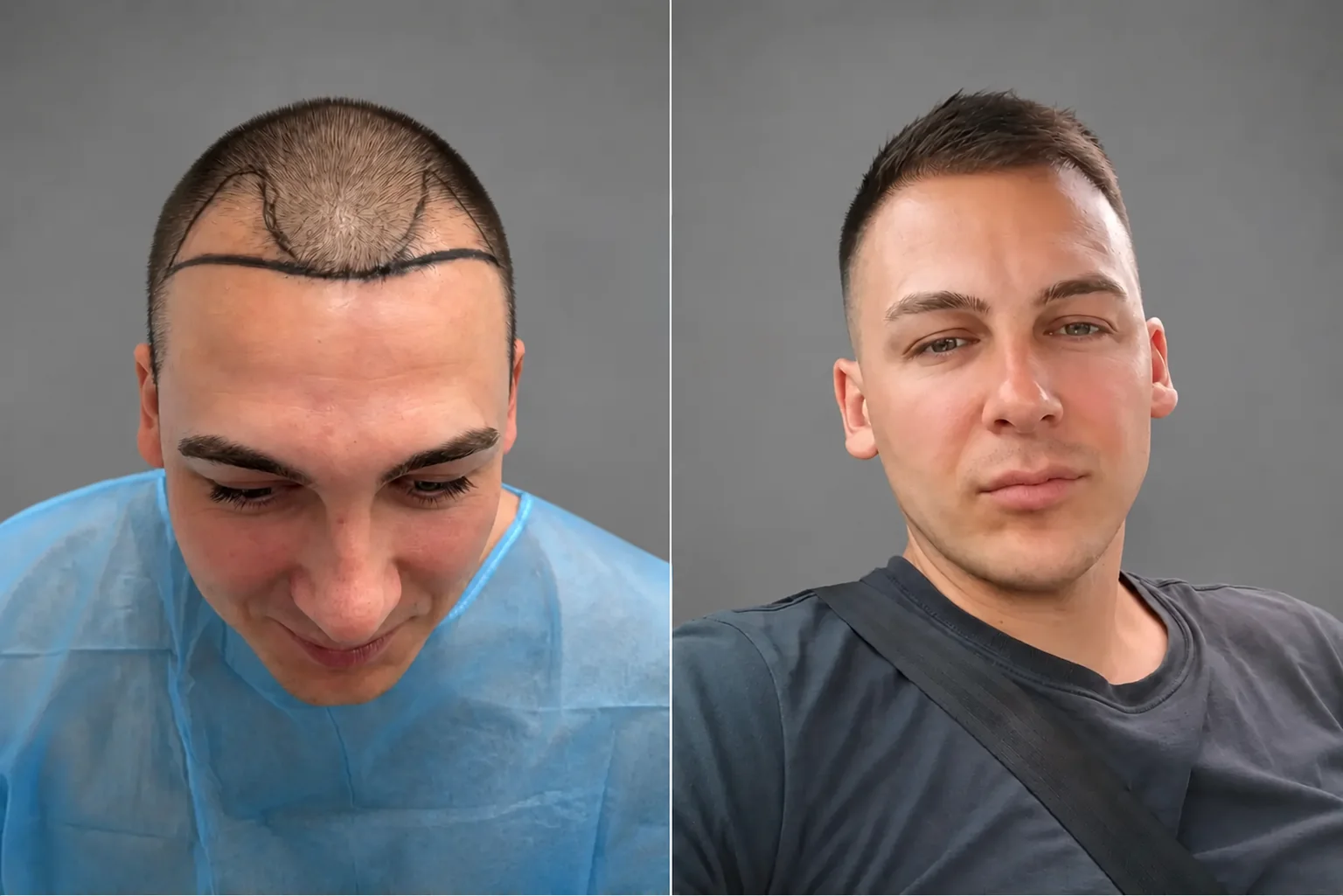
the start
12 months along
2,800 grafts
FUE method
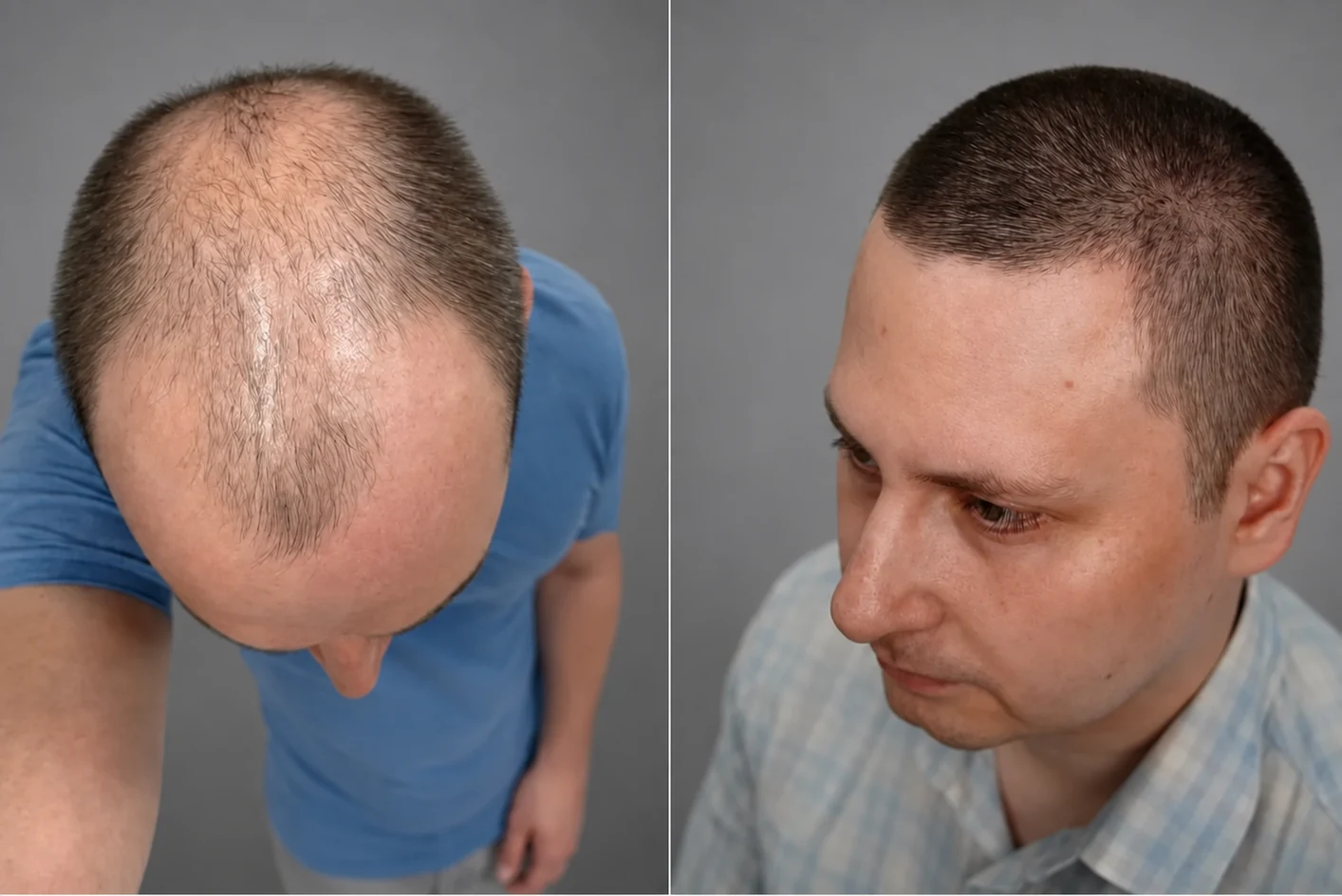
the start
12 months along
4,000 grafts
FUE method
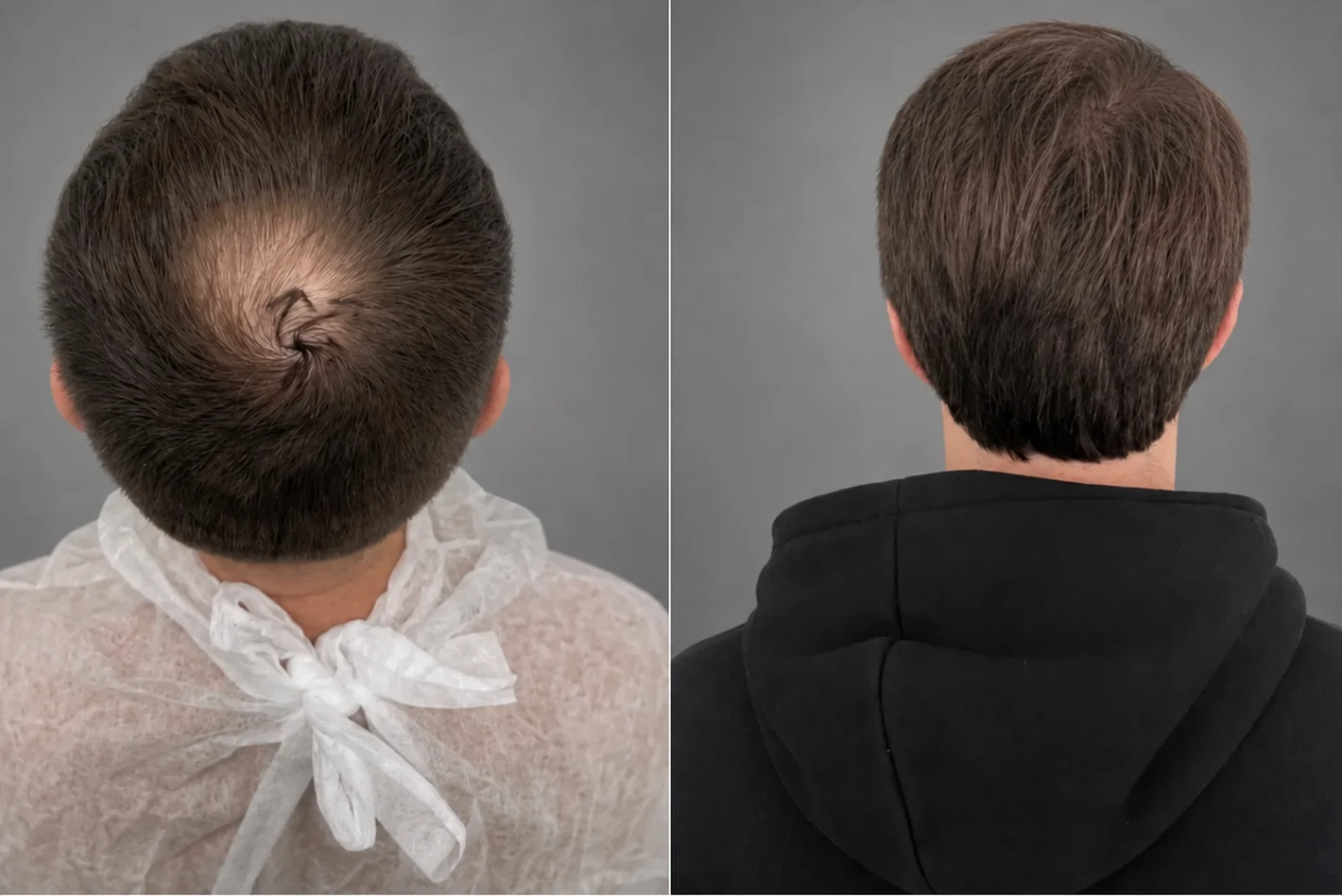
the start
12 months along
3,400 grafts
FUE method
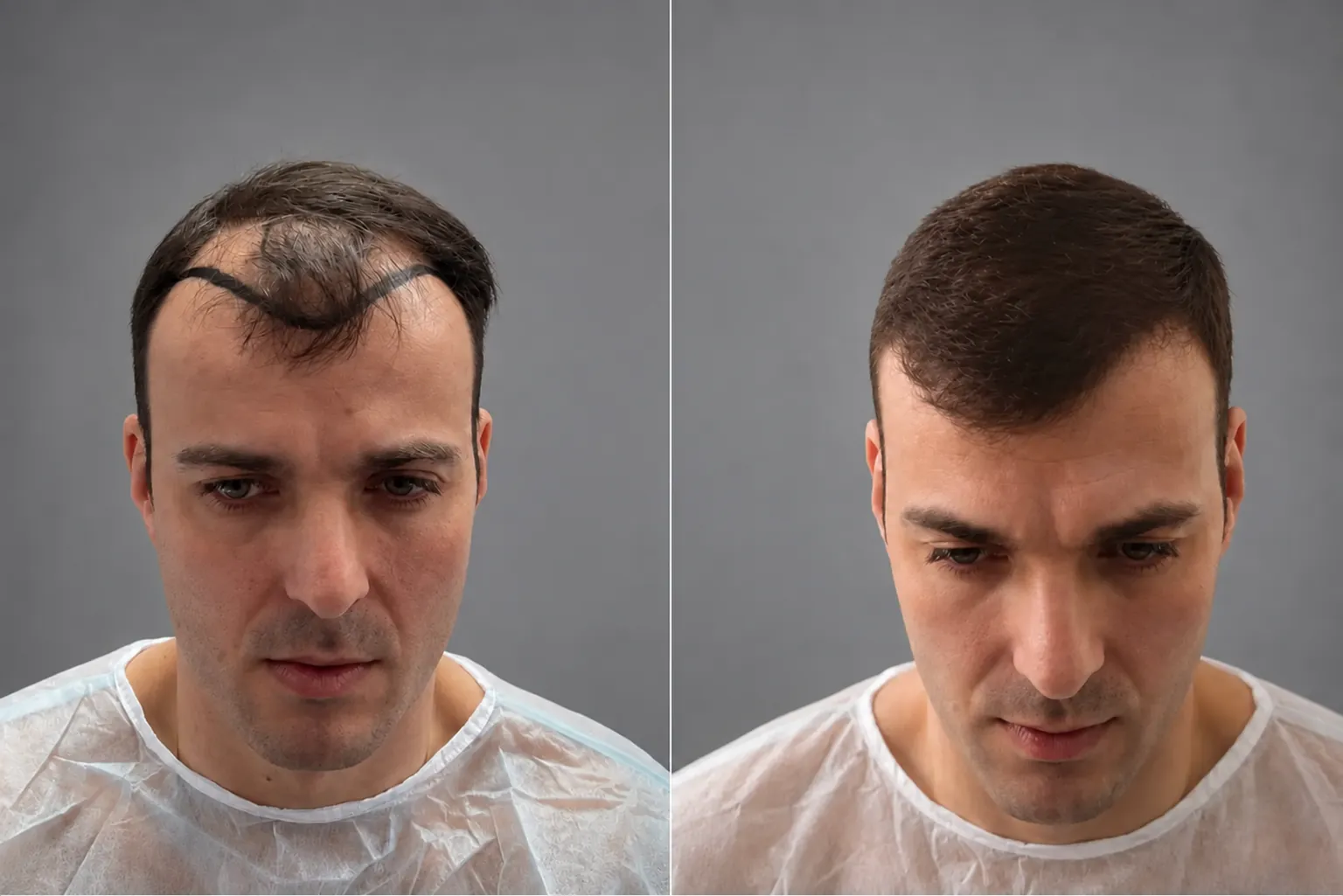
the start
12 months along
2,900 grafts
FUE method
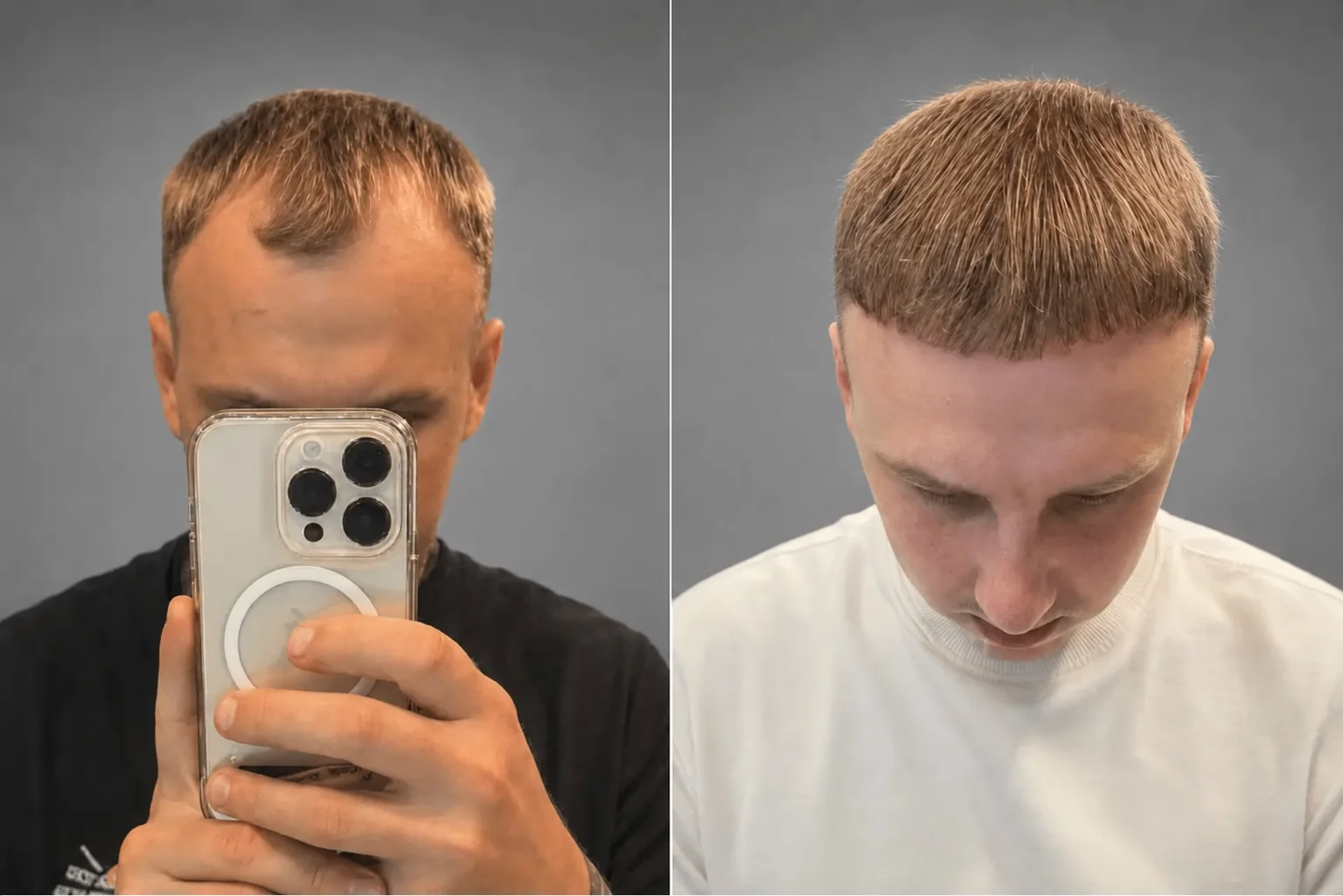
the start
12 months along
3,100 grafts
FUE method
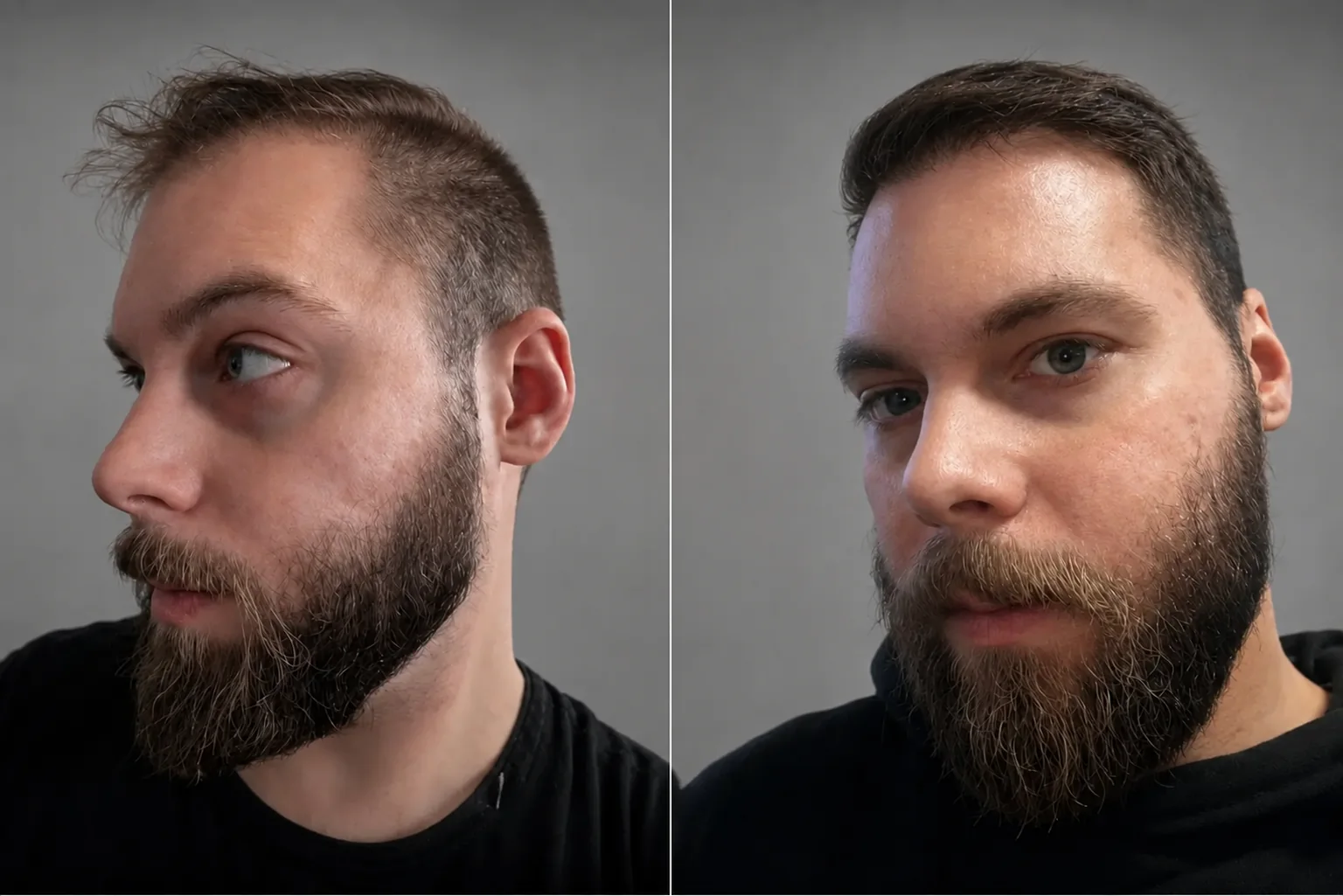
the start
12 months along
2,600 grafts
FUE method
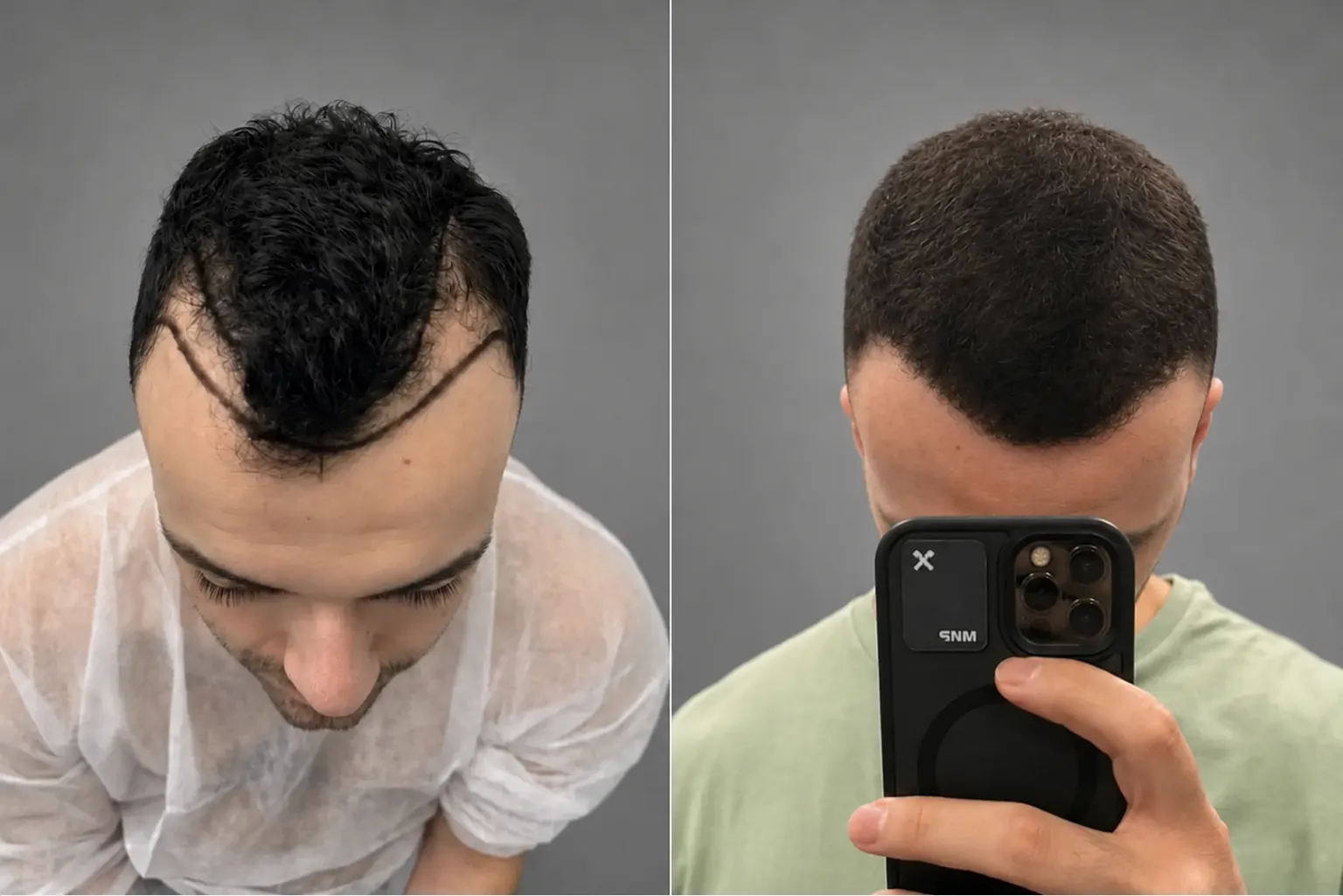
the start
12 months along
3,300 grafts
FUE method
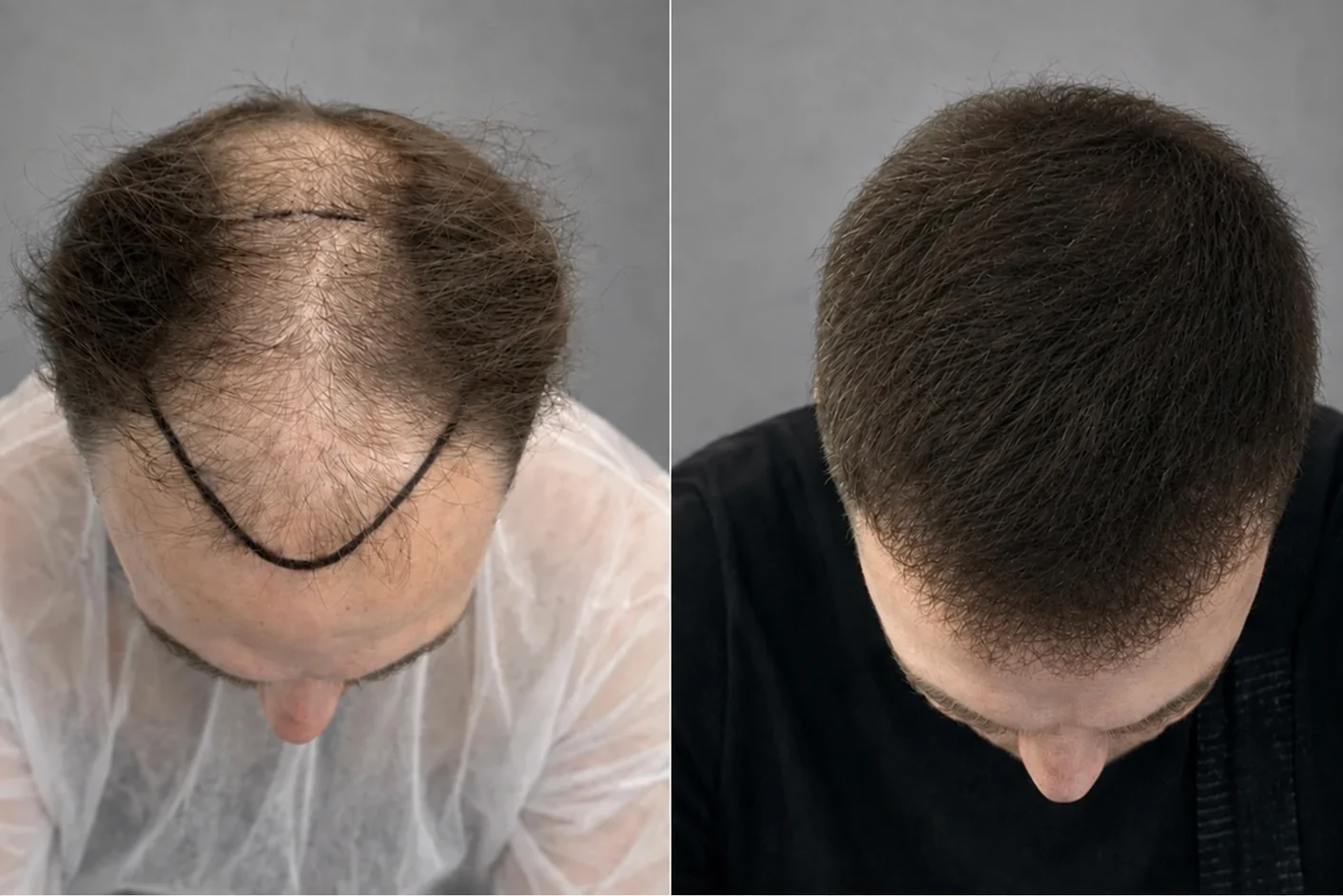
the start
12 months along
3,900 grafts
FUE method
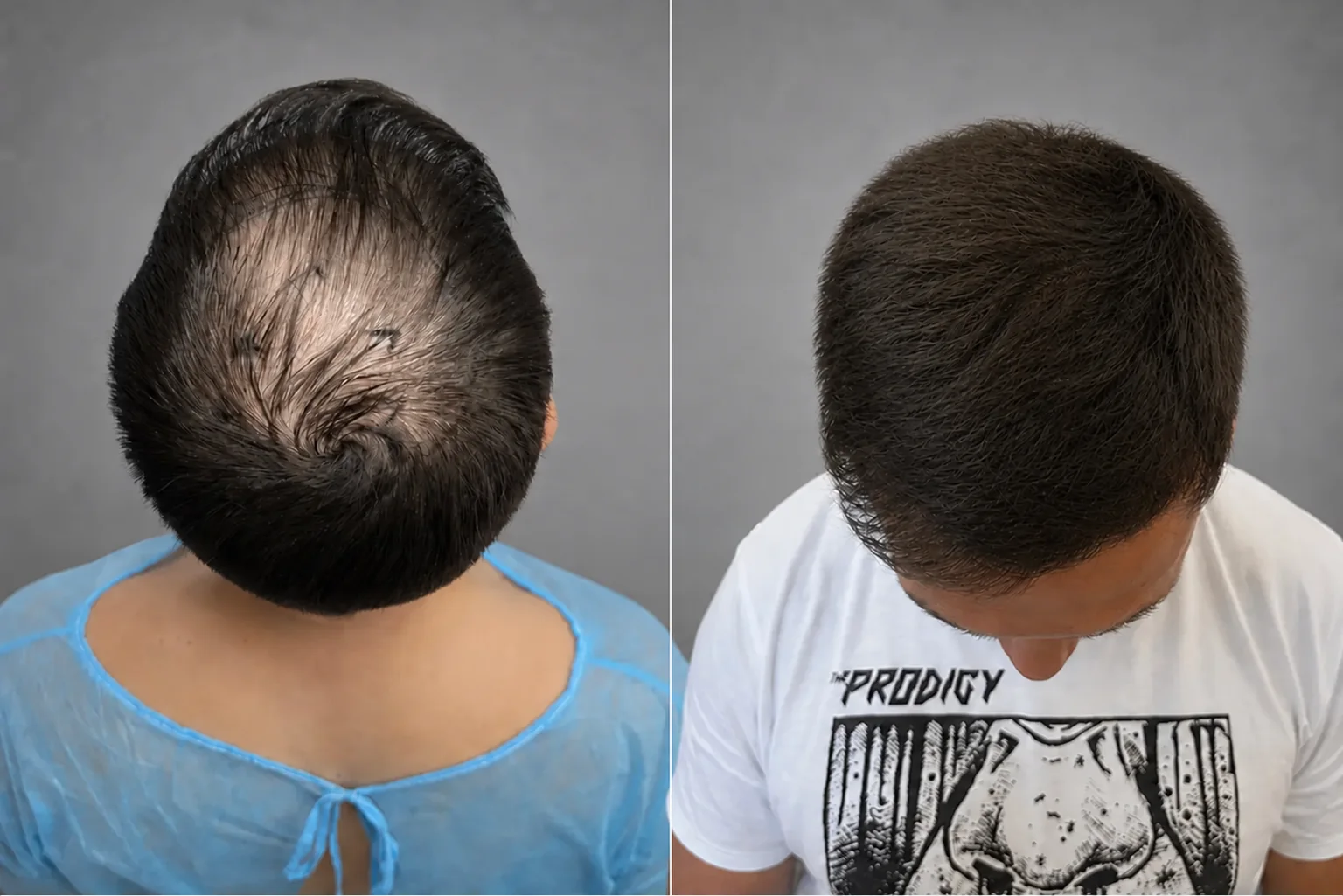
the start
12 months along
3,500 grafts
FUE method
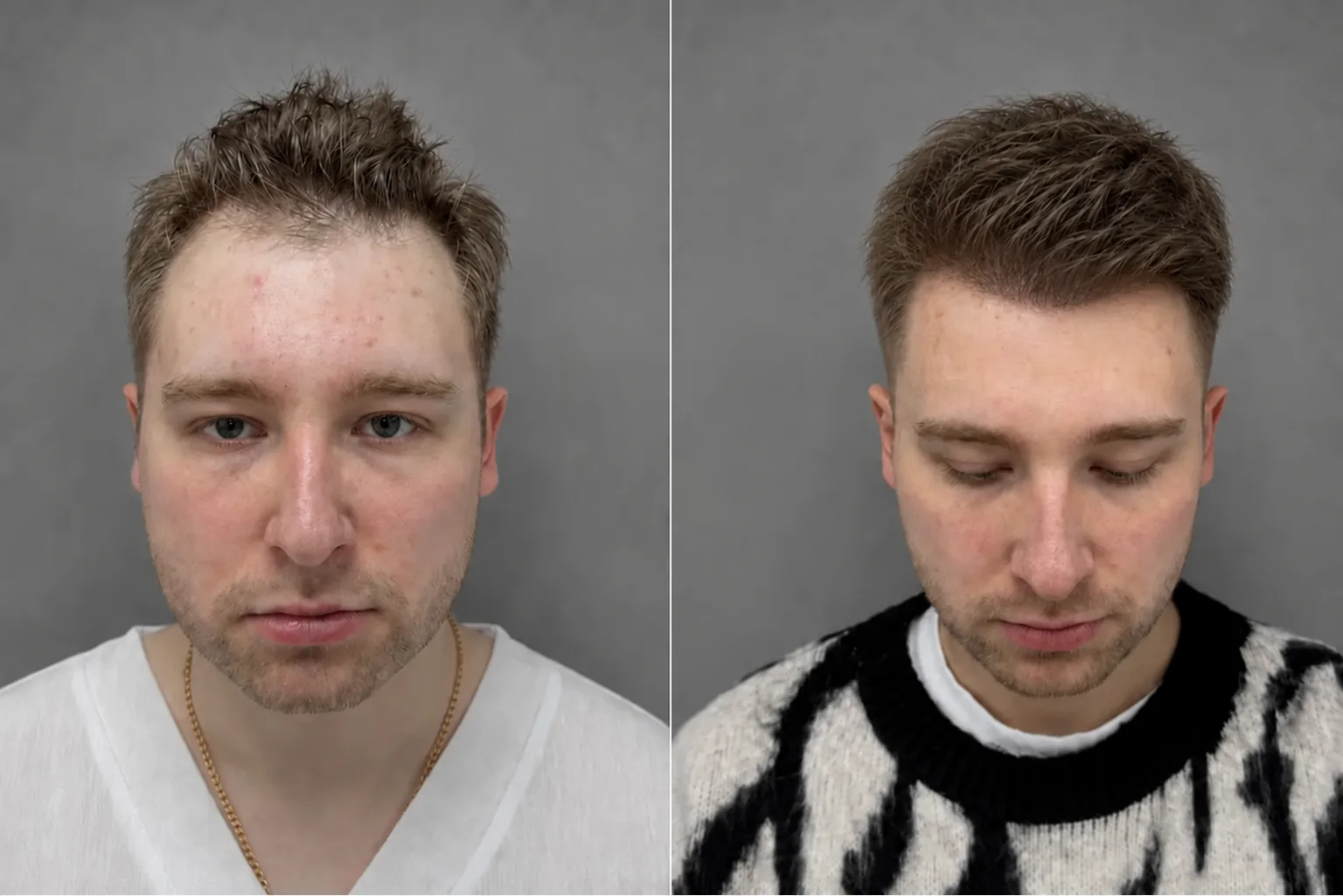
the start
12 months along
2,700 grafts
FUE method
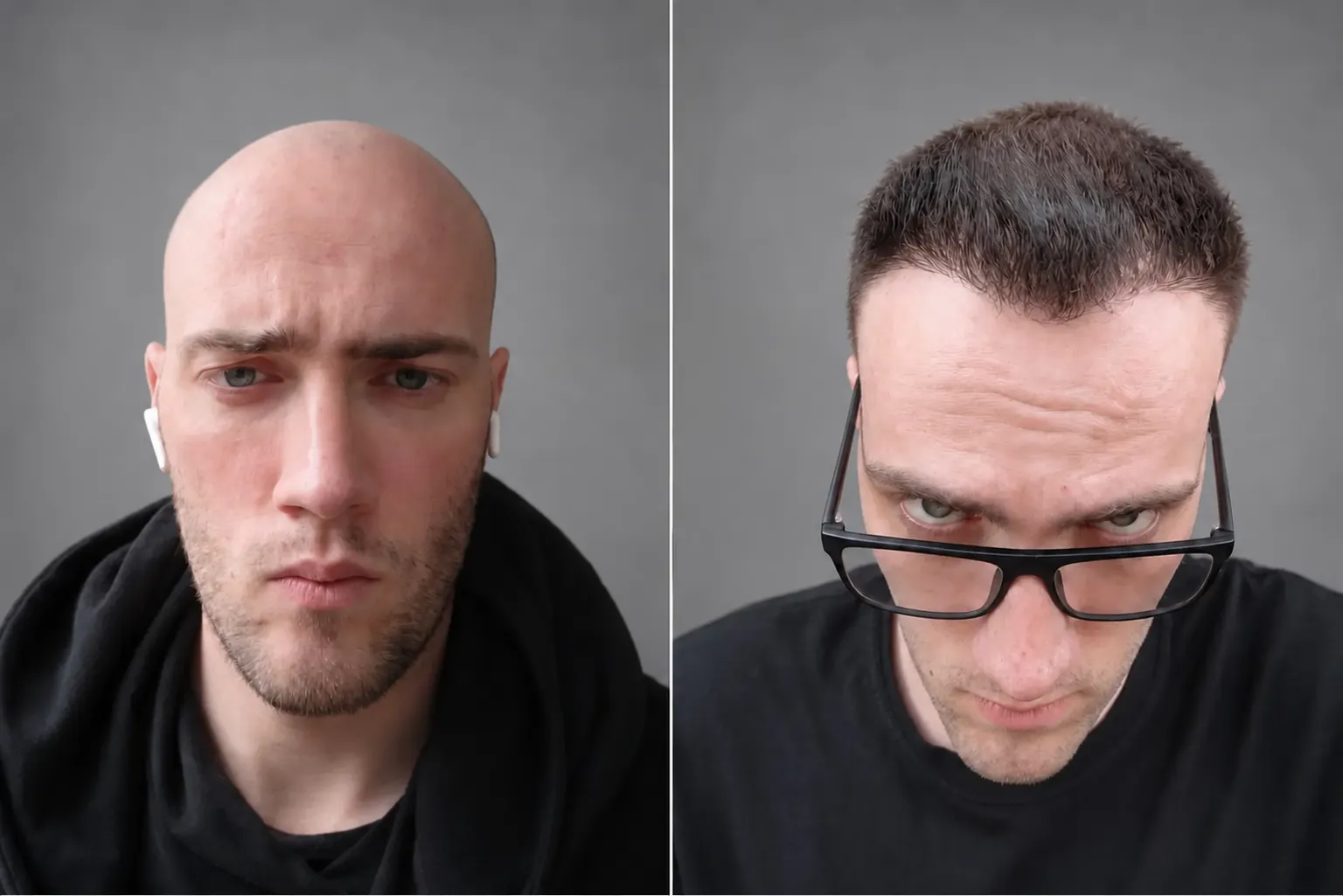
the start
12 months along
3,800 grafts
FUE method
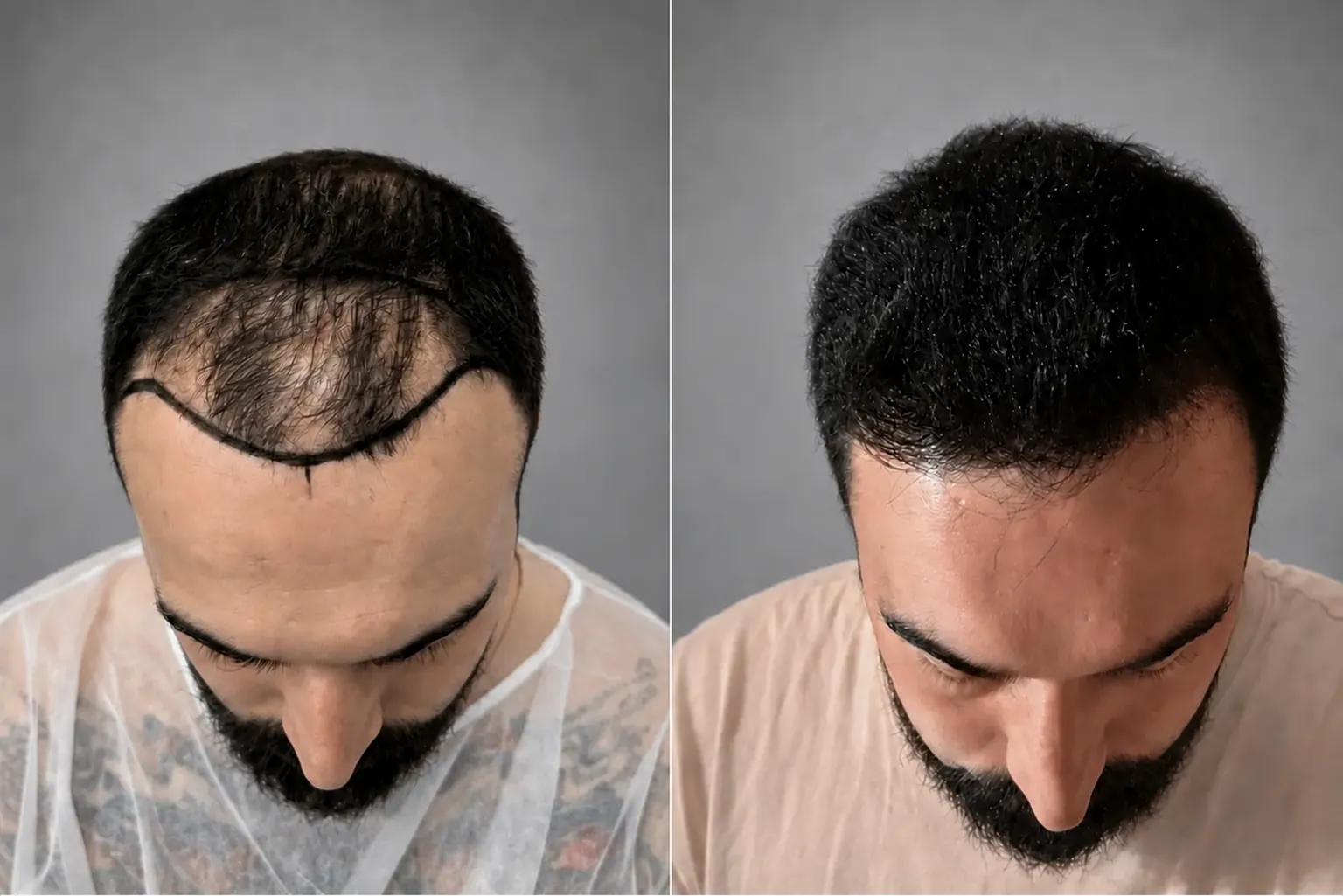
the start
12 months along
3,200 grafts
FUE method
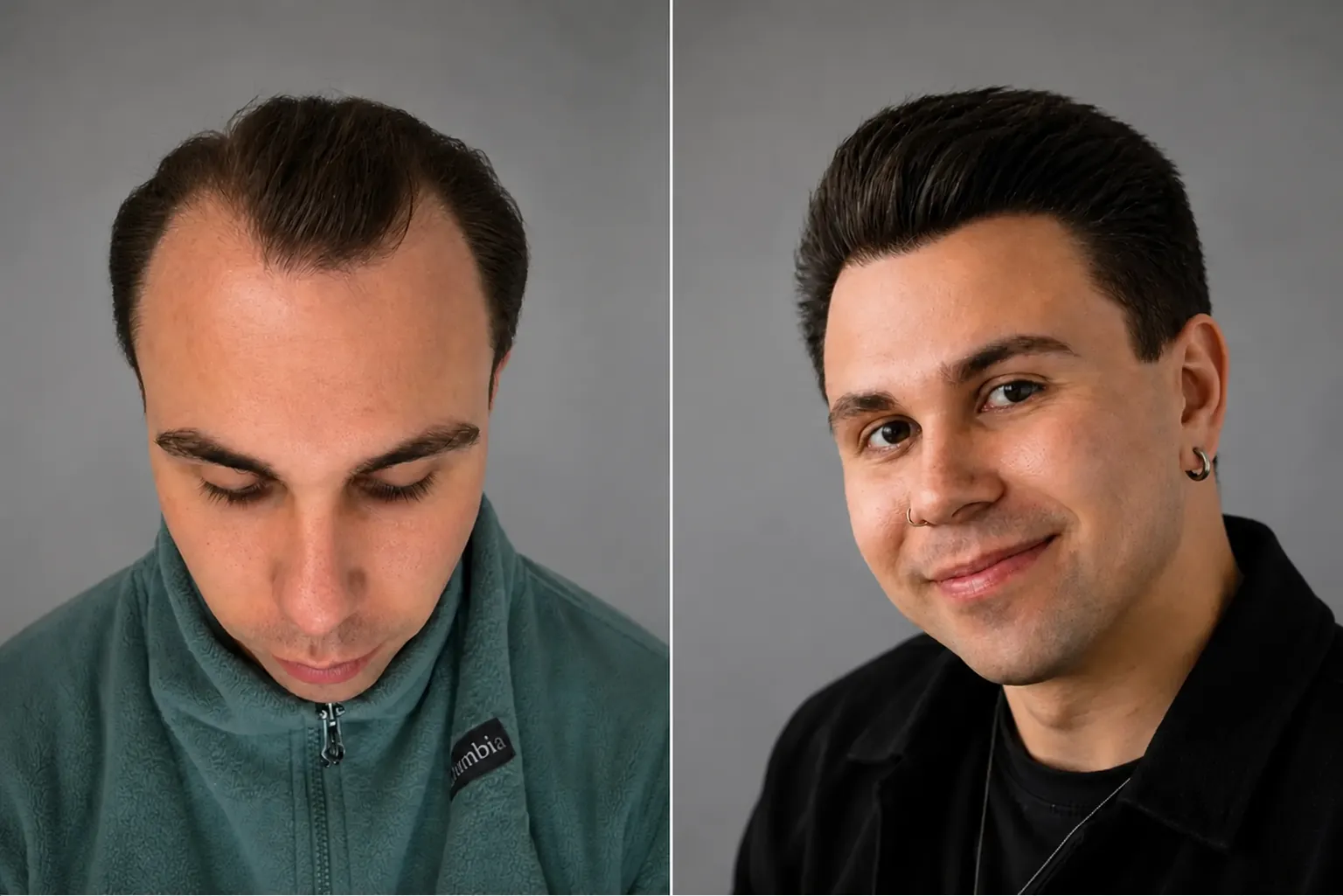
the start
12 months along
3,000 grafts
FUE method
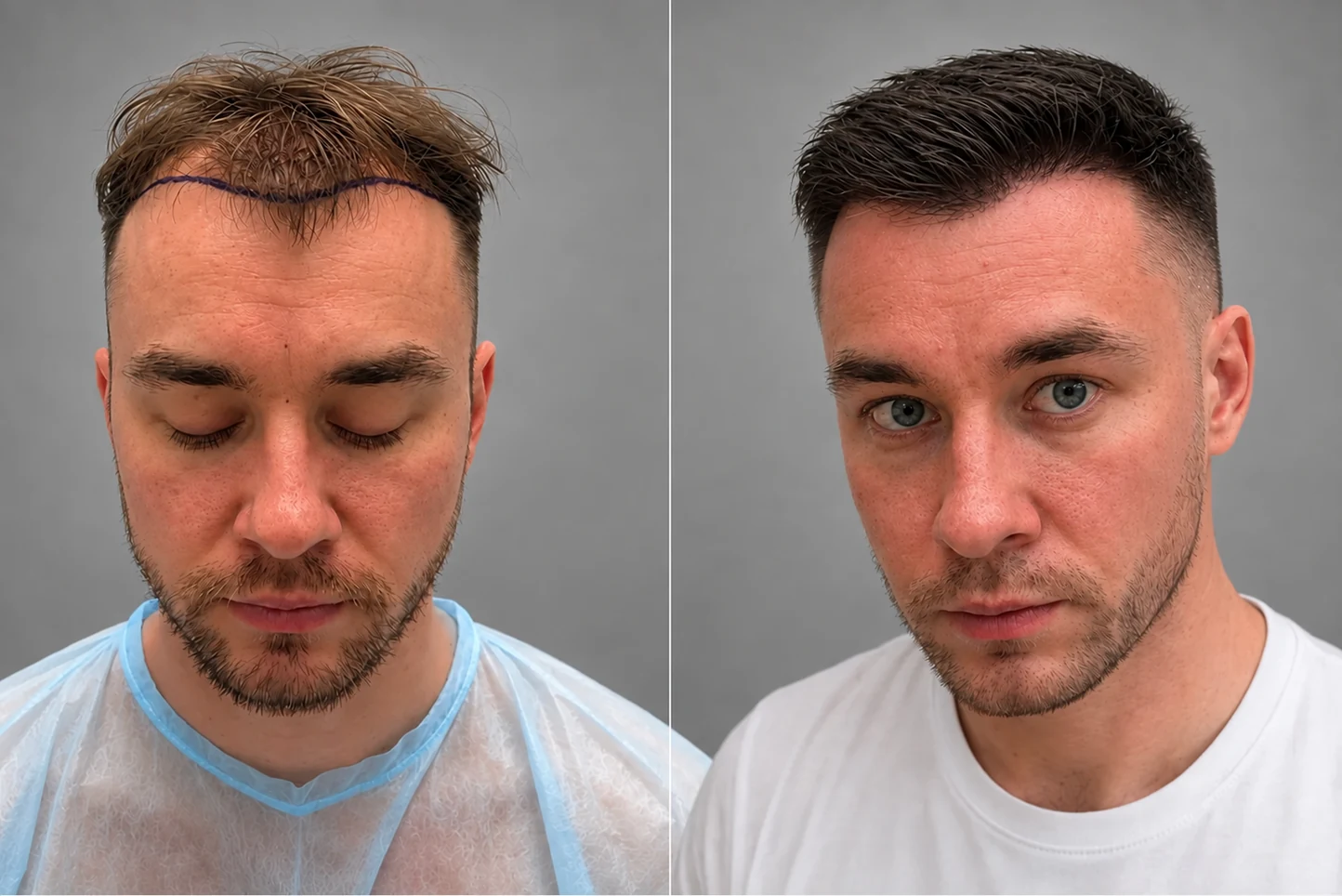
the start
12 months along
2,800 grafts
FUE method
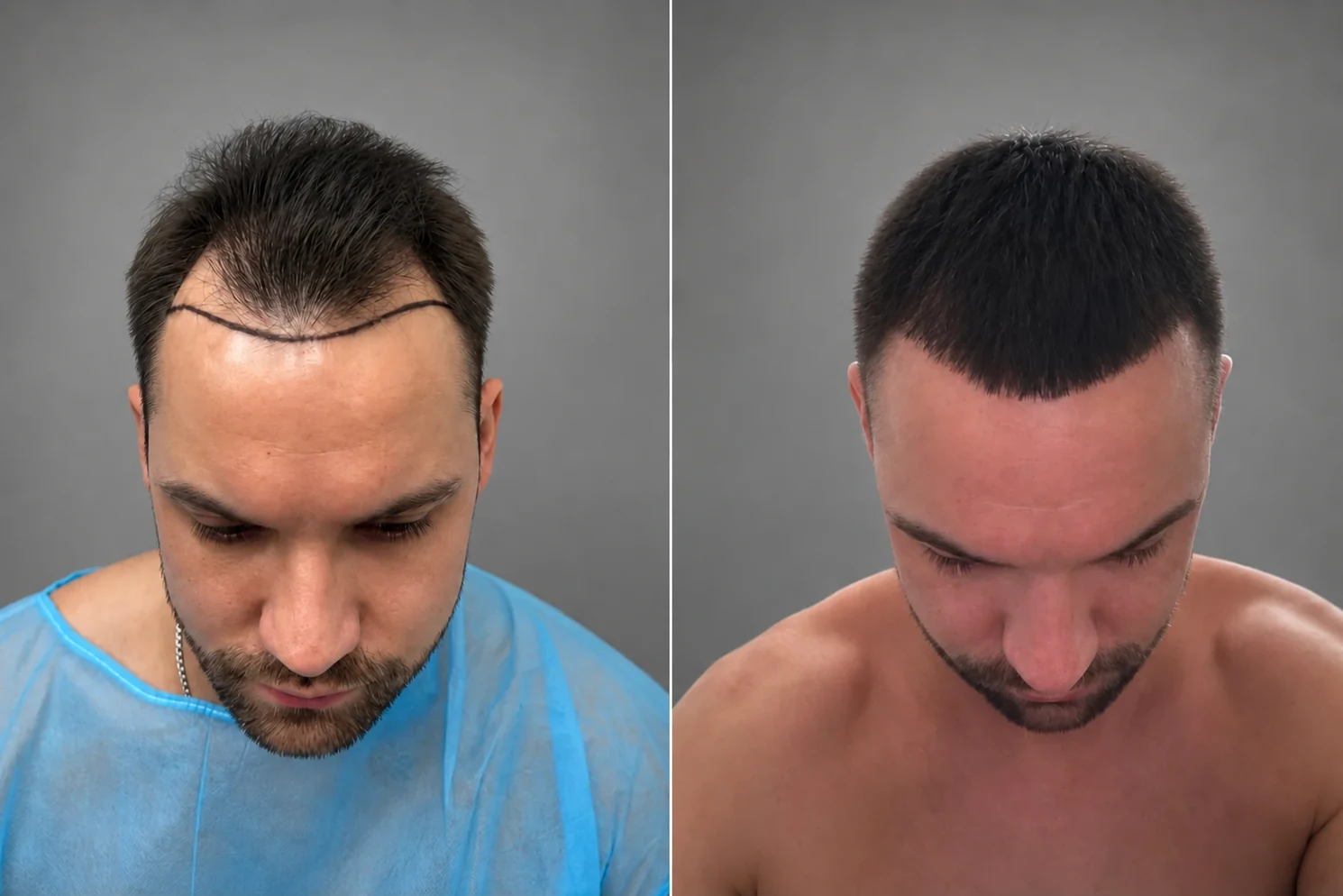
the start
12 months along
3,100 grafts
FUE method
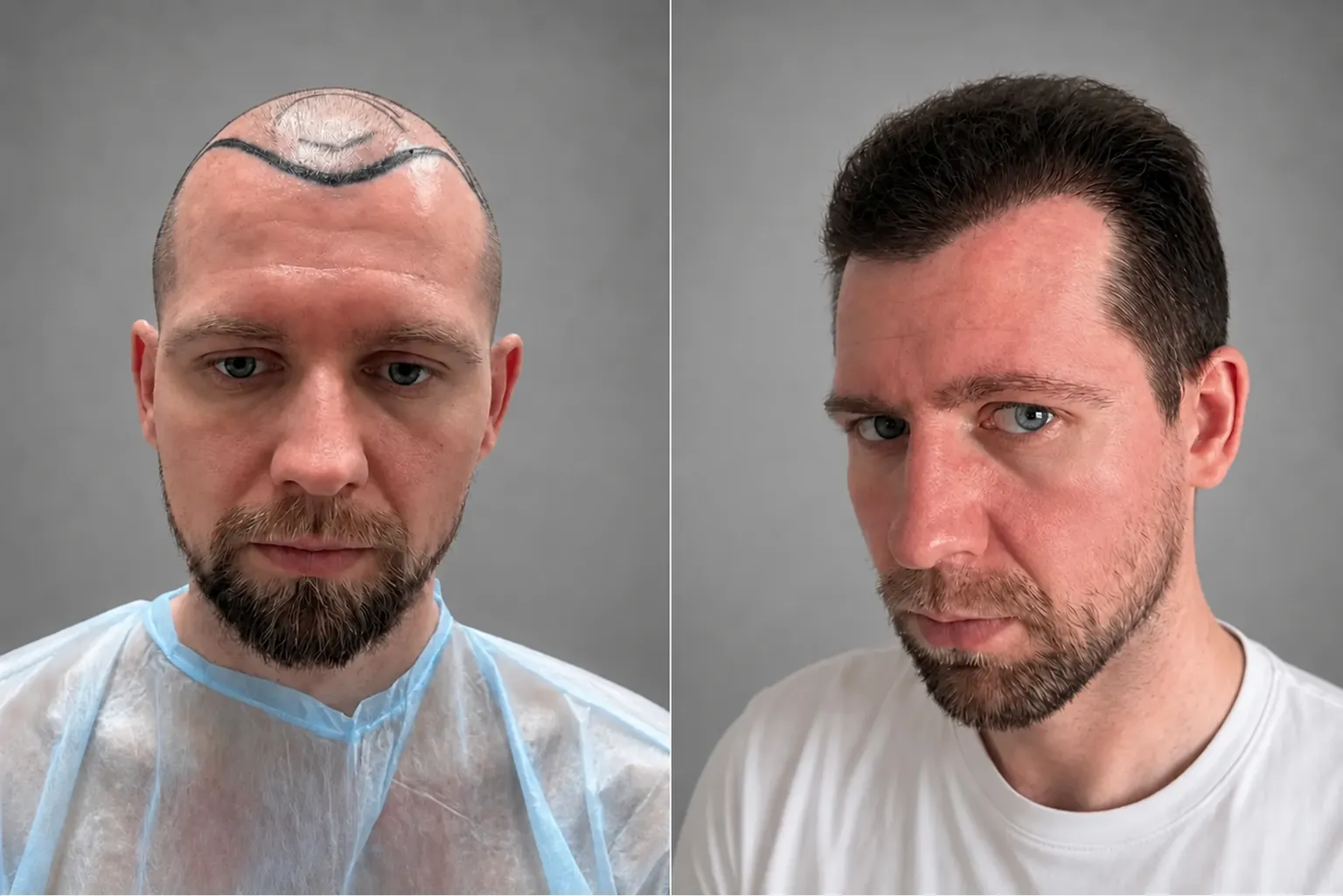
the start
12 months along
3,600 grafts
FUE method
Comparison
Grafts can be transferred by three technologies: classic FUE, suture-free DHI and a combined protocol. Compare implantation technique, tissue trauma and graft survival, and decide with your eyes open.
Classic method requiring no cuts or sutures
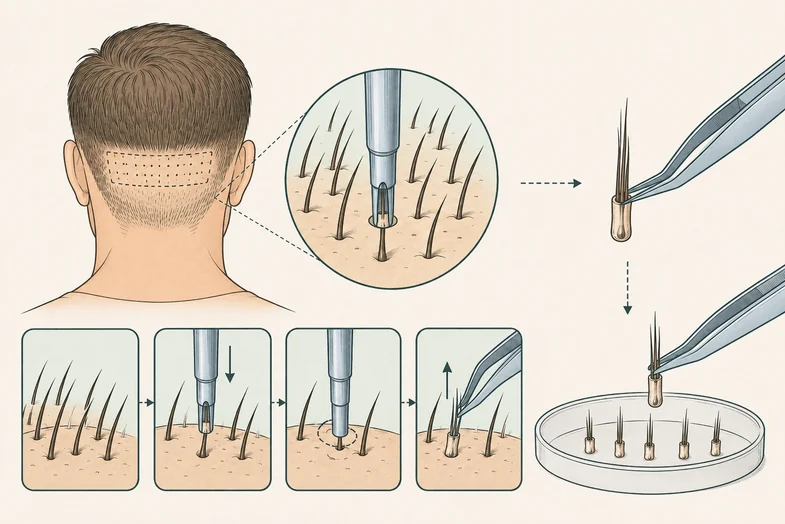
$2,200
$2,700
Graft implantation technique
ForcepsGraft trauma
MinimalNatural hair growth angle
NaturalGraft survival
98–100%Suitable for
Androgenetic alopeciaSuture-free placement with a Choi pen
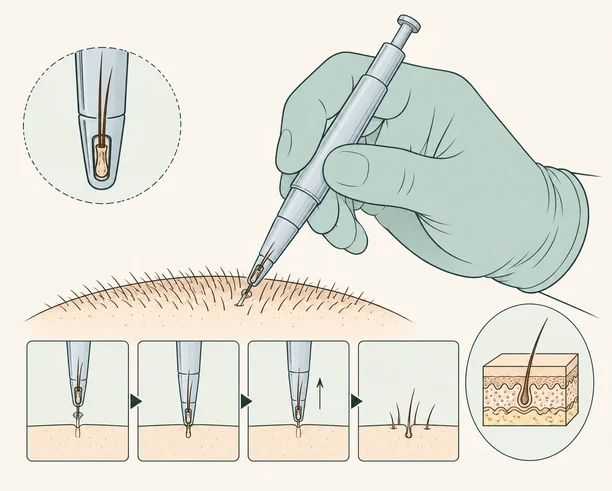
$2,500
$2,900
Graft implantation technique
DHI pen (Choi implanter)Graft trauma
MinimalNatural hair growth angle
NaturalGraft survival
98–100%Suitable for
DensificationFUE for extraction, DHI implant
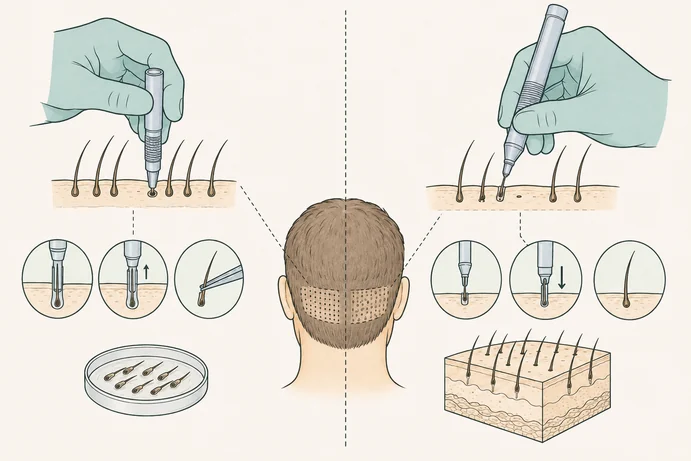
$2,700
$2,900
Graft implantation technique
FUE extraction with DHI implantGraft trauma
MinimalNatural hair growth angle
NaturalGraft survival
98–100%Suitable for
Densification for androgenetic alopeciaSurvival and trauma data are averaged by method and offered as a guide: the exact numbers depend on the transplant area and on the patient's individual features, which the doctor clarifies at the consultation.
Reserve an appointment
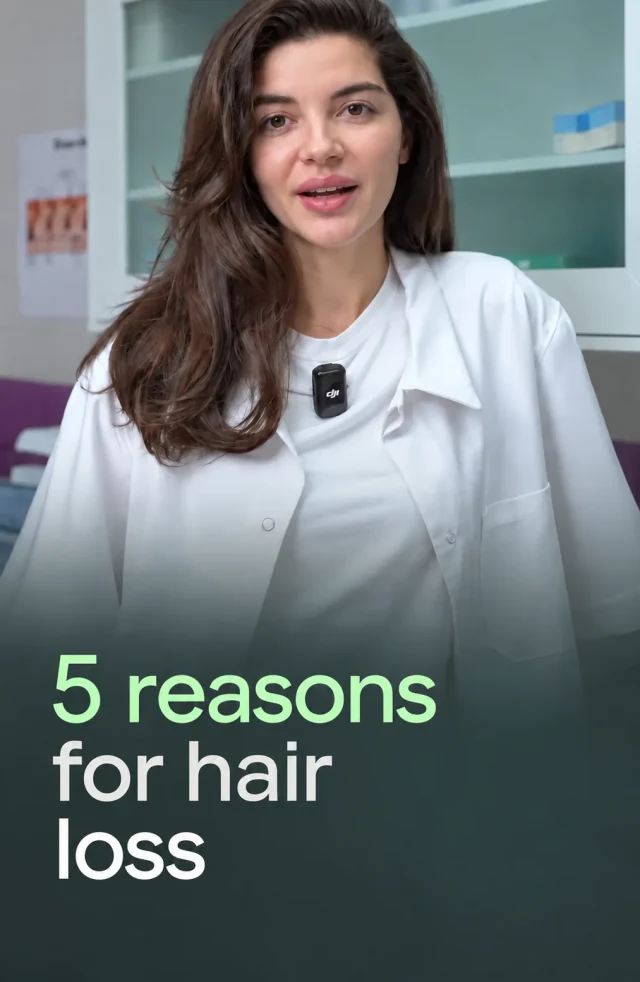
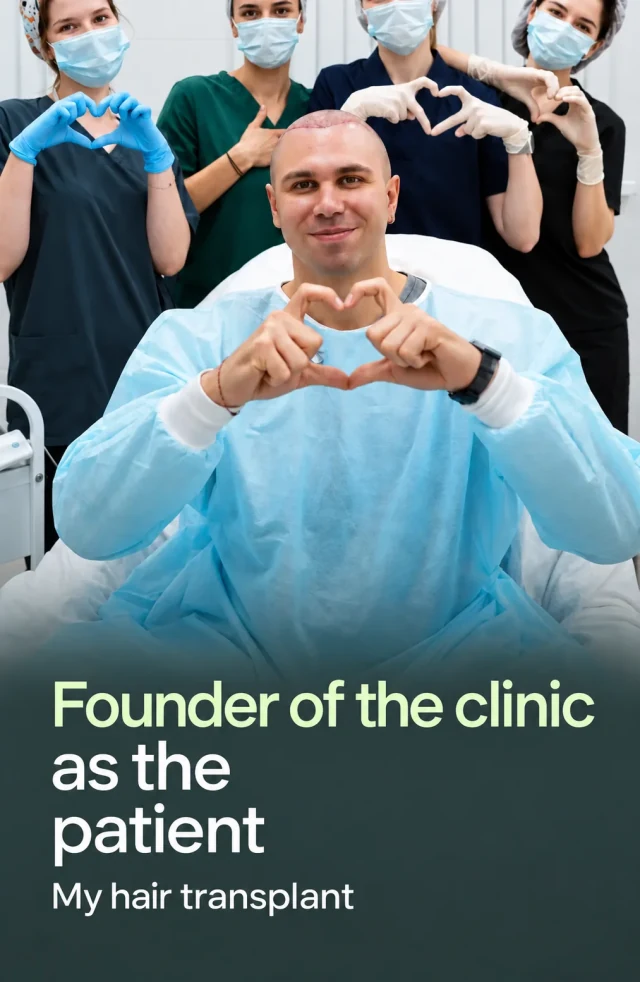
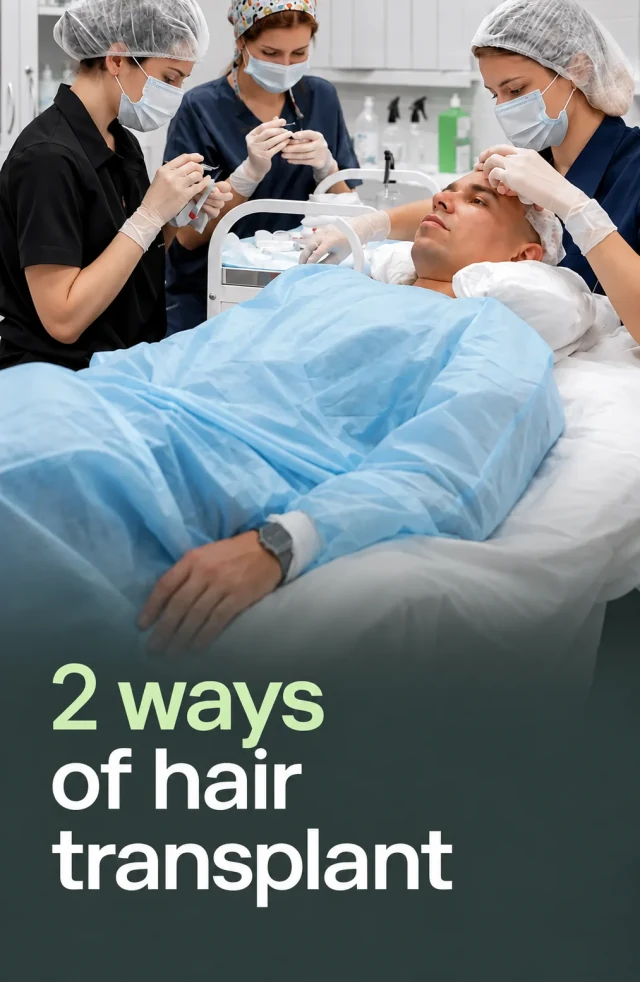


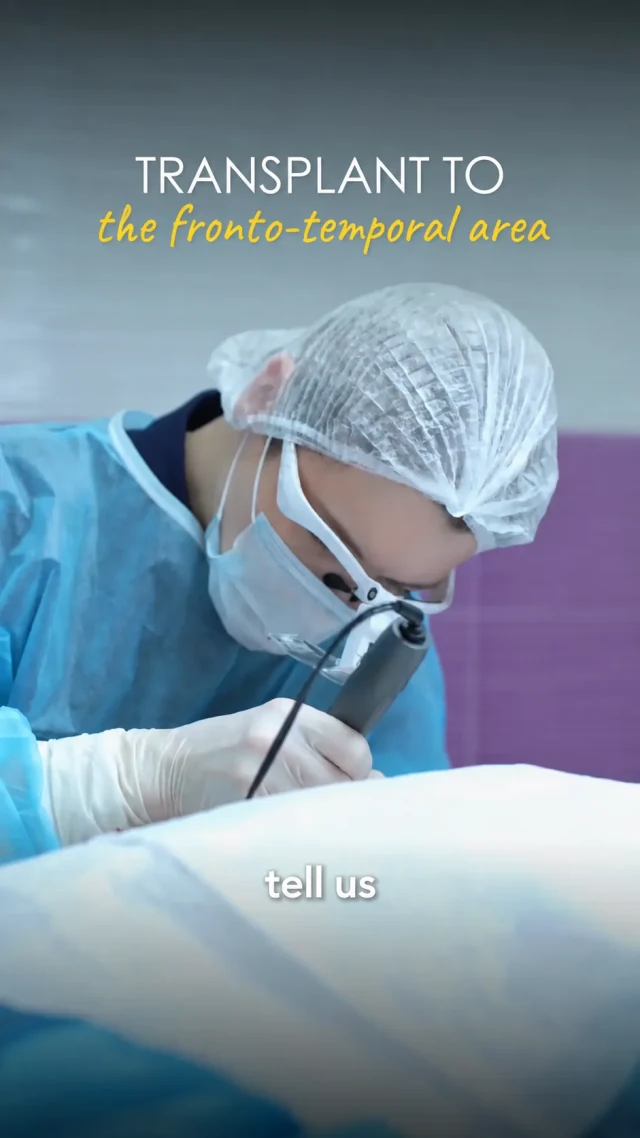

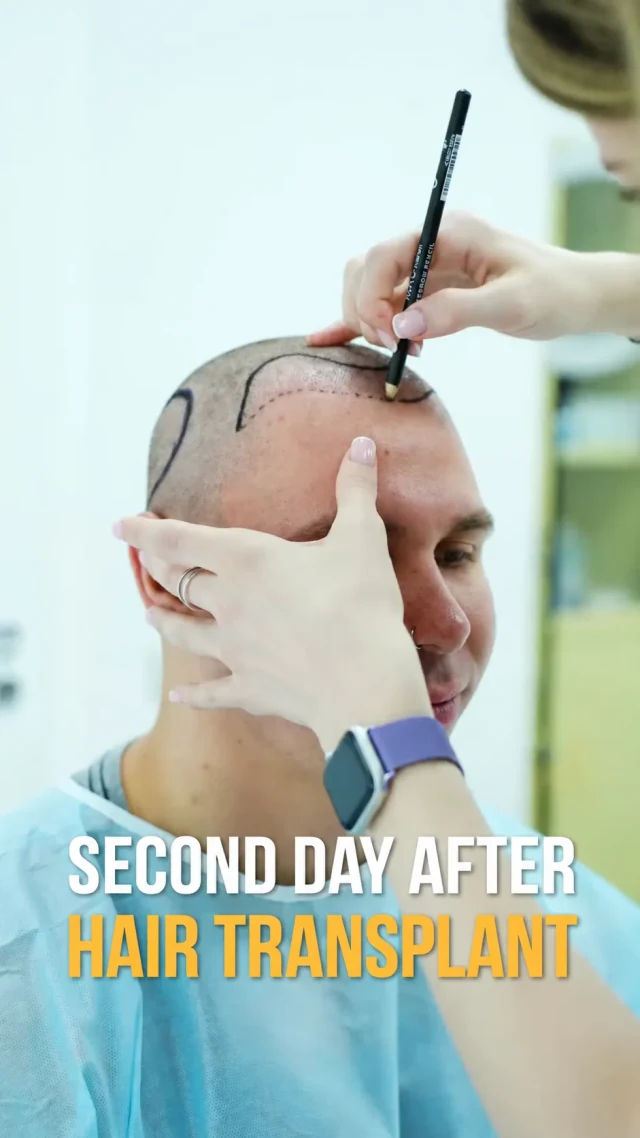
about the clinic
A comfortable room, reliable equipment and unhurried care
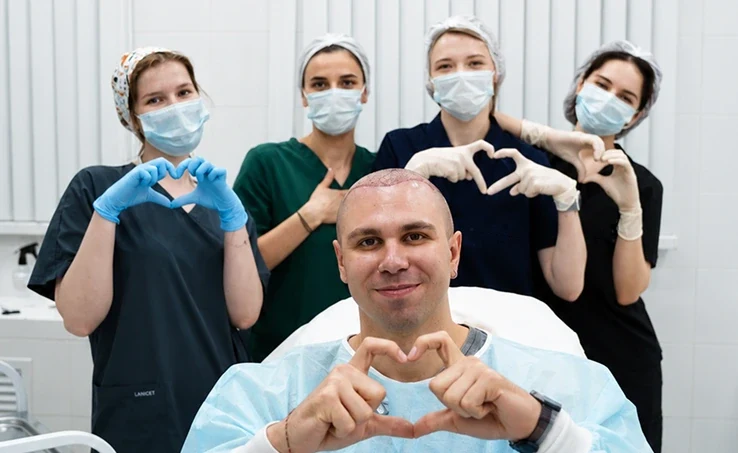
We give you the answers and slot your appointment in at a convenient time
Message us on Telegram Message us on WhatsApp Contact us nowIf your problem can be solved without surgery, the doctor will say so right at the consultation — and you will not waste your money. Below are the conditions where a transplant works.
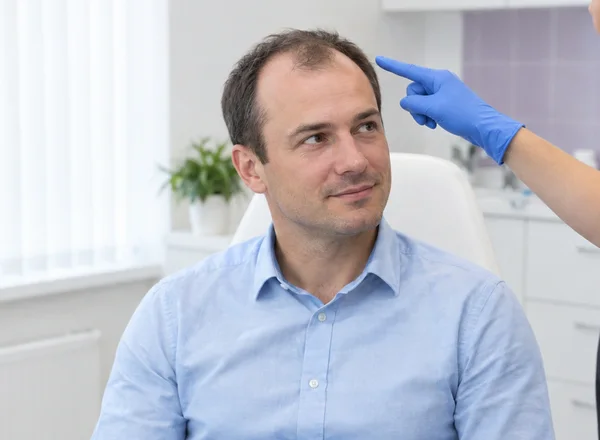

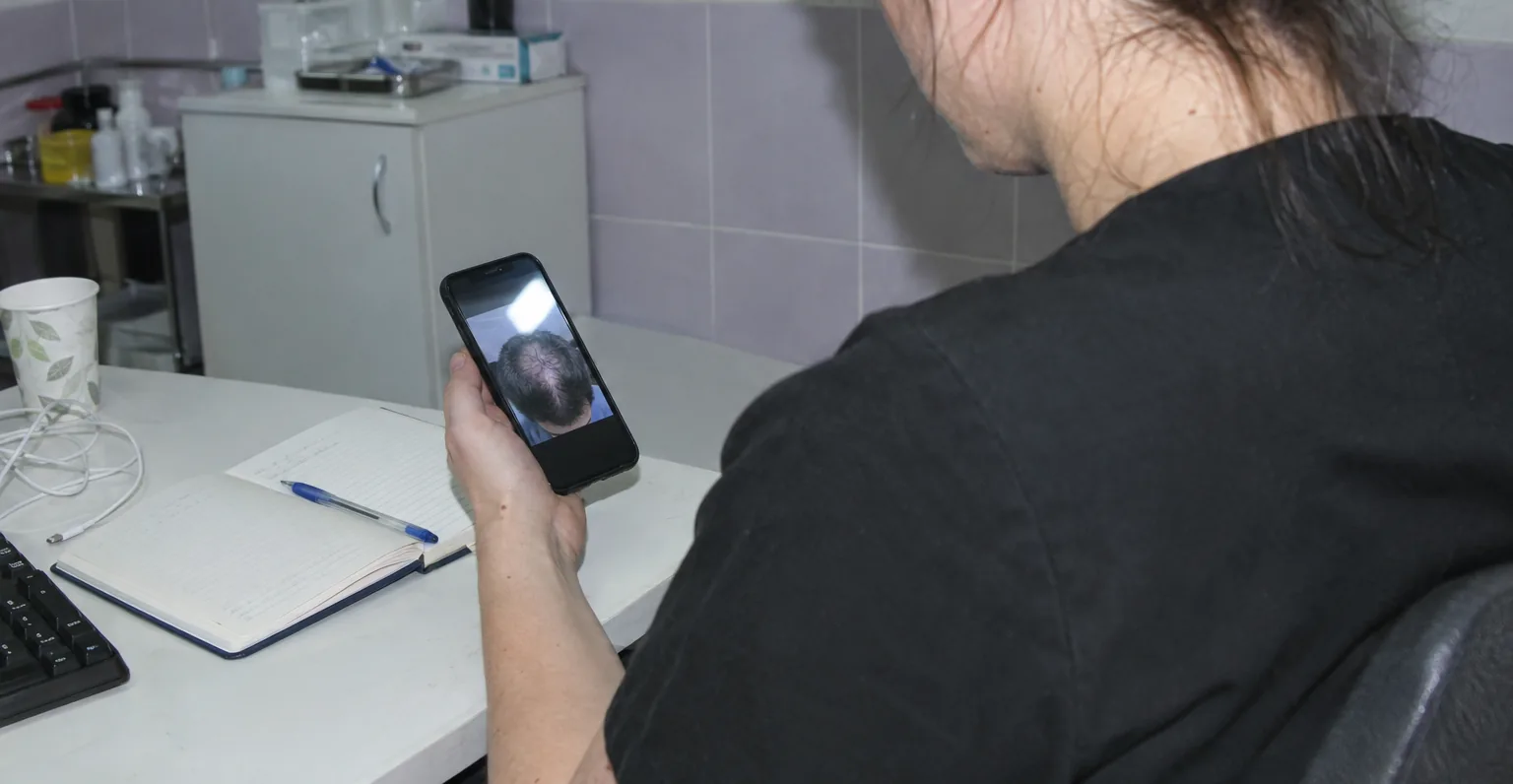
Your number opens the process. A coordinator asks for photos of the thinning area in a messenger, a doctor reviews them and says whether a transplant would help. Free, no obligation to book.
services
You learn the price at the free consultation, once the grafts have been counted, and the contract holds it.
suture-free graft extraction
$2,200$2,700
A look and a figure — $0.
Hold your priceimplantation without channels
$2,500$2,900
A look and a figure — $0.
Hold your pricecombined technique
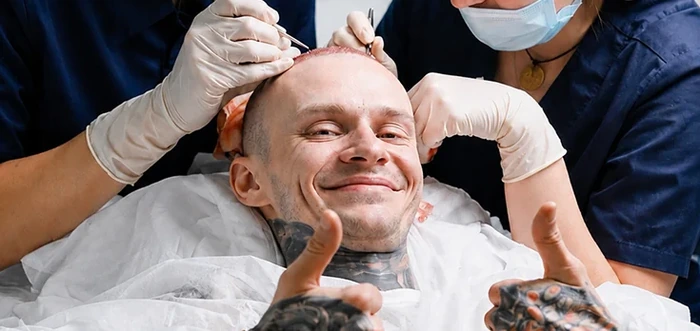
$2,700$2,900
A look and a figure — $0.
Hold your price| First hair check-up | Free |
|---|---|
| Eyebrow transplant, FUE | |
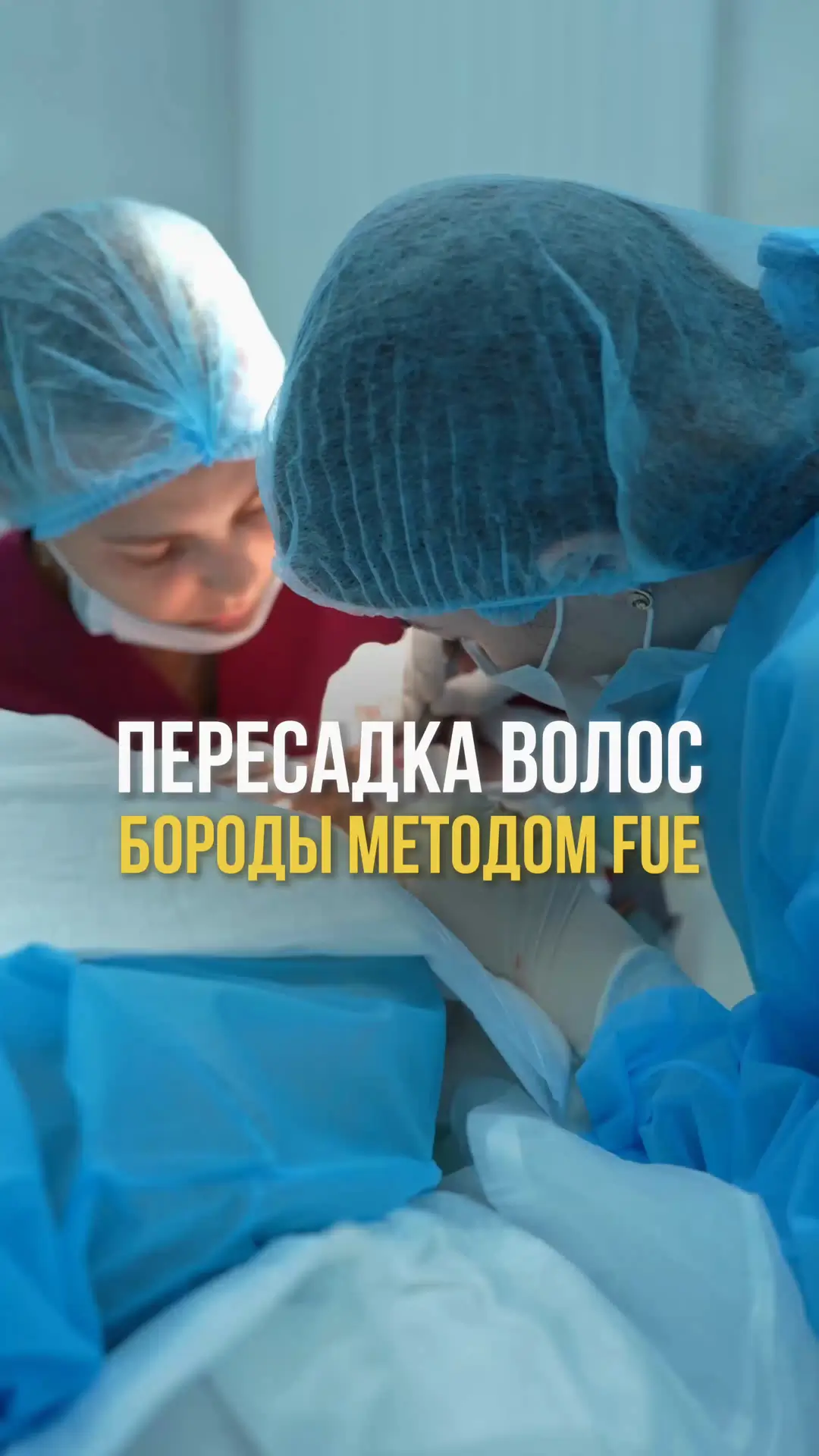
| Beard transplant, FUE | |
| Hair trichopigmentation | |
| PRP therapy / session | $200 |
all included
From the first preparations to 12 months of follow-up.
No unplanned charges on the day of surgery.
two more sites
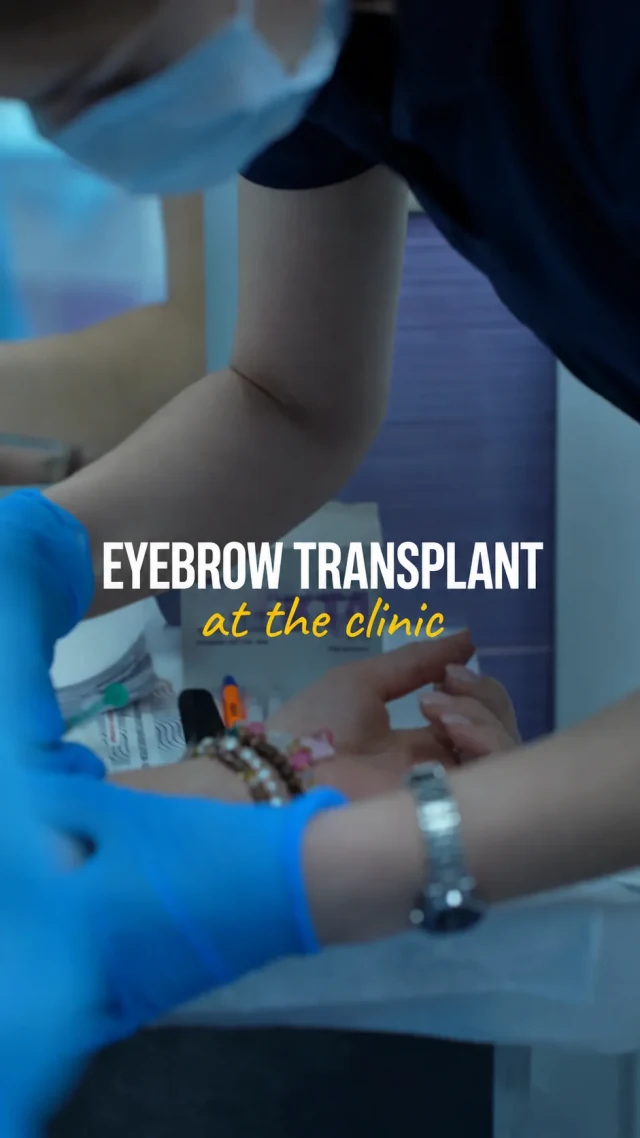
A hair transplant is not confined to the scalp. Same grafts from the back of the head, same FUE method — only the area changes.
FUE method, no incisions or stitches
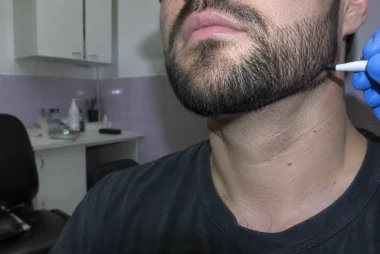
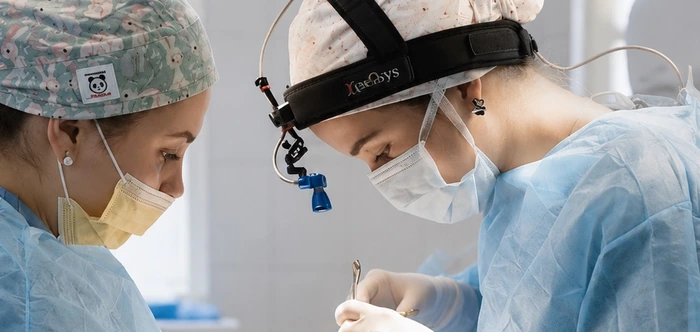
Grafts are collected from the donor area at the back of the head and moved through micro-punctures of about 1 mm, which leaves no scars. The doctor discusses the shape with you before the operation, taking your facial features into account. Transplanted hair grows for life and can be trimmed and styled as usual.
$2,800$3,000
A look and a figure — $0.
Hold your priceFUE method, no incisions or stitches
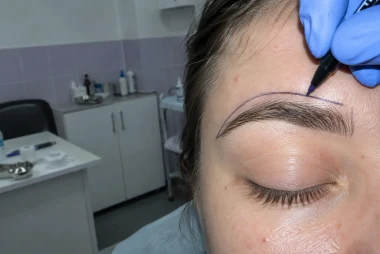
The surgeon draws the eyebrow shape at the initial consultation: you look through references together and the design takes your facial features into account. The hairs are implanted at the correct angle, so the eyebrows look natural. This also helps where years of plucking stopped growth.
$1,600$1,700
a walk-in, walk-out op under local anaesthesia
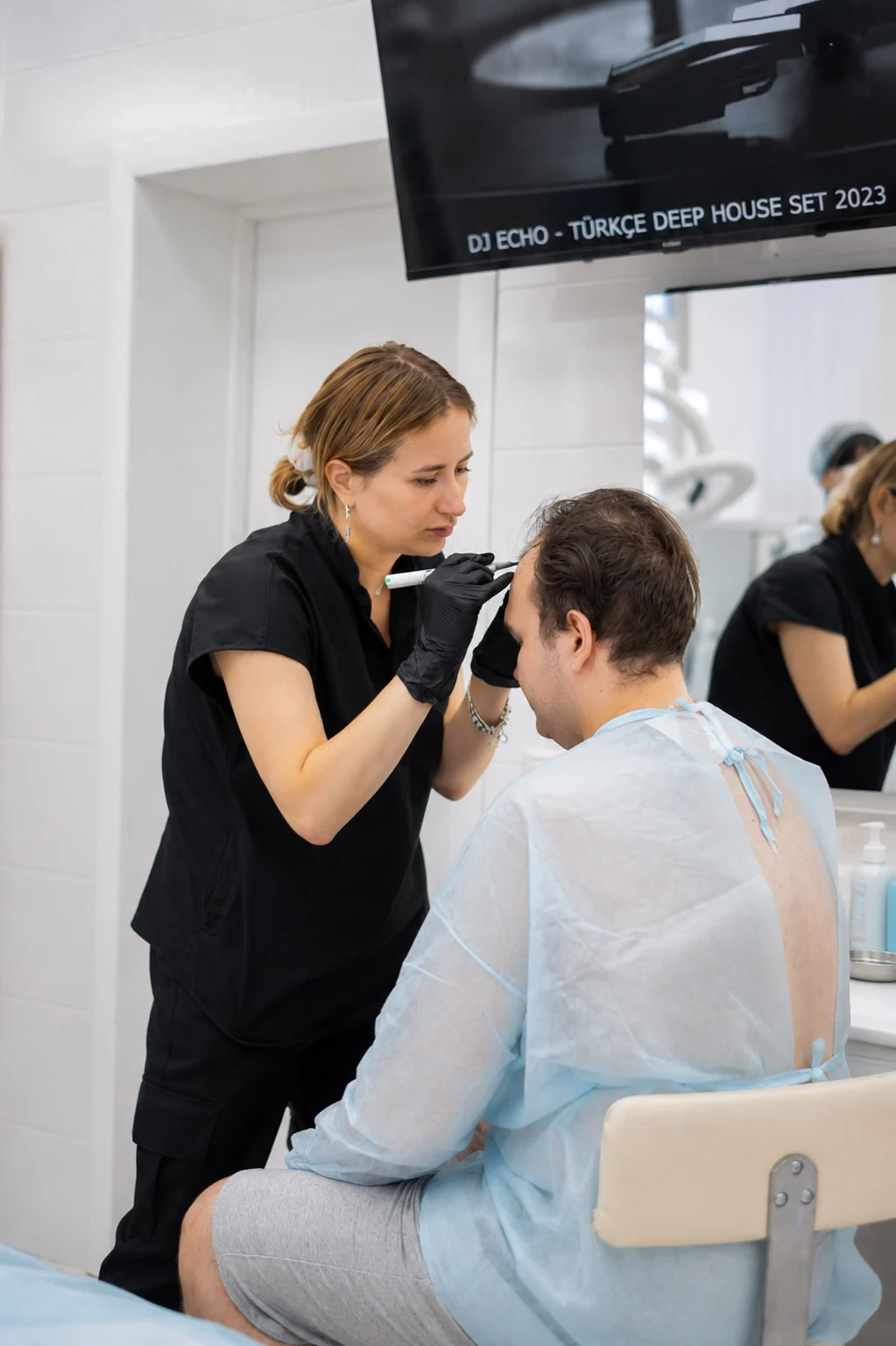
Hold your priceThe doctor studies the donor zone, settles on a graft number and shows what outcome it will give. Pricing follows straight after, and the contract keeps it unchanged.
Message our coordinator
Free online consultation · Reply within 15 minutes
Message us on TelegramMessage us on WhatsAppBy messaging us, you agree to our Privacy Policy
Process
From consultation to going home — all in one day
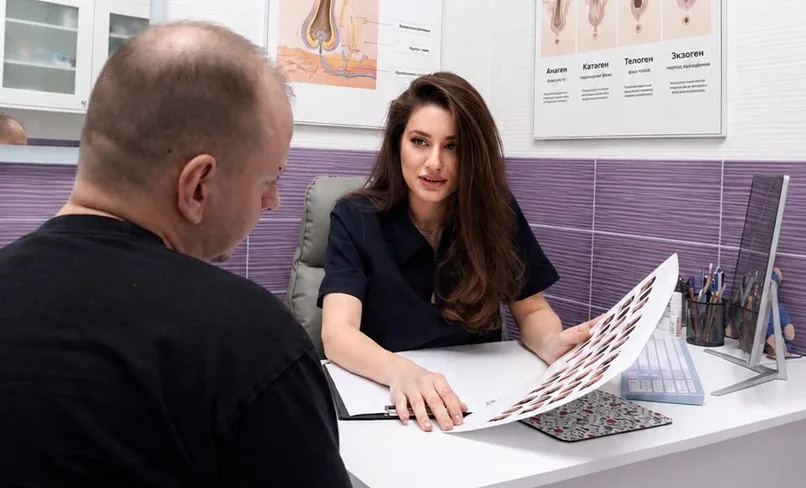
During this free consultation, patients in Sulaymaniyah get a clear explanation of the FUE and DHI methods, answers to their questions, and an individual surgery plan.

Reserving the surgery date means paying a deposit, either by card at the clinic or online, with the terms recorded in a medical services contract.
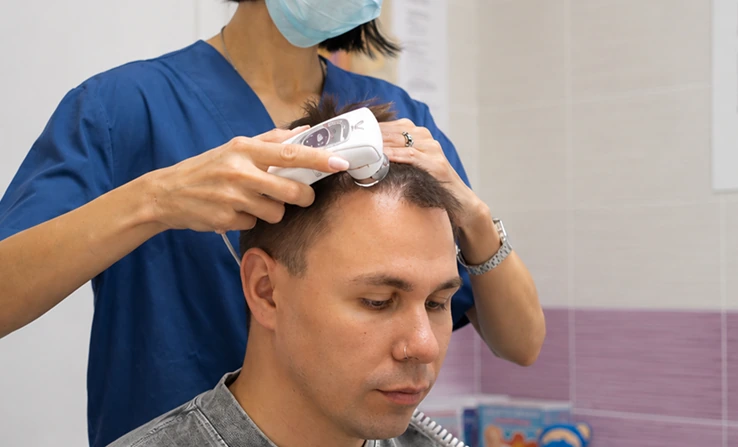
This step covers the tests needed before the procedure, with the clinic providing the full list and guidance for each one.
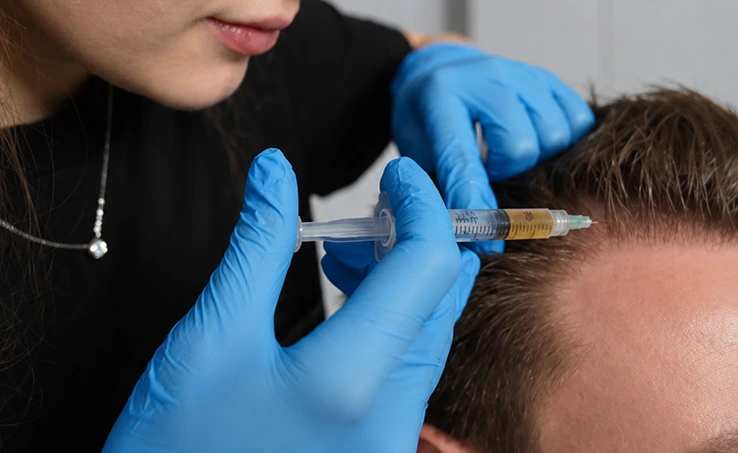
The surgery proceeds under local anaesthesia, ensuring a painless experience for the patient.
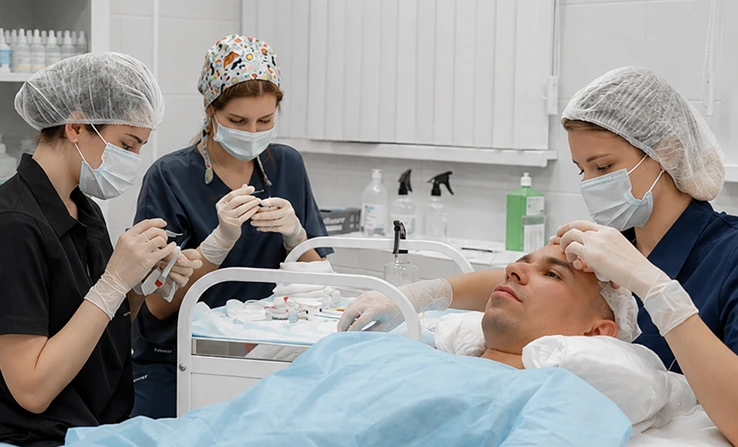
The donor zone at the back of the head or the temples supplies the grafts, taken without any stitching required.
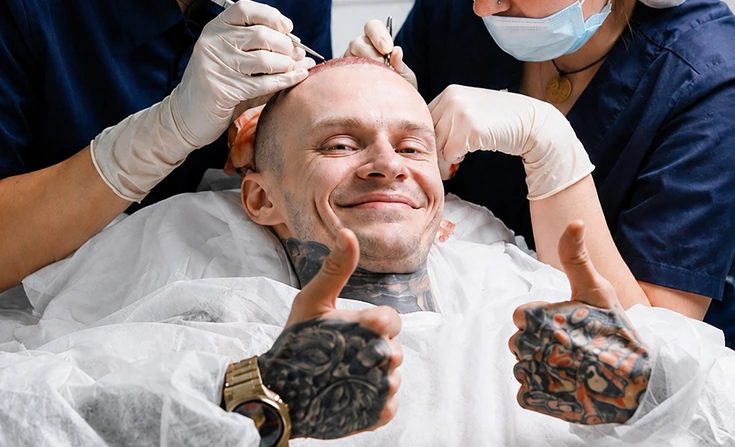
This is where the grafts are implanted into the affected, balding area.
Recovery wraps up the process, with the clinic offering all essentials and thorough instructions.
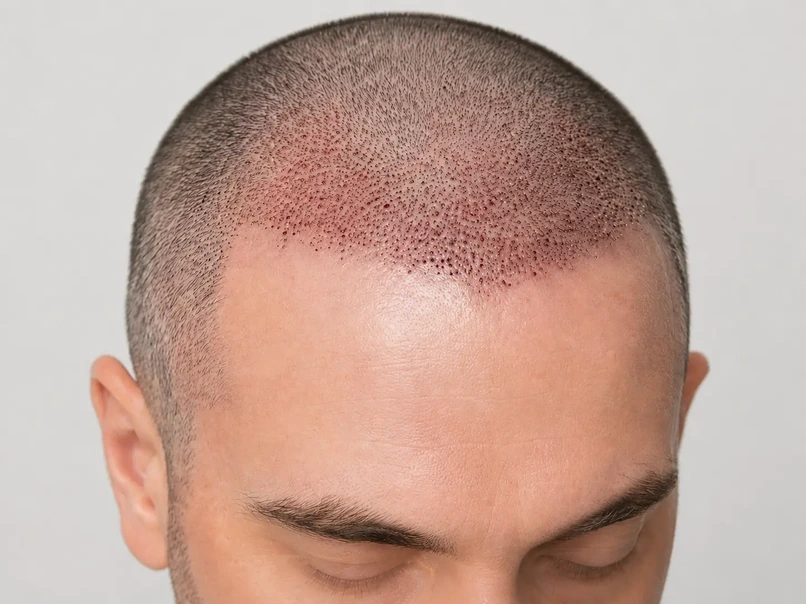
The crusting clears, the swelling flattens, the skin comes right again
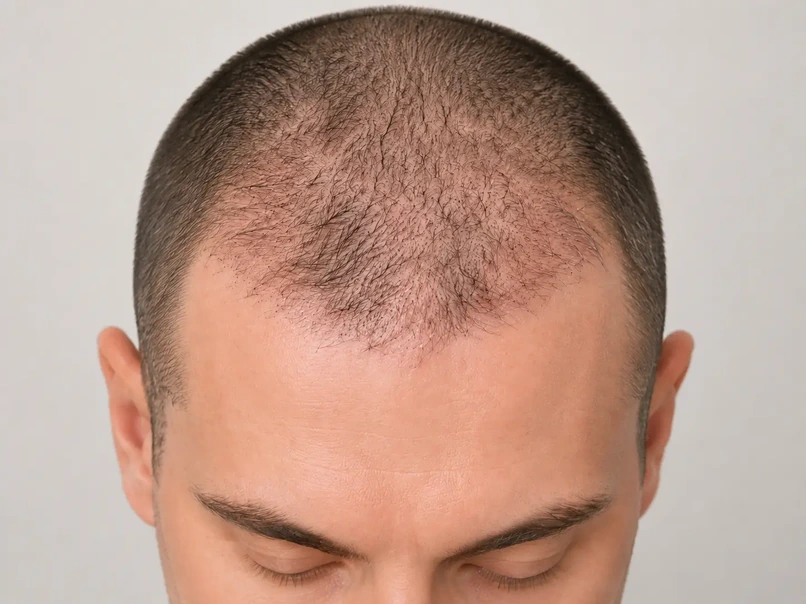
A normal stage. The hairs fall out, but the follicles stay in place
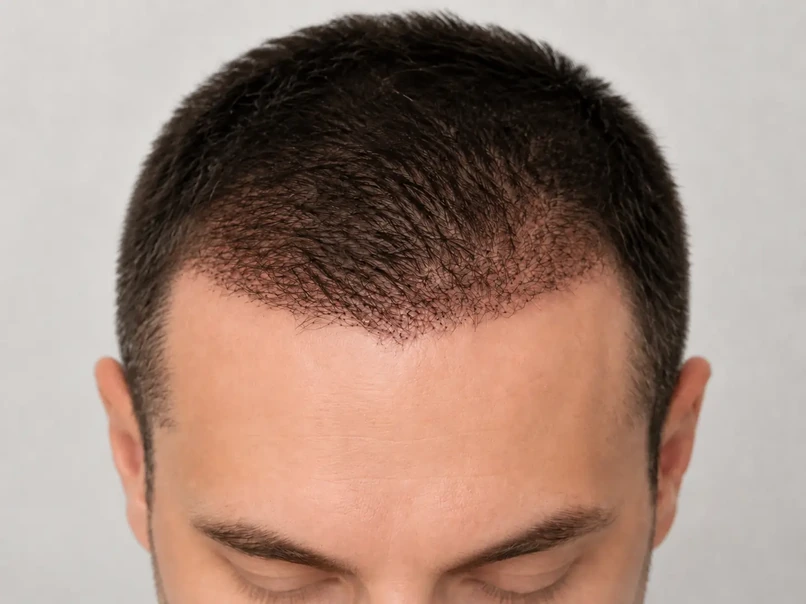
New hairs come gradually, the result starts showing
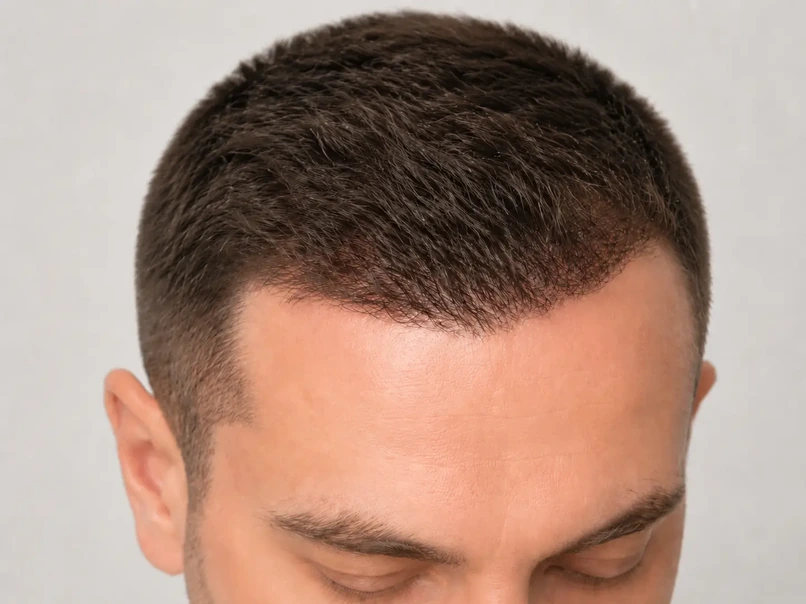
The hair is thicker now, the main volume and contour are visible
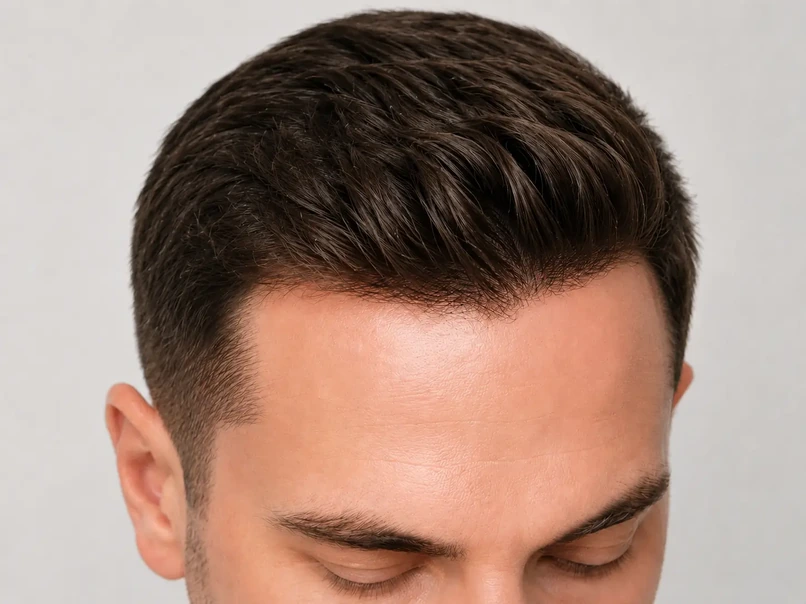
Growth fills in and the front line looks natural
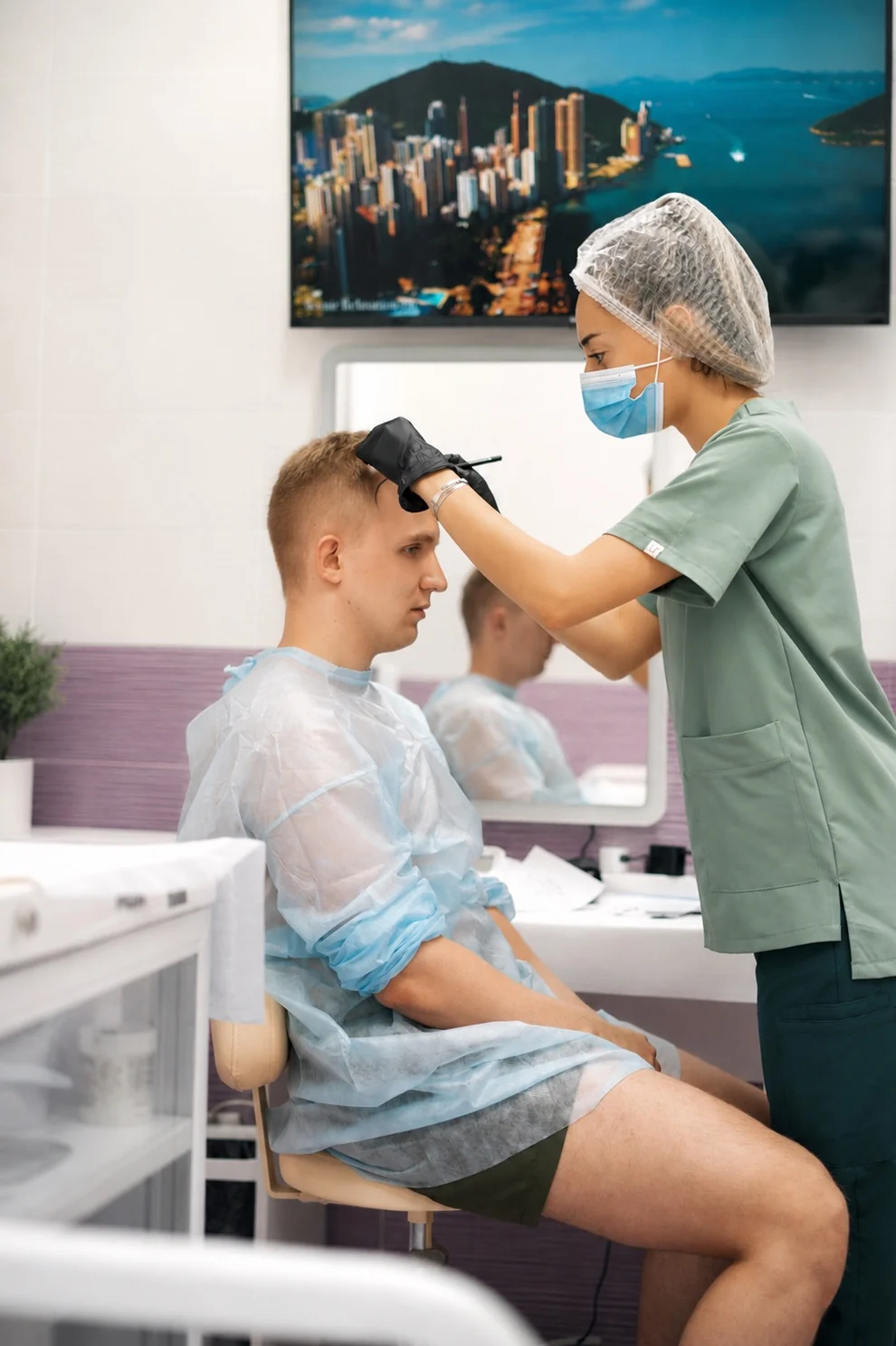
Free, before surgery and leaving you free to decide.
Reserve an appointmentdoctors
Hair transplant doctor, trichologist, surgeon
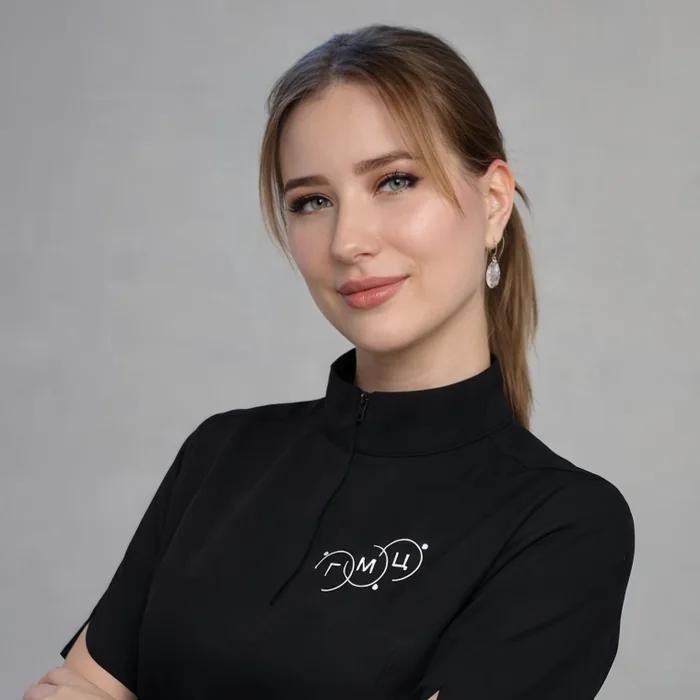
Dermatovenereologist, trichologist, surgeon
11 years of experience
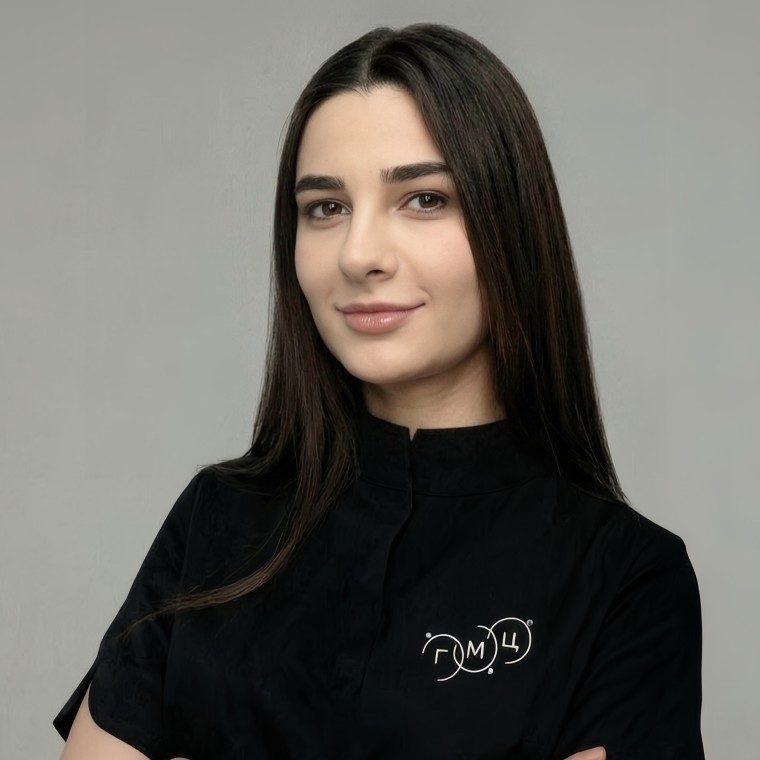
Plastic surgeon
9 years in practice
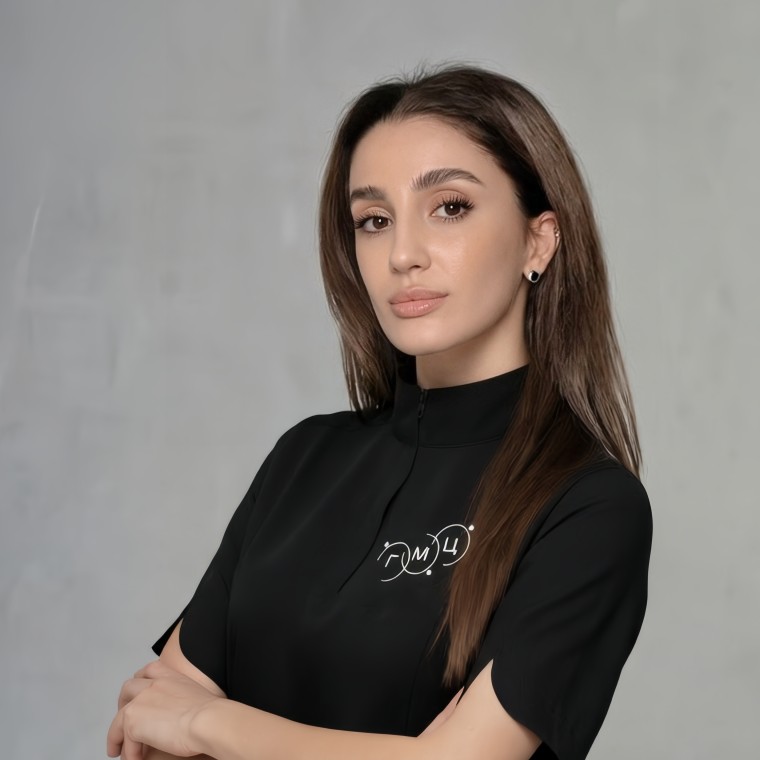
Plastic surgeon
9 years in practice
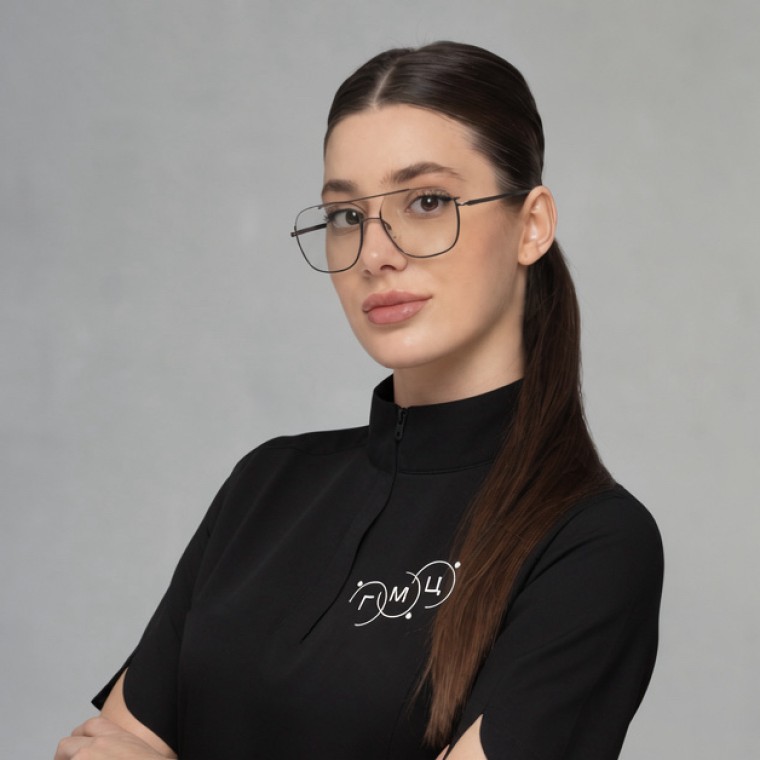
Assistant
9 years in practice
The doctor judges the donor zone, puts a figure on the grafts and sets out the outcome you can expect.
Reserve an appointmentcoordinators
Your own coordinator handles everything from the first enquiry to full recovery.
Recovery care manager
Will assist you before and after the surgery
Covers the paperwork and the scheduling
Recovery care manager
Will assist you before and after the surgery
Covers the paperwork and the scheduling

Recovery care manager
Will assist you before and after the surgery
Covers the paperwork and the scheduling
Recovery care manager
Will assist you before and after the surgery
Covers the paperwork and the scheduling

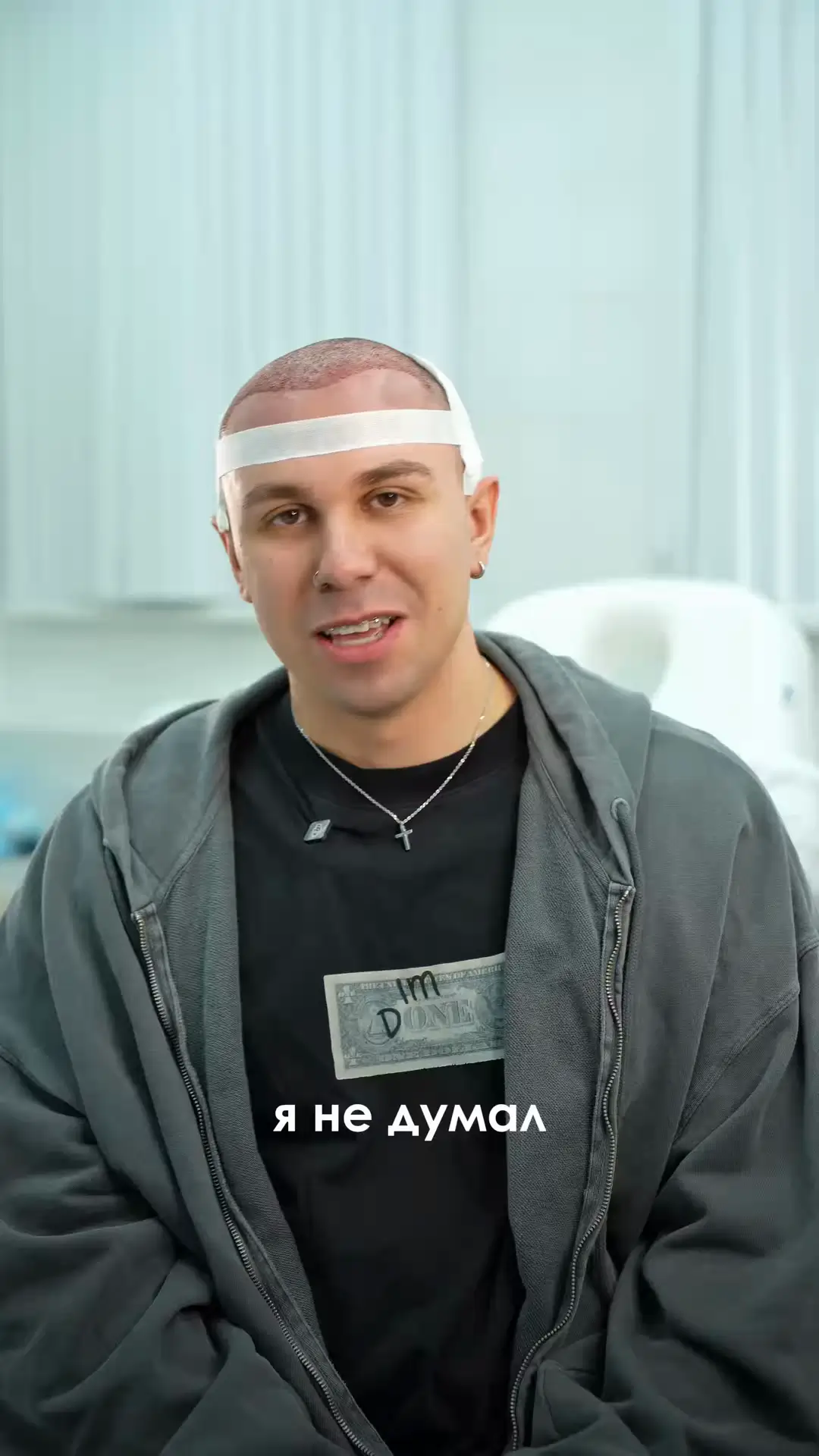
We give you the answers and slot your appointment in at a convenient time
Message us on Telegram Message us on WhatsApp Contact us nowReviews
I was having trouble with my hair. I came here and got a hair transplant. The results was awesome thank you
Review on Google
І experienced hair loss due to COVID and turned to this clinic; they helped me and performed a hair transplant, moving hair from the back of my head to my temples. Thank you.
Review on Google
I traveled to City Medical Centre, where they helped me overcome hair loss through a transplant to the balding areas of my scalp. I am grateful to the doctors for performing the procedure painlessly.
Review on Google
I am sharing my experience, because before the operation I went through a pile of reviews myself and was looking for real stories. I had a beard transplant six months ago. Honestly, in the first days after the procedure I felt a little jittery: my face looked unfamiliar, there was slight swelling and small scabs. In the first couple of months the hair partly fell out, as the doctor had warned. But now the result truly makes me very happy) From about the 4th month active, even growth began. The transplanted hair took very well, the beard now looks as natural as possible, no bald patches are left. The beard became much thicker and denser, with the shape I had thought about for a long time. All in all, I recommend the clinic, the doctor was polite and explained everything 👍 The result is definitely worth it!
Review on Google
I traveled to this clinic and do hair transplant, very good quality and cheap. Good doctors
Review on Google
I do hair transplant here very good doctors!!
Review on Google
Asked all the time
People often say hair implants, but no artificial hair is used. In a hair transplant the doctor moves your own follicles (grafts) from the donor area to thinning or bald areas using FUE or DHI.
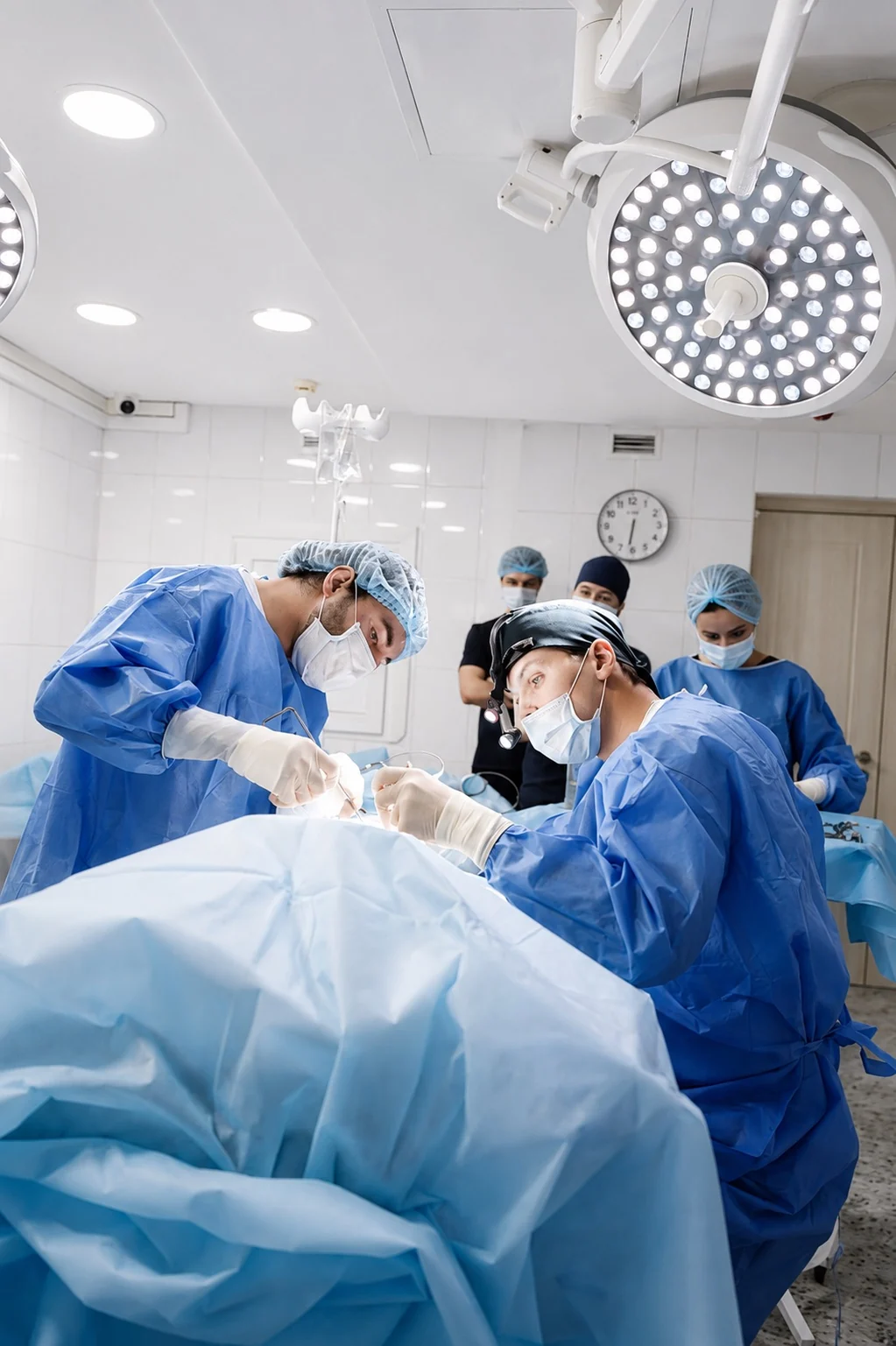
Yes — City Medical Centre regularly treats patients from other cities and countries, starting with an online consultation.
The base prices are $2,200 (≈ IQD 2,900,000) (FUE), $2,500 (≈ IQD 3,300,000) (DHI) and $2,700 (≈ IQD 3,550,000) (combined). The precise cost is determined at a free consultation and graft count, then fixed in your contract.
The whole operation is completed in one day, with no overnight stay needed.
It helps with stable pattern hair loss and a receding hairline when there are enough donor grafts. Some types of alopecia need treatment first; the doctor checks this at the consultation.
It's a painless procedure, carried out under local anaesthesia.
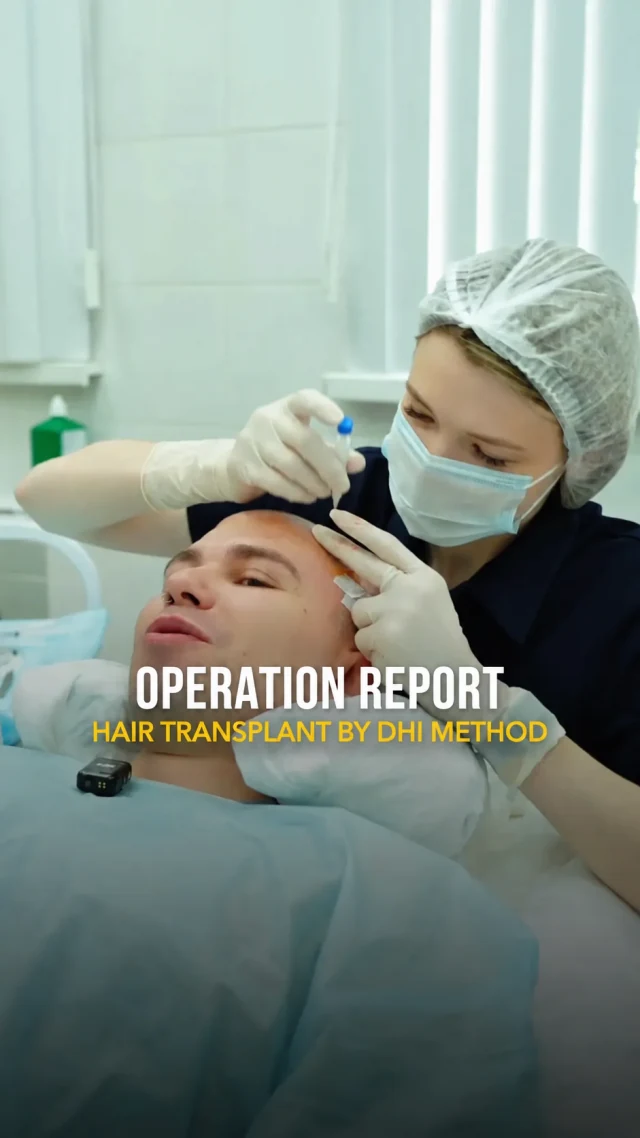
With FUE, grafts are taken by tweezer with no incisions. With DHI, grafts are implanted directly using a Choi pen, without pre-made channels. The combined method mixes FUE harvesting with DHI implantation.
Your graft count is worked out for free by the doctor during the consultation, based on the donor zone.
Expect 0–10 days to heal, then normal shedding of transplanted hairs at 2–4 weeks. Growth begins around 3–4 months, density builds by 6–9 months, and the final look appears at 12–18 months.
The guarantee terms are set out in the written contract.
Nothing heavy is involved for anyone in Sulaymaniyah. FUE and DHI dispense with cuts and stitches altogether, local anaesthesia keeps the patient awake and comfortable, and the surgery closes on the same day it opens.
A patient in Sulaymaniyah can start on any evening, because the online consultation is free and needs only pictures of the thinning area for the doctor to judge whether a transplant helps. Daily contact, 24/7.
Recovery is measured in 0-10 days, after which the calendar matters more than the mirror: at 2-4 weeks the transplanted hairs shed, which is normal, and only at 3-4 months does growth get going.
Prices are in US dollars; the amount in brackets is an approximate conversion to IQD at the rate of 02.10.2026. The final price is fixed in your contract.
By messaging us, you agree to our Privacy Policy
Known people who talked openly about this operation, in their own words.
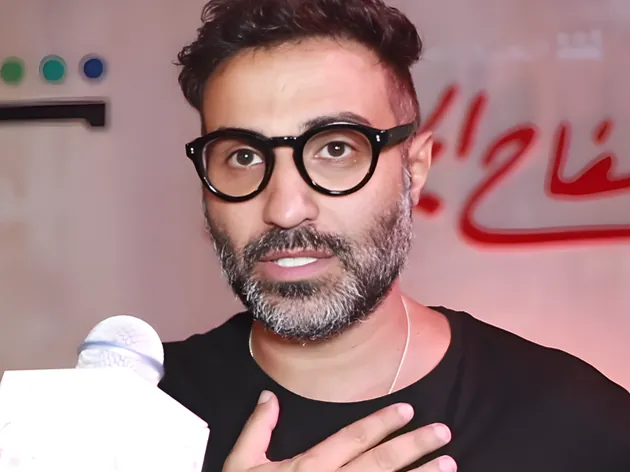 Did Ahmed Fahmy have a hair transplant? Yes, and he said so himselfEgyptian actor Ahmed Fahmy openly confirmed his hair transplant in 2021. What he said, how the procedure works, how results develop and what to check first.
 Omar Kamal and his beard transplant: the story in his own wordsEgyptian singer Omar Kamal confirmed his beard transplant in 2022 and explained why. What he said, how a beard transplant works and how results develop.
Written by Anastasia A. Kolesnik, plastic surgeon, hair transplant doctor
Medically reviewed by Ellina V. Goncharova, dermatovenereologist, trichologist, surgeon. Review date:
How we prepare and review medical content · Medical disclaimer
The modern city of Sulaymaniyah was founded in 1784 and had an estimated 847,000 residents in 2025 (city estimate). It is one of the four governorates of the Kurdistan Region, whose 2024 census counted 6,370,668 people. Public health services in the Region have been administered by the Kurdistan Regional Government Ministry of Health since the early 1990s, through a two-level system of nearly sixty public hospitals and several hundred primary health care centres.
A hair transplant for cosmetic reasons is something you choose rather than something a public clinic refers you to, so the checking falls to you. A licence is only useful if you can see what it covers. Ask the clinic in writing which licence covers the organisation giving care, under which name the organisation operates, which doctor will operate on you, and what diplomas and certificates that doctor holds. Keep the reply with your papers.
Turn that into three checks you can run by message. First, does the licence you are shown belong to the organisation named in the draft contract? Second, is the surgeon named in your documents the person who will actually operate? Third, do the diplomas and certificates carry the same name as the contract? A provider with nothing to hide answers all three in one reply, and the reply goes into your folder with its date.
You can run all of these checks from home in Sulaymaniyah. Writing to a coordinator costs nothing, commits you to nothing, and gets a reply whatever the hour.
Build a small evidence file. Into it go: the licence of the care provider with its number; the surgeon's complete name together with diplomas and certificates; a draft of the medical services contract; the inclusions in black and white; and a short written opinion on your case from the person who will hold the instruments.
Inclusions deserve a line-by-line look. The clinic names dressings, healing checks, a care plan for the grafted and the donor zones, guidance for washing, sleeping and covering the head, a schedule for sport and hair care, a coordinator who looks at the photos you send, and follow-up at 1, 3, 6, 9 and 12 months. A promise that is not written beside these will be hard to claim.
Sort what you hear into spoken and signed. Only signed matters if a disagreement ever arises. Whatever important point sits in the spoken pile should be moved across.
Ask a second specialist to read the same photographs. If his or her graft estimate and method differ from ours, you have gained a better question, not a verdict.
Do not hurry through this stage. Nobody reasonable expects an answer within the hour, and a provider who presses you to transfer a deposit before you have seen the papers is giving you a reason for caution. Take an evening, lay the pages side by side, and write down anything that surprises you; the coordinator can answer those points the next day.
Think of three tools. Classic FUE lifts grafts out with forceps, leaving no cuts and no sutures, so the hair keeps the angle it grew at. DHI uses a Choi pen to place grafts directly, which means channels are not prepared beforehand. The hybrid lifts by FUE and places by DHI, and is the route aimed at densification.
The survival and trauma values quoted for each variant are averages, offered as guidance. They move with the treated area and with your features, and the doctor lays out the real picture in the consultation. FUE is the variant named as suitable for androgenetic alopecia.
Questions for the doctor: from which donor zone, the back of the head or the temples, would the grafts come, and how many can that zone give? Why does the chosen tool fit your pattern? Which tests come first? The clinic spells out the tests and how to complete them.
Beard and eyebrows follow the same extraction. The back of the head provides the grafts, which enter through tiny punctures of about one millimetre. The shape is talked through with you beforehand, with your face in mind, and for brows the surgeon sketches the line at the opening consultation.
Before the call, decide what you want in plain terms: a denser front, closed temples, a fuller crown. The more precisely you describe the target, the more precisely the doctor can say what the donor zone allows and what it does not.
Think of the decision as three piles. The first pile, the good fit, holds androgenetic or diffuse alopecia, bald areas, and a receding front of the scalp. The second holds cases where the doctor will say no: trichotillomania, body dysmorphic disorder, cancer, a patient under 18, hair too sparse to supply grafts, patchy alopecia, or shedding that follows an illness or hormone imbalance.
The third pile is medical: intolerance to anaesthetics, epilepsy, serious heart disease, diabetes mellitus, a pacemaker, HIV or AIDS, hepatitis B or C, and pulmonary embolism. Name any of these in your first message, and the doctor will weigh them before reading the photographs.
A doctor who has no reason to send you into theatre unnecessarily says so openly and spares your money. If your case is borderline, ask for that opinion in writing.
If a refusal comes, ask what would have to change for the answer to become yes. Sometimes the reply is simply time, sometimes another type of treatment. Either way the reasoning is useful to you, and it costs nothing to ask.
A phone number is all it takes to begin. A coordinator then asks you to send images of the thinning places through a messenger, a doctor goes through them, and you hear whether a transplant would help. Shoot in daylight and include front, temples, crown and back. State how long the thinning has been going on and what you take regularly.
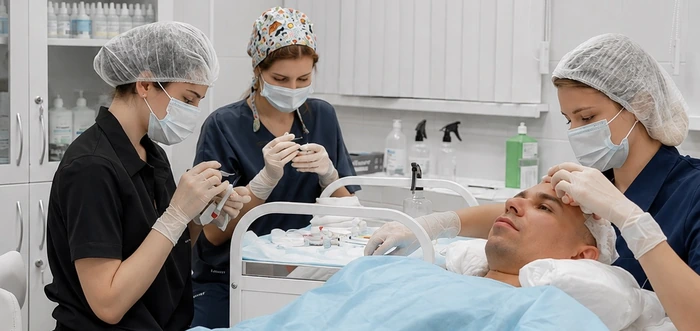
Surgery is over within one day, under local anaesthesia, and the doctor you spoke to at the consultation is the one at the operating table. The date is held by a deposit made by card or online, the terms are written into the contract, and the total agreed stays as agreed on the day.
Set reminders for the milestones. Up to day ten: scabs fall off and swelling recedes. Two to four weeks: the implanted hairs fall out, as expected, while the follicles stay in the scalp. Three to four months: fresh growth starts. Six to nine months: thickness comes back. Twelve to eighteen months: final volume and a natural edge.
Before each of the five check-ups, take pictures from the same angles and send them over, so that the doctor compares like with like.
Keep a short diary in the first months: the date, a photograph, and one line on how the scalp feels. When a check-up comes, the doctor sees the course of events instead of a single snapshot, and your own worries about shedding in weeks two to four are easier to put in proportion.
The Kurdistan Regional Government Ministry of Health has administered public health services since the early 1990s, through nearly sixty public hospitals and several hundred primary health care centres.
The 2025 city estimate is 847,000. The Kurdistan Region as a whole, with four governorates including Sulaymaniyah, counted 6,370,668 people in the 2024 census.
A cosmetic transplant is a matter of your own choice, so the checking is yours: ask for the licence, the surgeon's name and certificates, and the draft contract before any deposit.
Which licence covers the organisation giving care, which doctor will operate, and under which approval that doctor works. Ask for the answer in writing.
Daylight pictures from the front, from both temples, from above and from behind, plus a note on how long the thinning has lasted.
Yes. Send the same pictures to another specialist, compare the graft estimate and method, and ask each side to explain any difference.
No. It is free, held online, and reserves nothing.
Because they answer different questions: the licence shows who is entitled to give care as an organisation, the diplomas show who the surgeon is. Ask for both in writing and compare the names with the draft contract.

 Forceps
 Minimal


