


























Hair transplant5 min read
How to prepare for a hair transplant: steps to take before the procedure
Good preparation makes a hair transplant calmer and helps the healing process. It starts well before the day of the procedure: with a proper consultation, an honest talk about your medicines and habits, and a realistic plan for recovery. Below are the main steps most surgeons ask patients to take, and the questions worth raising with your doctor in advance.
By messaging us, you agree to our Privacy Policy
Medically reviewed by Ellina V. Goncharova, dermatovenereologist, trichologist, surgeon. Review date: .

The main points in 30 seconds
- Start with a consultation: the surgeon checks your hair loss and donor area and tells you what result is realistic.
- Tell the doctor about all medicines and supplements; blood thinners such as aspirin may be paused, but never on your own.
- Stop smoking and alcohol at least two weeks before the procedure and stay off them during recovery.
- Plan some days off; most people return to office work after a few days, while sport, saunas and swimming wait longer.
- Have a front-buttoning shirt and a travel pillow ready, and read the aftercare instructions before the day.
Key facts about the procedure
- Stay in clinicSame day
- Final result12–18 months
- AnaesthesiaLocal
- Price
$2,700from $2,200
Start with a consultation with a hair transplant surgeon
The first step is a consultation with an experienced doctor who specialises in hair transplantation. The doctor examines your hair and scalp, assesses the degree of hair loss and the condition of the donor area, and discusses what you expect from the procedure.
Price in your country — message us on WhatsApp
WhatsAppThis is the right moment to ask every question you have. It is useful to prepare a short list in advance, for example:
- Am I a suitable candidate, and which technique would you suggest in my case?
- How many grafts might be needed, and is my donor area sufficient?
- What result is realistic, and when can it usually be judged?
- What should I stop or change before the procedure, and when?
Tell the doctor about any chronic conditions, allergies, previous operations and how your hair loss has developed. A transplant moves existing hair follicles; it does not treat the cause of hair loss, so the doctor may also discuss how to look after the hair you still have.
Discuss your medicines well in advance
If you decide to go ahead with surgical hair transplantation, your doctor will give you recommendations on how to prepare. These often include pausing some medicines that affect blood clotting for a period before the operation; your doctor will tell you which ones and when.
More on this topic: Hair Transplant, Beard Transplant, Eyebrow Transplant, Hair Transplant in Atlanta.
Some supplements and herbal products can have a similar effect, so mention everything you take, even if it seems unimportant.
Never stop a prescribed medicine on your own. If you take blood thinners or treatment for a heart condition, the decision is made together with the doctor who prescribed it.
Follow the doctor's advice on preparatory treatment
In some cases the doctor may recommend products to support the hair follicles before the transplant, for example treatments that stimulate hair growth or reduce inflammation of the scalp. Whether you need them is decided individually after the examination. Use them exactly as advised and bring the list with you on the day.

Hair transplant abroad: choose a city and clinic
Prices, the clinic and a free online consultation for each city:
Stop smoking and avoid alcohol
If you smoke or drink alcohol, it is usually recommended to stop at least two weeks before the procedure and to stay off them during recovery. Smoking narrows the blood vessels and reduces the oxygen supply to the tissue, while alcohol can increase bleeding and swelling. Both can slow healing and may affect how well the transplanted hair grows.
If stopping completely is difficult, tell your doctor honestly. Even a significant reduction before and after the procedure is better than nothing, and the doctor can advise you on what matters most in your case.
Plan time for recovery
A hair transplant is a surgical procedure, and your body needs time to heal. Plan some days off work or free time after the operation so that you can rest and keep physical activity to a minimum. Most patients return to office work after a few days, but the exact timing depends on the technique, the size of the session and your own healing.
- Arrange for someone to accompany you home on the day of the procedure if possible.
- Avoid important meetings, photographs or events in the first weeks.
- Postpone intensive sport, saunas and swimming until your doctor allows them.
- If you are travelling for the procedure, allow extra days before the flight home, as advised by your surgeon.

Prepare for aftercare before the day of the procedure
Your doctor will give you instructions on caring for the transplanted area. These may cover the medicines to use, cold compresses to reduce swelling, avoiding strenuous physical activity and the correct way to wash your hair. Read them before the procedure rather than afterwards, and ask about anything that is unclear.
Practical things to have ready
- A loose shirt that buttons at the front, so you do not pull clothing over your head.
- A travel pillow to keep your head in a comfortable position while sleeping.
- The medicines and care products your doctor recommends.
- A loose hat, if your doctor confirms it is allowed after the first days.
On the day itself, follow the instructions you have been given about eating, washing your hair and taking medicines, and do not change your hairstyle or cut your hair unless the doctor asks you to.
How recovery usually goes
- 0-10 daysHealing: the crusts come off, the swelling goes down, the area gradually recovers
- 2-4 weeksShedding of the transplanted hairs: a normal stage, only the hairs fall out, the follicles stay in place
- 3-4 monthsGrowth begins: new hairs gradually appear, the result starts to show
- 6-9 monthsVisible density: the hair becomes thicker, the main volume and contour are visible
- 12-18 monthsFinal result: the final density and a natural hairline take shape
Consultation at City Medical Centre
City Medical Centre works with patients from other countries. The first consultation is free and can be held online: send photos of your hair and your questions via Telegram, and the doctor will assess your situation. The price is set by the doctor after this assessment and fixed in the contract. A personal coordinator stays with you from your first message until you have recovered. You can find out more about the procedure on our hair transplant page.
Frequently asked questions
How long before a hair transplant should I stop smoking?
It is usually recommended to stop smoking at least two weeks before the procedure and to stay off cigarettes during recovery. Smoking reduces blood flow to the scalp and can slow healing. If stopping is hard for you, discuss it openly with your doctor.
Do I need to stop taking any medicines before a hair transplant?
Some medicines that affect blood clotting are often paused for a period before the operation; your doctor will tell you which ones and when. Never stop a prescribed medicine yourself; the decision is made together with the doctor who prescribed it.
Can I drink alcohol before a hair transplant?
Most surgeons recommend avoiding alcohol for at least two weeks before the procedure and during recovery. Alcohol can increase bleeding and swelling and may slow healing. Your doctor will tell you what applies in your case.
How much time off should I plan after a hair transplant?
Many patients return to office work after a few days, but it depends on the technique, the size of the session and how you heal. Plan some free days after the procedure and postpone sport and important events until your doctor allows them.
What should I ask at the consultation before a hair transplant?
Ask whether you are a suitable candidate, which technique is suggested, how many grafts may be needed, what result is realistic and when, and what you should change before the procedure. Also tell the doctor about your health, medicines and allergies.
Have a question about your case? Get a free consultation
Message a coordinator on Telegram: we reply right in the chat, and you can send photos and questions there too.
- The first consultation is free, online consultations are available
- The doctor names the cost after the assessment, and it is fixed in the contract
- A personal coordinator guides you from the first message to recovery
Message our coordinator
We reply right in the chat — you can send photos
Message us on TelegramMessage us on WhatsAppBy messaging us, you agree to our Privacy Policy
Read also
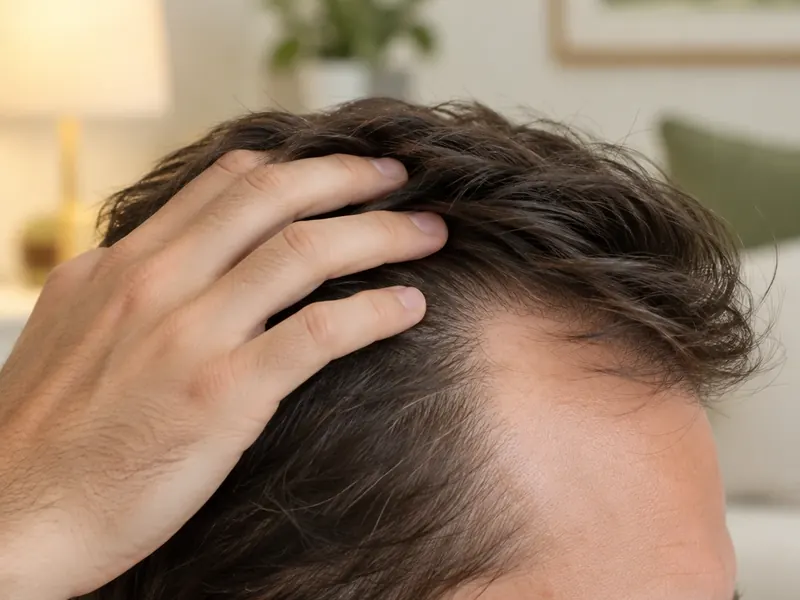 Hair transplant
 for a receding hairline: how a natural hairline is designed and what results to expect
How a receding hairline is restored with a hair transplant: who it suits, how a natural hairline is designed, FUE or DHI, grafts, recovery and results.
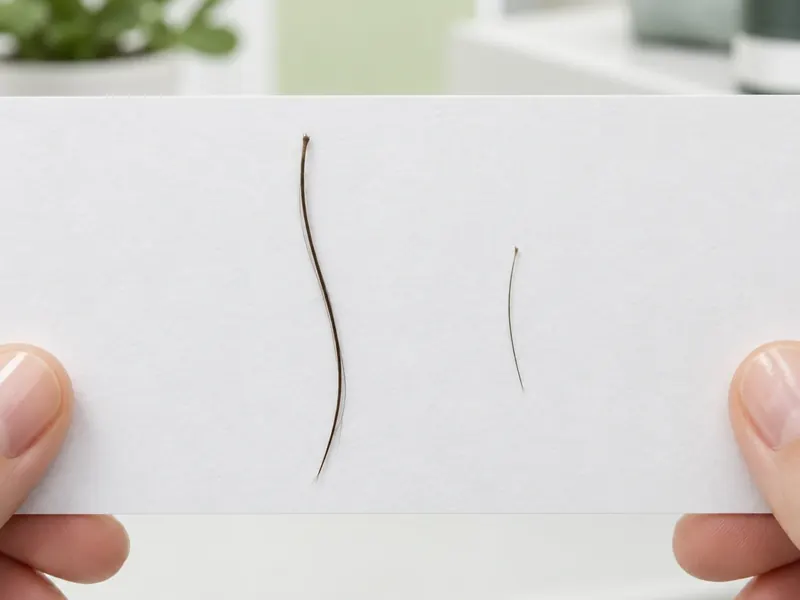 Hair transplant
Scalp hair vs eyebrow hair: differences in structure, growth and function
Scalp hair and eyebrow hair differ in length, thickness, growth cycle, texture and purpose. Here is how, and why it matters when hair is transplanted.
 Hair transplant
How to stimulate hair growth: factors, medical options and when to see a specialist
What affects hair growth, which medical options may support it, when to see a specialist and where a hair transplant fits when hair is lost for good.
Medical disclaimer
This article is for general information only and is not medical advice. It does not replace a consultation with a doctor. Every procedure has contraindications and risks. Read more